After-Swim Meltdowns: The 10-Minute Fix That Stops the Chill
After-swim shivers hit fast, here's the 10-minute post-pool routine that keeps kids warm, calm, and meltdown-free before you're even back at the car.

How to stop the post-swim shiver in the first two minutes
The fastest way to stop a toddler from getting cold and cranky after swimming in Bali's heat: peel off the wet swimsuit, towel-dry them completely, hair, ears, the backs of knees, within two minutes of leaving the water, then dress them in a dry, breathable layer before any breeze touches bare skin. Wet skin evaporating in Bali's air pulls heat off a small body fast, even at 31 degrees. Dry first, dress second, and the shiver usually never starts.
Why toddlers chill so fast in tropical heat
It sounds backwards. It's hot enough to sweat standing still, and yet your child comes out of the pool with chattering teeth and goosebumps up their arms. We noticed this with our own daughter the first rainy season she was old enough to insist on "one more jump" into the kolam.
Here's what's happening. Evaporative cooling is the process where liquid turning to vapor pulls heat from the surface it leaves, it's why a wet t-shirt feels icy in a breeze. A toddler also has far more skin surface area relative to body weight than an adult, and only a thin layer of insulating fat underneath it. The second they're out of the water, every drop clinging to that skin starts evaporating and pulling warmth with it. Add a breath of wind, a ceiling fan, or a car AC on the ride home, and that cooling effect multiplies. The air temperature barely matters. What matters is how long wet skin stays wet and exposed.
This is also why the shiver hits hardest right after the fun stops. While they're moving and playing, their bodies generate enough heat to mask it. The moment they sit still on the pool edge or in a stroller, the chill catches up all at once, and so does the meltdown.
The 10-minute fix, step by step
We stopped fighting this the day we stopped treating "after swim" as a wind-down and started treating it as a routine with a clock on it.
Minute 0 to 2: dry, immediately. Don't let a wet toddler linger poolside "for a minute" while you pack the bag. Wrap them in a towel the second they're out and blot, don't rub, the head and torso first. Most heat is lost from the head and the chest.
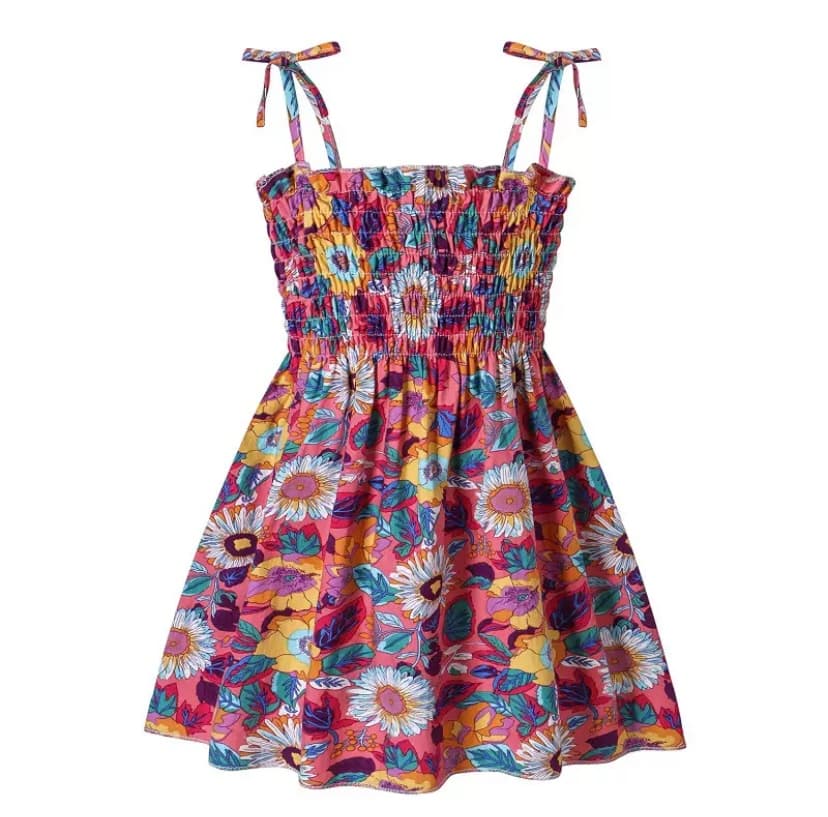
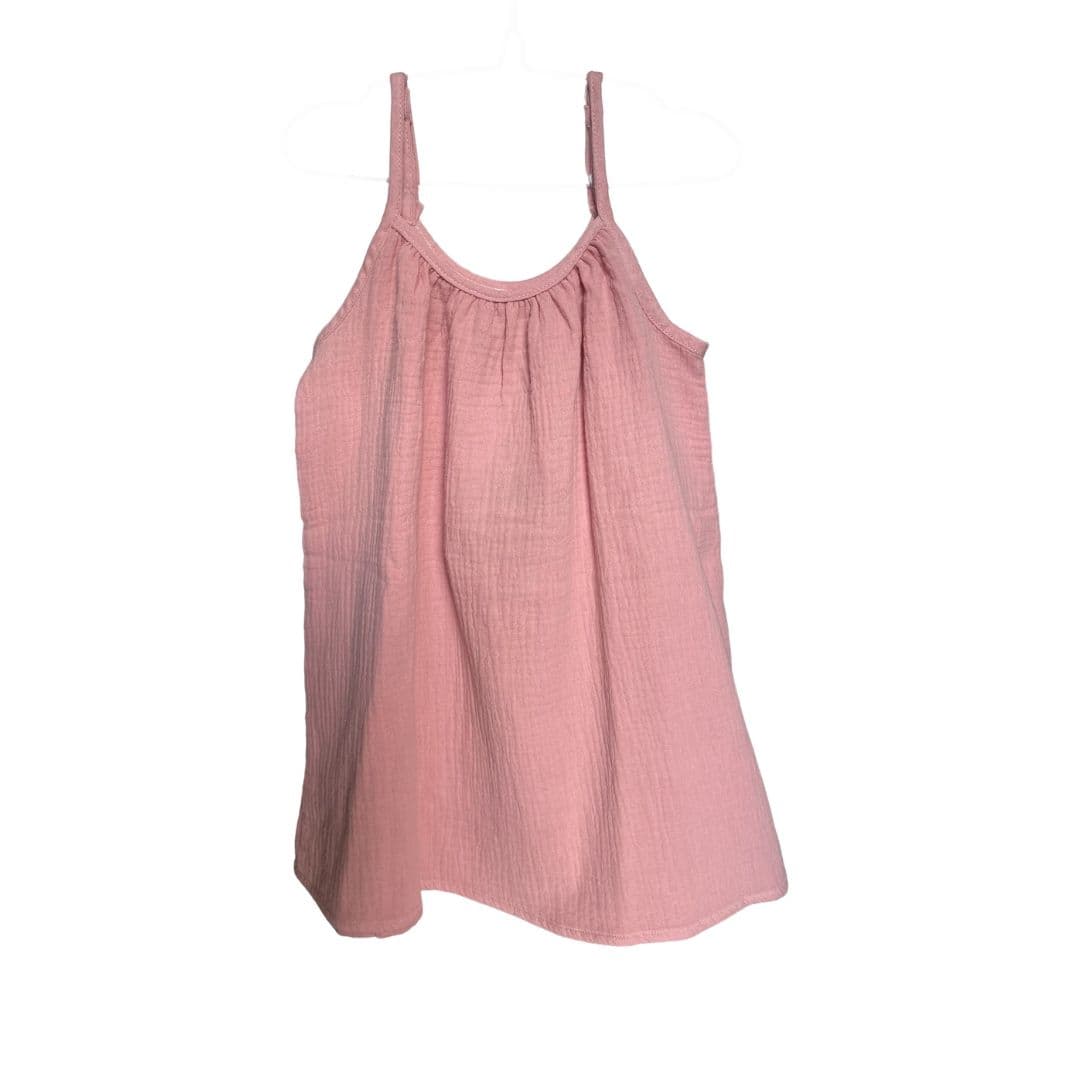
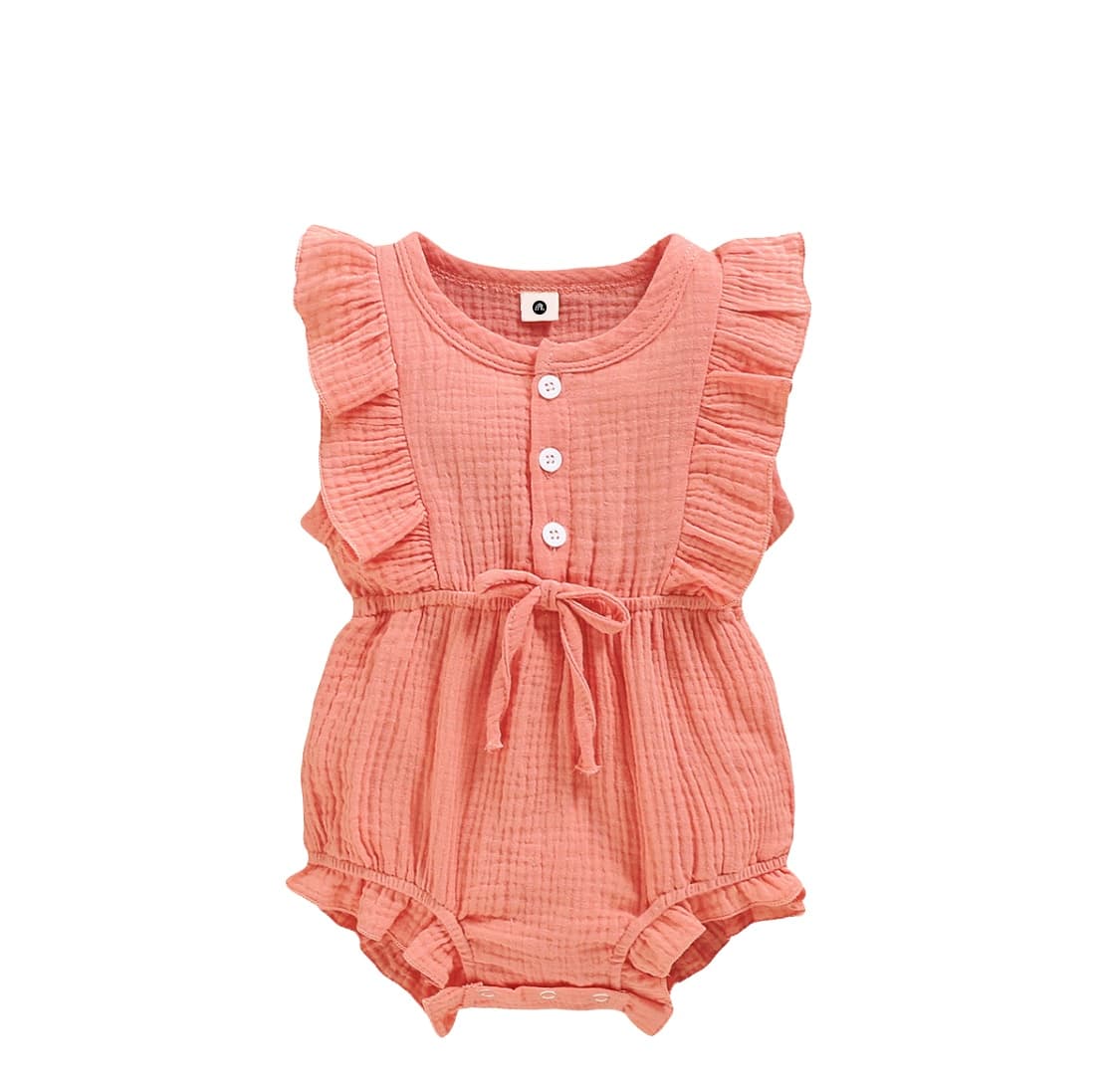
Minute 2 to 5: swap the suit for something dry. A clingy, damp swimsuit sitting against skin is worse than no clothing at all: it keeps the evaporative cooling going. Peel it off and get them into a dry layer that breathes. This is the one place a garment earns a mention: something lightweight like muslin cotton works well here because it wicks the residual dampness off skin quickly without trapping heat the way thicker towelling or synthetic fabrics can.
Minute 5 to 10: get out of the wind path. Move away from open-air breeze, ceiling fans, or the car's AC vent until they've fully dried and warmed. If you're heading straight to lunch or the car, this is exactly the window where kids go from fine to freezing, especially if the AC hits hard on the drive.
What to pack in the swim bag
A few things in the bag make this whole routine faster:
- A dedicated dry towel, separate from the one you're standing on
- One full spare outfit, not just a spare swimsuit
- A lightweight long-sleeve layer for the car or a shaded lunch spot
- A hair towel or small cloth just for drying the head first
- A snack and water, since warming back up burns real energy
We keep this bag packed and ready by the door, because the days we forgot the spare outfit were always the days she ended up in a damp singlet an hour later, cold and furious about it.
What we do differently now
Our daughter used to go from giggling in the pool to sobbing on the towel in about ninety seconds flat, and for a long time we assumed she was just tired or hungry. It wasn't until we timed it that we realized it was almost always the chill, not the mood. Now the plan is boring on purpose: towel, dry clothes, out of the breeze, snack. Most days the meltdown never shows up at all. If you're building out a full beach day kit, this routine slots in right alongside your sun plan.
FAQs
Is it normal for a toddler to shiver after swimming even in hot weather? Yes, mild shivering that stops once they're dry and dressed is common and isn't a sign anything is wrong. It's your body's normal response to evaporative cooling, not to the actual air temperature.
Should I just let a wet swimsuit air-dry on them instead of changing it? No, a wet suit against skin keeps pulling heat away the whole time it's damp. Changing into something dry, even a simple t-shirt, stops the cooling far faster than waiting for the suit to dry on its own.
When does after-swim shivering need more than a towel and dry clothes? If shivering is strong, doesn't ease within a few minutes of drying and warming, or comes with your child seeming unusually tired, pale, or unwell, treat it as a different situation and check in with a doctor rather than assuming it's just the water.
A note from Bali
We built this routine out of trial and error, the kind of thing every parent here figures out eventually between one swim and the next. It's part of why we started Epic: we wanted a breathable layer already in the bag, something we could pull out and put straight onto damp skin without a fuss. If your post-swim routine needs a lightweight layer, our muslin pieces are built for exactly this kind of afternoon.
From one parent to another
Dressing a little one for the heat?
Join the EPIC family for honest guides on dressing kids in the tropics, first look at new pieces, and 10% off your first order.
No spam, just the good stuff. Unsubscribe anytime.
Shop the pieces
More from Knowmads Bali
Born in Bali · Tested in the tropics
Muslin cotton, made for the heat
Breathable, soft, and built for real tropical days. Our onesies & playsuits are where most families start.