The 3pm Meltdown Decoder: Overheated, Overtired, or Hungry?
The 3pm meltdown, decoded: tell overheated, overtired, and hungry apart fast so you can fix the real problem before the tantrum hits.

You can tell the three apart by checking, in order: skin and sweat first (overheated feels damp and looks flushed, with your toddler going flat and clingy), then time since the last real sleep (overtired shows up as wired energy and crying over something tiny), then time since the last meal (hunger hits fast and resolves fast once food arrives). Most 3pm meltdowns are actually two of these at once.
What overheated actually looks like at 3pm
Overheated is when a toddler's body temperature has climbed enough to change her mood and energy before it ever turns into an obvious tantrum. It builds over an afternoon outside, in a warm car, or in a room with the fan off. What we've noticed, and what most parents in a hot climate will recognize, is that it shows up as flatness before it shows up as a tantrum. A toddler who was climbing everything an hour ago suddenly wants to be carried. Cheeks flush. The back of the neck and hairline feel damp. She pushes away things she normally loves, tickling, a favorite toy, because any extra stimulation feels like too much.
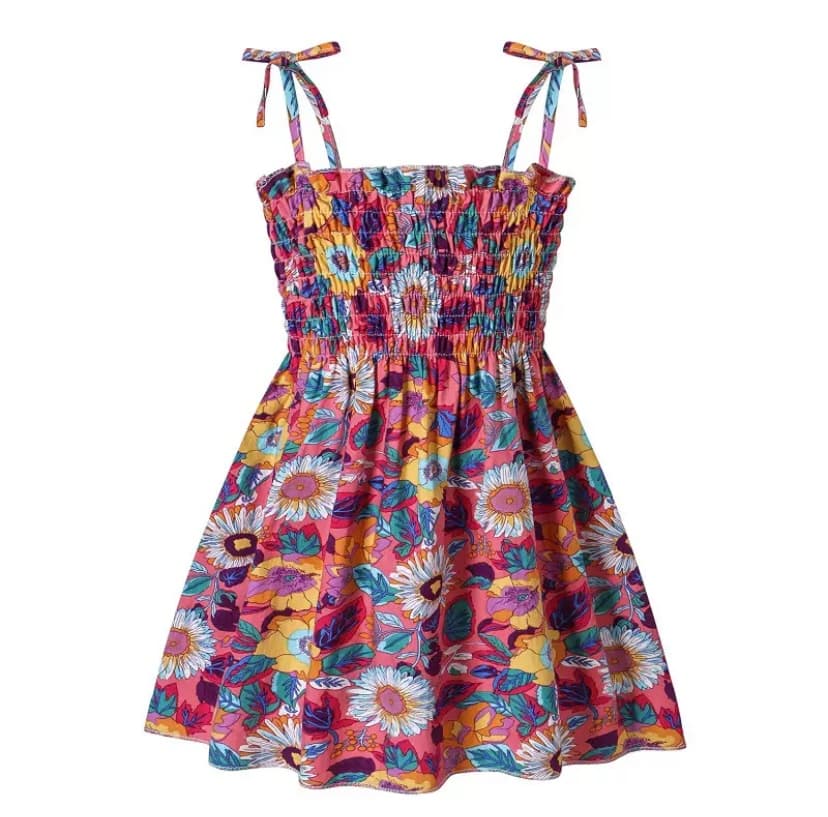
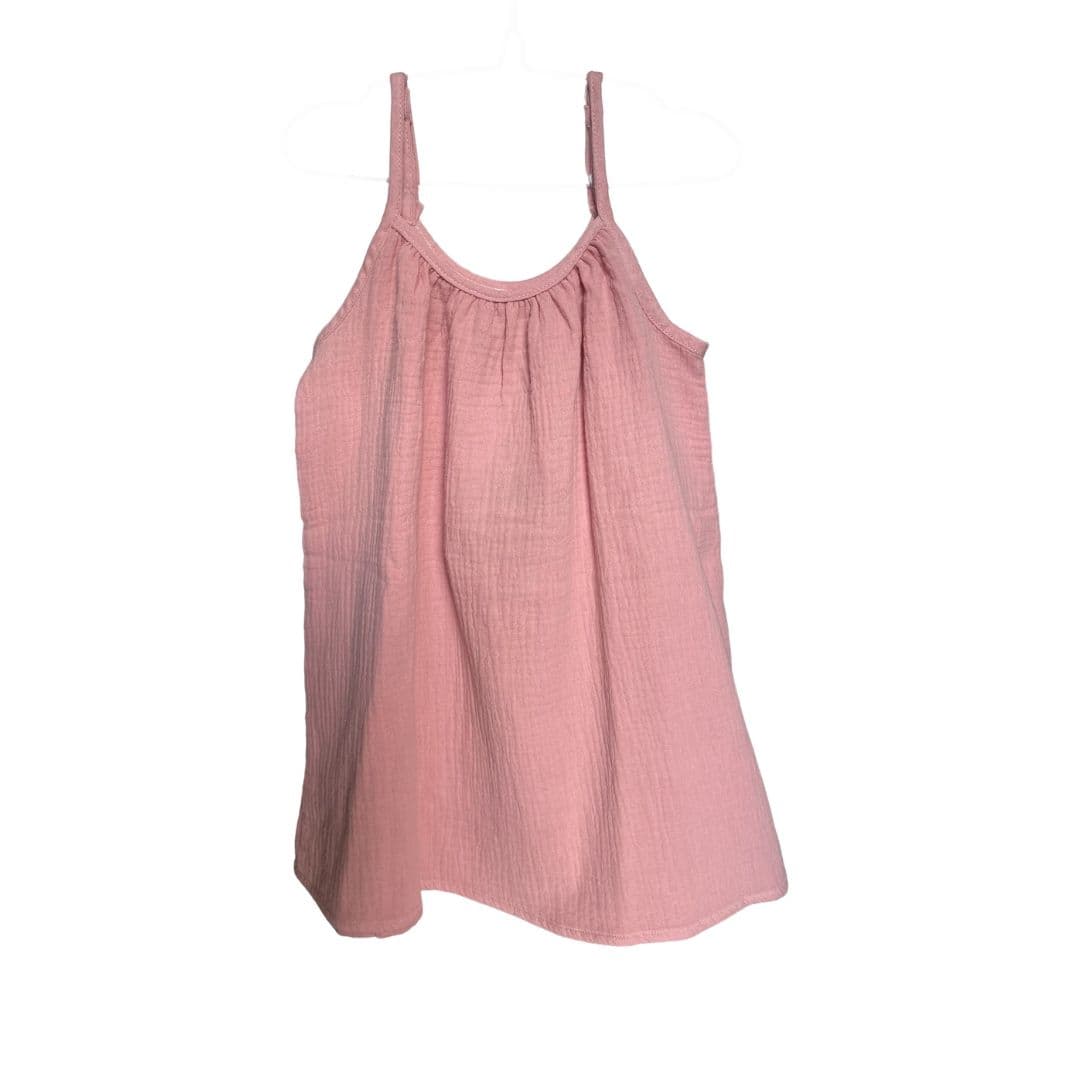
The meltdown itself tends to be low-energy: whining rather than screaming, going limp rather than arching and kicking. If that's what you're seeing, the fix is usually simple: shade, water, fewer layers, then give it a few minutes before you decide anything more is wrong. Dressing for the heat in the first place makes this easier to catch early. Loose, open-weave fabric breathes, it lets sweat evaporate and body heat escape instead of trapping both against her skin, so you're reading her actual temperature and mood, not what a heavy layer is holding in. It's one of the quieter reasons what to wear in humid heat matters more in the afternoon than any other time of day.
Overtired doesn't look like sleepy, it looks like feral
Overtired is when a toddler has gone too long without real sleep and her body compensates with a burst of wired energy instead of winding down. This one catches families off guard because overtired toddlers often look like the opposite of tired. Instead of winding down, they speed up: more energy, not less. Laughing gets louder, then flips to sobbing with no warning in between. A meltdown over something absurdly small, a shoe on the wrong foot, a cup that's the wrong color, is a classic overtired tell, not a hunger tell.
The giveaway is timing. If it's been longer than usual since the last nap, or the nap was short or skipped, and the meltdown lands in that predictable afternoon stretch, overtired is the likely answer even if she doesn't seem sleepy at all. We've written before about how to know it's nap time in a climate where the temperature never really signals "wind down" the way a cooler evening might elsewhere. Same logic here: watch the clock and the pattern more than the mood.
The hunger crash nobody sees coming
A hunger crash is a fast-onset meltdown caused by too long a stretch without food, and unlike overheated or overtired, it resolves almost as fast once food is in hand. Little buildup, just a switch from fine to furious in a couple of minutes, usually two to three hours after the last real meal. Sometimes relief comes within the first few bites.
What to check, in order
- Skin and sweat first, flushed cheeks, damp hairline, wanting to be still. Points to overheated.
- Time since last nap, longer than usual, or a short nap, with a meltdown over something tiny. Points to overtired.
- Time since last meal, two to three hours or more, with fast onset and fast recovery after eating. Points to hungry.
- All three at once, common in the late afternoon. Start with water and shade since that's the fastest fix and often takes the edge off the other two.
Frequently asked questions
Can a toddler be overheated and overtired at the same time?
Yes, a toddler can be overheated and overtired at the same time, especially in the late afternoon when both have had all day to build up. If water and shade don't settle things within a few minutes, the nap clock is probably the bigger factor.
How long should I wait before deciding it's hunger and not something else?
Give it about ten minutes after offering a snack or meal. If the meltdown resolves within that window, hunger was very likely the driver; if nothing changes after eating, look at sleep timing and temperature instead.
Does a regular 3pm meltdown mean naptime needs to move earlier?
Not necessarily on its own. Watch the pattern over a few days before changing anything, a consistent late-afternoon meltdown is often just the clock telling you the current rhythm doesn't fit anymore.
A note from Bali
Afternoons here rarely offer a natural cool-down, so we've learned to read our daughter's mood as closely as the clock. Most of us know the 3pm version of this: the guessing, the second-guessing, the sense that whichever thing you try first, you're probably choosing wrong. You're not the only one.
One thing that's made the guessing easier for us: dressing for the heat honestly, in pieces light enough that we're reading her, not the layer between her and the day. That's what we look for when we choose what to stock. If you're curious what that looks like in practice, our shop is here.
From one parent to another
Dressing a little one for the heat?
Join the EPIC family for honest guides on dressing kids in the tropics, first look at new pieces, and 10% off your first order.
No spam, just the good stuff. Unsubscribe anytime.
Shop the pieces
More from Knowmads Bali
Born in Bali · Tested in the tropics
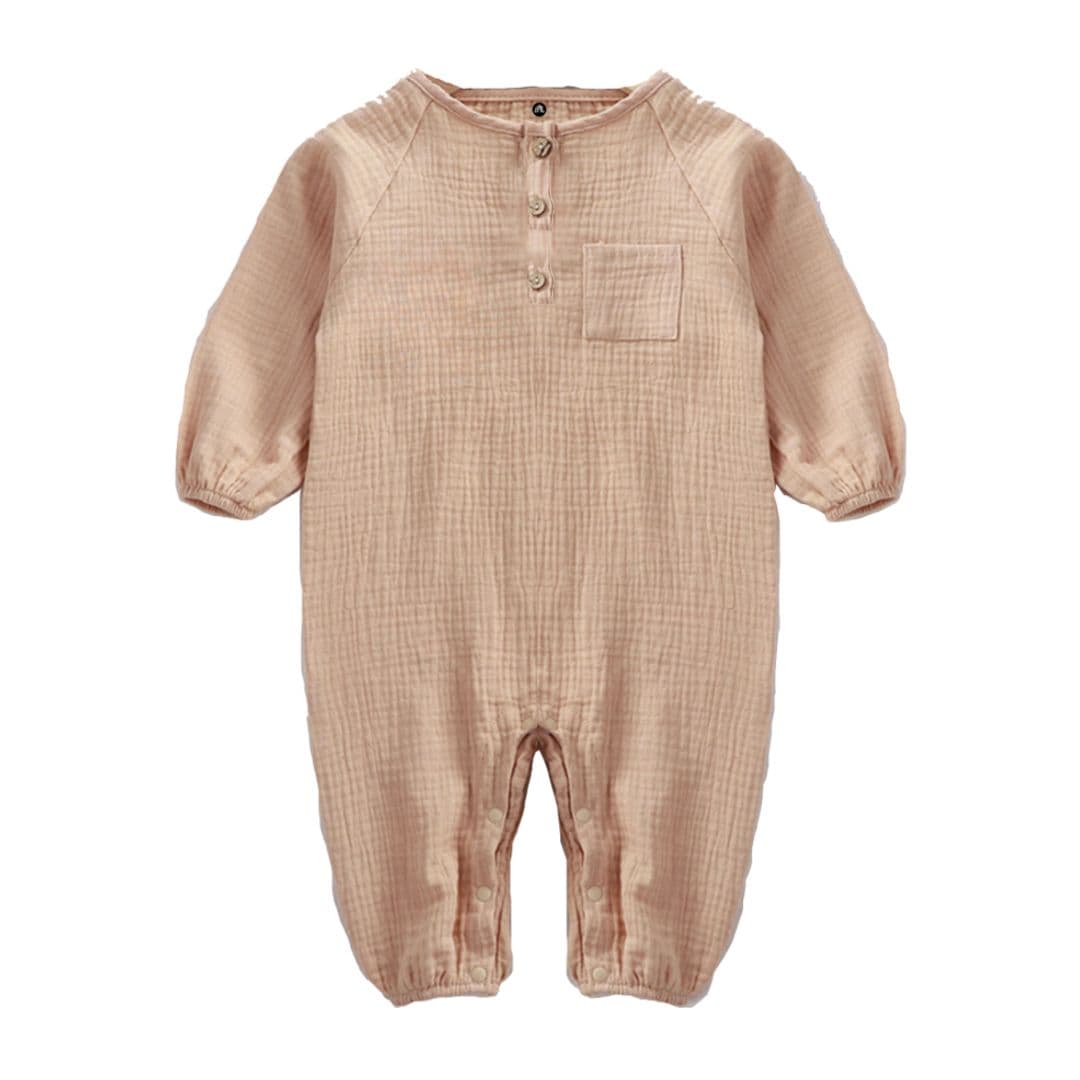
Muslin cotton, made for the heat
Breathable, soft, and built for real tropical days. Our onesies & playsuits are where most families start.