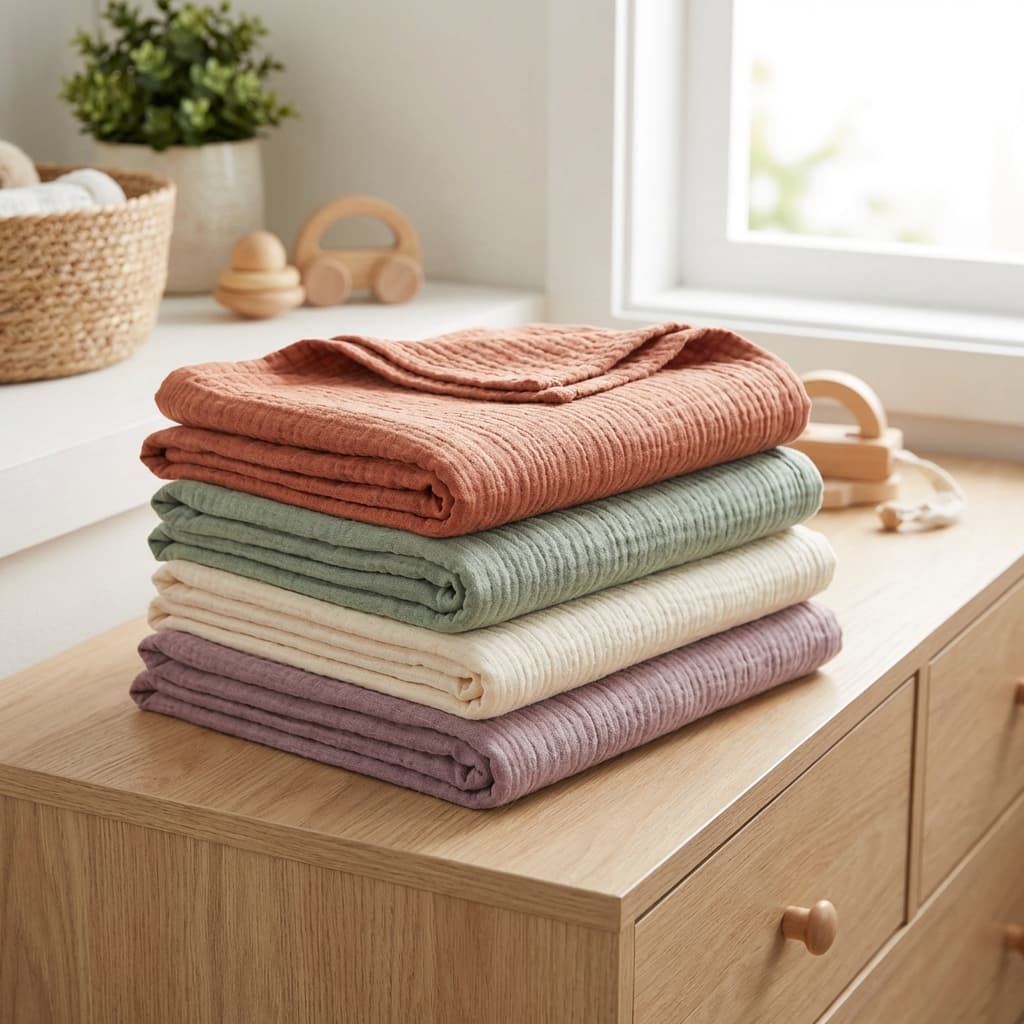
Bali Baby Clothes Secondhand? Check for Hidden Mold First
Bali's humid climate turns secondhand baby clothes into a mold risk fast, here's how to spot hidden spores before they touch your kid's skin.

The safest way to check secondhand baby clothes from Bali for hidden mold is smell before sight: unfold the garment fully and smell the seams, cuffs, and doubled-over fabric. A musty, damp-basement smell means moisture got trapped during humid storage, even if the fabric still looks clean. Check those folds next for faint gray, yellow, or black speckling.
Most families here buy and sell secondhand baby clothes, passing pieces along between friends, consignment racks, and local marketplace groups. After a humid season or two, it becomes second nature: unfold first, smell first, then decide. It only takes a minute once you know where to look.
Why Bali storage makes this more common
Clothes that have spent time in a Bali closet, a plastic tub in a gudang, or a bag at the bottom of a moving box have usually been through a stretch of high humidity without much airflow. Tropical air holds far more moisture than a temperate climate does, so fabric packed away even slightly damp has little chance to dry on its own. That's true whether the piece came from a friend, a consignment rack, or a marketplace group. Nothing about secondhand clothing itself is the problem. It's what happened to it while nobody was looking at it.
Fabric stored somewhere the air doesn't move is what develops a musty smell or faint discoloration by the time it reaches you. We've written before about storing muslin between kids without the mold, and the same logic applies here in reverse: if you wouldn't have stored a piece that way yourself, assume whoever had it before you might not have either.
What to check before you buy it
A quick once-over catches almost everything. Here's what to look for:
- Smell it first, before you look at it. A musty or "closed-up cupboard" smell is the most reliable early sign, often showing up before any visible mark does.
- Unfold every layer. Mold tends to start in the parts that stay pressed together: cuffs, waistbands, collar folds, the inside of a hood.
- Check buttonholes and elastic casings. Textured, stitched areas hold moisture longer than flat fabric and are an easy spot to miss.
- Look for faint speckling, not just obvious stains. Early mold can look like a light gray or yellowish haze rather than a clear spot.
- Hold light fabrics up to natural light. A faint haze shows up more easily this way than under indoor lighting.
- Ask how it was stored. "In a sealed bag in a cupboard" and "folded on a shelf with a fan" are different answers worth asking for.
- Trust a stiff or slightly damp handle. Fabric that should feel soft but feels stale or crisp has usually sat in poor airflow for a while.
If a piece fails more than one of these, it's simpler to pass than to debate it. There's always another piece.
Judging the fabric while you're already looking closely
Muslin is a lightweight, loosely woven cotton fabric that breathes well but absorbs moisture quickly, which is part of why storage conditions matter so much for it. Since you're already unfolding and inspecting, check the fabric quality too. It's common in the Bali secondhand market, and quality varies a lot piece to piece. The specifics are covered in how to tell if that muslin swaddle is actually good, but the short version is the same instinct: a soft, even weave that moves easily in your hands is a good sign, and stiffness or unevenness is a red flag.
Once it's home, before it goes in her drawer
Most parents run any secondhand piece through a wash before it goes near a child, out of habit more than as a fix for anything specific. After that, what matters is drying it fully in open air. Folding it away while it's still even a little damp is exactly the condition that started the problem in the first place. If a musty smell doesn't lift after a normal wash and full air-dry, that's your answer, and it's fine to let the piece go.
Secondhand still makes a lot of sense here. Bali's resale and hand-me-down network for baby clothes is genuinely good, and muslin basics tend to hold up and keep circulating in a way fast fashion doesn't. A minute of checking is a small price for that.
FAQs
Can mold be there even if I don't see any spots?
Mold can be present in secondhand baby clothes even before any spots are visible. Smell shows up before the eye does, so a musty smell with no visible marks yet is still worth acting on rather than dismissing.
Does dark or patterned fabric hide it better?
Dark or patterned fabric can hide early mold more easily than plain fabric. Speckling that stands out on a plain pastel piece is easy to miss on a print or a dark color, which is another reason smell matters as much as sight.
Is secondhand still worth the extra checking, or should I just buy new?
Secondhand is still worth the extra checking for most families here, rather than buying new. The checklist above takes a minute, and it turns "hope this is fine" into a real answer either way.
A note from Bali
Secondhand is part of how most of us dress our kids here, and a minute of checking is what keeps it easy rather than a gamble. When we're choosing what to stock at Epic, softness and breathability come first: an open, loose weave that lets air move through the fabric, so it stays cool against her skin even in Bali's heat. If you're building out a tropical wardrobe and want pieces chosen with that in mind, we're at epic.supply whenever you're ready to look.
From one parent to another
Dressing a little one for the heat?
Join the EPIC family for honest guides on dressing kids in the tropics, first look at new pieces, and 10% off your first order.
No spam, just the good stuff. Unsubscribe anytime.
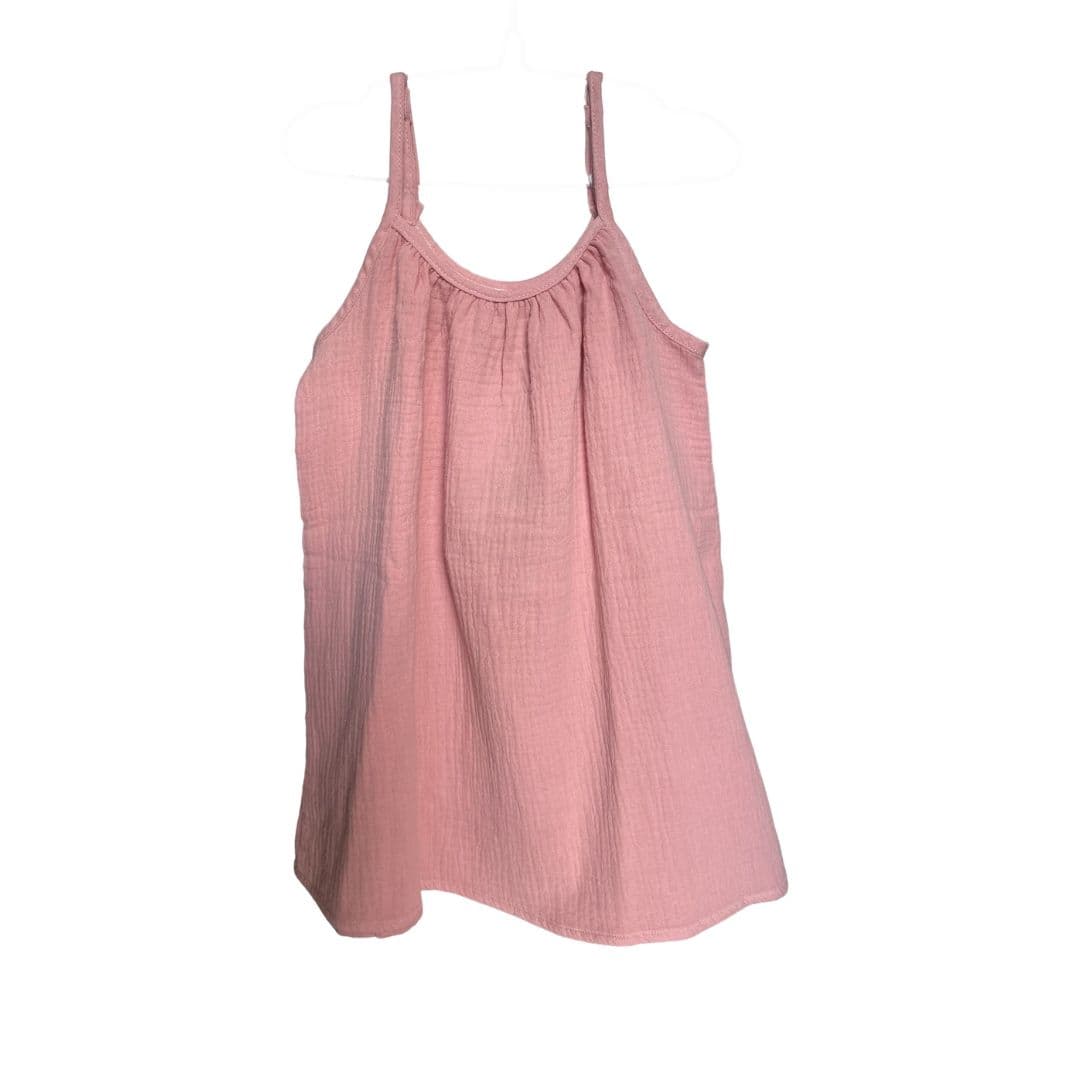
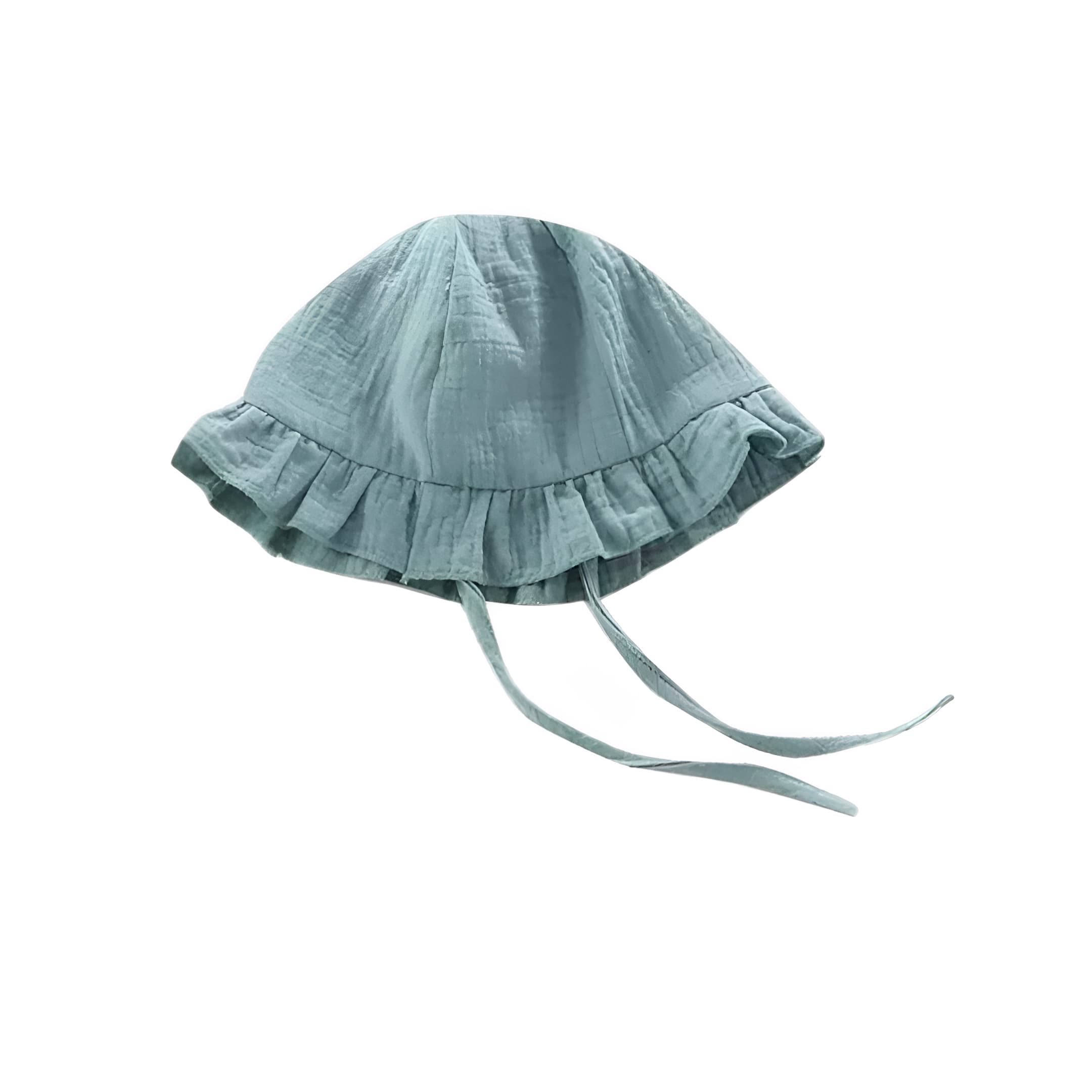
Shop the pieces
More from Knowmads Bali
Born in Bali · Tested in the tropics
Muslin cotton, made for the heat
Breathable, soft, and built for real tropical days. Our onesies & playsuits are where most families start.