Is Newborn the Same as 0-3 Months? Sizes Compared
No, newborn and 0-3 months are different sizes. Newborn fits about 5-8 lb, 0-3 months up to about 12 lb. Weight ranges, the 3M label, and how to tell when to size up.
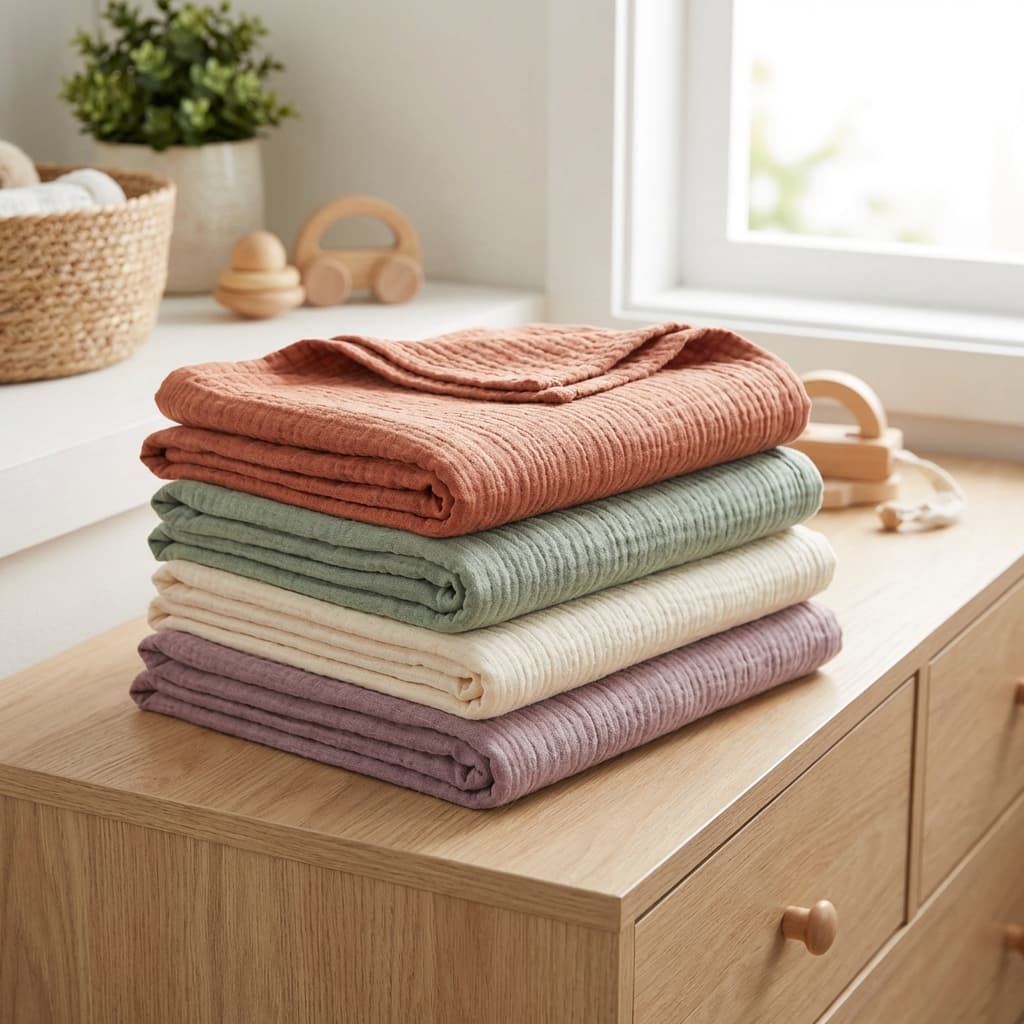
No, newborn and 0-3 months are not the same size. Newborn (NB) is the smaller size, for babies up to roughly 8 pounds (about 3.6 kg). 0-3 months is the next size up, for babies up to roughly 12 pounds (about 5.4 kg) and a few centimetres longer. A garment labelled "3M" or "3 months" is usually the same bracket as 0-3 months, because many brands name a size by the top of its range, but always check that brand's weight chart.
| Label | Typical weight | Typical length | How long most babies wear it |
|---|---|---|---|
| Newborn (NB) | about 5-8 lb (2.3-3.6 kg) | up to about 21 in (53 cm) | first 4-6 weeks |
| 0-3 months / 3M | about 8-12 lb (3.6-5.4 kg) | about 21-24 in (53-61 cm) | roughly weeks 4-12 |
Ranges are typical across brands, not a standard; each brand publishes its own chart.
Newborn size fits babies roughly 5 to 8 pounds, cut snug through the body with easy-change openings for the earliest days. 0-3 months is roomier and longer, fitting up to about 12 pounds. Most babies wear newborn size for four to six weeks before moving up, so weight and fit matter more than the age label.
Why the label rarely matches the timeline
"Newborn" and "0-3 months" both sound like they describe a stage of life, but they are really weight brackets wearing an age costume. A baby born in the upper range of average will skip newborn size within days. A baby born early or small might stay in it for a month or more. Neither is unusual. Most of us know the frustration of unwrapping a pile of newborn-labeled onesies at a baby shower and having exactly one week to use most of them.
The bigger issue is that brands do not agree on where the bracket lines fall. One label's 0-3 months runs generous, another's runs snug, and a baby who is "0-3 months" in one drawer can be squeezed out of the same size from a different brand. This is why weight and comfort, not the number on the tag, are the only reliable guide.
In Bali's heat and humidity, a size that runs even slightly tight changes how a garment feels against skin for an entire day, not just how it looks in photos. Cotton absorbs moisture and holds onto it until it evaporates, and a snug fit slows that evaporation by pressing damp fabric against skin, so we size generously for that reason. If your baby runs warm regardless of size, what to wear in humid heat covers that separately from sizing.
Newborn size: what it is actually built for
Newborn size is a garment size built for a baby's first weeks, cut with a shorter body and narrower shoulders than later sizes. It exists for the smallest, earliest days, not for room to grow.
Closures are placed for frequent changes rather than for a baby who is starting to kick and stretch, which is why the size feels short-lived. That is by design, not a flaw in the garment.
If your baby arrives at a typical or larger weight, hold off on unpacking newborn size until you see how they measure in the first days. Some babies skip newborn size almost entirely and move straight into 0-3 months. We go deeper on exactly this in newborn size runs out fast, here's how much you actually need, including how many pieces of each size get worn.
0-3 months: the size that does the real work
0-3 months is the garment size most babies wear the longest during early infancy, cut with more room through the body and more length than newborn size. It keeps working even as a baby fills out fast in the early weeks, which is why it is worth spending more on quality here than on newborn pieces worn for two weeks.
The tradeoff is that "0-3 months" is a range, not a fixed point, and a baby can outgrow it in length before they outgrow it in width, or the reverse. Sleeves creeping from wrist toward elbow, or snaps at the crotch pulling tight during changes, both signal it is time to move up, regardless of what the calendar says. For a full walk-through of the signs, see the 60-second fit check.
What to check before you decide a size is done:
- Sleeves and pant legs no longer cover wrists and ankles with room to spare
- Snaps at the diaper area are tight enough to need real effort
- The neckline is snug going over the head rather than easy
- Length is riding up at the shoulders after normal wear, not just after a wash
- Your baby seems restless in a garment that used to sit easily
If two or more of these show up together, move to the next size instead of squeezing out a few more wears.
FAQs
Is newborn the same as 0-3 months?
No. Newborn is the smaller size, for roughly 5-8 lb, and most babies outgrow it within four to six weeks. 0-3 months picks up from there and runs to about 12 lb, so it fits longer and roomier.
Is 0-3 months the same as 3 months?
Usually, yes. Many brands label the 0-3 month bracket as "3M" or "3 months", naming it by the top of the range, so a 3M piece normally fits like 0-3 months. A few brands treat 3M as the next bracket up (3-6 months), so check the weight on the brand's chart before buying.
What size is 0-3 months?
0-3 months typically fits babies of about 8 to 12 pounds (3.6-5.4 kg) and about 21 to 24 inches (53-61 cm) long. Go by your baby's weight and length rather than age; a big baby can be in 0-3 months from birth.
Should I buy more newborn size or more 0-3 months?
Babies wear 0-3 months far longer than newborn size, so weight your early purchases toward that size and keep newborn purchases light, especially if you do not know your baby's birth weight yet.
Can I just size up early to save money?
You can, but a garment that is too roomy in the earliest weeks can be its own hassle, from sleeves swallowing hands to length dragging at the feet. A slightly loose 0-3 months fit is usually fine; a garment several sizes too big is not worth the savings.
Do all brands run the same in newborn and 0-3 months?
Sizing varies enough between brands that no, you cannot assume one brand's 0-3 months matches another's; the safest approach is to check actual measurements when you can. For the very first pieces you will use, jabla vs romper vs swaddle is a good next read.
A note from Bali
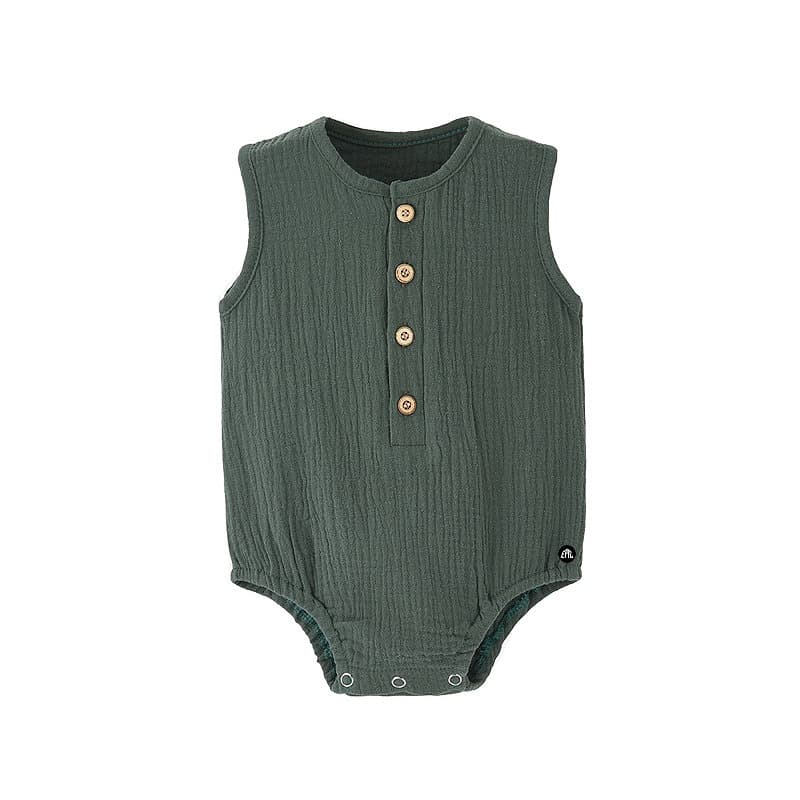
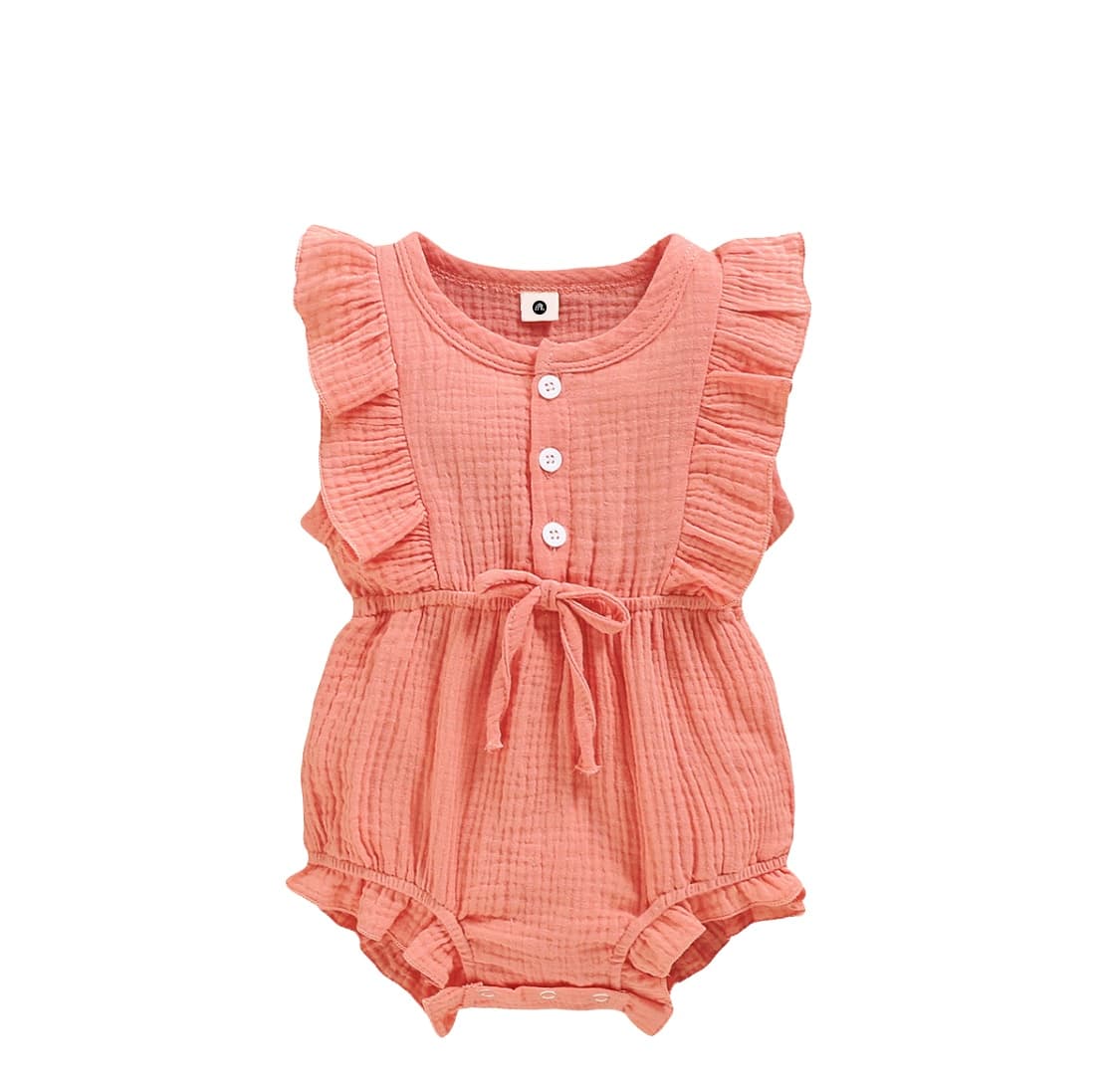
Sizing feels like a small thing until you are standing over a drawer of clothes that no longer fit a baby who seemed to double in size overnight. We keep coming back to the same idea: muslin's open weave lets air move against skin, and a little room to grow matters more than a perfectly matched size that lasts two weeks. When we choose what to stock, that is what we look for first. If you are building out those early weeks, our shop has the muslin pieces we found worked for Bali's heat.
From one parent to another
Dressing a little one for the heat?
Join the EPIC family for honest guides on dressing kids in the tropics, first look at new pieces, and 10% off your first order.
No spam, just the good stuff. Unsubscribe anytime.
Shop the pieces
More from Knowmads Bali
Born in Bali · Tested in the tropics
Muslin cotton, made for the heat
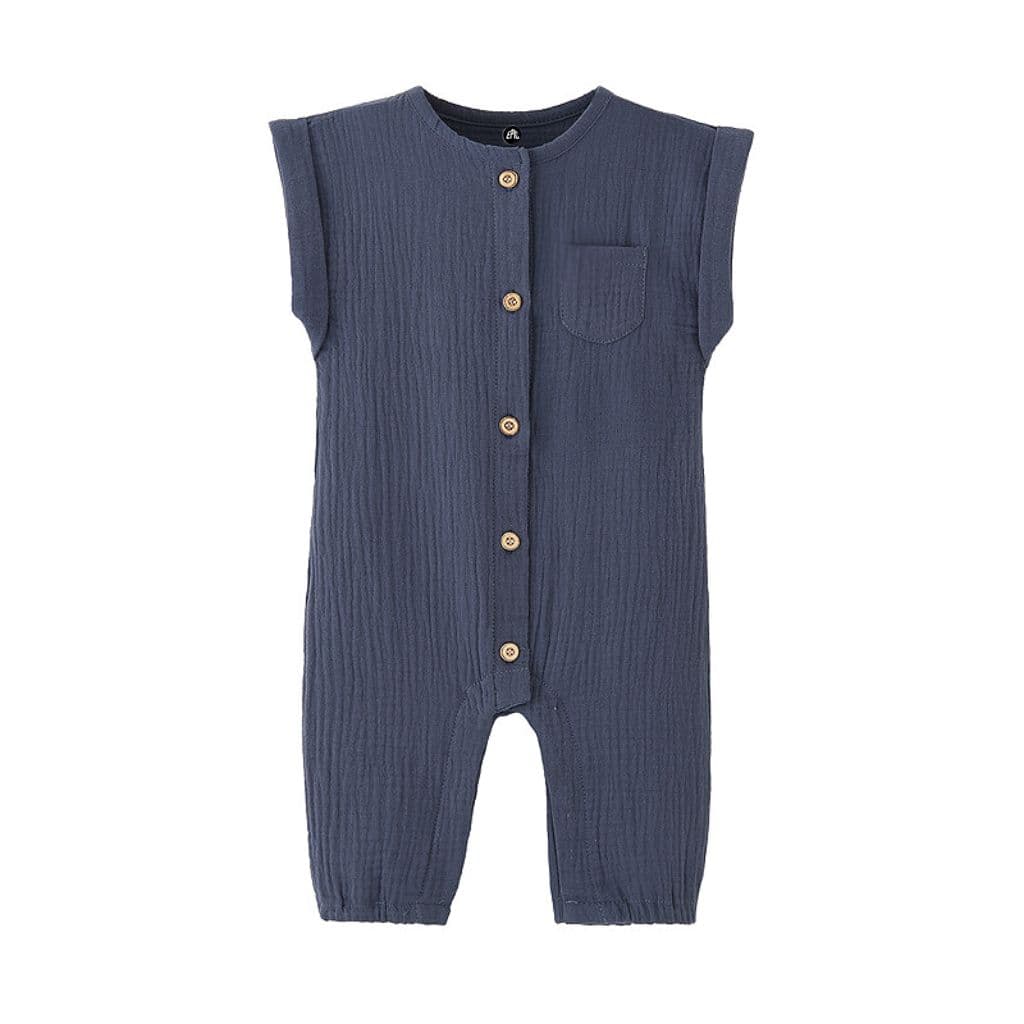
Breathable, soft, and built for real tropical days. Our onesies & playsuits are where most families start.