Why Babies Scratch Their Faces in the Arms-Out Swaddle (And the Fix)
Babies scratch their own faces in an arms-out swaddle once startle reflexes kick in, here's why it happens and the simple fix that keeps hands…

Use lightweight sleepwear with attached fold-over cuffs, or leave your baby’s hands uncovered and smooth every sharp nail edge. Avoid loose mittens in the sleep space because they can come off. If scratching breaks the skin or comes with persistent irritation, contact your paediatrician and follow local safe sleep guidance.
Why the scratching appears with arms out
An arms-out swaddle transition is the move from sleeping with the arms contained to sleeping with them free. It makes every hand movement more noticeable, including brushing or catching the face while settling, waking, feeding, or exploring.
The timing can make the transition look like the cause. Often, the swaddle had simply kept those busy hands away from the face.
You may notice:
- Quick marks from a sharp nail edge
- Repeated rubbing around one patch of skin
- Hands reaching the face during restless periods
- Scratching when your baby feels warm
- Marks after sleeves or cuffs shift
These patterns cannot confirm a skin concern. If one area stays irritated or your baby breaks the skin, show your paediatrician rather than trying to diagnose the cause yourself.
The gentlest practical options
The aim is not to pin the arms down again. Your baby still needs room to move, while smooth nails or soft attached cuffs can help protect the face.
Start with the nails
Even a short nail can have a rough corner. Check every edge in good light and use the grooming method you trust. Ask yourself, “Is there one sharp point catching the skin?”
If you are unsure how to manage your baby’s nails safely, ask your midwife, health visitor, nurse, or paediatrician to show you.
Choose attached hand coverage
Attached hand coverage is a fold-over cuff sewn into the sleeve of a garment. It provides a soft barrier without introducing a separate mitten that could come off in the sleep space.
Look for:
- Cuffs sewn into the sleeves
- A fit that does not pull across the hands
- Lightweight fabric suited to the room
- Flat seams that do not rub
- Space for natural arm and shoulder movement
- Soft fabric against the face and hands
- No loose ties or added fastenings
Do not sew a garment closed or add homemade restraints. Altering sleepwear can change how it fits and moves. Ask a qualified child health professional before making changes.
Balance coverage with comfort
In tropical weather, covered hands can trap extra warmth. A lightweight, breathable layer may feel more comfortable than a heavy sleeve, but the room and your baby’s comfort still matter.
If sleeves feel too warm, leave the hands bare and smooth the nails carefully. Our guide to what to wear a baby in Bali explains how we choose light layers in humid weather.
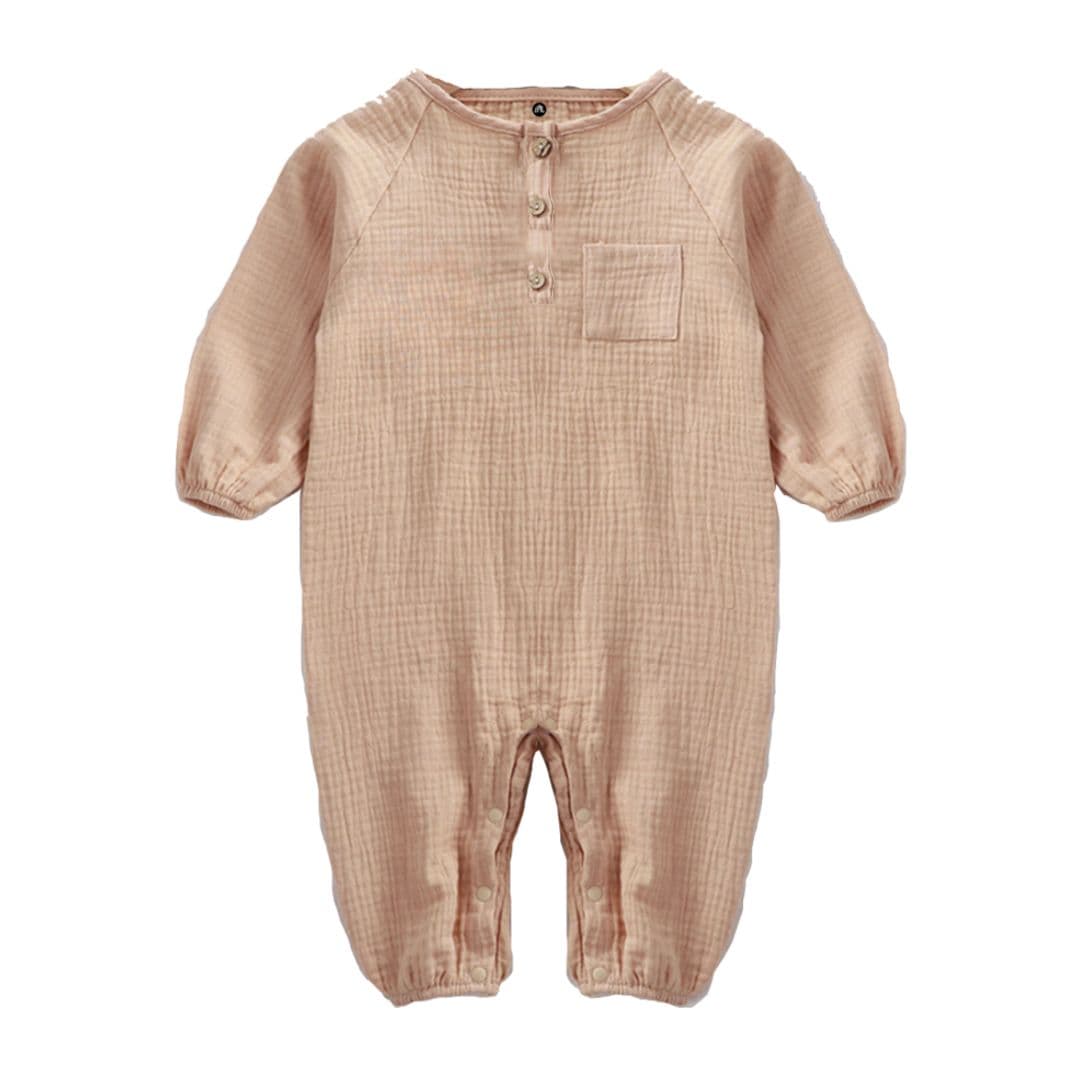
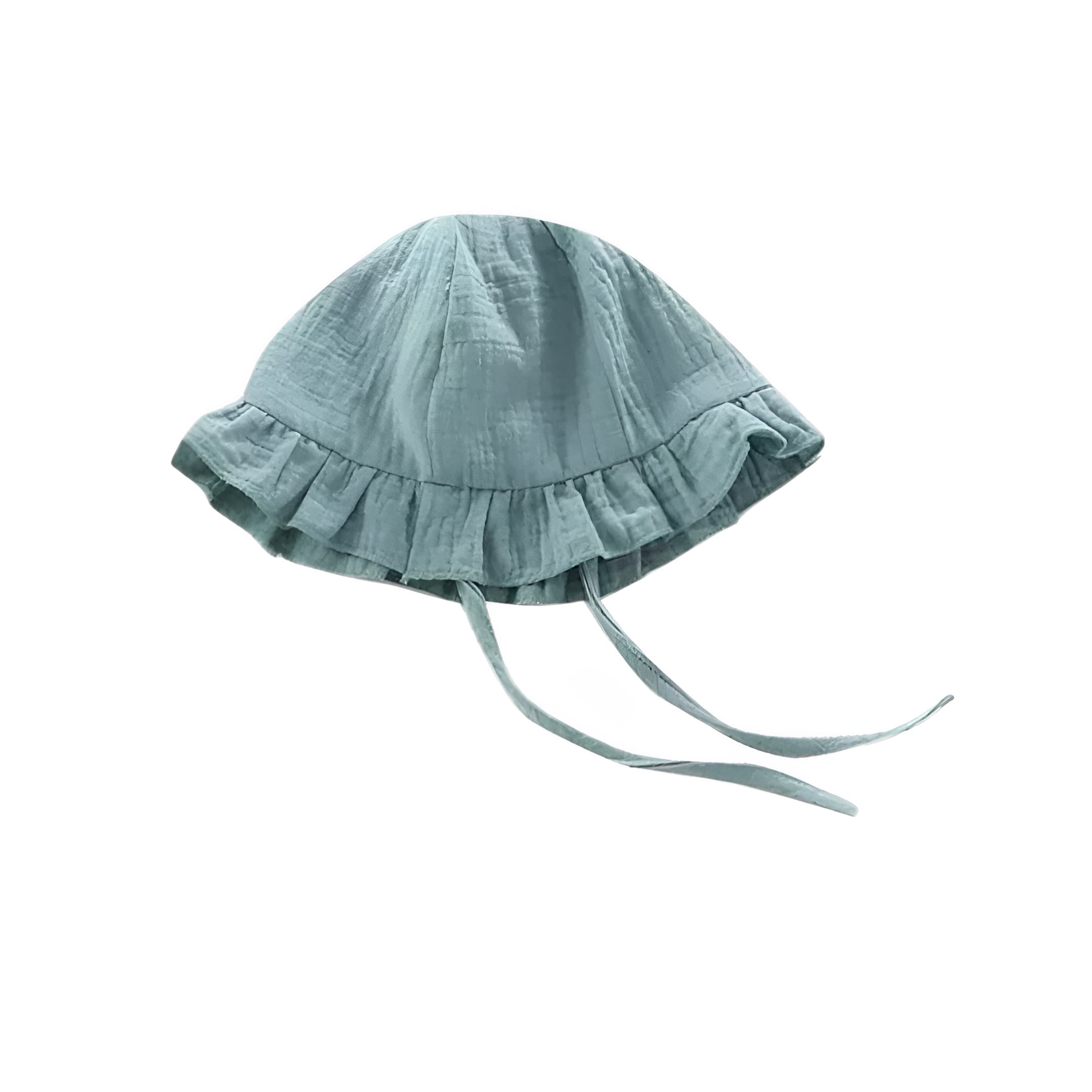
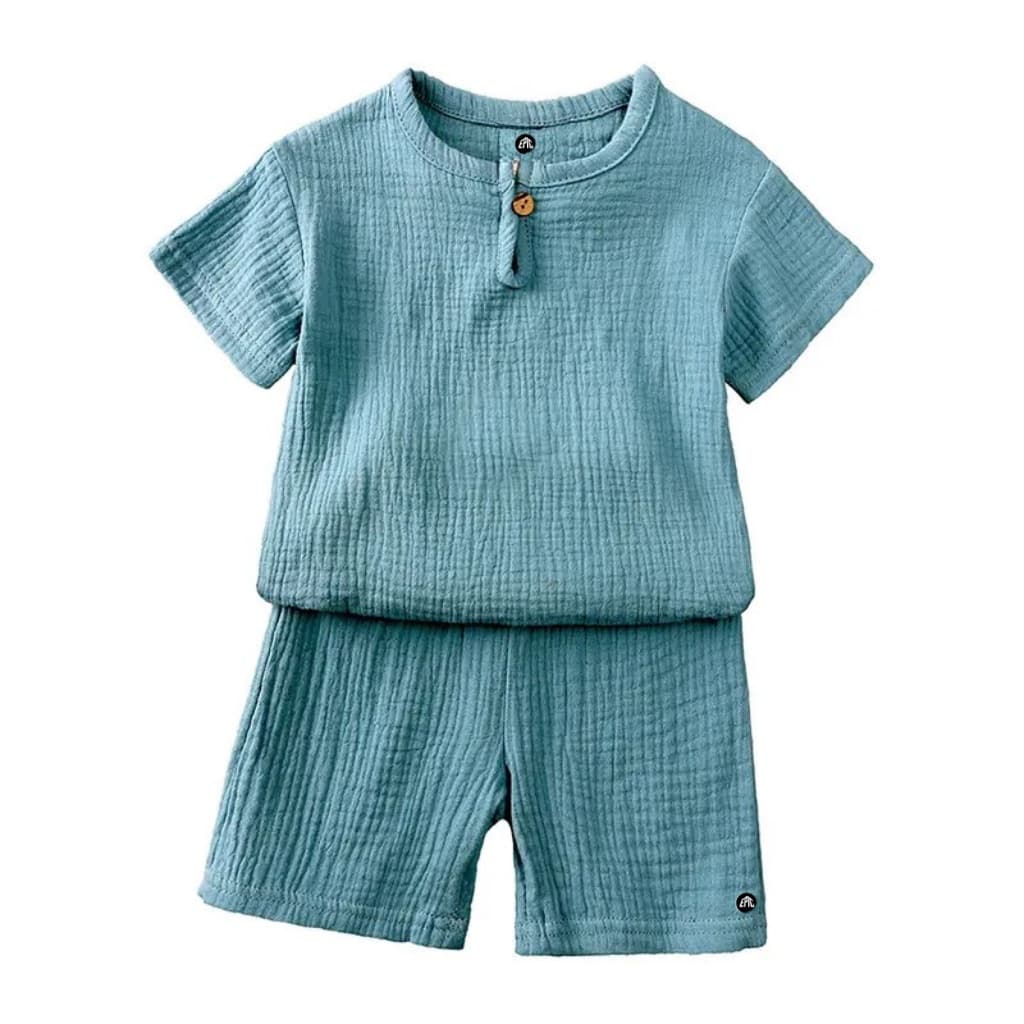
Muslin cotton is cotton made with an open, loose weave that allows air to move through the fabric. It is lightweight, quick-drying, and softens with washing, which makes it a practical choice for warm Bali nights.
Check the swaddle transition itself
A swaddle transition is the period when a baby moves from contained arms to an arms-free sleep setup. Follow the product instructions and current safe sleep guidance for your baby’s stage.
Stop swaddling when your baby shows signs of trying to roll. Ask your paediatrician or local child health professional if you are unsure about the timing or setup.
Separate the problem into two questions:
Is the baby scratching occasionally?
A faint accidental mark is different from repeated, forceful scratching. Note when it happens, whether it affects the same spot, and whether the skin already looked irritated.
Is the current sleepwear still appropriate?
Check that cuffs stay in place, seams sit flat, and the fabric suits the room. Clothing that twists, bunches, or rides up can rub the skin even when the labelled size seems right.
Use the same practical test for the rest of the sleep setup: keep only items that fit safely and suit the room.
Frequently asked questions
Are loose baby mittens suitable for sleep?
Loose baby mittens can come off in the sleep space, so they are not the same as fold-over cuffs sewn into sleepwear. Choose clothing designed for sleep, follow current local safe sleep guidance, and ask your paediatrician about any hand-covering option you are considering.
Should I put my baby’s arms back inside the swaddle?
Scratching alone is not a reason to put your baby’s arms back inside the swaddle. The appropriate setup depends on your baby’s development, signs of rolling, the product instructions, and current safe sleep guidance. Ask a qualified child health professional if you are uncertain.
What if my baby scratches the same area repeatedly?
Repeated scratching in one place needs medical attention when the skin is broken, swollen, weeping, or persistently irritated. Take a clear photo if the appearance changes before the appointment, then show the affected area to your paediatrician.
A note from Bali
Mother’s guilt is universal. One rough nail edge can still catch the skin.
We design Epic’s lightweight muslin clothing here in Bali, with flat seams and room for little arms to move. On humid nights, those simple details can help keep a baby comfortable without adding a heavy layer.
For any diagnosed skin condition or continuing discomfort, follow the guidance of your doctor or paediatrician.
From one parent to another
Dressing a little one for the heat?
Join the EPIC family for honest guides on dressing kids in the tropics, first look at new pieces, and 10% off your first order.
No spam, just the good stuff. Unsubscribe anytime.
Shop the pieces
More from Knowmads Bali
Born in Bali · Tested in the tropics
Muslin cotton, made for the heat
Breathable, soft, and built for real tropical days. Our onesies & playsuits are where most families start.