Will My 3-Year-Old's Snaps Slow Us Down? What To Expect
Will your toddler's snaps and buttons turn changing time into a battle? Here's what really slows families down, and what doesn't.

Yes, a 3-year-old can practise dressing herself, but snaps may slow the morning because they require her to align two small parts, hold the fabric steady and press firmly. On rushed mornings, let her complete one visible snap or another simple step, then help with the remaining fastenings.
Why snaps can feel difficult
A clothing snap is a two-part fastener that closes when both halves are aligned and pressed together. Using one requires several hand movements at the same time.
Your child must match the two halves, hold the fabric still and press in the right place. Understanding the task does not mean their hands can complete it quickly.
Position matters. Front snaps are easier to see than snaps beneath a romper. Laying the garment flat also gives your child a clear view of both halves.
Some snaps need more pressure than others. Fabric may bunch between them when a child is standing or twisting, especially with breakfast waiting.
Snaps are not a poor choice. They simply require a different skill from pulling up an elastic waist, and that skill takes practice.
Our guide to snaps versus zippers on baby onesies compares common fastenings.
How to support independent dressing
Independent dressing is the process of a child gradually learning to choose, put on and fasten clothing. It does not mean completing every step without help.
Let your child manage the steps they can, then help with the rest.
Practise when nobody is waiting
A busy morning is a hard time to learn. Place an unworn garment on the floor so your child can see both halves of each snap. Once that feels familiar, let them try while wearing it.
A simple sequence can help:
- Lay the garment flat and smooth the fabric.
- Match the two halves of one snap.
- Hold the fabric beside the snap, not at the edge.
- Press the halves together.
- Check that no fabric is caught inside.
- Leave firm or hidden snaps for an adult.
Keep the task small. Closing one snap still counts as taking part. If your child loses interest, you can finish without turning the moment into a struggle.
Your child might choose the outfit and step into it while you close the snaps. Another child may prefer practising with the garment on the floor.
If getting dressed becomes a chase, the standing trick for getting dressed may make the routine easier.
Give the morning two versions
We all know the morning when patience disappears before the missing sandal appears. It helps to have an unhurried routine and a leaving-now routine.
When there is time, your child can try each visible snap. When you need to leave, offer one job, such as finding the top snap. You can close the rest.
Parent guilt can feel universal, but helping with a difficult fastening is okay. It can feel as though more time or patience should have been possible. A child does not need every morning to become a lesson.
What to look for in snap clothing
Before choosing snap clothing for daycare or a busy outing, check:
- Whether the snaps are visible and easy to reach
- Whether they close without excessive pressure
- Whether the fabric lies flat around them
- Whether the opening allows comfortable dressing
- Whether the cut leaves room to move
- Whether every snap is firmly attached
Fit matters too. Clothing that pulls when a child bends or squats can frustrate them even when the snaps work well. Our guide to why pants pull during a squat explains how to check movement instead of judging fit only at the waist.
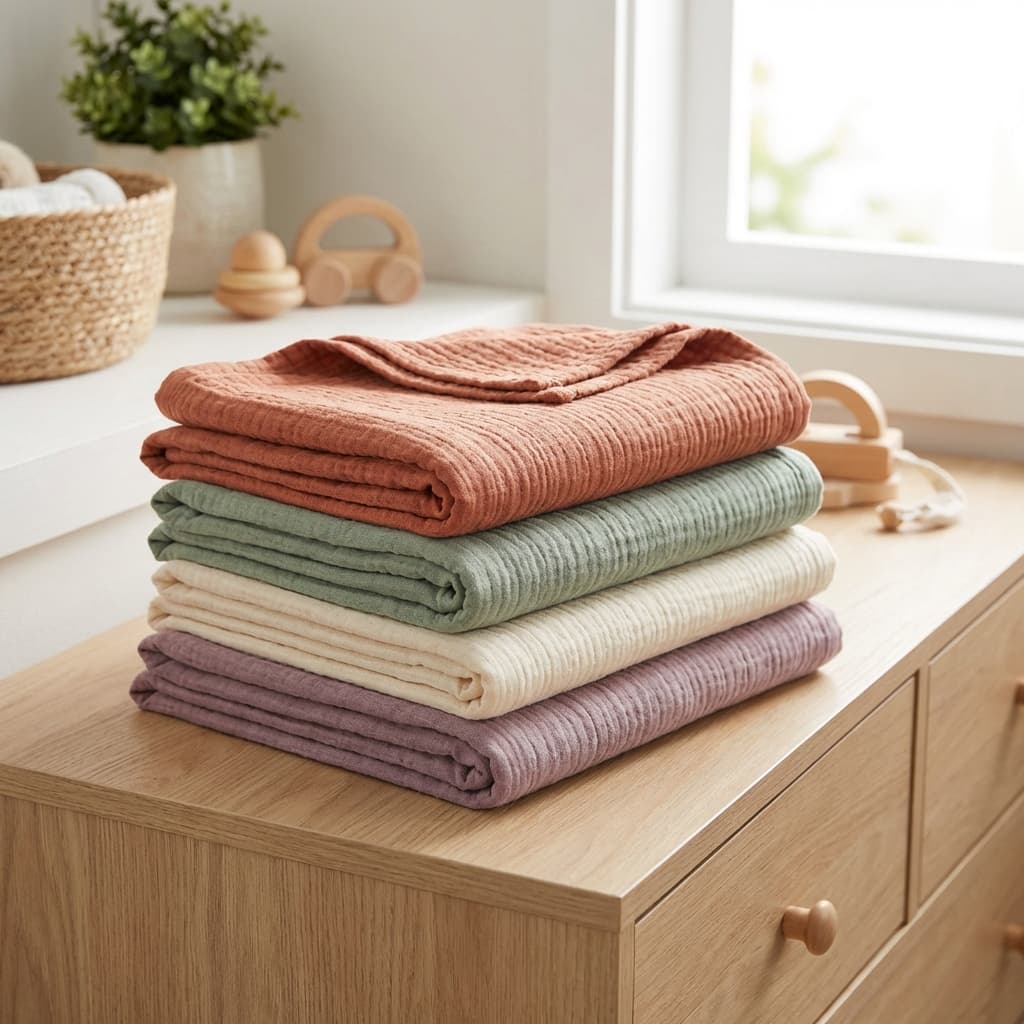
Muslin is cotton woven in an open, loose structure. The gaps let air pass through, while the lightweight fabric dries quickly and softens with washing.
For warm Bali mornings, Epic sources double-layer muslin clothing. Epic’s clothing is pre-washed for softness and sewn with flat seams. Muslin creases easily, which is normal. It can also feel gentle on sensitive skin for comfort.
FAQs
Should a 3-year-old be able to close every snap alone?
A 3-year-old does not need to close every snap alone. Snap position and firmness affect the difficulty, and progress may mean matching the halves, closing one visible snap or asking for help before frustration builds.
Are front snaps easier than bottom snaps?
Front snaps are usually easier for a child because they are visible and within reach. Bottom snaps sit outside a child’s direct view and require more fabric control, so an adult may need to finish them.
What if my child refuses to try?
If your child refuses to try, make the task smaller and remove the pressure. Ask them to find the matching halves while you press them together, or let them practise on an unworn garment when nobody is waiting.
A note from Bali
Getting dressed takes practice, and rushed mornings happen. Epic’s double-layer muslin clothing is lightweight and pre-washed. For any diagnosed skin condition, follow your doctor’s or paediatrician’s guidance.
From one parent to another
Dressing a little one for the heat?
Join the EPIC family for honest guides on dressing kids in the tropics, first look at new pieces, and 10% off your first order.
No spam, just the good stuff. Unsubscribe anytime.
Shop the pieces
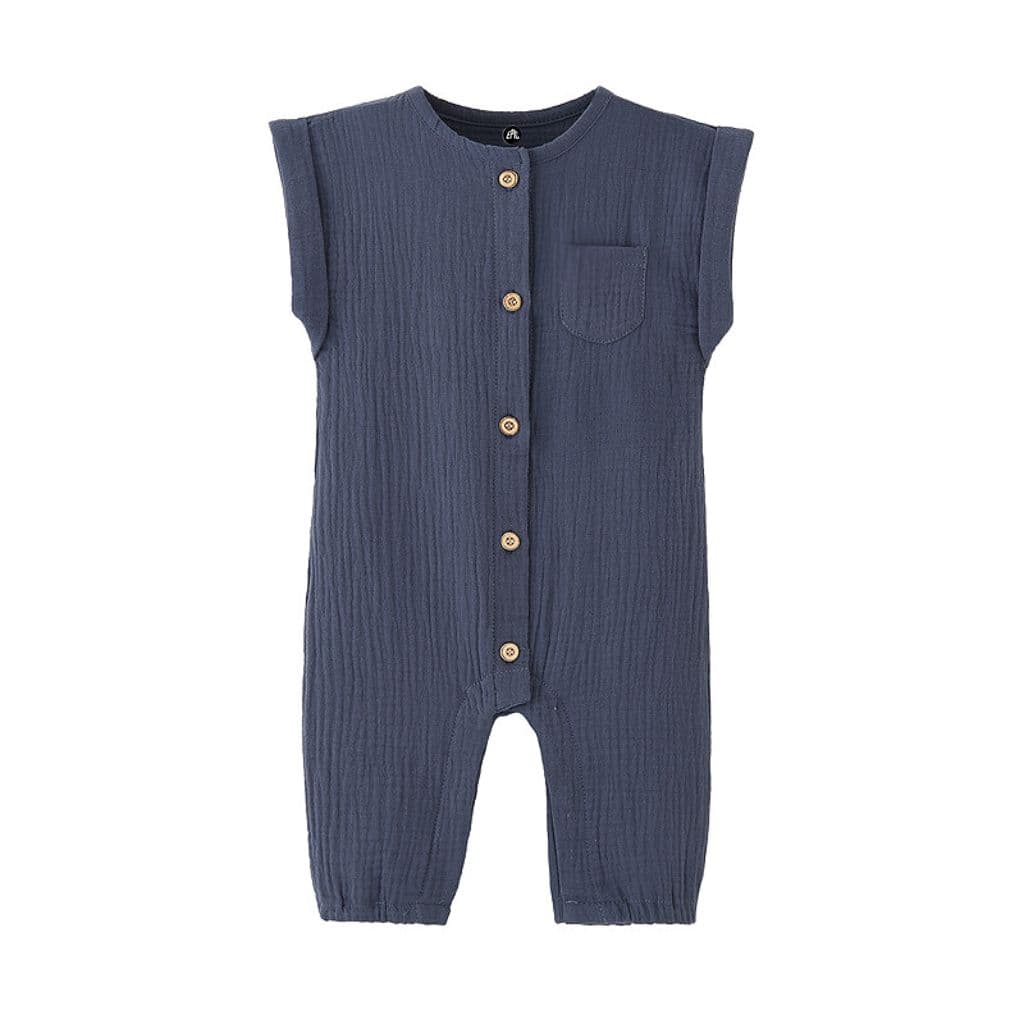
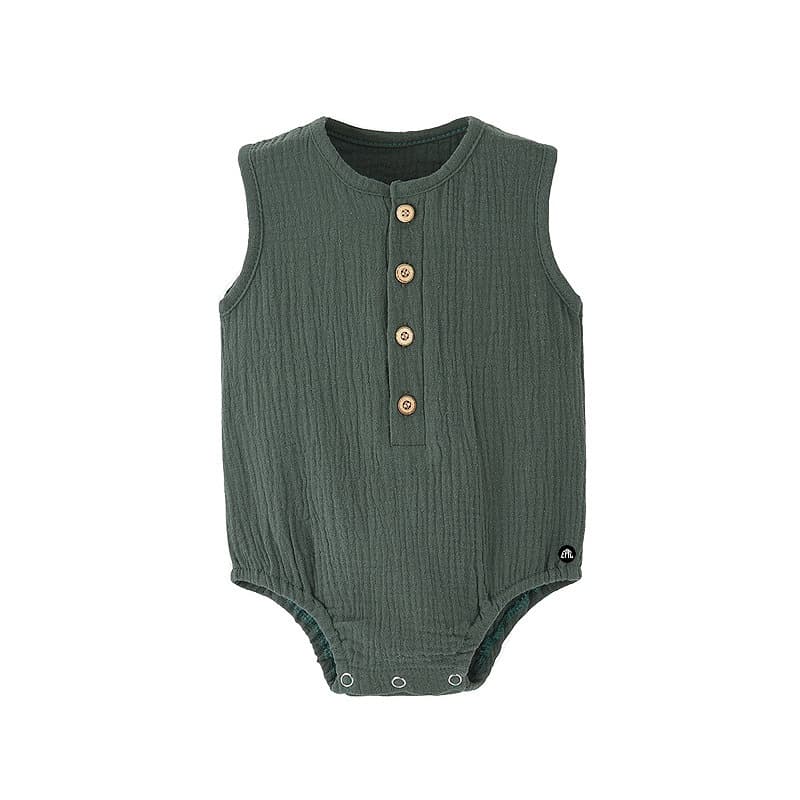
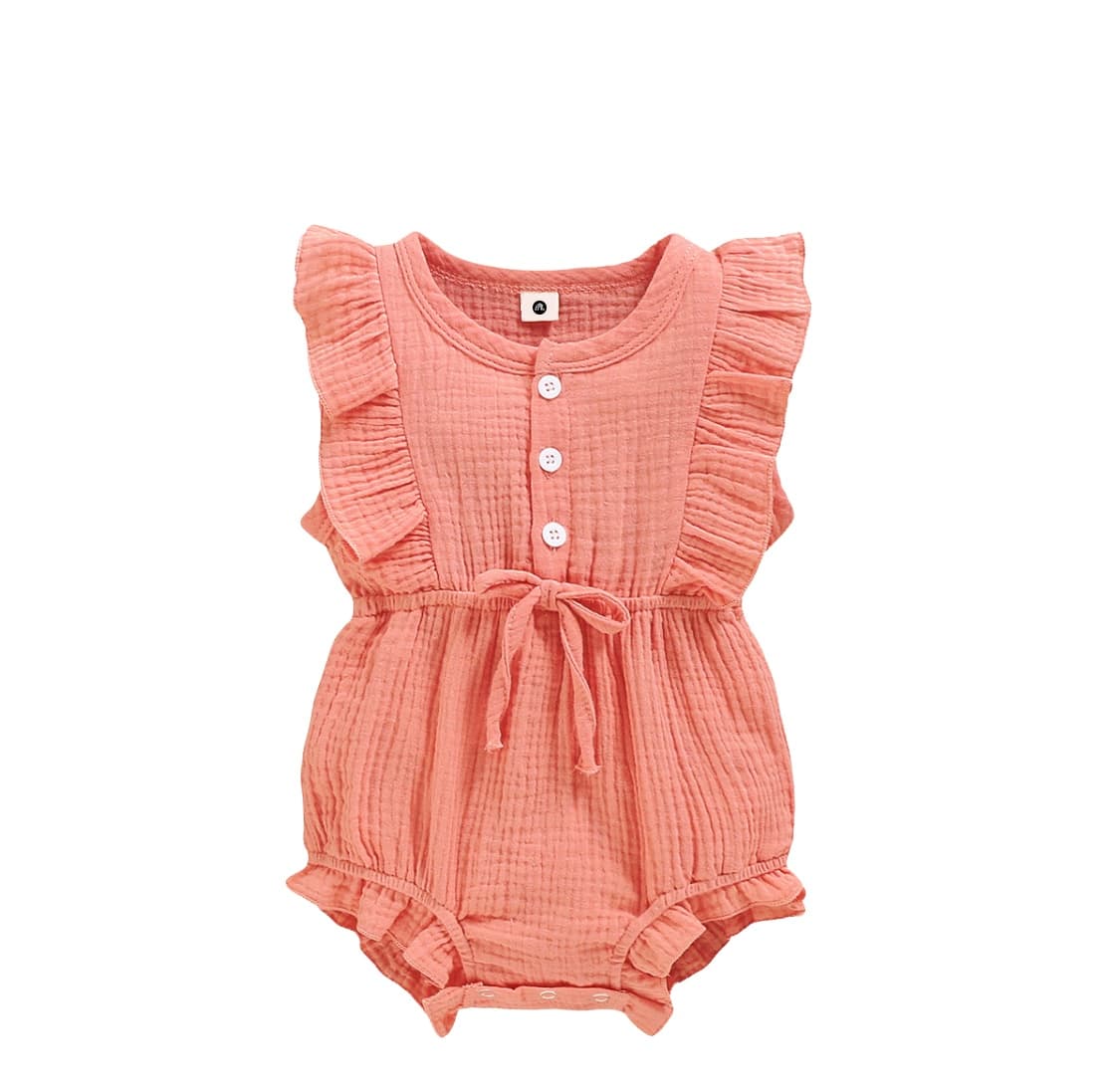
Shop by type: Muslin rompers·Muslin onesies
More from Knowmads Bali
Born in Bali · Tested in the tropics
Muslin cotton, made for the heat
Breathable, soft, and built for real tropical days. Our onesies & playsuits are where most families start.