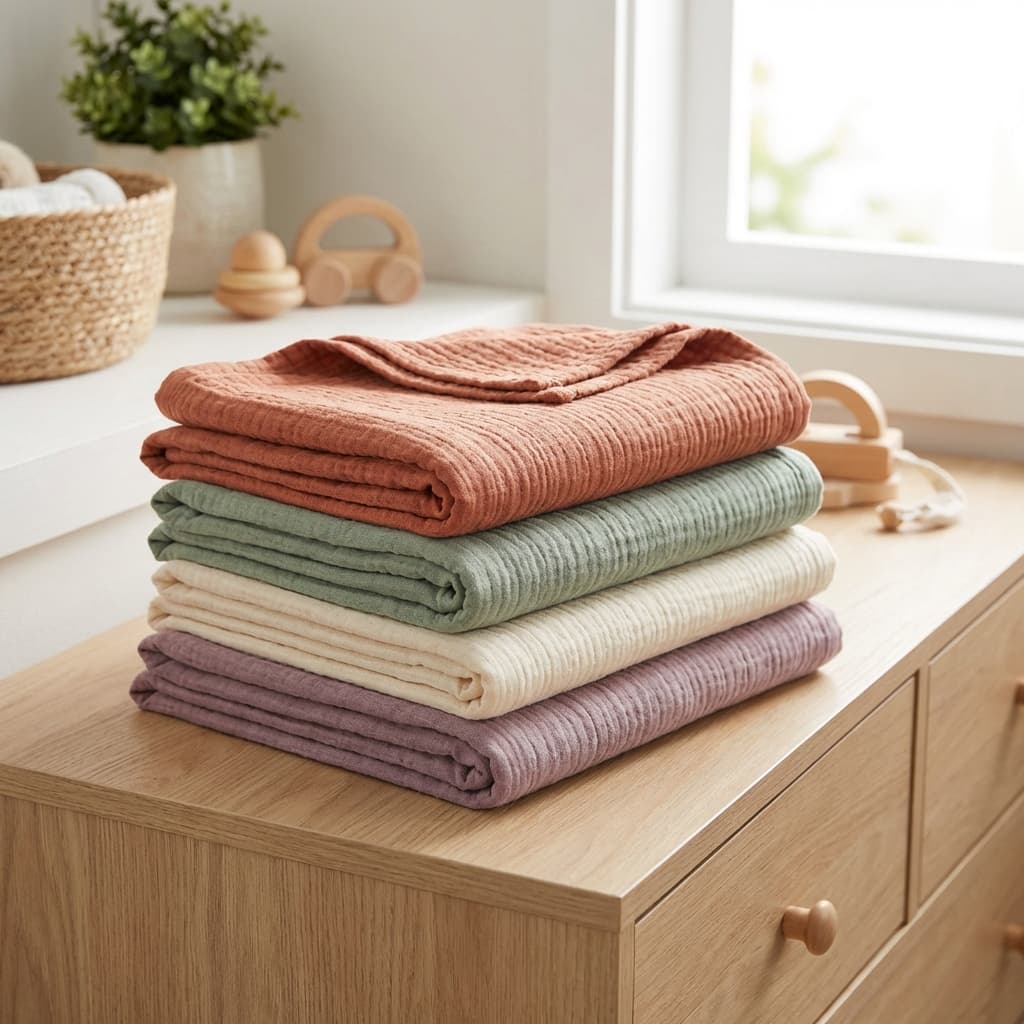
We say it's a choice, but only one of us really gets to make it.
Feeling like parenting choices are only really yours to make in name? Here's how to talk it through, share the mental load, and get a real say.

For some families, staying home with the kids is a real choice, and one income covering the bills can make it possible. It still helps families discuss work, care, savings and security before deciding about paid work.
A choice is not shared when one parent absorbs the consequences
Families can reduce this decision to a monthly calculation. If the bills are covered, staying home can seem sensible. But paying today's bills is not the whole question.
Saving nothing can make every unexpected expense feel heavier. Staying home may also limit future plans or personal independence. Returning to work brings different pressures, such as childcare and household organisation. Neither path is automatically safer or more loving.
The harder question is who carries the uncertainty. One parent may leave paid work while the other keeps their income and financial independence. The consequences are not equal. Calling the choice shared does not make it so.
We feel strongly about mothers' guilt because it shifts whichever way a mother turns. Staying home can bring anxiety about money or dependence. Returning to work can bring guilt about time and attention. It is tied to the struggle of being a mum and a person at the same time.
Neither kind of guilt proves the decision is wrong. It shows that the choice matters and that neither option is painless.
We treat care, money and freedom as the same conversation
Avoid settling the question with one sentence: "We can manage on one income." Managing is not the only measure.
Talk plainly about what each option asks of both parents. Consider paid work and childcare, then domestic work and financial security. Also ask whether the arrangement will still feel fair once it becomes ordinary.
Unpaid care should not be treated as the flexible part of the plan. It is work that keeps family life moving, even without a payslip. Returning to paid work should not place all that existing work on one parent's shoulders.
A useful principle is simple. If one person's choice costs the other more freedom, the person keeping more freedom must help make the arrangement fair.
That could mean dividing domestic work differently or protecting time for each parent. It could also mean agreeing on savings and access to money. Every family will choose its own arrangement, but both parents need a real say.
Paid work should not be judged by the quality of every hour spent with a child. Parents already put too much pressure on themselves to make family time special. Ordinary time with a child still counts.
The usual advice to follow your heart is overrated
Advice to "just do what feels right" can overlook how guilt, fear and expectations shape the decision. Feelings matter, but guilt and fear shape them. So do the expectations parents inherit about who should provide care.
We would name what each path costs without softening it. Staying home may protect family time but reduce financial independence. Returning to work may strengthen that independence while adding practical pressure. These are trade-offs, not failures.
In Bali, practical details can change the decision. Visa conditions and childcare arrangements should be checked through current official sources. Professional advice also matters when a decision depends on rules that may change.
The parent considering paid work should not have to prove that the household needs the income. Wanting professional identity or financial independence deserves a serious conversation. Paid work does not need to be an emergency measure before it becomes legitimate.
Staying home does not need to be defended as a sacrifice or praised as the more devoted choice. A parent can want it and find it right for their family. It still needs to remain a choice that can be reconsidered.
We still do not know how to make every trade-off feel fair
There is no simple formula that removes resentment, guilt or doubt. We do not think one exists.
A fair decision can still feel unequal because the available choices are unequal. Both parents may agree, yet one may still lose more. A plan can work for a while and then stop working.
Changing the plan is not failure. A decision for one stage of family life does not have to become a permanent identity. The hard part is knowing whether discomfort is temporary or a sign that the arrangement must change.
Leave that question open and keep discussing it honestly. A real choice lets both parents speak and change their minds.
FAQs
Does saving nothing mean staying home is no longer realistic?
Saving nothing does not necessarily mean staying home is unrealistic, but it means the conversation must go beyond covering current bills. Both parents need to discuss future security and how much uncertainty they can accept.
Is it selfish to return to work when one income is enough?
Returning to work when one income is enough is not selfish. Financial need is not the only valid reason to work because identity and independence matter too. Both parents should decide how they will share paid work and unpaid care afterward.
How often should we revisit the decision?
There is no timetable for revisiting the decision that suits every family. Reconsider it when resentment or fear persists, or when family circumstances change. An earlier agreement should not silence either parent later.
A Note from Bali
If you need one lighter decision today, our children's clothes are designed in Bali.
From one parent to another
Dressing a little one for the heat?
Join the EPIC family for honest guides on dressing kids in the tropics, first look at new pieces, and 10% off your first order.
No spam, just the good stuff. Unsubscribe anytime.
Shop the pieces
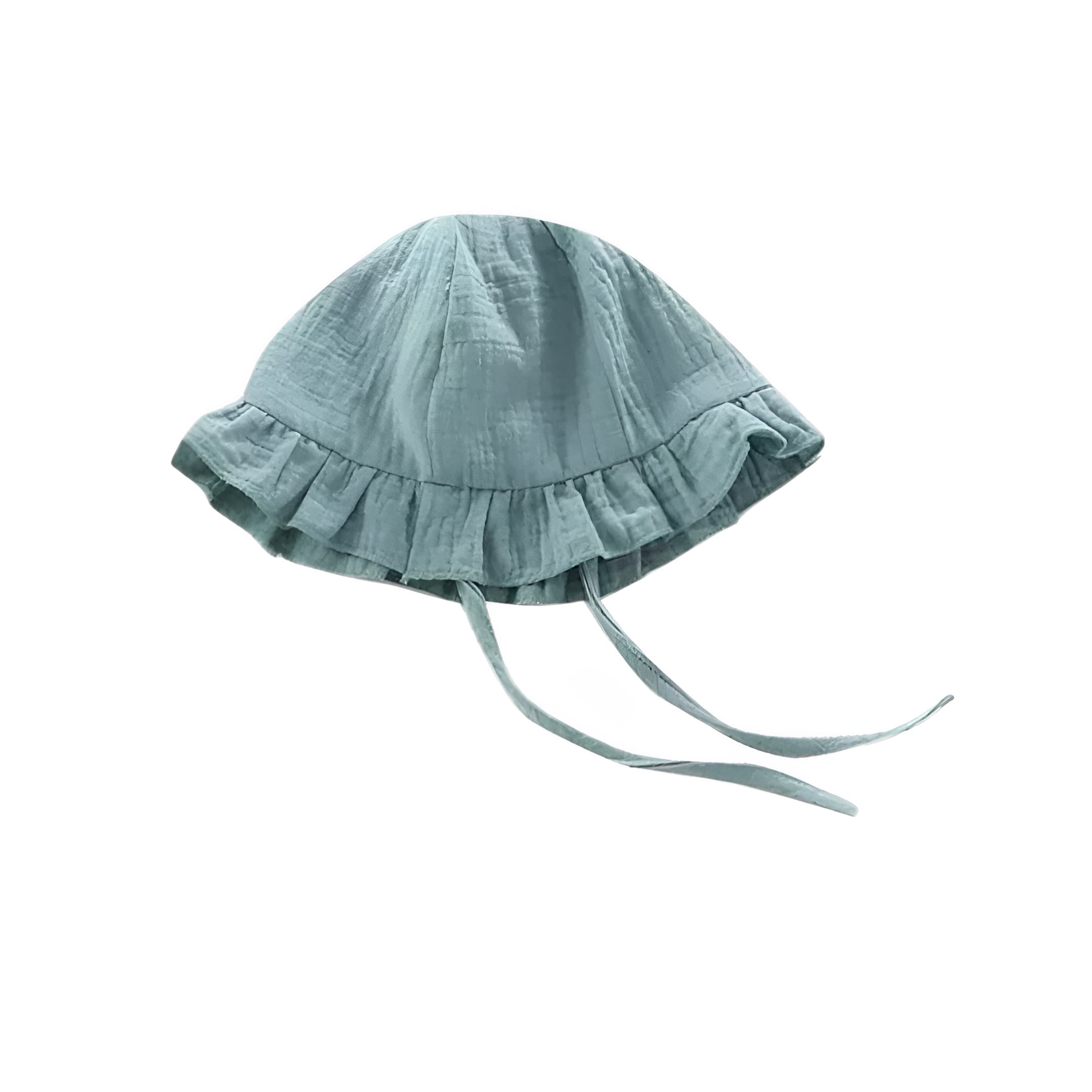
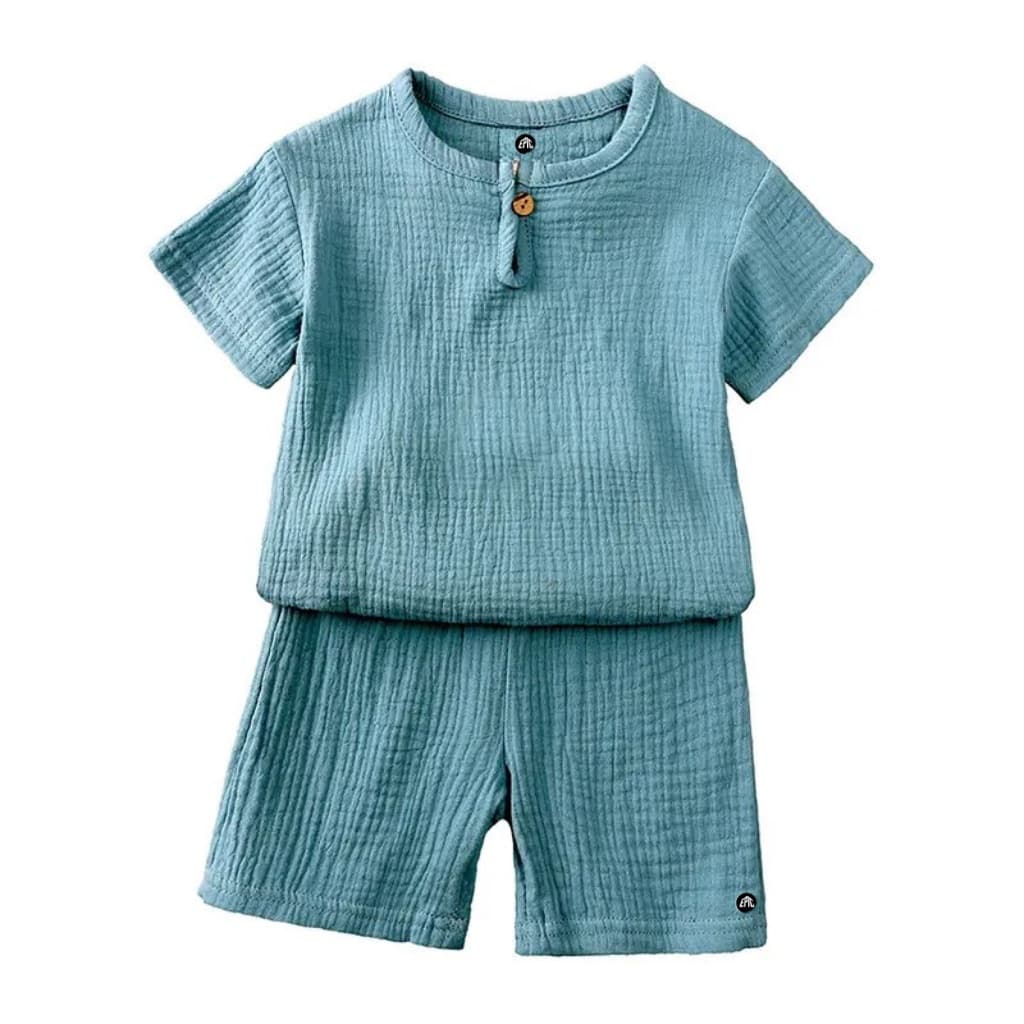
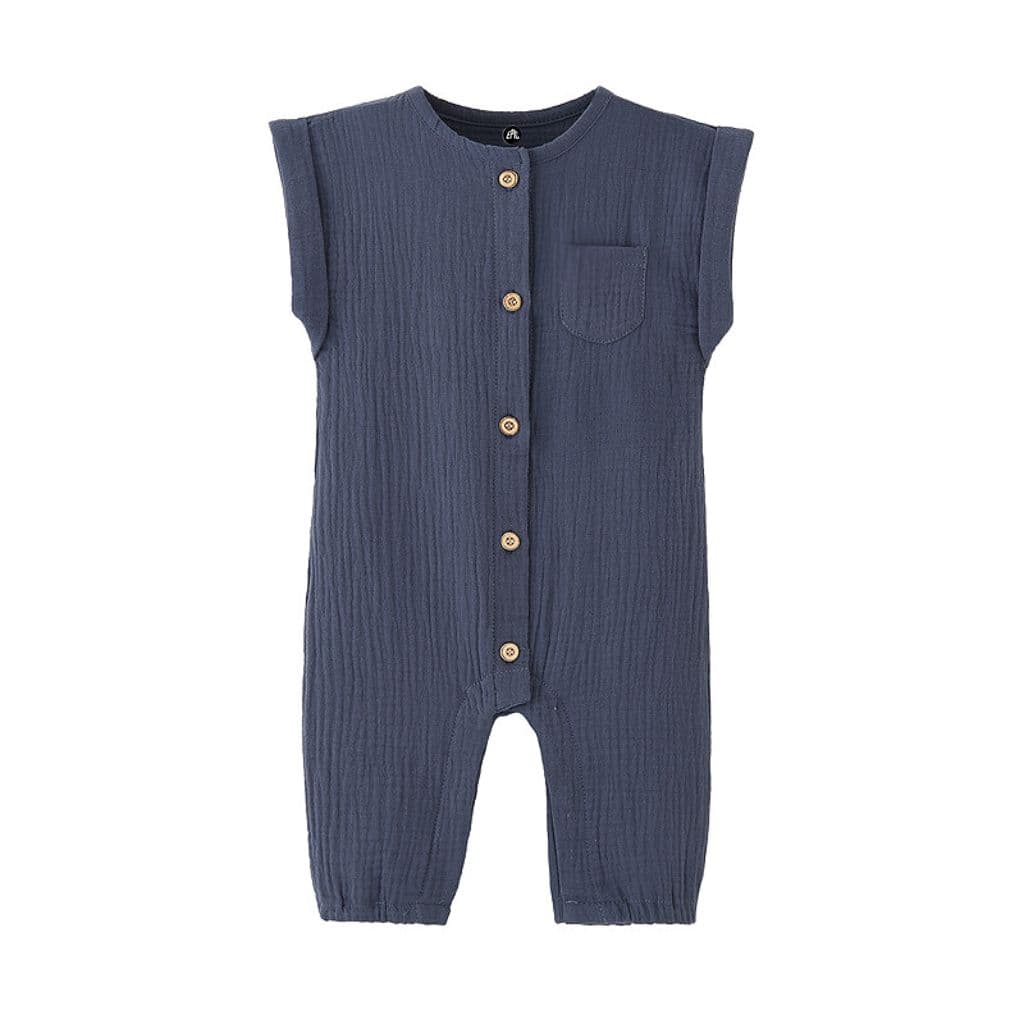
Shop by type: Muslin sun hats·Muslin sets·Muslin rompers
More from Knowmads Bali
Born in Bali · Tested in the tropics
Muslin cotton, made for the heat
Breathable, soft, and built for real tropical days. Our onesies & playsuits are where most families start.