Protecting the nap schedule shouldn't cost a mum her village
Keep your toddler's nap schedule and your social life: practical ways to protect sleep routines while staying connected to your mum friends and…

Keep your toddler’s familiar nap and bedtime cues most days, tell friends which invitation windows usually work, and sometimes choose connection over perfect timing. In Bali, a flexible yes can protect both family rhythm and expat friendships. The routine should support your family’s life, not quietly remove you from it.
A routine should protect belonging too
Sleep advice often treats consistency as the only goal. It rarely counts the declined invitations, missed conversations, or feeling that everyone else is carrying on without you.
For expat mums, friendship is not optional. A friend can understand why an ordinary week feels heavy or remind us that parenting logistics are not our whole identity. That connection matters, even when a small child’s routine matters too.
Mum guilt can feel universal. Whatever we choose, a voice often suggests the other choice was better. Stay home and we wonder if we are withdrawing. Go out and we wonder if the evening will be harder. The argument changes, but the guilt stays.
The answer is not to accept every invitation. It is to stop treating each one as a test of friendship or parenting.
Clear windows feel kinder than constant apologies
One option is to offer the part of the invitation that feels possible: join earlier, arrive after a nap, stay briefly, or wait to see how the day unfolds.
A conditional yes is not rude. It is honest.
A simple message can hold the whole boundary: “We would love to come. We will see how the nap goes and confirm closer to the time.” Good friendships usually have room for that truth.
This gets easier when friends know the pattern. This can reduce the need for repeated explanations or excuses. The disappointment does not always get easier. Sometimes no compromise works. A parent misses something they wanted, and it hurts.
Try not to make one disrupted day a verdict on the whole routine. Parents carry enough pressure without treating an imperfect bedtime as proof that they chose badly. The same kindness belongs in conversations about being judged for a sleep setup.
Perfect consistency is overrated
The usual advice can sound absolute: protect the routine at all costs, or abandon it and teach flexibility. We disagree with both.
Most families need room to change their choice from week to week. Familiar bedtime cues can stay while the place or timing shifts occasionally. An invitation may feel worth the disruption one day but not another. Neither choice needs to become a family philosophy.
We would tell a friend to consider what the invitation means, not only what the clock says. A casual plan that happens often can usually wait. A rare chance for real connection may deserve more room. That is choosing based on the day in front of you.
Parents can also protect their own capacity. Saying yes when already stretched can make an invitation feel like another obligation. Saying no every time can make returning feel awkward. Ask, “Which choice leaves this family feeling most supported today?”
Changing sleep patterns can make the choice feel harder. Thinking separately about a temporary nap adjustment and the wider question of belonging may help.
There is no painless balance
There is no version where every nap stays familiar, every invitation works, and every friendship remains easy.
Some weeks lean towards routine. Others include shared meals, gatherings, and imperfect evenings. Speaking plainly about the choice gets easier. Accepting missed moments may not.
Healthy friendships can make room for a flexible answer. A real village does not ask a mum to prove her affection by ignoring every family boundary. It also does not disappear when she sometimes chooses connection over a smooth evening.
Parents are already told to perfect every moment. Sometimes protecting the ordinary parts of family life means keeping a nap. Sometimes it means sitting with people who help us feel known.
There is no single right balance for every invitation. Constant consistency can lead to isolation, while constant agreement can lead to resentment.
FAQs
What can I say when an invitation overlaps with nap time?
When an invitation overlaps with nap time, a warm, specific answer is enough: “We would love to join, but that timing may not work for us. Could we come earlier or meet another day?” This gives the friendship another option without demanding a long defence of the routine.
Will friends stop inviting me if I often give a conditional answer?
Friends may invite you less often after repeated conditional answers, and that can hurt. Make your interest clear by suggesting another window, checking in afterwards, or starting the next plan yourself. This shows that the uncertainty is about timing, not affection.
Should I change the routine for an important gathering?
For an important gathering, weigh what it means to you against how manageable the routine change feels for your family. There is no answer that fits everyone. For questions about a child’s sleep or safety, follow current official guidance and speak with a paediatrician.
A Note from Bali
If a soft, light wardrobe could make part of your Bali day simpler, the Epic shop is here whenever you want to look.
From one parent to another
Dressing a little one for the heat?
Join the EPIC family for honest guides on dressing kids in the tropics, first look at new pieces, and 10% off your first order.
No spam, just the good stuff. Unsubscribe anytime.
Shop the pieces

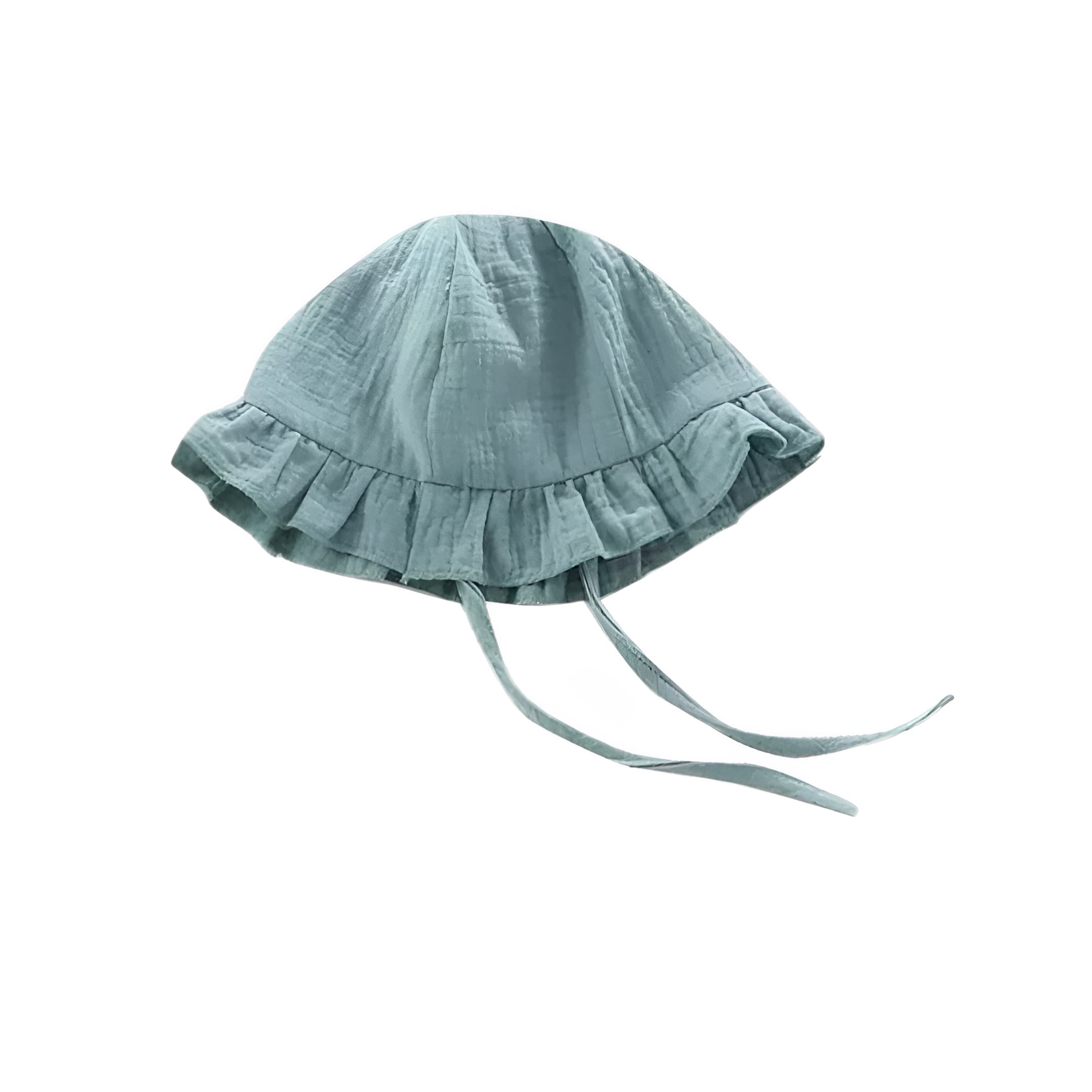

Shop by type: Muslin pajamas·Muslin sun hats·Muslin sets
More from Knowmads Bali
Born in Bali · Tested in the tropics
Muslin cotton, made for the heat
Breathable, soft, and built for real tropical days. Our onesies & playsuits are where most families start.