Fair Turns at 2am: A Night-Wake Plan Before Baby Arrives
Fair turns don't fix 2am wake-ups, build a night plan before baby arrives so tired parents split shifts without resentment or guesswork.

Fair Turns at 2am: A Night-Wake Plan Before Baby Arrives
What's a fair share of night wakings when the baby comes
There's no fixed fair share of night wakings when a new baby arrives, since feeding load usually isn't split evenly between parents. What can be fair is the plan for handling them. Most couples do better splitting the night into shifts than splitting each waking down the middle: one parent takes the first stretch, the other takes the second, and the split resets every 24 hours so nobody carries the whole week alone.
Why "we'll just wake up together" doesn't survive week two
It sounds fair on paper: both of you up, both sharing the load. Most people try it for a few nights, then quietly drop it. Two half-awake adults fumbling with a swaddle at 3am isn't twice as efficient. It's twice as tired, for the same amount of sleep lost.
A shift is a block of night duty where one parent is fully off and fully asleep, ideally in another room, earplugs in, phone on do-not-disturb except for a true emergency, while the other stays on duty until a set handoff, no exceptions. It's the version that holds, not the duet where both of you are up. This is where fairness gets tricky for breastfeeding families: if one parent is feeding, the "shift" isn't equal in effort even when it's equal in hours. Don't pretend it's equal. Make the non-feeding parent's shift count for something real: the last settle before sunrise, or every diaper change and resettle that doesn't need a feed. That's how the work evens out over a week, not a single night.
Setting the split before the baby arrives, not after
Talk about it now, while you're both rested enough to be reasonable. A conversation at week two, after four nights of two hours' sleep each, turns into a scorekeeping argument nobody wins. Decide the shape of the split while you're still calm:
- Pick the split window. Common versions are "before midnight / after midnight" or "first half of the night / second half," swapped weekly so nobody is stuck with the worse stretch every time.
- Decide who's "on" for non-feeding wakes. Settling, diaper changes, and rocking back down don't require the feeding parent, so hand those to whoever isn't on shift.
- Set a hard handoff time and stick to it, even on a bad night. A shift that gets renegotiated in the moment isn't a shift.
- Agree on the emergency exception in advance. A real emergency wakes both of you, no debate, because you already agreed what counts.
- Revisit weekly, not nightly. Adjust the plan when something stops working, not every time a night is hard.
What actually helps during a shift, not just who's doing it
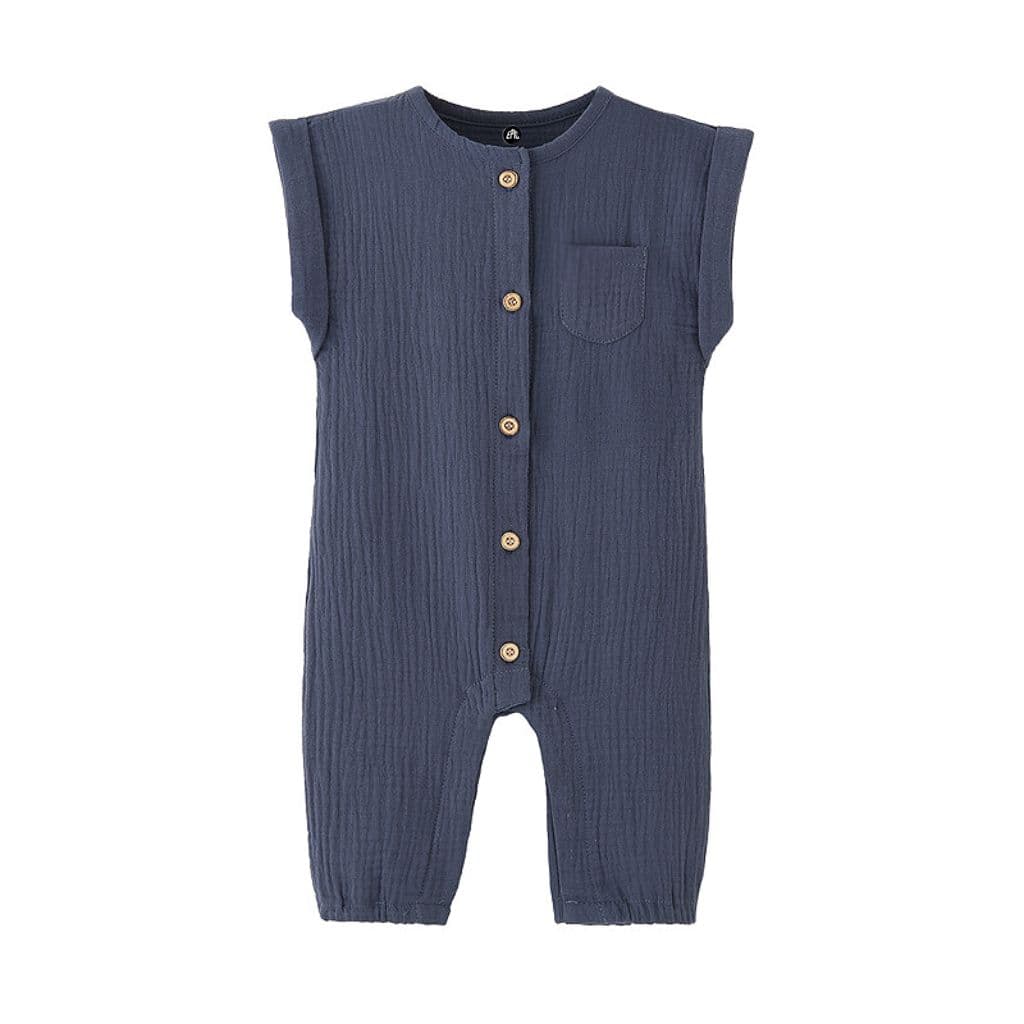
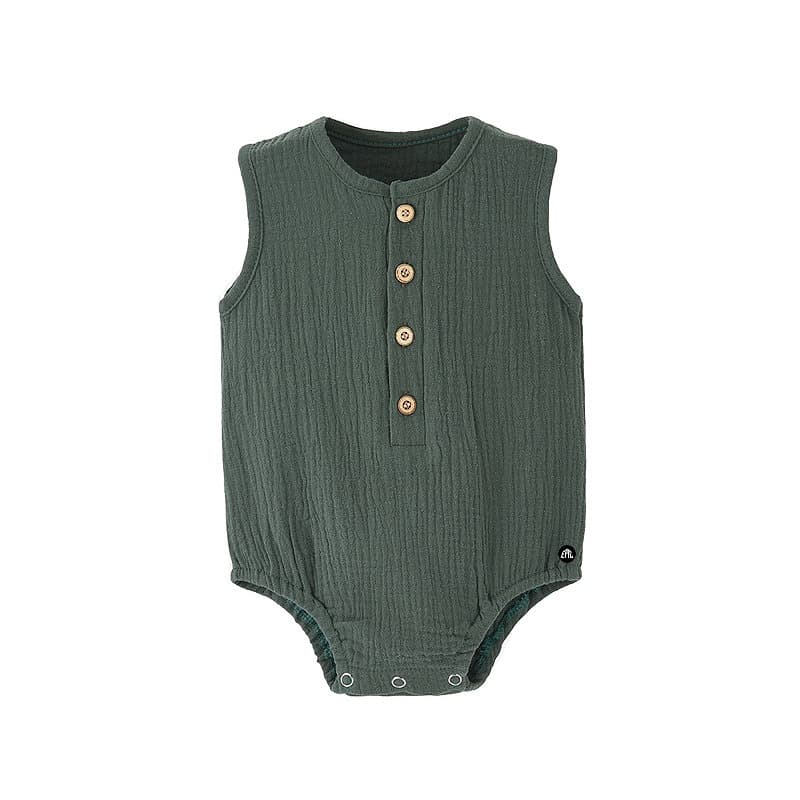
The physical setup matters as much as the schedule. Clothes that come off and go on fast, without fully waking the baby, make the 2am handoff easier for whoever's on shift. Snap layers beat zippers here: fumbling with a stiff zipper at 3am is its own small tax on an already hard night, which is why snaps versus zippers on baby onesies is worth reading before the baby comes. Humidity keeps a room feeling warm well after the temperature itself drops, which is part of why a warm, humid room fights everyone's sleep too. If overheating might be part of what's dragging the wakings out, read what actually works when baby's too hot to sleep before the baby arrives, not in week three of exhaustion.
When the split needs to bend
Some nights won't fit the plan. Growth spurts, teething, a cold, or a night when one parent has an early flight or a hard day ahead all mean the split needs to flex without turning into a fight about fairness. The couples who keep this working longest treat the shift plan as a default, not a contract: check in briefly during the day about whether it's still working, instead of relitigating it at 2am. If you're also sorting out early newborn clothing on top of night wakings, jabla, romper, or swaddle for the first weeks covers the daytime decisions that make nighttime changes faster too.
FAQs
What if one parent is breastfeeding and can't take a full shift off? When one parent is breastfeeding and can't take a full shift off, the off-duty parent still handles everything around the feed: bringing the baby over, resettling after, changing diapers, and taking the next shift solo when they can. The feeding parent isn't off the hook for every wake, but they shouldn't be doing the diaper change and the resettle every time too.
Should we track who did what, or does that just cause fights? A light tally of who did what for the first few weeks can help you catch a real imbalance before resentment does. Most families drop the tally by month two, once the shift split is routine. If tracking turns the night into a competition, stop tracking and just check in during the day instead.
What about the parent going back to work sooner? When one parent is going back to work sooner, it's reasonable for that parent to take the lighter shift on work nights, as long as it's named as a temporary trade, not a permanent excuse. Fairness over a week matters more than fairness over any single night.
A note from Bali
We know the shift-plan conversation is easier to have in theory than at 2am with a crying baby between you. What we can help with is the physical side: getting a baby dressed at 3am without a fight. We source easy-on, easy-off muslin cotton pieces for exactly that moment. If that's useful to you, have a look at what we carry.
From one parent to another
Dressing a little one for the heat?
Join the EPIC family for honest guides on dressing kids in the tropics, first look at new pieces, and 10% off your first order.
No spam, just the good stuff. Unsubscribe anytime.
Shop the pieces

More from Knowmads Bali
Born in Bali · Tested in the tropics
Muslin cotton, made for the heat
Breathable, soft, and built for real tropical days. Our onesies & playsuits are where most families start.