The Order We Said No To (And Why We'd Do It Again)
We skipped a custom order for a good reason, here's the packing hack that solves the same travel worry without it.
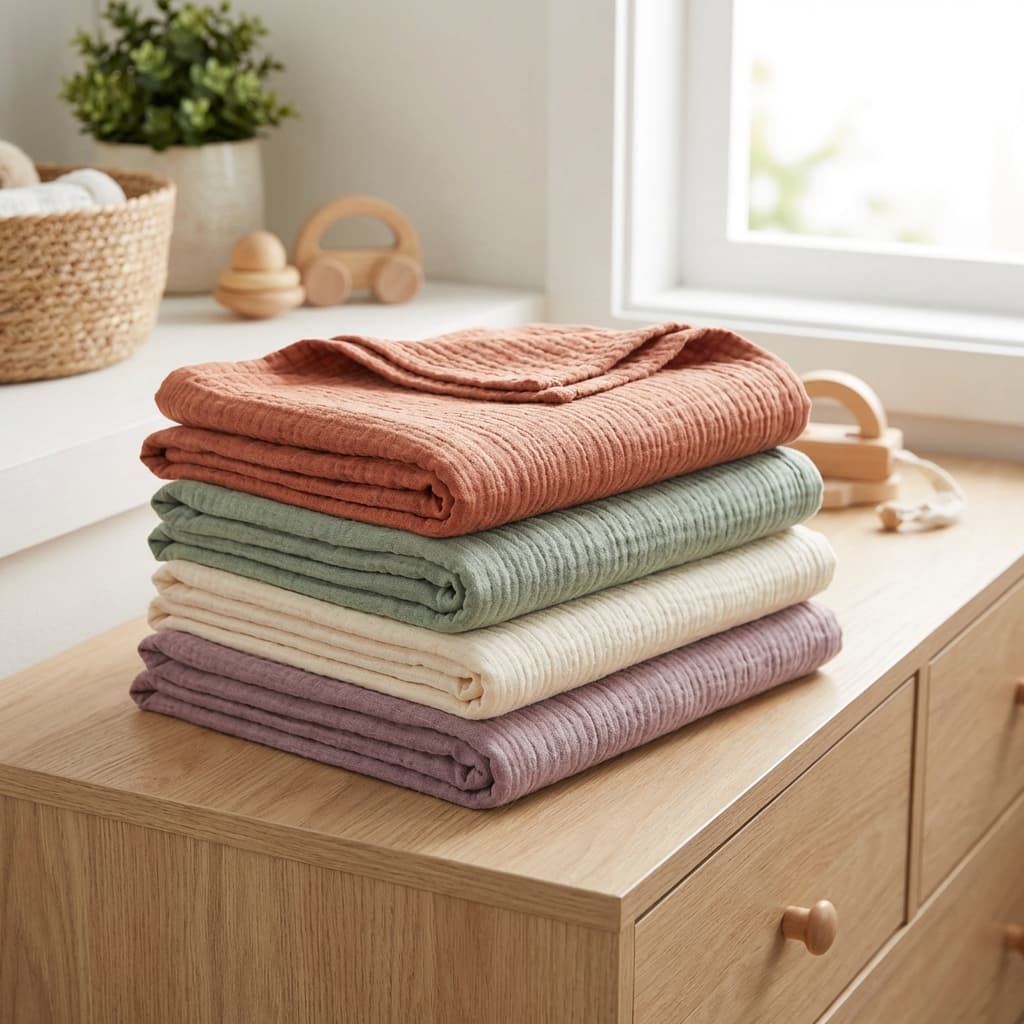
Epic Supply sells small-batch instead of restocking more. A bigger run would mean keeping pieces in rotation just to pad the catalog, whether or not they're pulling their weight. We'd rather sell out of a strong piece than keep a weak one in stock to pad a number.
What a big order actually asks a small brand to do
A wholesale minimum is the smallest quantity a bulk buyer has to order. Some brands set that number so high it forces a seller to cover every size and color, including slow movers. To say yes, a small brand has to keep producing pieces it already knows are weaker performers, just to hit the number.
Say yes enough times and the catalog fills up with filler. Not pieces a family in a hot, humid place actually reaches for, but pieces kept in rotation because a spreadsheet needed them there.
What to look for in a small-batch kids brand
Small-batch is a production approach where a brand makes a limited run of a piece instead of keeping it in continuous production. The term gets used loosely, though, some of it is real, some of it is a label stuck on a normal production run. A few things are worth checking before you trust it:
- Does it actually run out. A genuinely small batch sells through and stays gone until the next one. If a "limited" piece is quietly available in every size, every month, it was never limited.
- Does a reorder bring back the same proven piece, or a new one with a different name. Chasing novelty every cycle is a different model than refining what already works.
- Does the fit stay consistent batch to batch. If a size runs differently every time, that's a sign of chasing minimums with whatever supply was available, not holding a standard.
- Is the range narrow on purpose. A tight, well-thought-out range beats a sprawling one where half the pieces exist to pad the order.
- Does the brand say no to anything. Ask, if you can, whether a brand has ever turned away a bulk order. The answer tells you more than the marketing copy does.
This isn't about one brand being right and another wrong. It's the difference between clothes chosen for a child's actual week and clothes chosen to fill a container.
Why we still say no
Other brands scale by taking the bigger order and widening the range to hit a minimum. We say no. Saying yes would mean keeping a size on the shelf even after it's shown us it doesn't hold up to how families here dress their kids. Natural fibers like cotton breathe and shed heat better than synthetic blends, which matters more in tropical humidity than it does in a cooler climate. The pieces that stay in rotation are the ones that keep proving themselves in real heat and humidity, wash after wash, not the ones that were convenient to produce in bulk.
Restocks don't run on a predictable schedule. We bring a piece back when it still deserves a place, and let it go when it doesn't. A size being unavailable for a while is more honest than a shelf kept artificially full.
What this means for your wardrobe planning
If you're shopping any small-batch brand, plan around the batch instead of fighting it. When something fits the way your week actually runs, buy what you need instead of waiting to "see if it comes back in more colors." The drying-time math behind how many onesies you actually need shows how to plan around real constraints instead of an idealized wardrobe. Before you buy anything new, do an honest pass on what actually earns a place in your rotation at six months versus what just sits in a drawer.
Common questions
Does small-batch mean things sell out and never come back?
Small-batch doesn't mean a piece sells out and disappears forever. A piece comes back when it has earned a second run, not on a fixed calendar, and sizes and colors move at different speeds, so availability looks uneven. That unevenness is the point, not a flaw.
Is small-batch clothing more expensive than mass-market?
Small-batch clothing isn't automatically more expensive than mass-market, it depends on the brand and the piece. Compare on fit and feel for your family's actual days rather than assuming batch size alone sets the price.
How can I tell a real small-batch brand from a marketing label?
A real small-batch brand shows its hand after launch day, not in its marketing copy. If "limited" pieces quietly show up everywhere within weeks, the batch was never limited. The same scrutiny applies to bigger purchases: our moving-sale buying guide walks through it. Look at what holds up, not just what's available.
A note from Bali
If you've read this far without buying anything, that's exactly who this was written for. We'd rather earn five minutes of your trust than a sale we haven't earned yet.
When we do choose what to stock, we look for pieces that hold up to the kind of days families here actually have. We'd rather carry a short, careful list than a shelf padded to look full. If that's the kind of small-batch you're looking for, have a look at what we currently carry.
From one parent to another
Dressing a little one for the heat?
Join the EPIC family for honest guides on dressing kids in the tropics, first look at new pieces, and 10% off your first order.
No spam, just the good stuff. Unsubscribe anytime.
Shop the pieces
More from Knowmads Bali
Born in Bali · Tested in the tropics
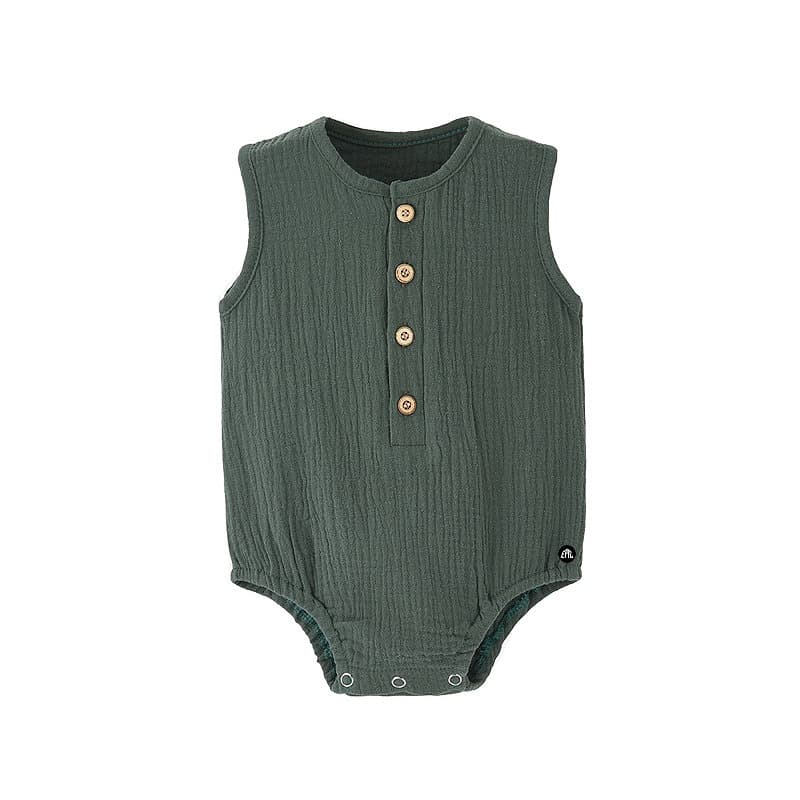
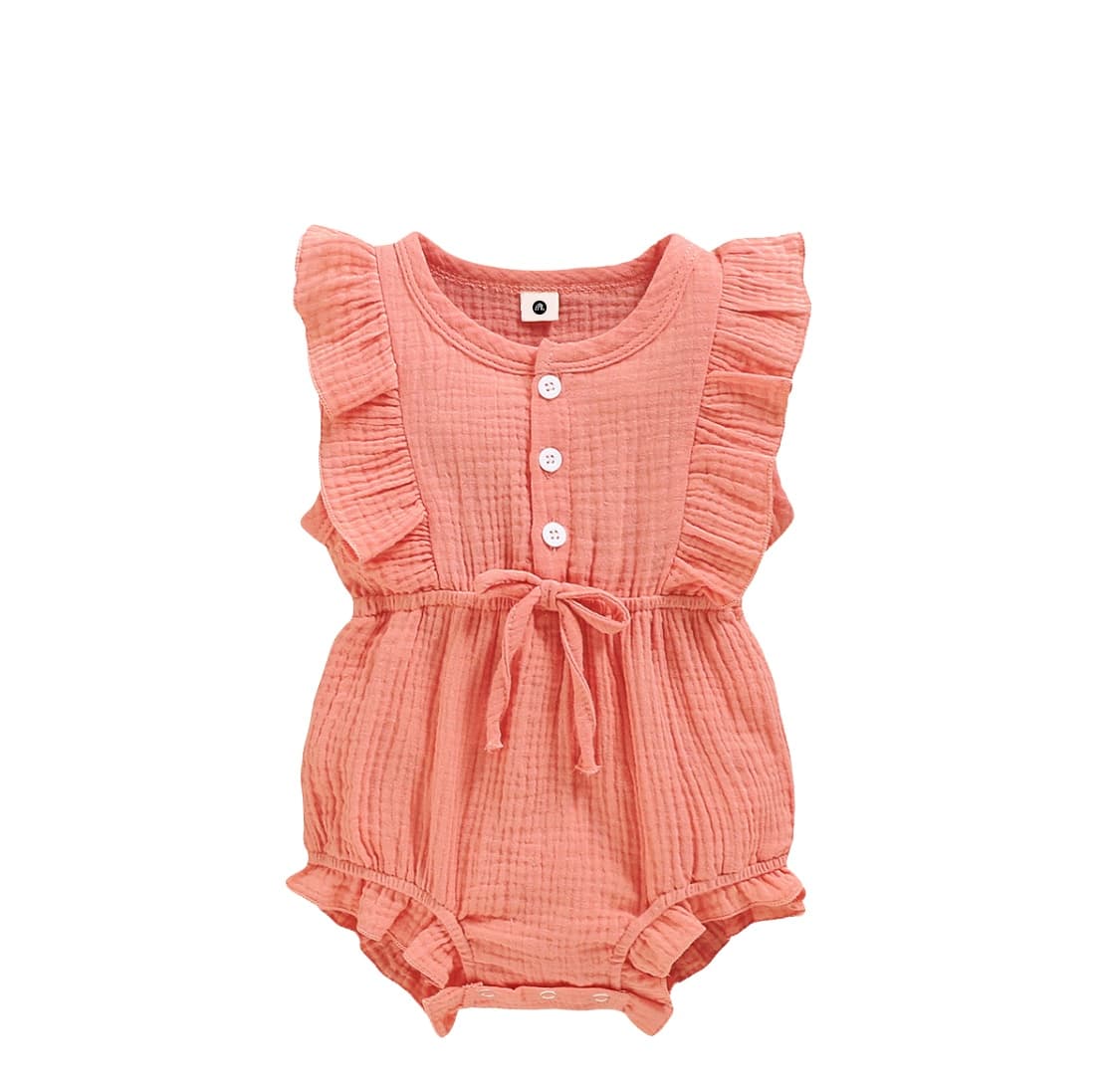
Muslin cotton, made for the heat
Breathable, soft, and built for real tropical days. Our onesies & playsuits are where most families start.