Making Every Moment Count Is Costing Us the Ordinary Ones
Trying to capture every moment on vacation? Learn why it steals the ordinary joys with your kids, and how to be present instead of performing…

You can stop treating guilt as proof that you owe your toddler a special activity. Ordinary play, sitting nearby, listening, or sharing a familiar routine can be meaningful. Your toddler wanting more time with you does not mean the time you gave was inadequate. Connection does not need to become an event.
We have confused memorable with meaningful
Parents hear that childhood should be full of memorable experiences. Even quiet family time can feel like empty space that needs improving, photographing, or turning into an activity.
We distrust that pressure.
Life with a small child is mostly ordinary. It is familiar books, repeated games, and requests to look at something an adult might overlook. This is often where closeness grows.
A dad who sits on the floor is not offering less than one who plans an elaborate outing. A parent who listens while finishing an everyday task is not absent. Presence does not need to impress anyone watching.
Work and play still compete for attention. Families like ours feel that tension because both matter. Work needs doing, and a child wants attention. Pretending one must always disappear only feeds the guilt.
We protect ordinary contact instead of perfect plans
We try to make family life easy to enter. Play does not need preparation before it counts.
Our rule is simple: join the moment that already exists before inventing a better one.
That might mean watching instead of leading or staying close while a child plays. You can say you can join briefly instead of pretending you have endless attention. A modest yes is more honest than a big promise followed by distraction.
We try not to judge connection by its duration. A child may ask for more when a parent stops, which can feel like proof that the time was inadequate. It proves only that the child wanted more company.
This is one reason the guilt after losing patience does not erase every patient moment. Parenting is not a score from one interaction. It is a relationship shaped by returning after imperfect moments.
No habit removes that discomfort.
Special time is overrated when it becomes a performance
We disagree with the instruction to make every limited stretch of family time count. It sounds encouraging, but it turns attention into another task parents must perform well.
When every moment must count, ordinary moments look like failures. Sitting together seems inadequate. A familiar game seems inadequate. Parents who dislike imaginative play may perform enthusiasm instead of finding an honest way to connect.
We would tell a friend that not every kind of play needs to be enjoyable. Reading together or simply staying nearby can both be shared time. A child does not need every interaction to display a parent at their most inventive.
We also think “quality over quantity” creates pressure. If time is limited, every minute suddenly has to be exceptional. Real family life is untidy. Attention wanders, people become tired, and games fall flat. That does not make the relationship hollow.
Vanessa believes mother’s guilt is universal. Fathers can carry their own version of that burden. The answer is not to defeat guilt every day. Sometimes the guilt simply does not deserve the authority we give it. We explored this further in being a parent and a person while still feeling guilty.
We still do not know how much is enough
We have not found a reliable measure for enough play, attention, or presence. We distrust anyone who offers one.
Some weeks feel steadier than others. Daily pressure can drain a parent’s time and patience before family life asks for either. Living as expat parents in Bali does not remove that tension. It gives it a particular setting.
We still wonder when a boundary is healthy and when it is avoidance. We cannot always tell whether guilt points to something worth changing or demands perfection. We have not figured that out.
One smaller question helps: are we making room for ordinary connection over time? It will not happen constantly or exactly as our daughter wants. It only needs to remain part of family life, not another special occasion we keep postponing.
FAQs
Should I plan special activities with my toddler after work?
You should plan special activities only when they suit your family, not because guilt demands them. A familiar game, shared routine, or quiet time together can be enough. Special plans become unhelpful when they make ordinary connection feel inferior.
What if I do not enjoy the game my toddler wants to play?
You do not have to force enthusiasm for every game your toddler enjoys. You can join briefly, watch, stay nearby, or suggest another way to spend time together. Disliking a particular game is not the same as rejecting your child.
Why do I still feel guilty after spending time together?
You may still feel guilty because guilt can change the standard as soon as you meet it. Feeling guilty does not prove that the time together was inadequate. We treat guilt as something worth considering, not as a verdict that must be obeyed.
A note from Bali
We source soft, lightweight clothes for ordinary family days. You can find them in the Epic shop.
From one parent to another
Dressing a little one for the heat?
Join the EPIC family for honest guides on dressing kids in the tropics, first look at new pieces, and 10% off your first order.
No spam, just the good stuff. Unsubscribe anytime.
Shop the pieces
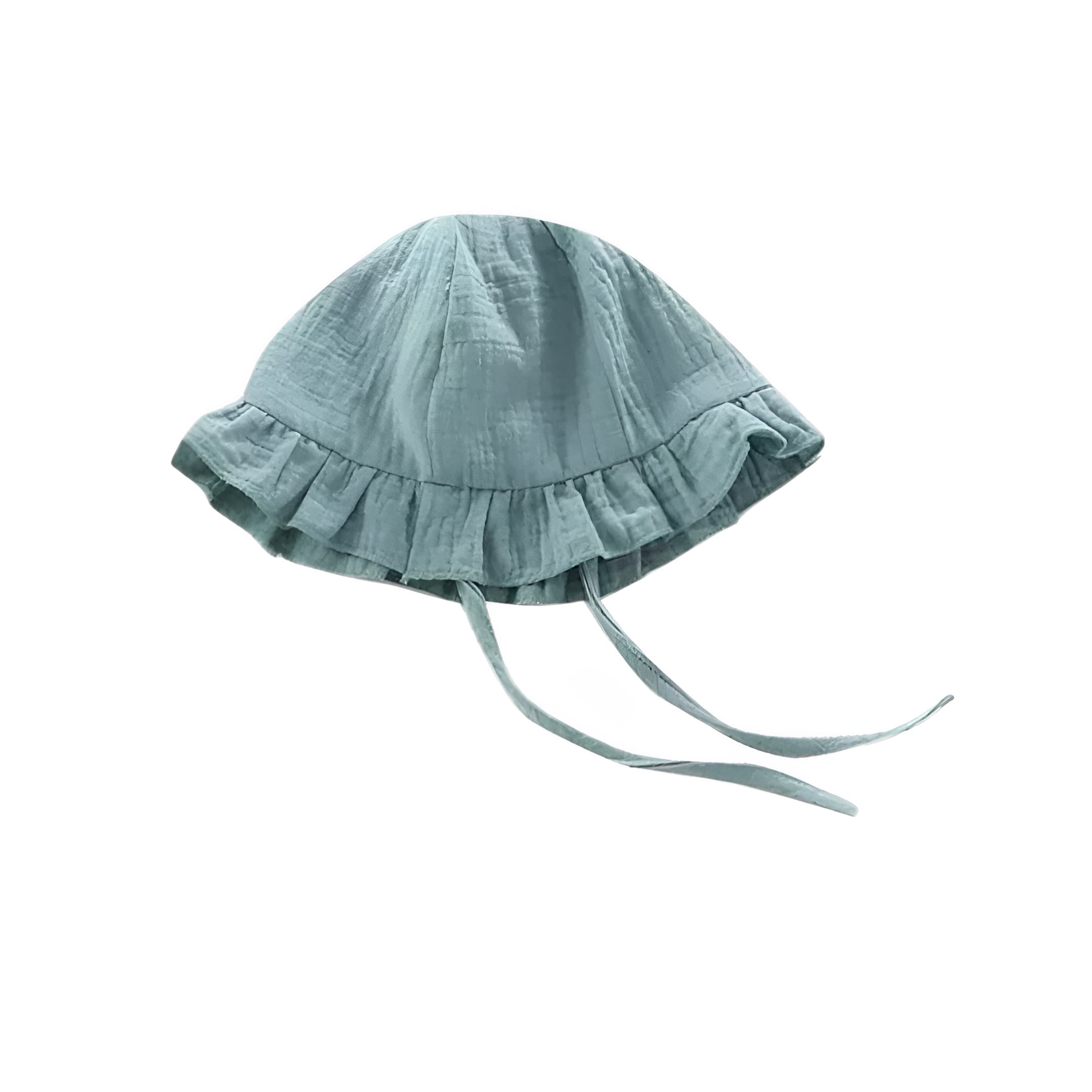

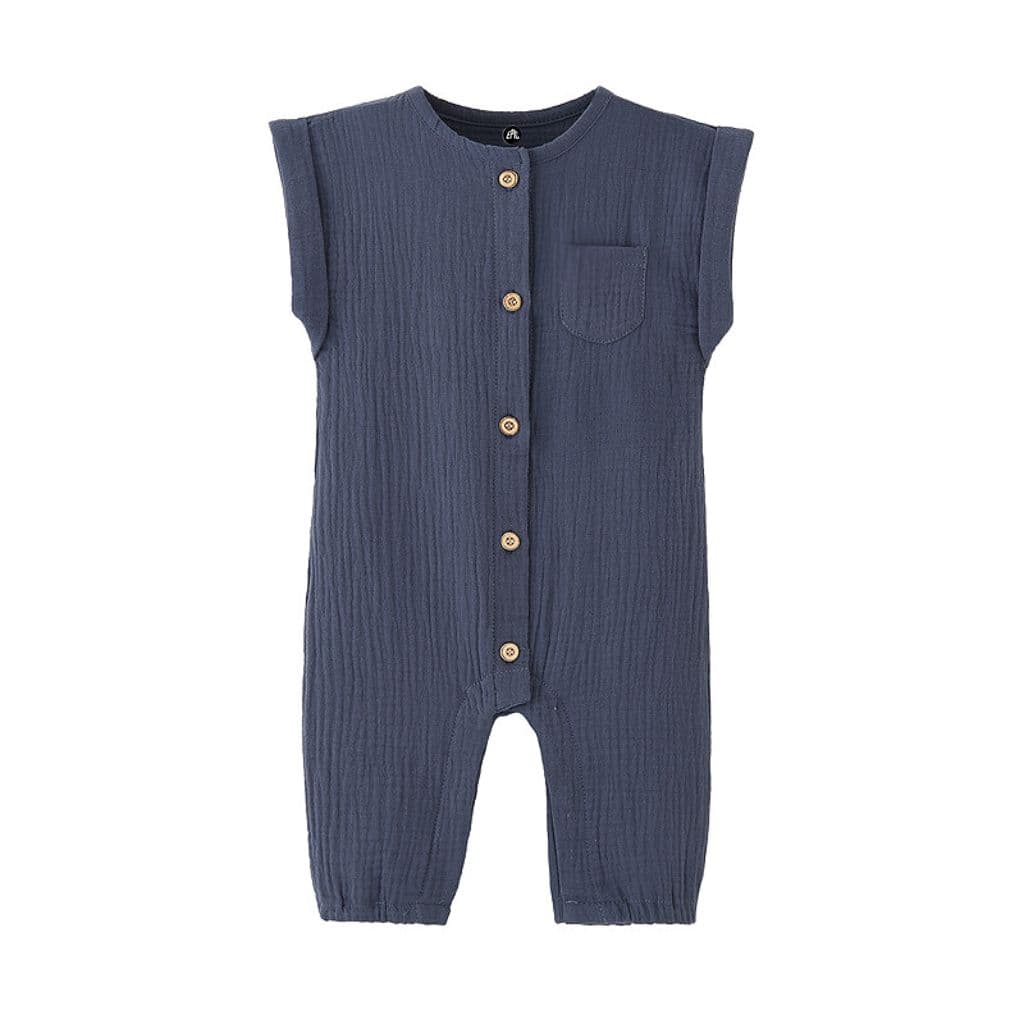
Shop by type: Muslin sun hats·Muslin sets·Muslin rompers
More from Knowmads Bali
Born in Bali · Tested in the tropics
Muslin cotton, made for the heat
Breathable, soft, and built for real tropical days. Our onesies & playsuits are where most families start.