The Guilt After You Snap Doesn't Erase the 100 Patient Moments
Losing your patience for a moment doesn't undo the hundred times you stayed calm, here's how to let go of travel-mom guilt and keep moving forward.

You feel so guilty after yelling at your toddler during a meltdown because the guilt is proof you care, not proof you failed. It shows up fast because you already know what calm looks like, and the one moment your voice cracked is the one moment your memory keeps replaying days later.
That replay is the problem, not the yell itself.
Why the guilt feels so loud
Most of us know the version of this: the day has been long, and the meltdown that finally cracks you open is the fifth one, not the first. Your voice goes up. The room goes quiet for a second. And then the guilt arrives, out of proportion to what happened, because it is measuring itself against an impossible standard: the parent who never raises their voice at all.
Mother's guilt is the sense of never doing enough as a parent, no matter which way you choose. It often feels universal: yell and you feel guilty, hold it in and you feel resentful and guilty about that too. The guilt isn't a verdict on the kind of parent you are. It's just loud, and it arrives faster than the quieter, better proof does.
The moments you don't count
Here's the part almost nobody says out loud: the snap is memorable because it's rare. You don't remember the times you crouched down and talked them through a shoe that wouldn't go on or a plate they didn't want. Those moments didn't feel like anything at the time. They were just Tuesday. The one time you raised your voice is memorable because it broke the pattern, not because it defines it.
If you're the kind of parent who replays a single loud moment for days, that replaying is itself proof of the pattern it's interrupting. Parents who don't care rarely lie awake over a yell. The same self-blame shows up around other things you had no real control over too, like a toddler who won't eat lunch no matter what's on the plate. The guilt attaches to whatever happened last, not to whatever mattered most.
What actually helps in the next ten minutes
Repair is the short, calm reconnection you offer your toddler right after you've yelled, a hug, a few quiet words, going back to whatever triggered it. How you repair matters more than what caused the blowup. You don't need a speech or a performance of remorse for your toddler to feel the shift back to calm.
A few things that help right after:
- Get low, physically, before you say anything. A raised voice from standing height reads differently than the same words from eye level.
- Use fewer words than you think you need. "That was loud, I'm sorry" lands better than a long explanation a toddler can't follow yet.
- Offer a hand or a hug and let them decide the pace. Some toddlers want it instantly, some need a minute first.
- Go back to whatever triggered it, if you can, rather than avoiding it for the rest of the day.
- Let your own body settle before you decide anything big. A fast heartbeat makes everything feel more dire than it is.
The heat makes this harder than you'd expect. In humid air, sweat evaporates more slowly, so your body can't cool itself as efficiently, and a body that can't cool down runs short on patience faster. A meltdown over an outfit nobody wants to wear at the hottest part of the day is harder to handle than the same standoff indoors with air conditioning. Notice if your own patience runs shorter on the days the heat does too.
When the guilt doesn't fade
If the guilt sticks around for days rather than hours, or tangles up with bigger worries about how you're parenting overall, raise it with a counselor or your doctor instead of working through it alone. A single hard afternoon isn't a pattern that needs outside support, and it's fine not to be sure which one you're dealing with.
FAQs
Does yelling once damage my toddler long term? The single moment matters less than what happens right after it. A toddler who sees you lose your temper and then come back, calmer, to reconnect learns something different than a toddler whose parent never comes back. If you're genuinely worried about a pattern rather than a bad day, a pediatrician or family counselor is the right person to talk it through with.
How do I apologize to a toddler too young to really understand? Keep it short and physical rather than verbal. A hug and a few quiet words, "that was too loud, sorry," do more than a full explanation they can't yet follow.
Why do I yell more on some days than others? Heat and a day already short on sleep and full of decisions stack up invisibly. The meltdown that finally breaks your patience is rarely the actual cause. It's usually just the one that landed on top of everything else.
A note from Bali
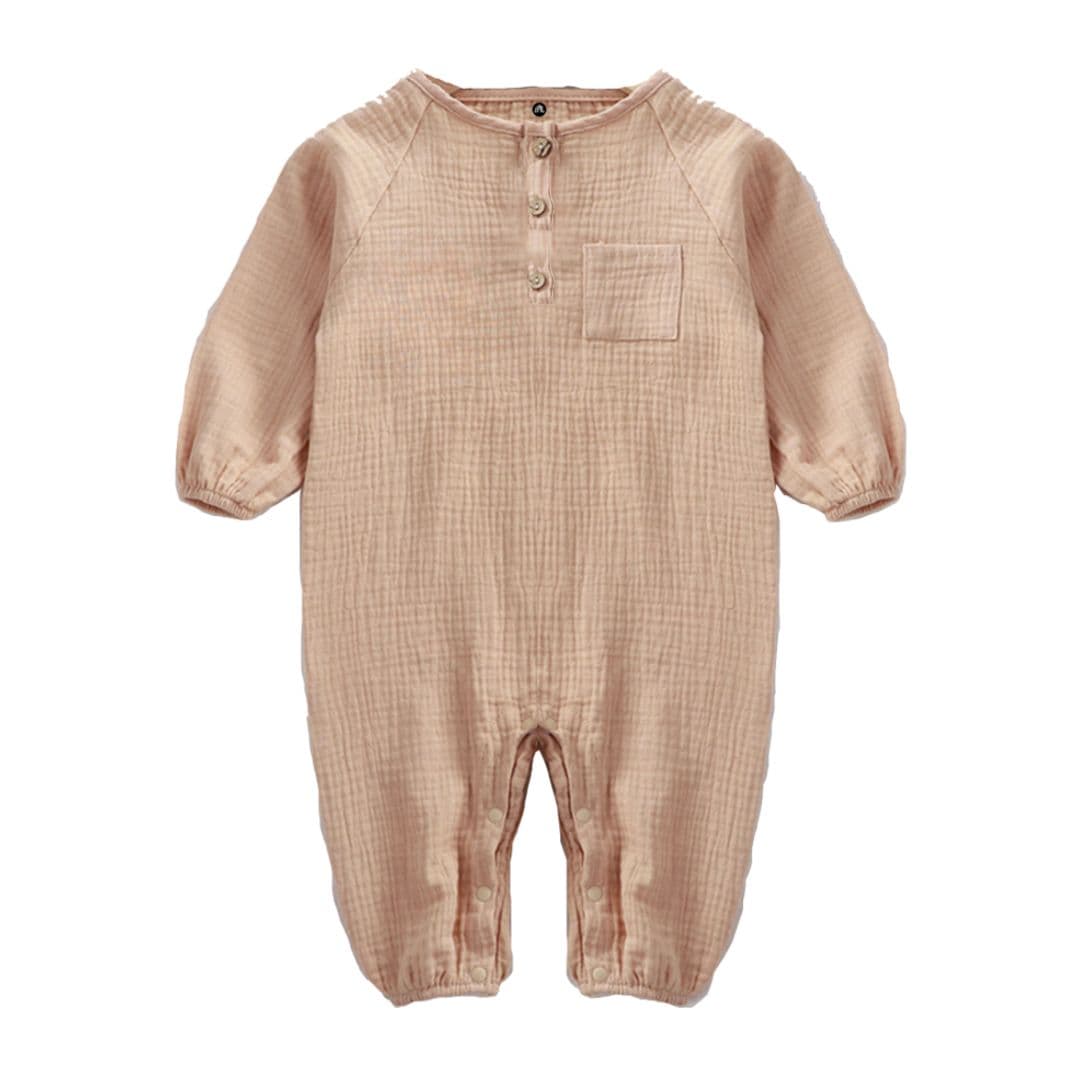
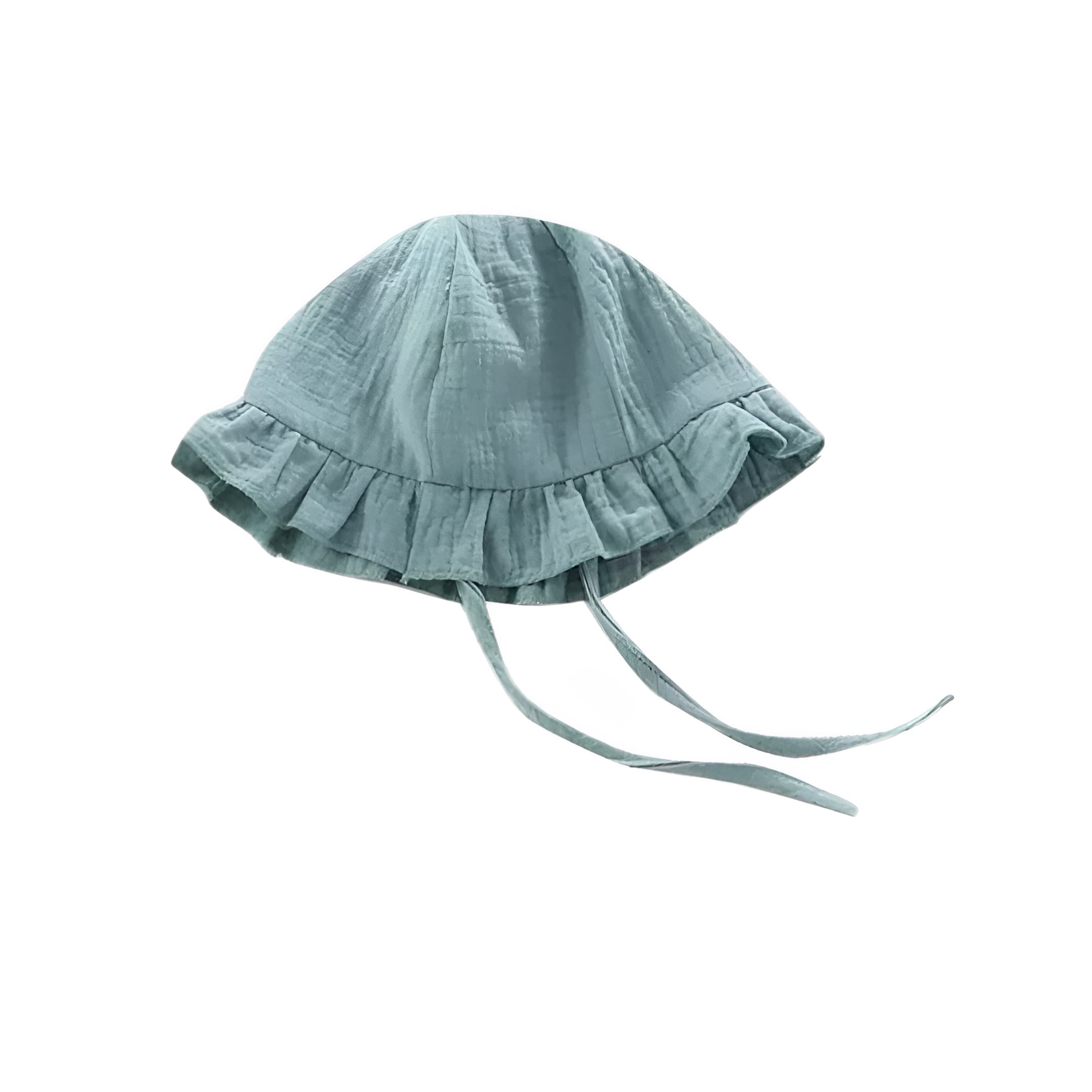
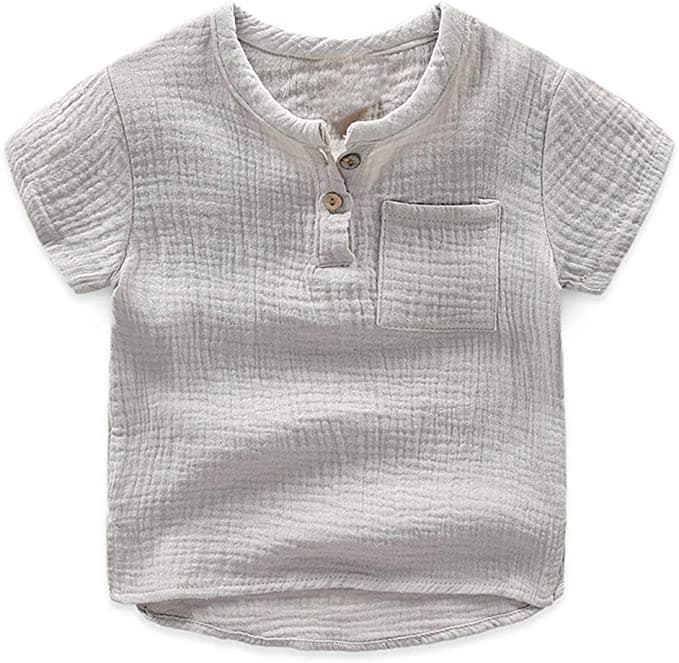
If you're in the thick of a hard week with a toddler, the guilt lies about the ratio. There were far more patient moments than loud ones, even on the day that doesn't feel that way. After a hot walk home from the morning market, when everyone's shirt is sticking and patience is thin, lighter layers matter. Browse muslin cotton pieces designed for open-weave breathability in Bali heat.
From one parent to another
Dressing a little one for the heat?
Join the EPIC family for honest guides on dressing kids in the tropics, first look at new pieces, and 10% off your first order.
No spam, just the good stuff. Unsubscribe anytime.
Shop the pieces
More from Knowmads Bali
Born in Bali · Tested in the tropics
Muslin cotton, made for the heat
Breathable, soft, and built for real tropical days. Our onesies & playsuits are where most families start.