Is It the 4-Month Regression or Just Bali Jet Lag?
Clingy, overtired toddler mid-trip? Here's how to tell Bali jet lag apart from the 4-month sleep regression, and what actually helps either one.

Jet lag or the four month regression? Here's how to tell them apart
It's almost certainly both at once. Jet lag usually settles within three to seven days as your baby's body adjusts to Bali's new light and heat. The four month regression takes longer: it's a real, permanent shift in how babies cycle through sleep, unrelated to time zones, so expect rough nights for a few weeks, not just a few days.
The two look the same for the first 48 hours: more night wake-ups, shorter naps. After that, the patterns separate.
Jet lag is the mismatch between your baby's internal clock and the local light-dark cycle after a long-haul flight, as a rough guide, full adjustment takes about a day per time zone crossed. It tends to:
- Ease within three to seven days as her internal clock catches up to local sunrise and sunset
- Show up as being sleepy at the wrong times rather than resisting sleep itself
- Respond to daylight in the morning and a steady bedtime in the new time zone
The four month regression is a developmental change in how babies cycle through sleep stages, not a response to travel or time zones. It tends to:
- Persist well past a week, because it's tied to how her sleep cycles are changing at this age, not to time zones
- Show up as shorter naps overall and more frequent night waking, even once she seems adjusted to Bali time
- Line up with other leaps, like rolling or grabbing, since this stretch often overlaps with a jump in alertness
For most families, the two overlap for the first week, then jet lag fades and the regression is what's left. If the rough nights are still going two weeks after you land, that's the regression, not the flight.
Why Bali's heat blurs the line even further
Bali sits around 80 percent relative humidity for most of the year, with daily highs rarely dropping below 28°C. That's a lot to adjust to on top of a time change and a developmental leap. It muddies the signal. A baby who wakes up sweaty and unsettled at 2am might be jet lagged or mid-regression. Or she might simply be too warm for what she's wearing. We cover the heat side in why your baby wakes up sweaty and cranky after naps in Bali, since ruling out heat comes first, before you blame jet lag or the regression.
It's also why so many Bali families blame the early 5am wake-ups on travel adjustment, when heat and light are usually doing most of the work. We wrote about that pattern in why Bali toddlers wake at 5am and how to shift the day.
A note on advice from other parents
If you mention the rough stretch to anyone here, you'll hear strong opinions about what fixed it for someone else's baby. A sleep setup that works in one climate doesn't always work in this one. That's the whole subject of why Bali parents judge your sleep setup (and why they're wrong). What helped a friend's baby in a dry, air-conditioned nursery back home may not be the right fix for a tropical bedroom.
What actually helps while you wait it out
There's no shortcut through jet lag or the regression. Here's what makes the stretch easier to live through:
- Get her into daylight in the morning and keep evenings dim, even if bedtime slides later than usual for the first few days
- Keep naps and bedtime at roughly the same times each day. Even a rough version of the routine helps her body find the new rhythm faster
- Dress her for the heat, not the clock on your phone from home. Lightweight, breathable layers let air move around her skin, so she runs cooler while her body adjusts to the time change and the regression at once
- Expect some regression in naps specifically. Short, choppy daytime sleep is normal at this stage and tends to outlast the night wakings
- Give it two full weeks before assuming something is wrong. Both jet lag and the regression have a natural end point, even when the nights feel endless in the middle of it
FAQs
How long does jet lag actually last for a four month old? Most babies adjust within three to seven days, often faster westbound than eastbound. If jet lag symptoms are still showing after a week or two, you're probably looking at the four month sleep regression, not the flight.
Should we move bedtime earlier to help her catch up faster? Shift bedtime gradually, by small amounts each day, rather than all at once. That's easier on everyone than forcing the new schedule from night one. If sleep stays hard despite a steady routine, raise it with your paediatrician rather than guessing at fixes.
How will we know when this hard stretch is actually over? Jet lag resolving looks like daytime alertness coming back to normal and night wake-ups dropping off within a week or two. The four month regression resolves more slowly: naps lengthen first, usually over several weeks, and night sleep settles after that.
A note from Bali
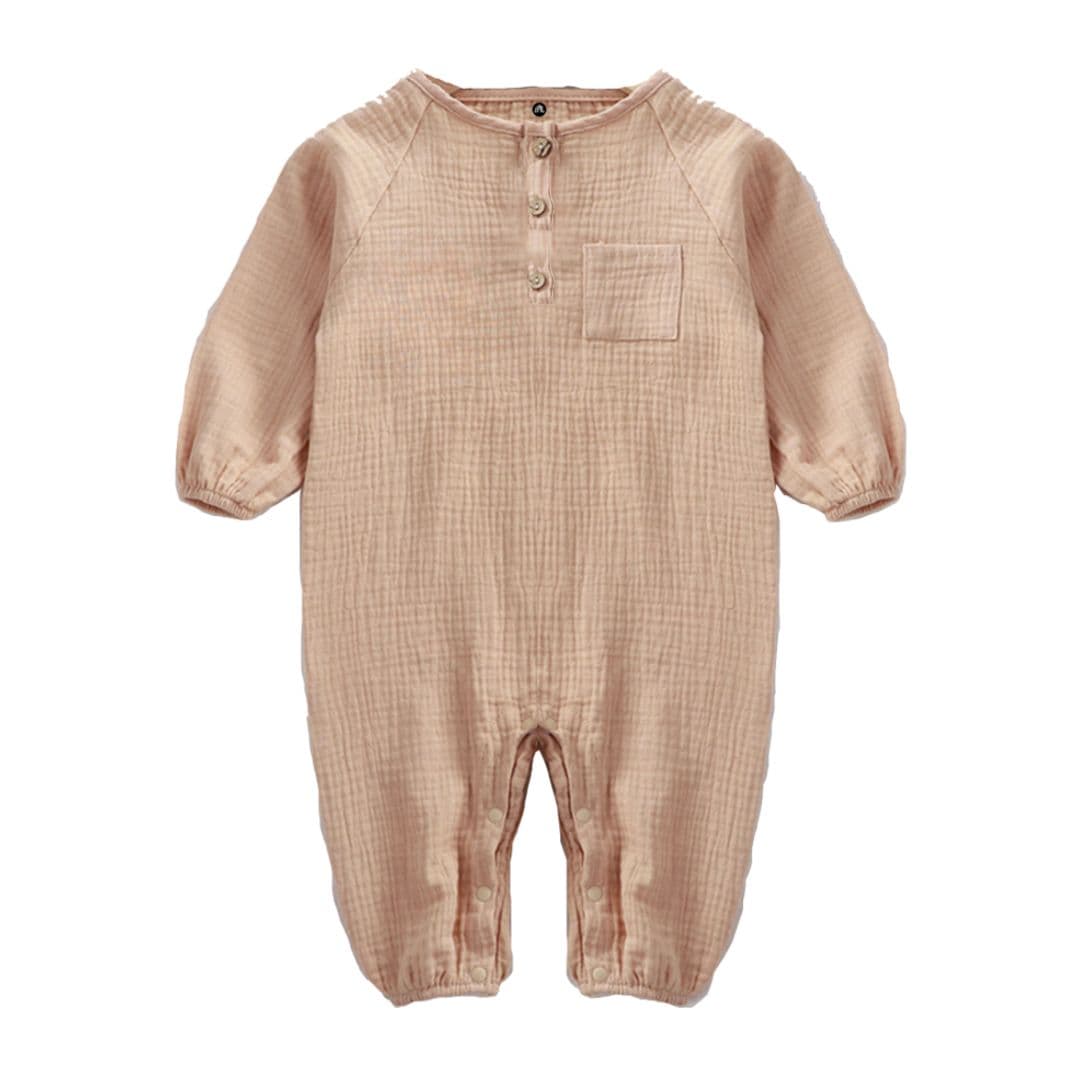
Knowing why she's not sleeping doesn't make the 2am wake-up any shorter. It helps a little to rule out what you can control. Heat is one of the easier things to take off that list. That's part of why we stock lightweight muslin sleepwear: the open weave lets air move so her skin stays cool through humid nights. It won't fix jet lag or speed up a developmental leap, but if one less variable helps right now, see what we carry at epic.supply.
From one parent to another
Dressing a little one for the heat?
Join the EPIC family for honest guides on dressing kids in the tropics, first look at new pieces, and 10% off your first order.
No spam, just the good stuff. Unsubscribe anytime.
Shop the pieces


More from Knowmads Bali
Born in Bali · Tested in the tropics
Muslin cotton, made for the heat
Breathable, soft, and built for real tropical days. Our onesies & playsuits are where most families start.