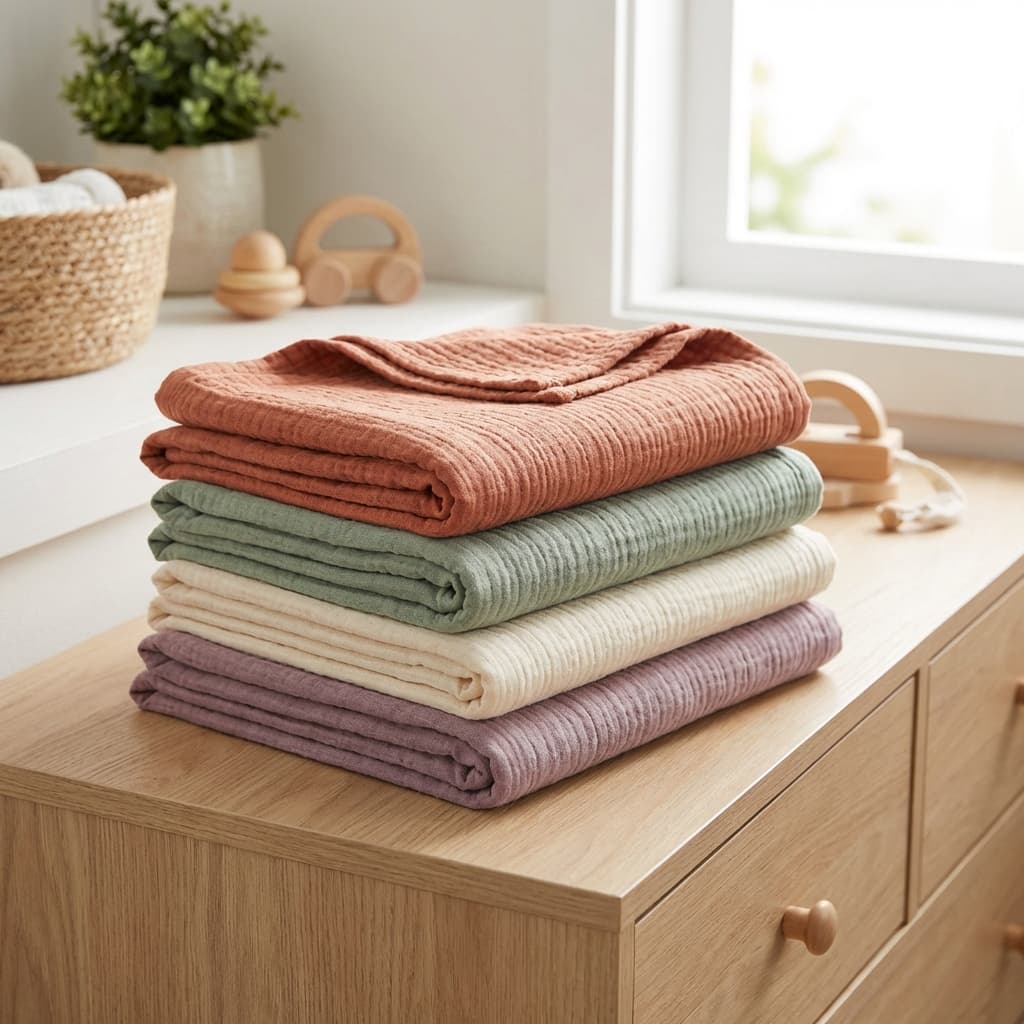
Why Won't My Newborn Stop Crying Unless I'm Holding Them?
Why won't your newborn stop crying unless held? Here's the real reason behind contact naps and how to get a break without the guilt.
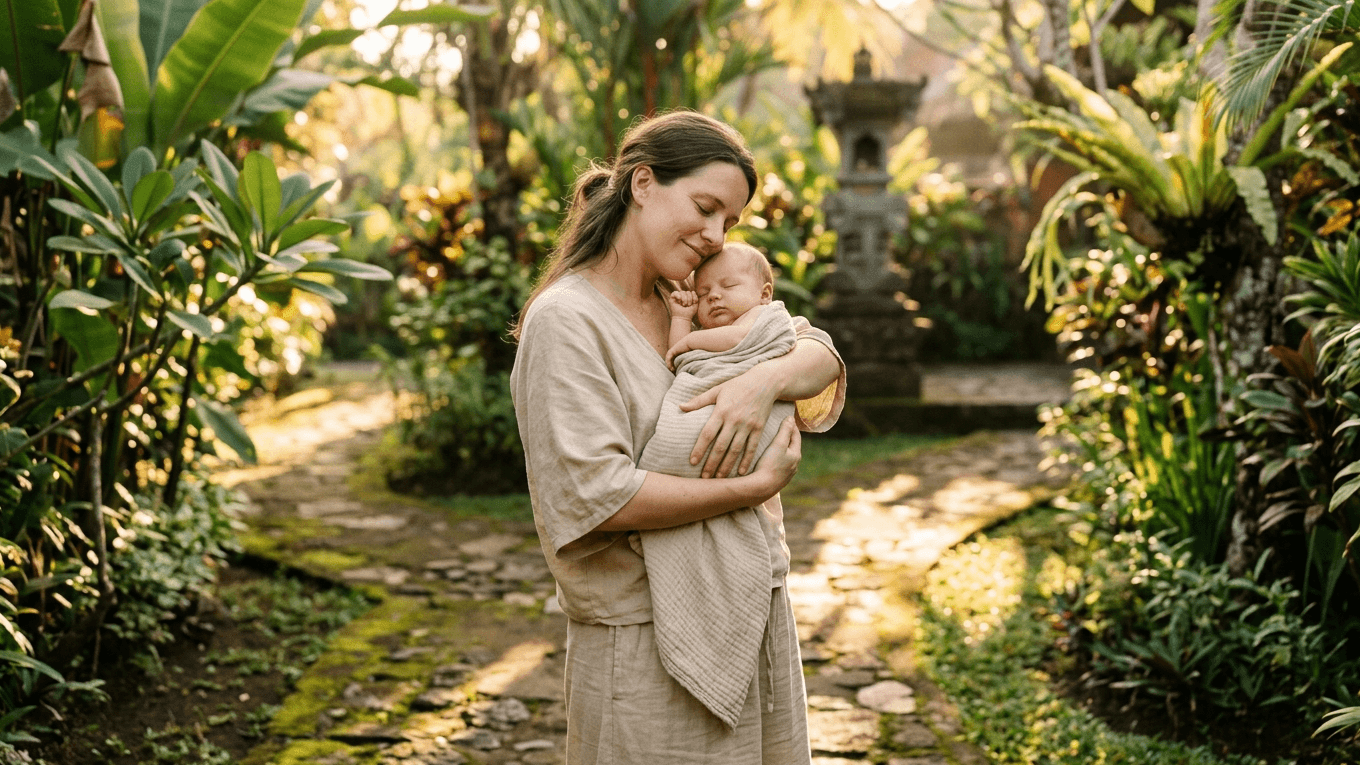
What's actually happening when your newborn only calms in your arms
The fourth trimester is pediatrician Harvey Karp's term for the newborn stage when a baby is still adjusting to a world that's louder, brighter, and less contained than the womb. Being held recreates that containment, which is why your arms work when the crib doesn't. This intensity usually eases over the first few months, though every baby settles on their own timeline. If your newborn screams the second you put them down and goes quiet the second you pick them back up, you haven't done anything wrong, and you're not alone in this. This is one of the most common experiences of the newborn weeks.
Why this feels so constant
It can feel relentless because it genuinely is, for a while. Your newborn isn't manipulating you and isn't being "difficult." The clinginess is strongest in the early weeks and loosens as your baby gets used to sounds, light and being set down for short stretches. When baby only wants mom covers the flip side: when one parent becomes the only one who "works."
How long does this stage usually last
There's no single switch that flips, but a pattern shows up across most families:
- The early weeks are usually the most intense, with frequent crying and a strong preference for being held. That eases over the first few months, when many babies tolerate being put down for longer stretches, especially right after a feed or a nap.
- Temperament plays a role too: some babies ease off this pattern early, others hold onto it longer, and both are normal.
If the crying seems extreme, doesn't respond to anything, or comes with other symptoms that worry you, call your pediatrician. They know your baby's history and can rule things out properly.
Getting your arms back without feeling guilty about it
You don't have to choose between holding your baby constantly and never getting a break. A few things help during this stretch:
- Babywearing. Babywearing is the practice of carrying your baby in a wrap or structured carrier against your body. It keeps your baby close while freeing your hands for a meal, a shower, or a few minutes of feeling human.
- Trading off. Splitting the holding between parents or caregivers in short shifts means no single person is "on" for hours straight. The one habit that splits baby duties covers how families set this up before burnout hits.
- Motion and sound. Gentle rocking, a sling, or background noise mimics the constant motion and sound a newborn had in the womb, and it buys a few quiet minutes.
- Short practice stretches. Putting your baby down for brief moments while they're calm, rather than only when they're already upset, can slowly build their tolerance for it.
- Night routines that don't fully wake anyone. The jabla trick is one small way to make those moments easier.
In Bali's heat, babywearing for long stretches means your baby is pressed against you for hours at a time, so what's underneath matters. Muslin is a lightweight, loosely woven cotton fabric. Its open weave lets air move across the skin instead of trapping heat, so a baby pressed against your chest stays cooler and settles easier.
A few questions parents ask about this stage
Is it normal for a newborn to cry when put down and only settle when held? Yes, it's normal for a newborn to cry when put down and settle only in someone's arms. This pattern is common throughout the early months and doesn't mean anything is wrong with your baby or your approach. If you're ever unsure whether what you're seeing is typical for your baby, your pediatrician is the right person to check with.
Will holding my baby this much create bad habits? No, holding a newborn as much as they need will not create bad habits or "spoil" them in these early months. If it's weighing on you, your pediatrician can speak to your baby specifically.
What if my baby cries even while I'm holding them? It's possible for a newborn to cry even while being held, and it doesn't mean you're doing something wrong. If nothing settles your baby for an extended stretch, or the cry sounds different to you, call your pediatrician instead of trying to work it out alone.
A note from Bali
If you're deep in the stage where your baby only settles against you, you're not failing. It passes, even on the days it doesn't feel like it will. During these months of carrying and holding, especially in Bali's heat, we look for pieces that stay soft against a baby's skin without trapping heat, since comfort under a wrap or against your chest makes a real difference to how settled you both feel. Have a look at what we stock: muslin stays soft against the skin and lets air through, good for all those hours pressed against your chest.
From one parent to another
Dressing a little one for the heat?
Join the EPIC family for honest guides on dressing kids in the tropics, first look at new pieces, and 10% off your first order.
No spam, just the good stuff. Unsubscribe anytime.
Shop the pieces
More from Knowmads Bali
Born in Bali · Tested in the tropics
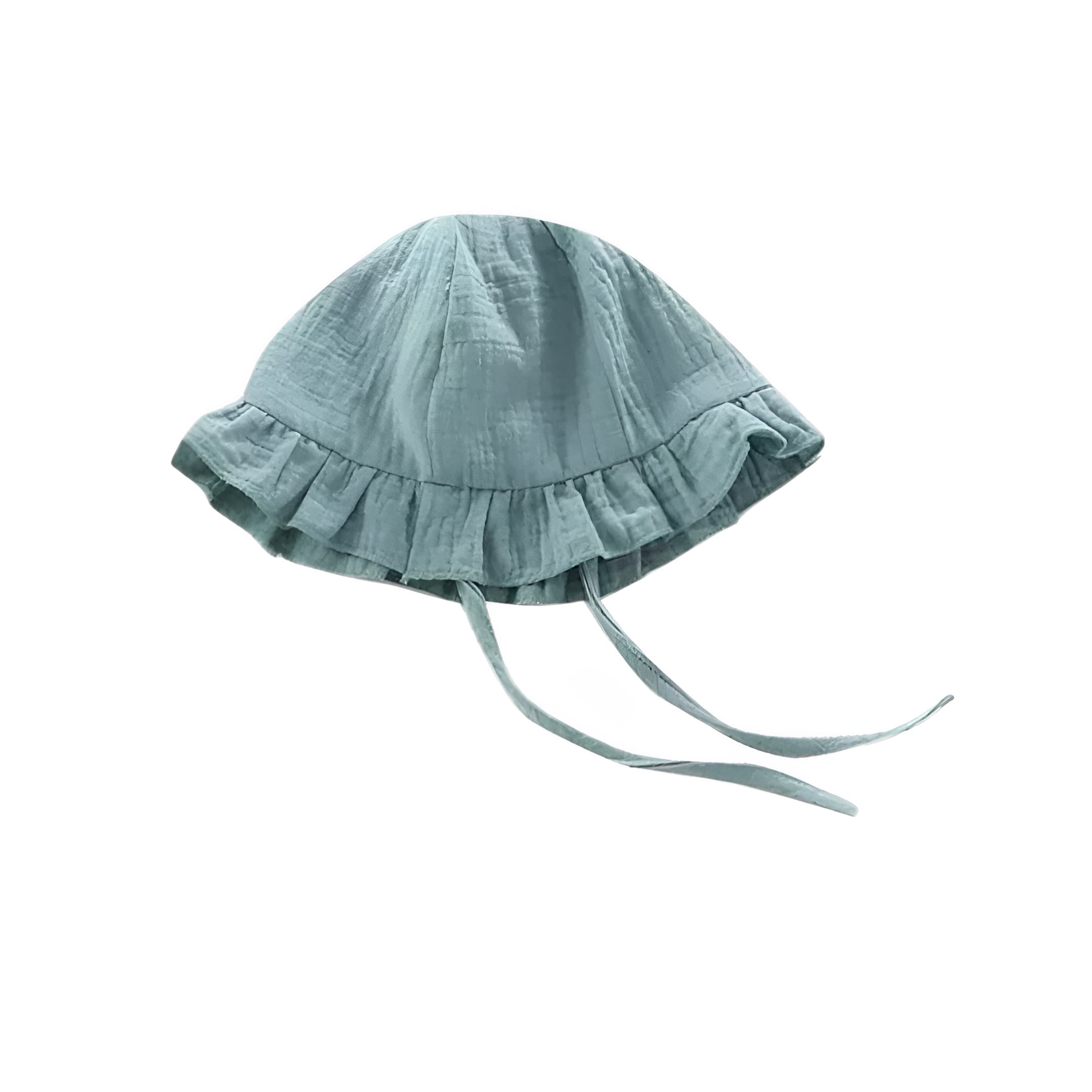
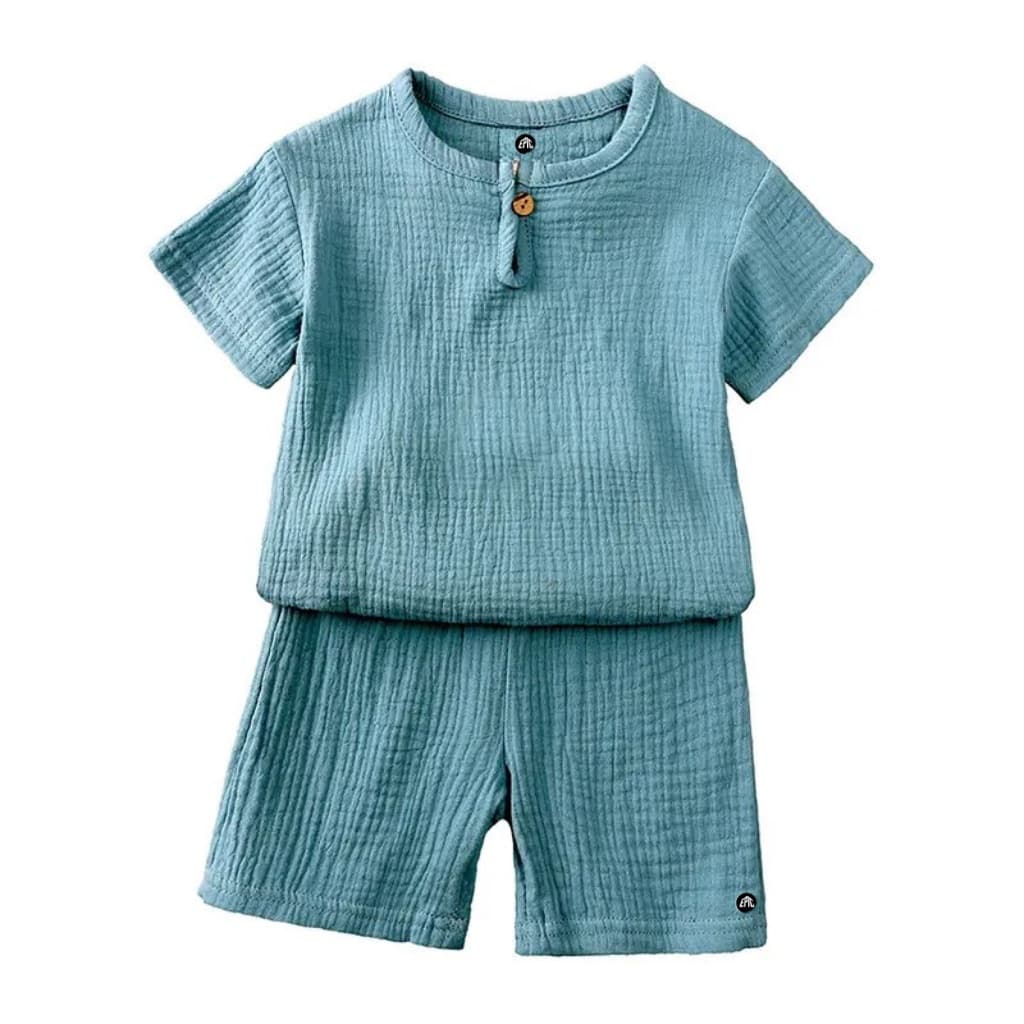
Muslin cotton, made for the heat
Breathable, soft, and built for real tropical days. Our onesies & playsuits are where most families start.