Why Bali Parents Judge Your Sleep Setup (And Why They're Wrong)
Judgmental looks at your travel crib or floor bed? Here's why Bali's co-sleeping norms don't make your setup wrong, just different.

Where the judgment is actually coming from
Yes, and it's almost never personal. Bali's expat community mixes parenting cultures from everywhere: American parents raised on sleep-training schedules, Balinese families for whom co-sleeping is simply how babies have slept for generations. Whatever you choose, someone nearby was raised to see it as wrong. That reaction says more about their upbringing than your baby.
Most of us have had the warung conversation. Mention the baby was up twice in the night and you get a raised eyebrow, or a story about a cousin's cousin who "fixed" it in a week. The advice rarely matches what the last person told you.
That's because Bali's expat towns pull in parents who were each raised inside one confident, country-specific view of infant sleep, then drop them all in the same cafe. A family from the US was handed a hospital pamphlet on solo sleep before they'd even left the maternity ward. A family from a Balinese household grew up watching three generations share a room without a second thought. Neither family is improvising. Each is following a system that felt like common sense at home. The friction shows up only because Bali puts both systems at the same breakfast table.
A lot of the loudest opinions come from someone running on four hours of sleep themselves. If you're still wide awake after your partner takes the night feed, you already know how thin patience gets for anyone else's choices, including your own from last week.
What Bali's heat adds that nobody's home playbook covers
Here's the part the judgment misses. Bali sits at close to 80 percent humidity year round, with daytime highs rarely dropping below 28C. Whatever sleep system a family brought with them was almost certainly designed somewhere cooler and drier. A heavier swaddle and a strict nursery temperature setting both assume a climate that isn't the one outside the window here.
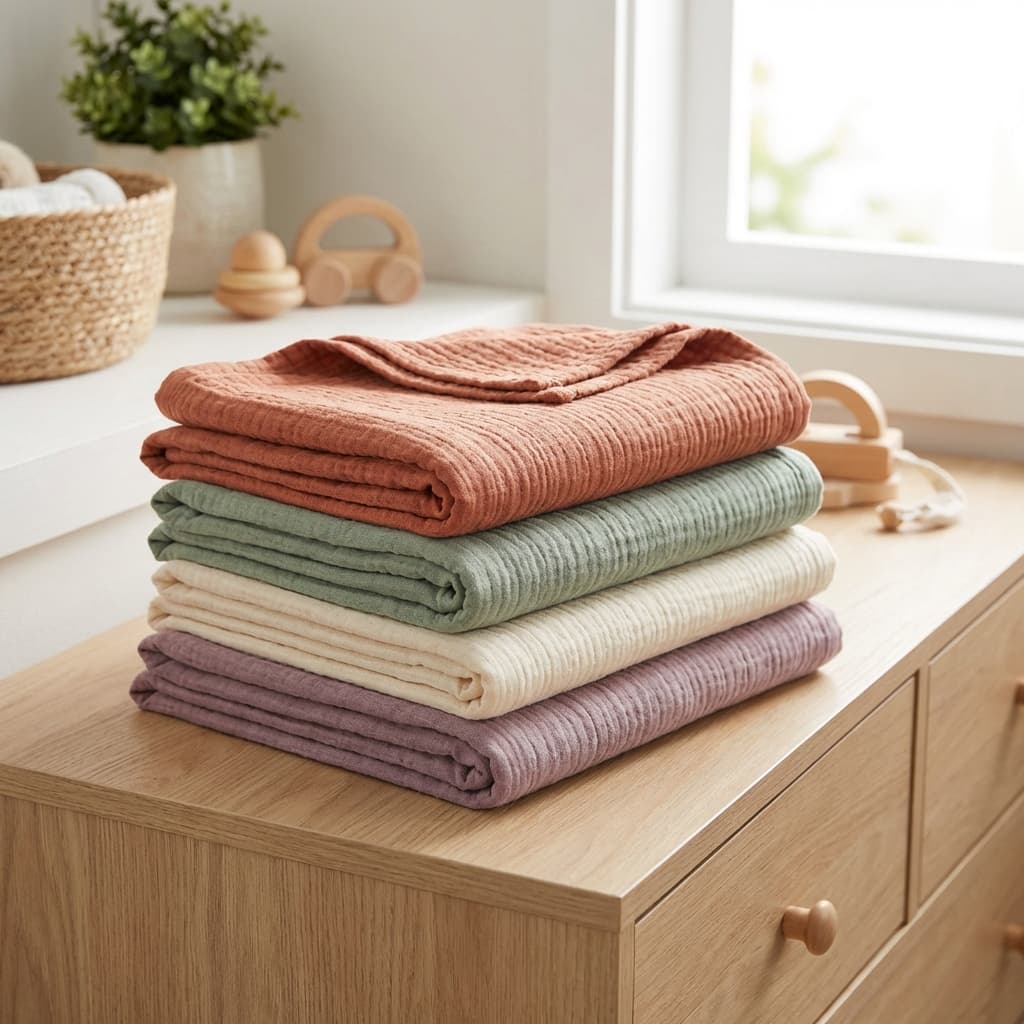
So when someone judges your setup, they're often judging you against a rulebook that was never built for this humidity. Families relearn sleep from scratch here. They drop the heavy layers for muslin. Its open weave lets air move so skin stays cool. The room gets airflow instead of a fixed number on a thermostat. If your baby is waking damp and unsettled through the night, read why babies wake up sweaty and cranky after naps in Bali before blaming the method. Often it's the layer, not the schedule.
There is no universal right setup, only what works for your family
Room-sharing is keeping your baby's crib in your bedroom without sharing a sleep surface. Co-sleeping is sharing that surface, whether a bed or a mat. Each is the norm somewhere, and each has an opinionated aunt elsewhere who calls it a mistake. The setup that holds up over months in Bali is the one that gets everyone the most sleep. It's honest about what your baby actually settles into. Leave the safety questions, like room-sharing duration and surface firmness, to your paediatrician, not a cafe conversation. That part isn't a judgment call for strangers to make. If you're furnishing the room, read why padded crib bumpers are a cute gift but a risky choice in Bali before anyone gifts you one.
More useful than another opinion is knowing what to actually look for on a bad night:
- A damp neck or hairline at the first wake-up
- Waking at the same hour every night
- Restless shifting, not real distress
- Settling fastest in the thinnest layer in the drawer
- Ending up in the one spot in the room with airflow
None of that is a verdict on your parenting style. It's the climate asking for a lighter layer, not a different philosophy.
Frequently asked questions
Is co-sleeping actually common among Bali families? It's common in many Balinese households. Plenty of expat families land on some version of it too, usually room-sharing rather than full bed-sharing. Talk to your pediatrician about where your baby sleeps based on your own circumstances, not the family down the road.
Will the comments stop once we've lived here longer? The comments fade over time, but not because people stop having opinions. They fade because you stop asking for them and start trusting what works at 3am in your house.
What if grandparents back home disagree with how we do bedtime here? Most long-term Bali parents have had this conversation. Separate the safety questions, worth raising with a pediatrician, from the preference questions, like room-sharing or sleep training methods, which are yours to decide for your own family.
A note from Bali
Well-meaning comments can sting more on a tired night. That says more about the moment than about your choices. The climate here asks for its own answers, no matter which method you land on. When we're picking what to stock for hot, sticky nights, we look for muslin. It's light on the skin, with the weave open enough for air to move. If that's useful to you too, have a look through the shop.
From one parent to another
Dressing a little one for the heat?
Join the EPIC family for honest guides on dressing kids in the tropics, first look at new pieces, and 10% off your first order.
No spam, just the good stuff. Unsubscribe anytime.
Shop the pieces
More from Knowmads Bali
Born in Bali · Tested in the tropics
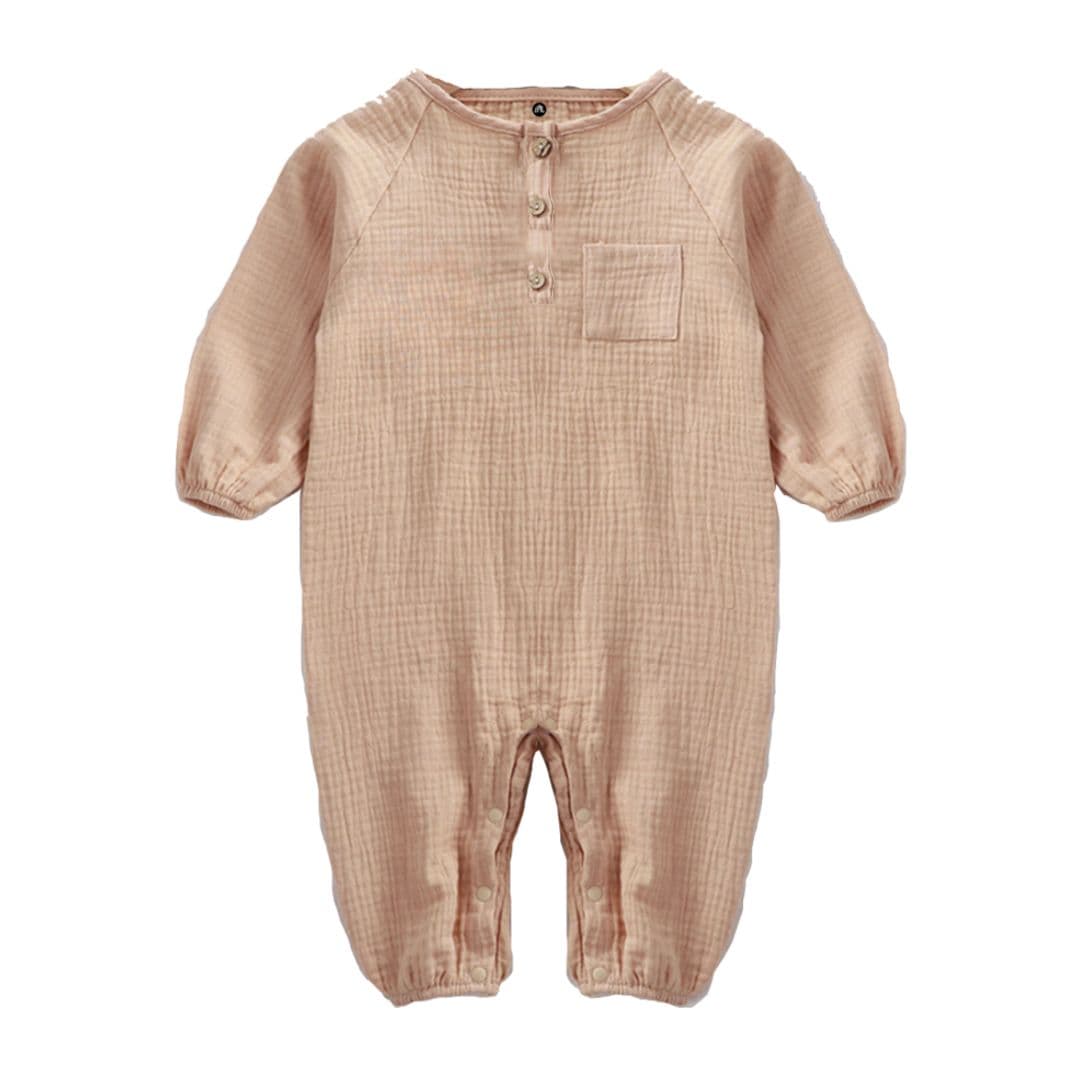
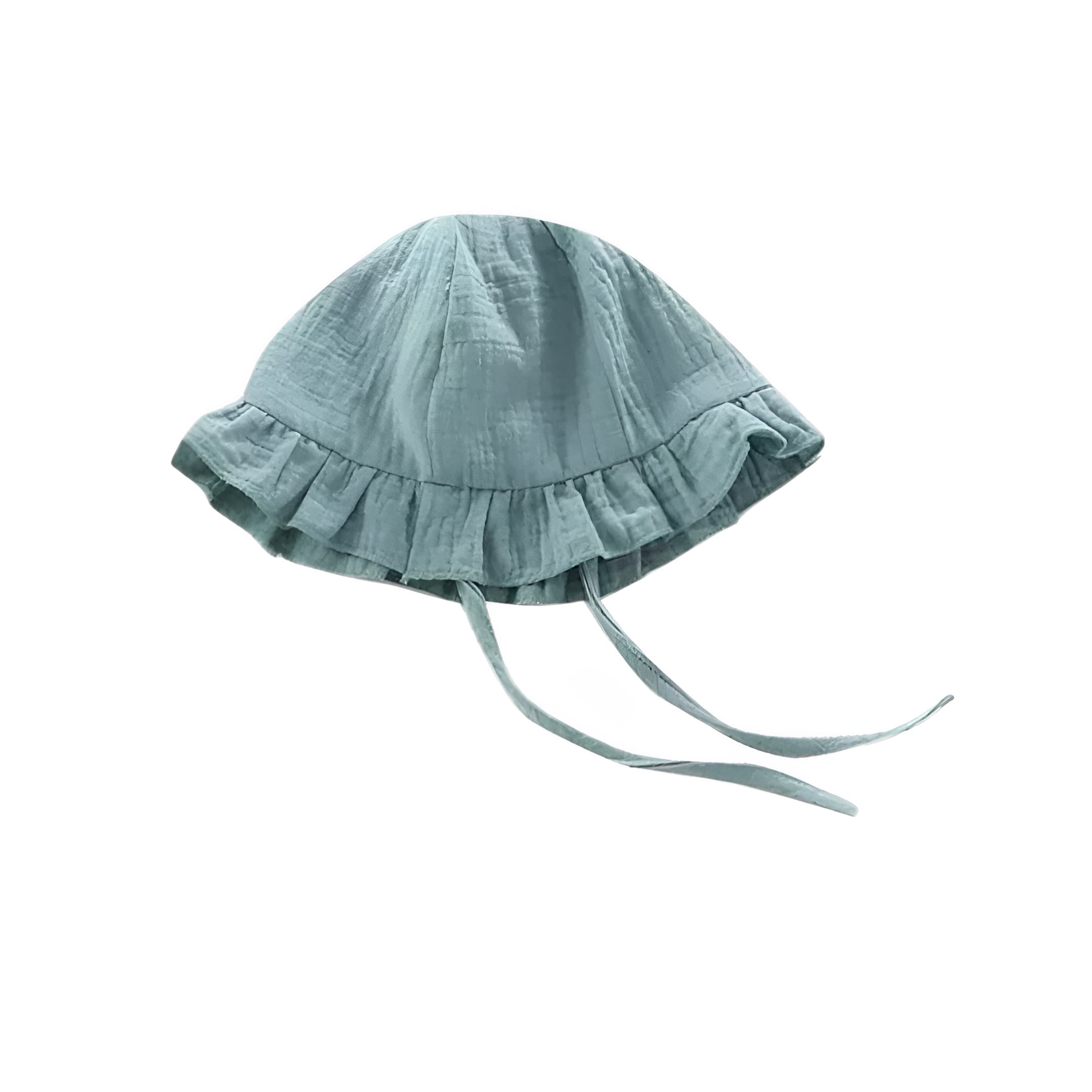
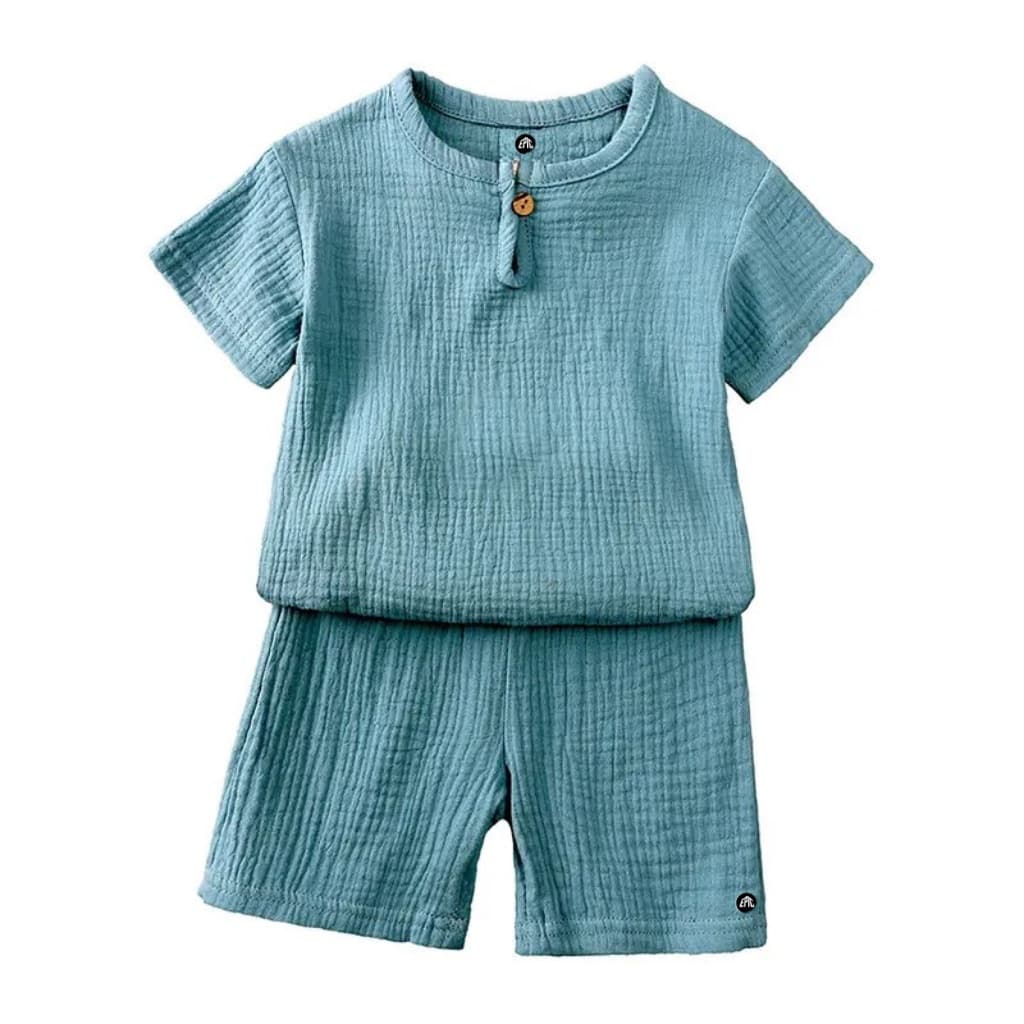
Muslin cotton, made for the heat
Breathable, soft, and built for real tropical days. Our onesies & playsuits are where most families start.