Cloth-Diaper Fit 101: No More Gaps or Squeezy Thighs
Cloth-diaper gaps and squeezy thighs on travel days? Here's the fit fix parents actually need before the next flight or road trip.

The short answer
A cloth diaper fits under a onesie without gapping at the crotch when three points line up: the rise sits at the natural waist (not up under the ribs, not sagging past the hip bones), the leg elastics rest in the crease where thigh meets torso instead of cutting a red line, and the waist snaps are pulled in enough that no triangle of fabric pops open at the crotch when she's sitting, crawling, or up on your hip. Nail those three and the onesie goes on smooth: no bulge, no gap.
What "fit" actually means on a cloth diaper
Most gaps and squeezes come down to the same three adjustment points. Most parents only ever touch one of them.
Rise. Rise is the diaper's front-to-back length, usually set with snaps down the front panel. Too high, and the crotch fabric bunches and pulls sideways, leaving a gap at the leg. Too low, and it undershoots the waist entirely.
Waist. Waist snaps are the closures across the belly that hold the diaper's tension against her body. Loose waist snaps are the single most common cause of a gapping crotch, because the whole diaper shifts downward the moment she moves.
Leg elastics. Leg elastics are the elasticized edges around each leg opening, and they should sit in the natural crease of the thigh, not partway down it. Elastic sitting mid-thigh is what creates that squeezed, indented look in photos, and it usually means the diaper is a size (or a rise setting) too small rather than genuinely too tight.
The gap at the crotch
If you're seeing daylight at the crotch when she sits, check the waist snaps first. A diaper that looks snug standing up can still gape the moment she folds at the hip, because sitting shortens the torso and loosens everything that was "just right" a minute ago. Tightening one waist snap notch is usually the whole fix, not a bigger diaper.
The squeeze at the thighs
If the elastic is leaving a deep line rather than a soft crease, that's a sizing signal more than a settings one. Try the next rise setting up before you try the next size up. Most diapers have more room in the rise snaps than parents use, and going up a full size often just moves the squeeze from the thigh to the waist instead of solving it.
Dressing over it without adding bulk
Cloth diapers sit higher and wider than disposables because of the extra absorbent layers folded into the crotch, so the onesie or romper on top needs extra room through the crotch snaps to close without dragging the diaper sideways. In hot, humid climates, damp skin makes any tight-fitting fabric cling and drag rather than move freely, so a stretchy, lightweight layer matters more than usual, it moves with the extra diaper bulk instead of fighting it, which matters when she's in the same onesie for hours and you don't want fabric tugging at the diaper all day. Snap placement matters here too. If diaper changes feel like a wrestling match, check out snaps versus zippers on baby onesies. Once she's mobile, the same problem shows up again in dressing a crawler right, where knee room and crotch room compete for the same few centimeters of fabric.
What to check before you leave the house
- Two fingers should slide flat under the waist snaps, no more
- Leg elastics sit in the thigh crease, not partway down the leg
- No fabric pooling or twisting at the crotch when she's upright
- Rise snaps set so the diaper covers from waist to just above the leg crease, no bunching
- Onesie or romper crotch snaps close without pulling the diaper off to one side
- A quick sit-down test before you head out, since standing fit and sitting fit are rarely the same
FAQs
How do I know when it's time to size up? It's time to size up when the rise snaps run out, not when the size label says so. If a diaper is already on its loosest rise setting and still leaving red marks at the leg, or a gap the waist snaps can't close, that's the real sizing signal, not the number on the tag.
Should the fit be different once she's crawling versus a newborn? Yes, the fit is worth rechecking once she's crawling, because movement changes what a good fit means. A newborn is mostly lying down, so the fit barely shifts. Once she's crawling and sitting up dozens of times a day, a diaper that looked fine at rest gets tested constantly, so the rise and waist snaps deserve a recheck every few weeks instead of trusting that last month's setting still holds.
Why does it look perfect standing but gap the second she sits? A cloth diaper often looks perfect standing but gaps the moment she sits because sitting shortens the torso and takes up the slack that made the fit look fine standing. Setting the waist snaps for the sitting position first, then checking that it still looks right standing, usually solves the gap in one pass.
A note from Bali
We've spent enough hot, sweaty afternoons chasing a crawling toddler around to know that anything you dress over a cloth diaper needs to move with her, not against her. It's part of why the pieces we carry lean toward soft, roomy cuts through the crotch and legs, so a good diaper fit doesn't have to fight the onesie on top of it. If you're building out that stretch of the wardrobe, our onesies and rompers are worth a look next time you're restocking.
From one parent to another
Dressing a little one for the heat?
Join the EPIC family for honest guides on dressing kids in the tropics, first look at new pieces, and 10% off your first order.
No spam, just the good stuff. Unsubscribe anytime.
Shop the pieces
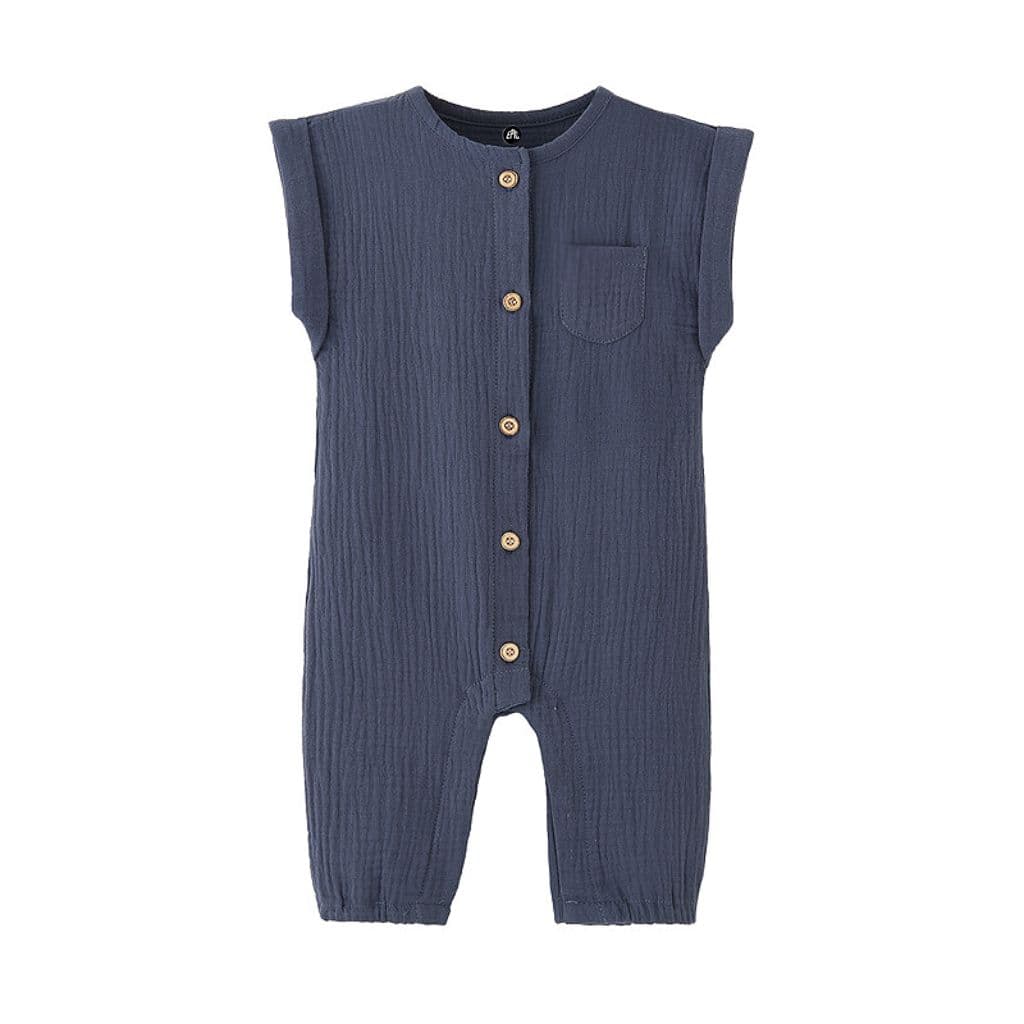
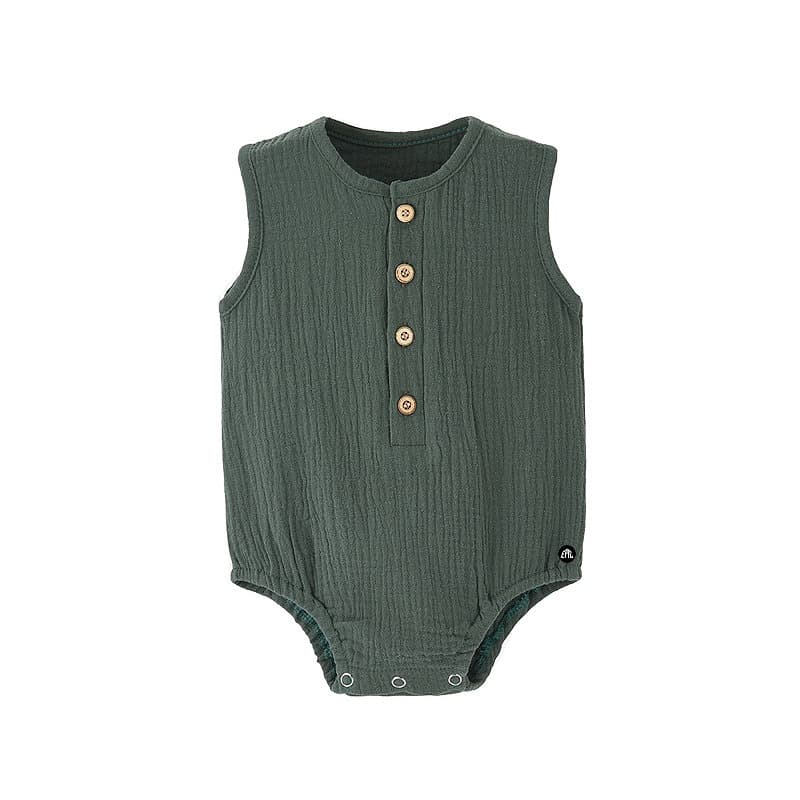
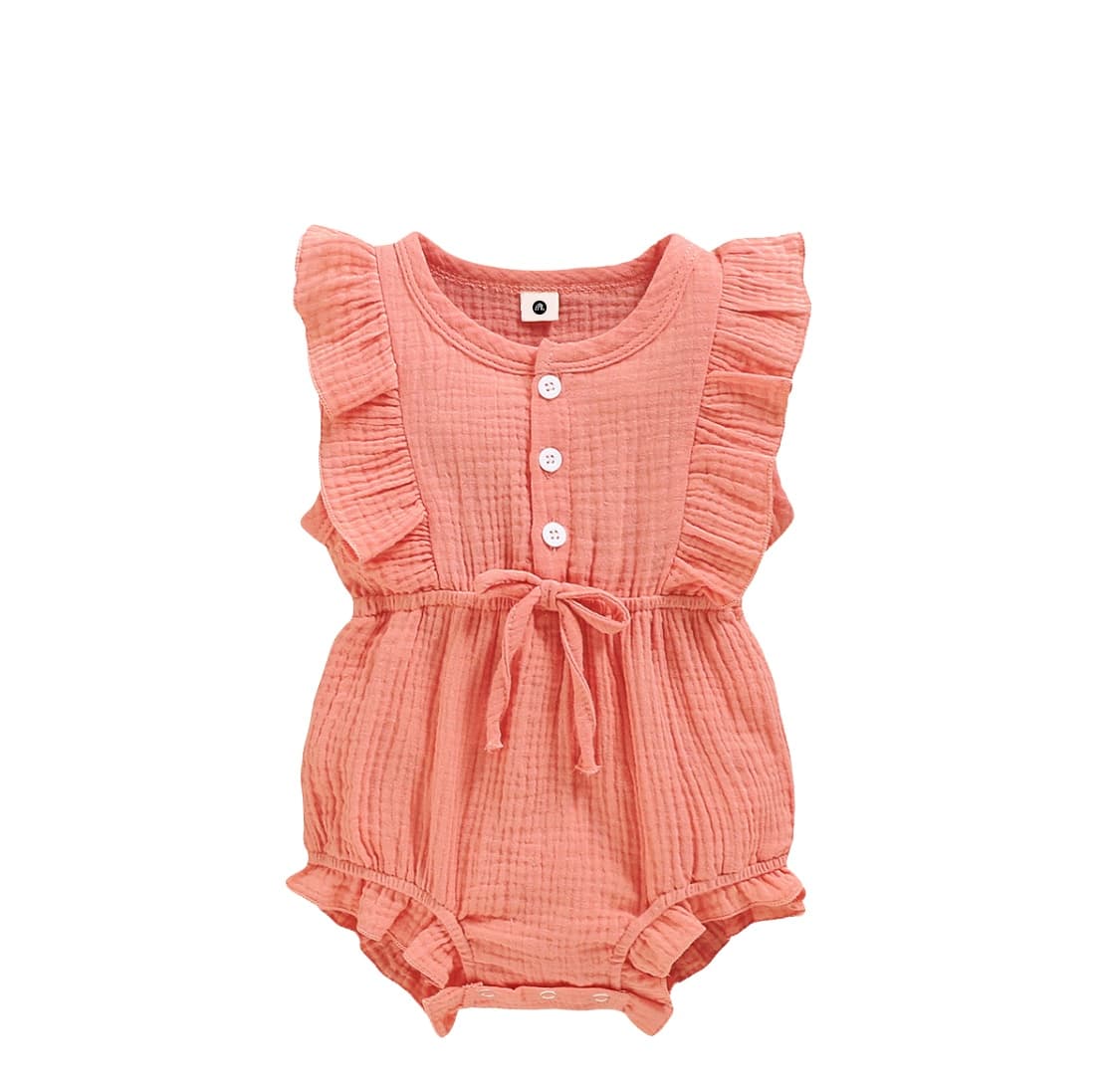
More from Knowmads Bali
Born in Bali · Tested in the tropics
Muslin cotton, made for the heat
Breathable, soft, and built for real tropical days. Our onesies & playsuits are where most families start.