Rain Play in Bali: What's Safe for Toddlers (and What's Not)
Bali's rain won't ruin your trip, here's which puddle-jumping and water play is toddler-safe, and which spots to skip.
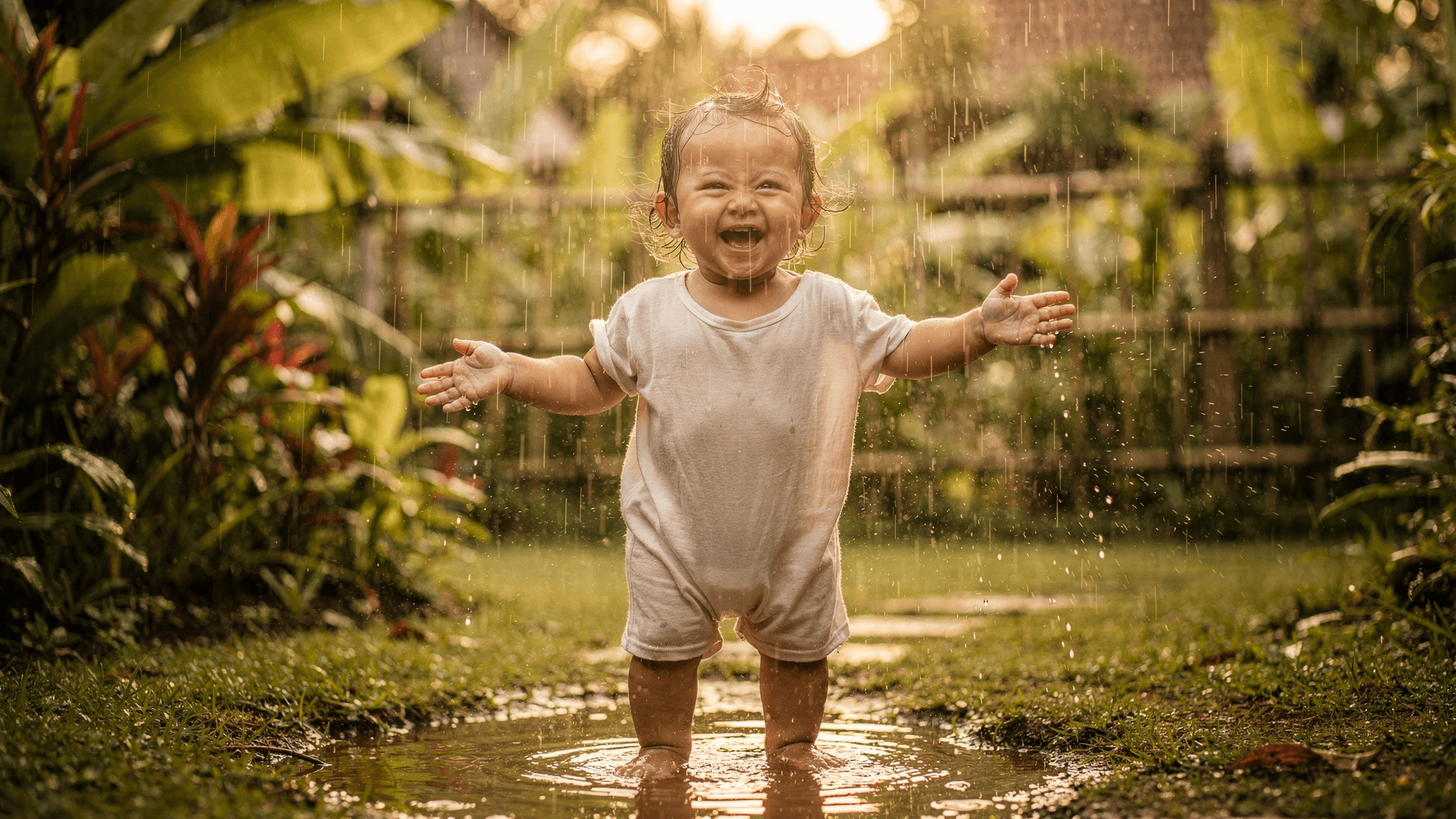
Yes, with a few conditions: skip rain play during thunder and lightning, in street runoff or flooded ditches, and on slippery stone without supervision. A short, warm tropical downpour, the kind Bali gets almost daily in wet season, is otherwise one of the simple joys of raising a toddler here. Check the sky and the ground, not just the rain itself.
Reading the rain before you say yes
Not all rain in Bali is the same rain. A lot of what falls here is a fast, warm, straight-down shower that clears in twenty minutes and leaves the ground steaming. That's the kind most families let their toddler loose in, barefoot on a covered terrace or in a fenced garden, stomping puddles until the sun comes back.
Then there's the other kind: dark sky, wind picking up, that particular pressure-drop feeling before a real storm. Wet season is the roughly October-through-April stretch when tropical showers turn from occasional to near-daily, typically peaking between December and February. It brings both kinds of rain, often in the same afternoon. Most of us judge it by what's around the rain, not the rain itself.
The quick-shower kind
If it's warm, straight down, and the sky isn't doing anything dramatic, a fenced garden, a covered porch, or a shallow puddle in a driveway is low-risk toddler territory. This is the rain play most people picture: bare feet, a bit of noise, no real hazard beyond a slip.
The kind to sit out
Thunder, visible lightning, or heavy wind mean stop, no exceptions. So does a sky that looks like it's settling in rather than passing through. Thunder is the easiest signal: the moment you hear it, bring everyone inside, no matter how much fun gets interrupted.
What actually makes rain play risky here
The rain falling on your toddler's head is rarely the problem. What's underneath their feet usually is.
Runoff and standing water
Street runoff is rainwater that has picked up debris, sediment, or standing contaminants while draining across pavement, gutters, or irrigation channels. Bali's drainage varies a lot by neighborhood, and street gutters, rice-field irrigation channels, and low points in a compound can fill fast with runoff like this. A clean puddle on your own tiled terrace is a different thing from ankle-deep water pooling off the street. Keep toddlers to water you can see the bottom of, on ground you know.
Slippery surfaces
Wet Balinese stone, tile, and moss-covered paths get slick fast, and a toddler's balance is still a work in progress even on dry ground. A supervised patch of grass or a rubber-matted terrace holds up a lot better than polished stone underfoot.
Getting chilled afterward
Bali rain feels warm going in, but a soaked toddler standing around in wet clothes after the fun stops is a different experience than the splashing itself. Most of us have watched a happy, dripping kid go from giggly to fussy in the time it takes to towel off. Get them out of wet fabric and into something dry right away. That's just good practice, and if you're ever unsure what a particular chill or reaction means for your child, that's a question for your pediatrician, not a blog post. We've written more on the swing from wet play to meltdown in After-Swim Meltdowns: The 10-Minute Fix That Stops the Chill; the logic carries over from pool to puddle.
What to check before you say go
A quick mental checklist covers most of it:
- Sky first: no thunder, no lightning, no wind picking up
- Ground second: clean, contained water you can see the bottom of, not street runoff or a flooded ditch
- Footing: grass, rubber mat, or textured tile, not polished stone or moss
- Supervision distance: close enough to catch a slip, every time
- A dry change ready: laid out before the rain starts, not searched for after
- A firm end point: rain play winds down the moment the sky changes its mind, not after
FAQs
Does it rain all day during Bali's wet season?
Rarely. Most days bring one or two heavier bursts with long dry, humid stretches between them. Full-day rain happens, but it's the exception rather than the rule even in the wettest months.
Is Bali rain okay to play in, or is it dirty?
Bali rain itself is generally fine for a toddler to play in; the real variable is what it lands on and mixes with on the ground. Clean, contained puddles on your own property are different from street runoff or standing water near drains and rice fields, and that difference matters more than the rain itself.
What should my toddler wear for rain play?
Any light, non-precious outfit works for rain play in Bali, since it's going to get soaked and need to come off soon after. A dry change waiting nearby matters more than the specific garment, so have one laid out before the rain starts rather than searching for it afterward.
A note from Bali
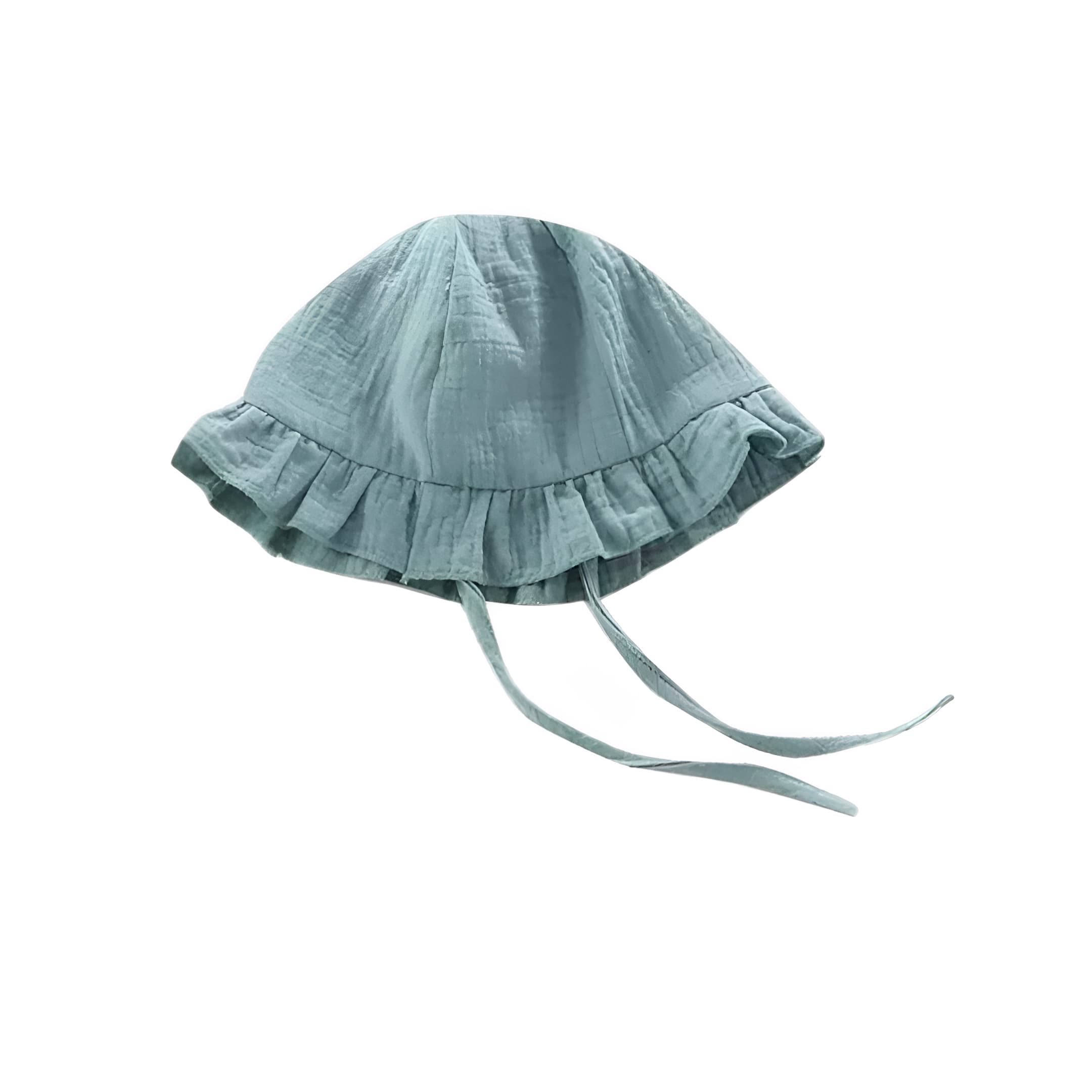
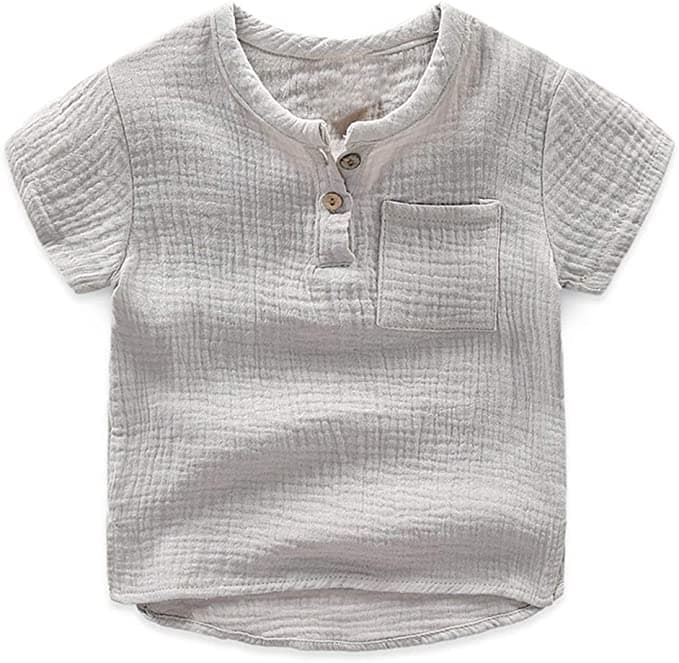
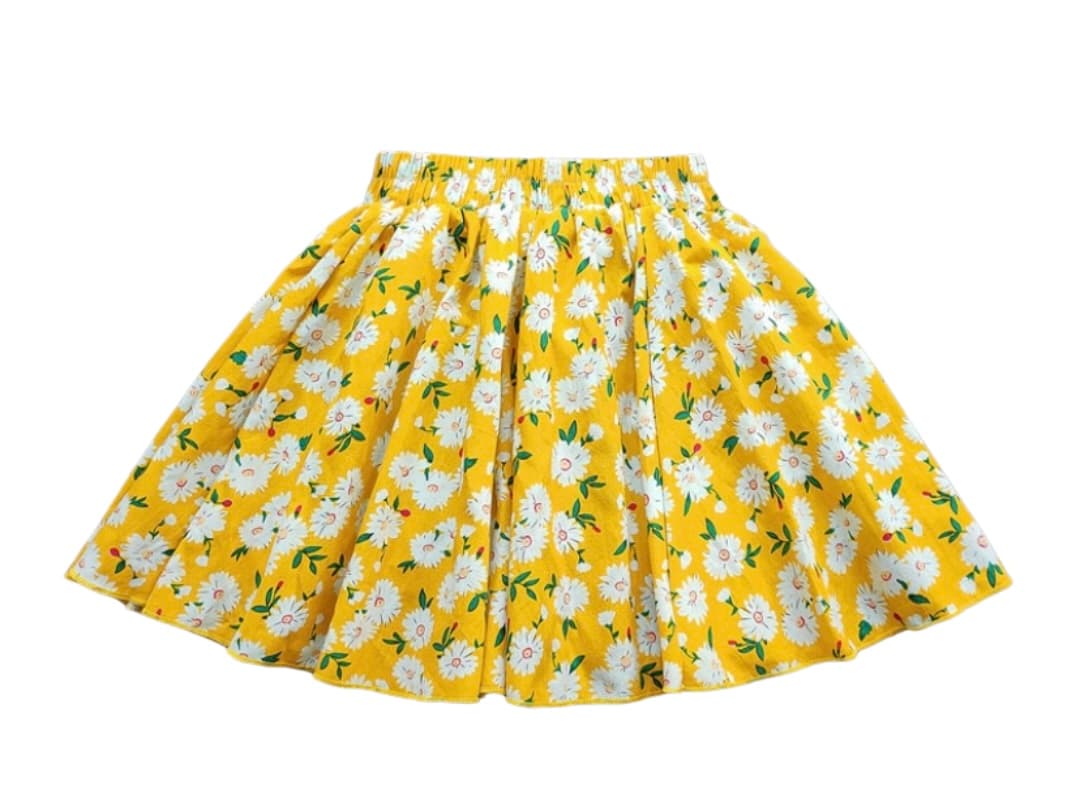
We've spent our own days here around exactly this kind of weather, so we know the drill: quick shower, muddy knees, a towel hunt, repeat. Muslin is a lightweight, open-weave cotton fabric that lets air move through it instead of trapping heat and damp against the skin. That's the same quality we look for in anything a toddler wears after rain play: something that doesn't cling once wet, dries fast, and peels off easily for a dry change. If that's useful to you, our muslin basics are chosen for Bali's weather, not against it. Either way, we hope the next downpour is one your toddler gets to enjoy.
From one parent to another
Dressing a little one for the heat?
Join the EPIC family for honest guides on dressing kids in the tropics, first look at new pieces, and 10% off your first order.
No spam, just the good stuff. Unsubscribe anytime.
Shop the pieces
More from Knowmads Bali
Born in Bali · Tested in the tropics
Muslin cotton, made for the heat
Breathable, soft, and built for real tropical days. Our onesies & playsuits are where most families start.