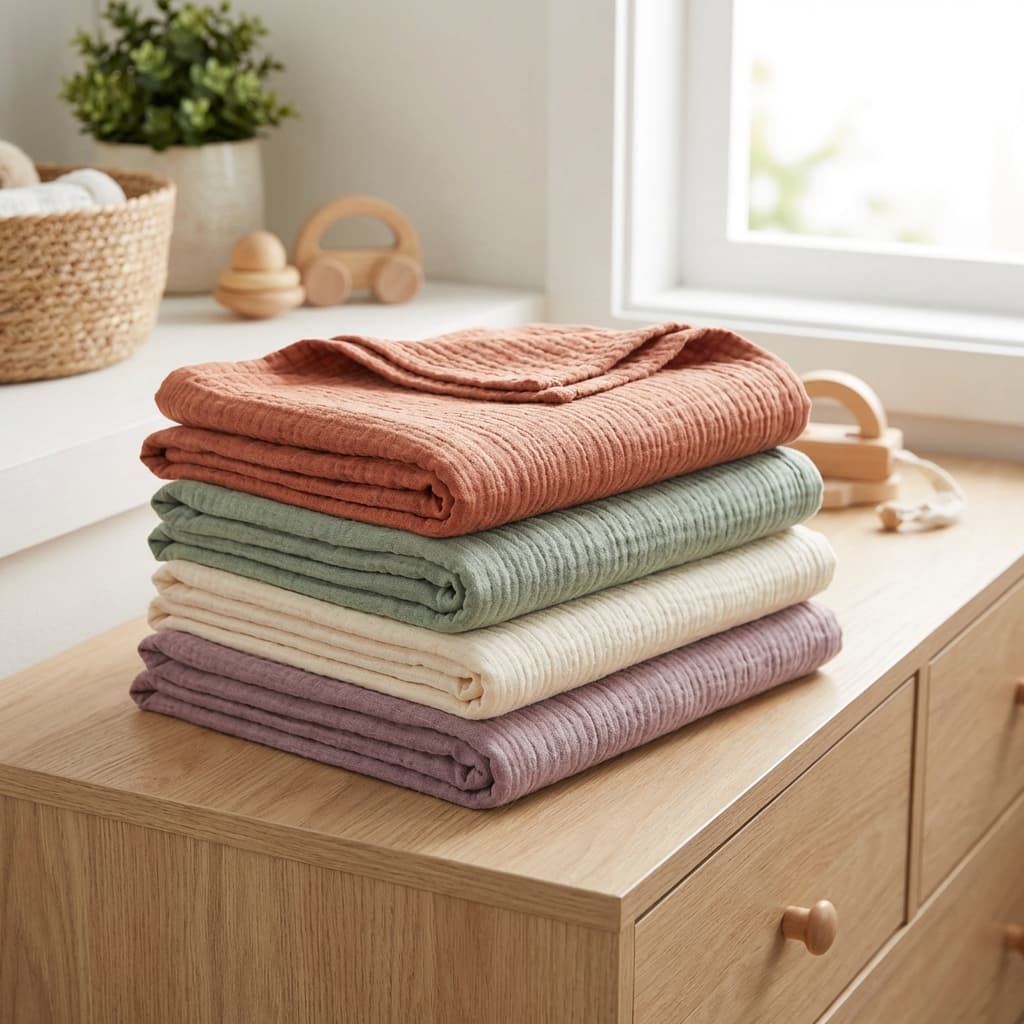
Rig the Net, Keep the Breeze: Bali Crib Airflow Fix
Rig a net over the crib without trapping heat, the airflow fix that keeps mosquitoes out and Bali's night breeze in.

How much does netting a crib actually block the fan's airflow
Netting a crib for mosquitoes costs you almost no airflow when it's rigged right, and almost all of it when it isn't, the net itself is rarely the problem. A wide-mesh net, hung loose with a hand's width of clearance from the mattress and kept out of the fan's direct path, lets most of the moving air pass straight through. The airflow-killer is a tight canopy pinned flush to the mattress. That seals off the one narrow gap the breeze needs to get through.
What actually cuts the breeze (and what doesn't)
Mesh size is how fine or open the weave of an insect net is, the finer the weave, the smaller the gap it leaves for air (and bugs) to pass through. Two things matter more than anything else for airflow: mesh size and how taut the net sits.
A finer mesh, the kind marketed for stronger insect protection, resists air more than a looser weave. But in most Bali bedrooms, that difference is smaller than what a badly placed net does to the airflow. A net that balloons against the fan, or gets tucked so tightly under the mattress that it forms an airtight seal, traps warm air inside no matter how open the weave is. Humid air already feels warmer against skin than moving air at the same temperature, so a stalled net behind a fan is noticeably worse than a loose one, even indoors. A net with room to move lets air keep circulating even through a tighter mesh.
The fabric of the net matters less than parents expect. Polyester resists moisture and dries faster than cotton, which is part of why most insect nets are woven from it, but for airflow, polyester and treated cotton both let air through fine when they're hung with slack. The tension is doing most of the work, not the material.
Where to hang the net so the fan still does its job
Get the geometry right and this stops being a trade-off.
- Give it a gap. Leave a hand's width of clearance between the net and the mattress on every side, not just the top. A net that hugs the mattress edges seals in still air even with the fan running.
- Keep the fan off the net itself. Angle it so air enters through an open side of the net and moves across the crib, instead of hitting the mesh straight on and deflecting back out.
- Use a frame, not a draped canopy. A net frame is a rigid hoop or stand that holds mosquito mesh away from the mattress on every side, unlike a canopy that drapes down and rests against it. A standalone net frame or crib-mounted hoop keeps the mesh off her on all sides; a canopy that rests on the mattress or crib rail collapses the airspace the fan needs to push air through.
- Point the fan to create circulation, not a direct blast. A gentle sweep across the room, not a single jet aimed at her face through the mesh, moves more air around the net over time.
- Check it after she's settled. Nets shift once a baby moves around at night. A quick look before you turn in catches a corner that's dropped onto the mattress and sealed a gap shut.
Get this right and you won't be able to tell netted airflow from unnetted airflow by feel.
What she wears under the net matters too
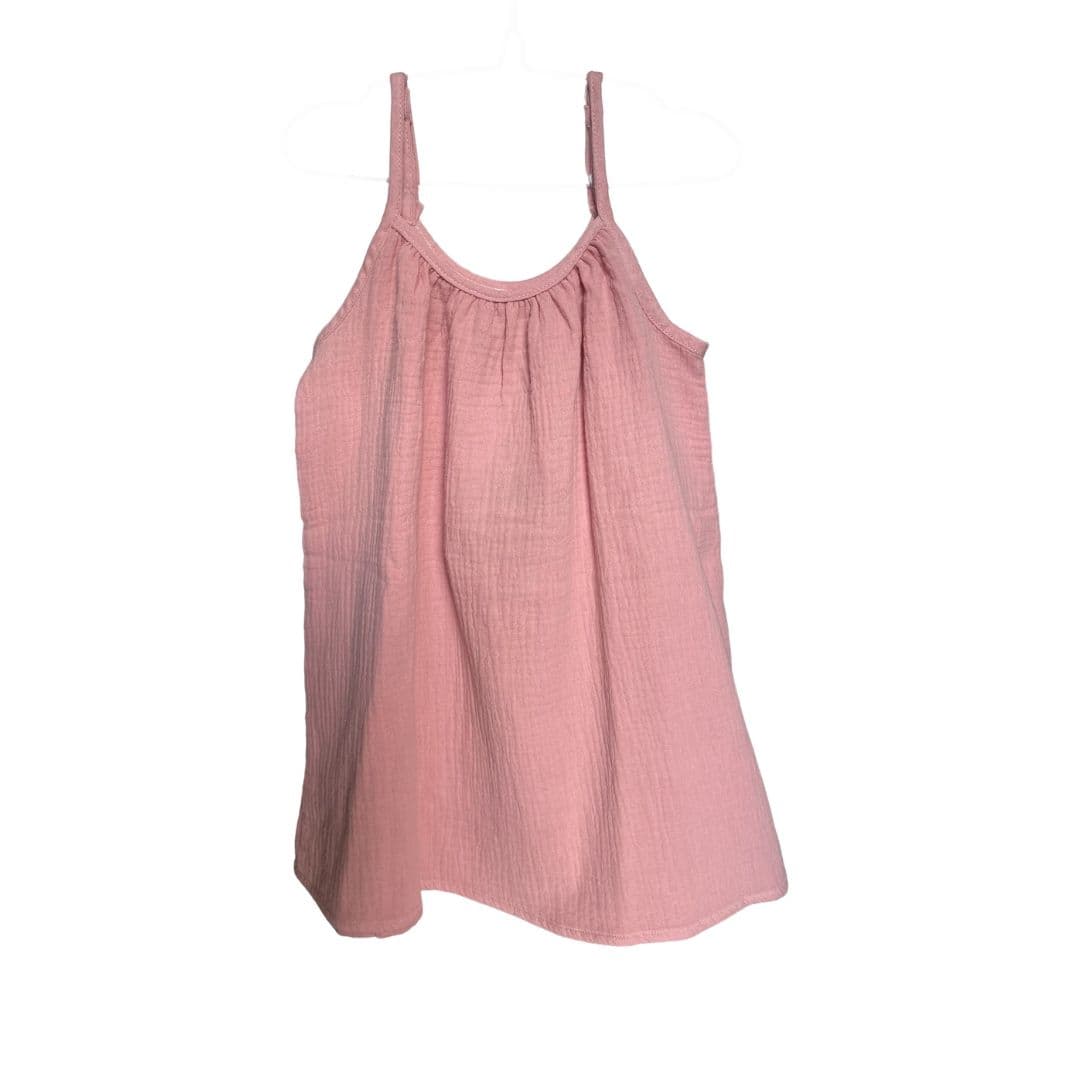
Even a well-hung net slows the air a little, so what touches her skin under it matters more than it does elsewhere. We reach for the lightest piece in the drawer for the crib, and save heavier ones for rooms where air moves more freely. A breathable muslin layer moves air across the skin more easily than a heavier knit, which matters more under a net than it does out in the open room.
If mosquitoes are the reason you're netting the crib, daytime dressing works the same way. We've gone deeper on what works for dressing a baby to beat Bali's mosquitoes, and on the broader question of what actually works when she's too hot to sleep, which covers airflow, fans, and room setup beyond just the net. If heat rash is why you're watching airflow this closely, this guide to humid-weather dressing is worth a read too.
FAQs
Can I aim the fan straight at the net?
Aiming a fan straight at a crib net usually backfires. The direct blast hits the mesh and deflects instead of passing through it, which pushes less air into the crib than an angled fan would. A sweep or oscillation that moves air past an open side of the net circulates more air through the crib overall than a direct blast ever does.
Does mesh size matter more than the net material for airflow?
Mesh size and net material matter less for airflow than most parents assume. A finer mesh resists air slightly more than a loose weave, but how taut the net is hung and how much clearance it has from the mattress make a bigger difference than either the mesh size or the fabric it's made from.
My crib doesn't have a net frame. How do I hang one without it touching the mattress?
A standalone canopy frame or a hoop that clips to the crib rails works best for keeping a net off the mattress, since it holds the mesh away on every side, not just the corners. If you're draping a net without a frame, tuck it out further than feels necessary, too much clearance beats a snug fit that traps still air.
A note from Bali
Airflow in a netted crib looks like a trade-off until you rig it right. After that, you stop thinking about it every night. When we dress her for the crib, we look for the same thing we look for in how the net hangs: something light enough to let air move. That's what we check before anything goes in the shop.
From one parent to another
Dressing a little one for the heat?
Join the EPIC family for honest guides on dressing kids in the tropics, first look at new pieces, and 10% off your first order.
No spam, just the good stuff. Unsubscribe anytime.
Shop the pieces
More from Knowmads Bali
Born in Bali · Tested in the tropics
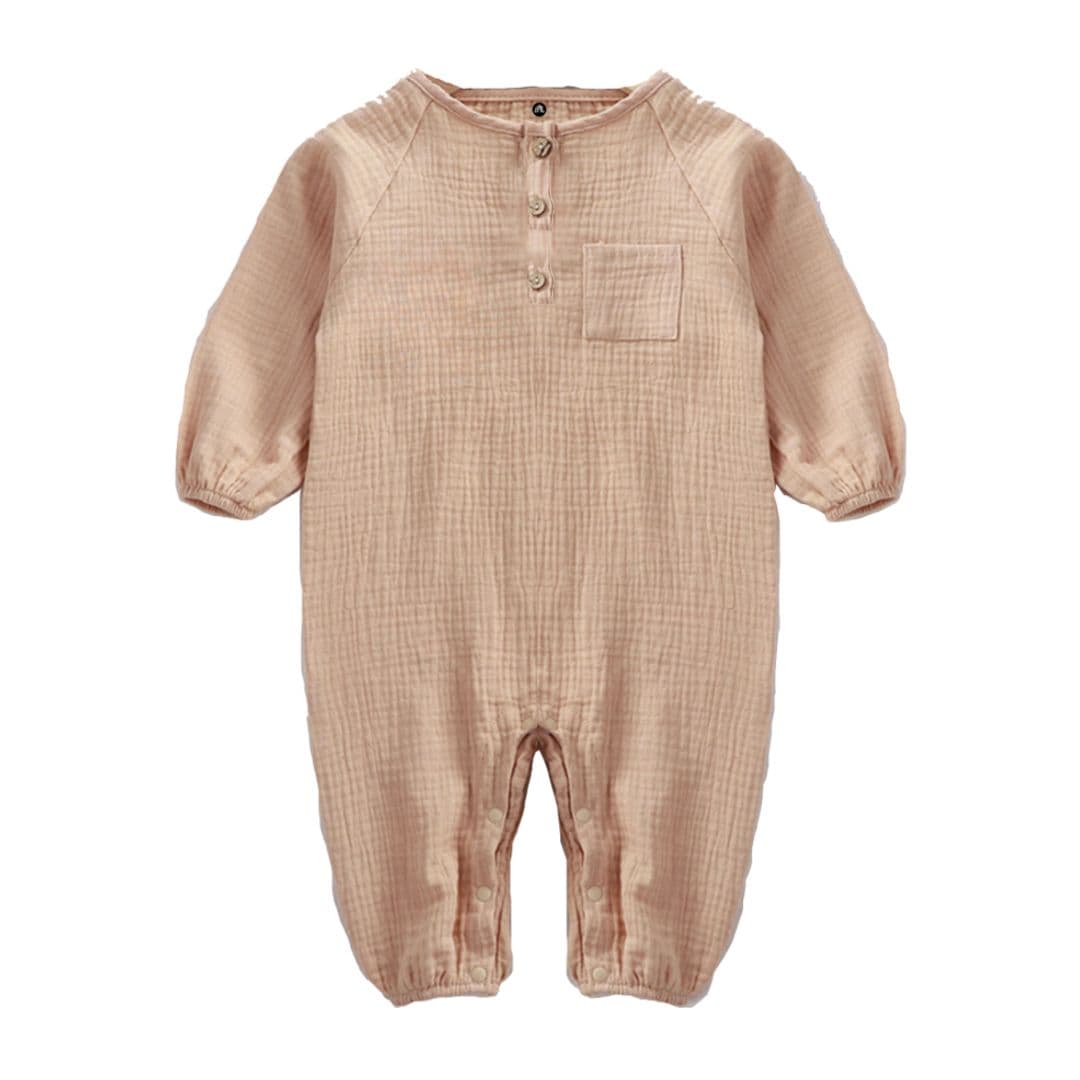
Muslin cotton, made for the heat
Breathable, soft, and built for real tropical days. Our onesies & playsuits are where most families start.