Surviving the 10-Hour Mudik Drive With a Baby
Surviving a 10-hour mudik drive with a baby: realistic feeding, sleep, and stop-planning tips to keep everyone sane on the road.

To survive a 10-hour mudik drive with a baby, build the trip around your baby's sleep schedule instead of the clock: leave close to a nap or bedtime, stop every 90 minutes to two hours for a diaper check and time out of the car seat, and dress your baby in light, breathable layers so the ride stays comfortable.
Mudik is the annual exodus of Indonesians traveling from cities back to their hometowns around Lebaran, and it turns Java's and Bali's roads into hours of stop-and-go traffic. A baby in the back seat adds problems most guides skip. The idea holds every time: the drive goes easier when the baby sets the pace, not the clock.
Time the drive around sleep, not traffic reports
Leave early to beat traffic, and you often end up with a wide-awake, overstimulated baby staring out the window for ten hours. It usually works better the other way. If your baby naps predictably or goes down easily at night, aim your departure at the start of that window. A baby who falls asleep in the first twenty minutes and stays down for two or three hours has done a real chunk of the drive for you.
Night departures work for some families and not others. A quiet car after dark can extend sleep, but it also means driving unfamiliar roads and finding rest stops in the dark. Weigh that against your own alertness behind the wheel, not just the baby's schedule.
Build in real stops, not just fuel stops
A stop every 90 minutes to two hours is a reasonable rhythm for most babies, more often in the earliest months. Use these stops for the things that are hard to do at 80 km/h: a full diaper check and a few minutes out of the car seat entirely. If your baby is on solids, this is also a natural moment to hand over easy, low-mess snacks. If you're not sure what travels well without falling apart in a hot car, these snack ideas built for Bali's heat hold up just as well on the road.
Keep a rest-stop diaper change fast and low-drama with a system you've practiced at home first. A one-hand diaper-change trick works well for exactly this kind of quick roadside change.
What actually earns a spot in the car
A long drive rewards packing light and specific, not packing everything you own. What we keep within arm's reach in the front seat:
- A soft muslin or cotton layer to change into if the current outfit gets sweaty or messy
- A few of the snacks above, portioned into small bags
- A refillable water bottle for you, not just the baby
- Wipes and a spare diaper stash bigger than you think you need
- A small towel or muslin square for spills or a quick changing surface
- One or two familiar comfort items, nothing new that could overstimulate
Dressing baby for hours in a car seat
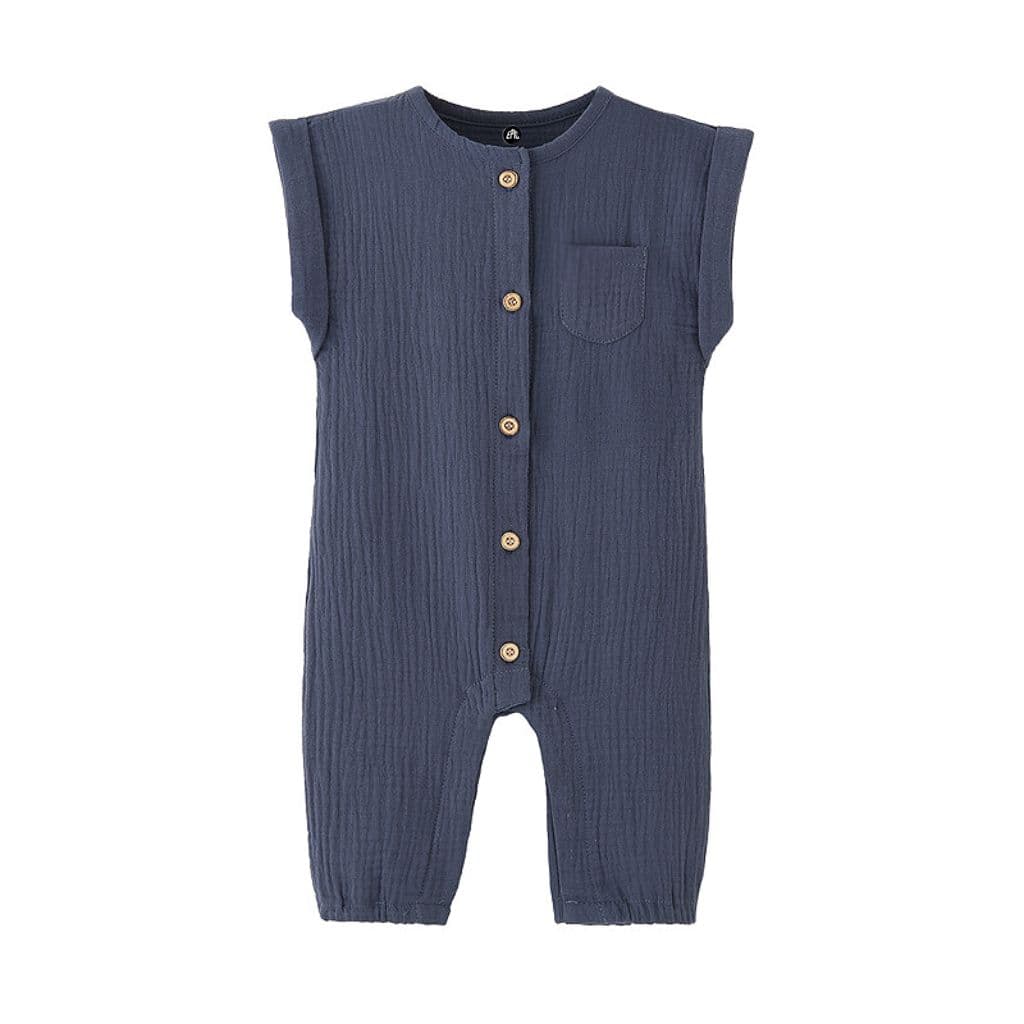
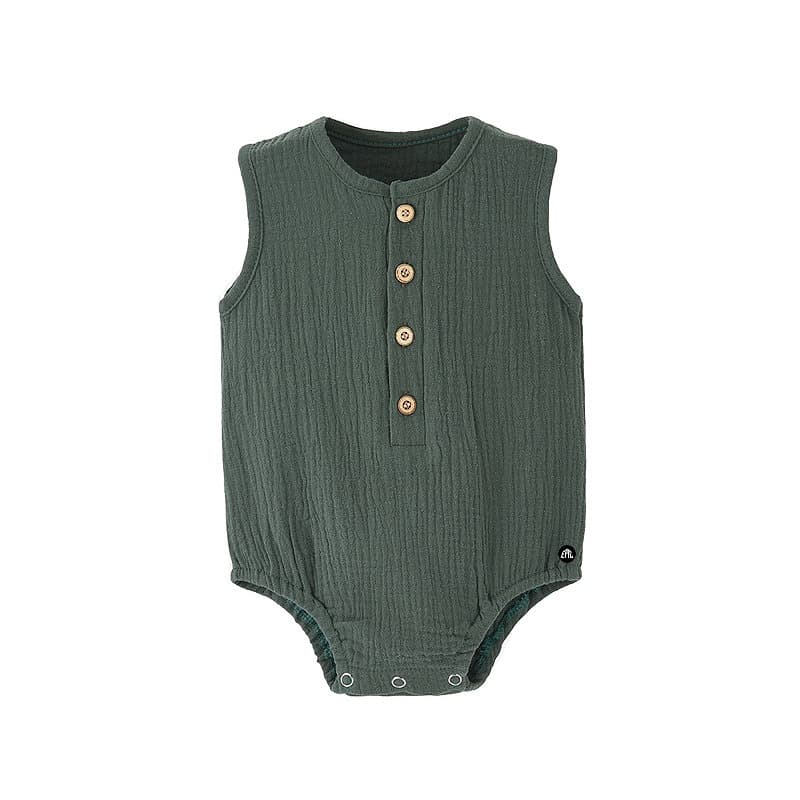
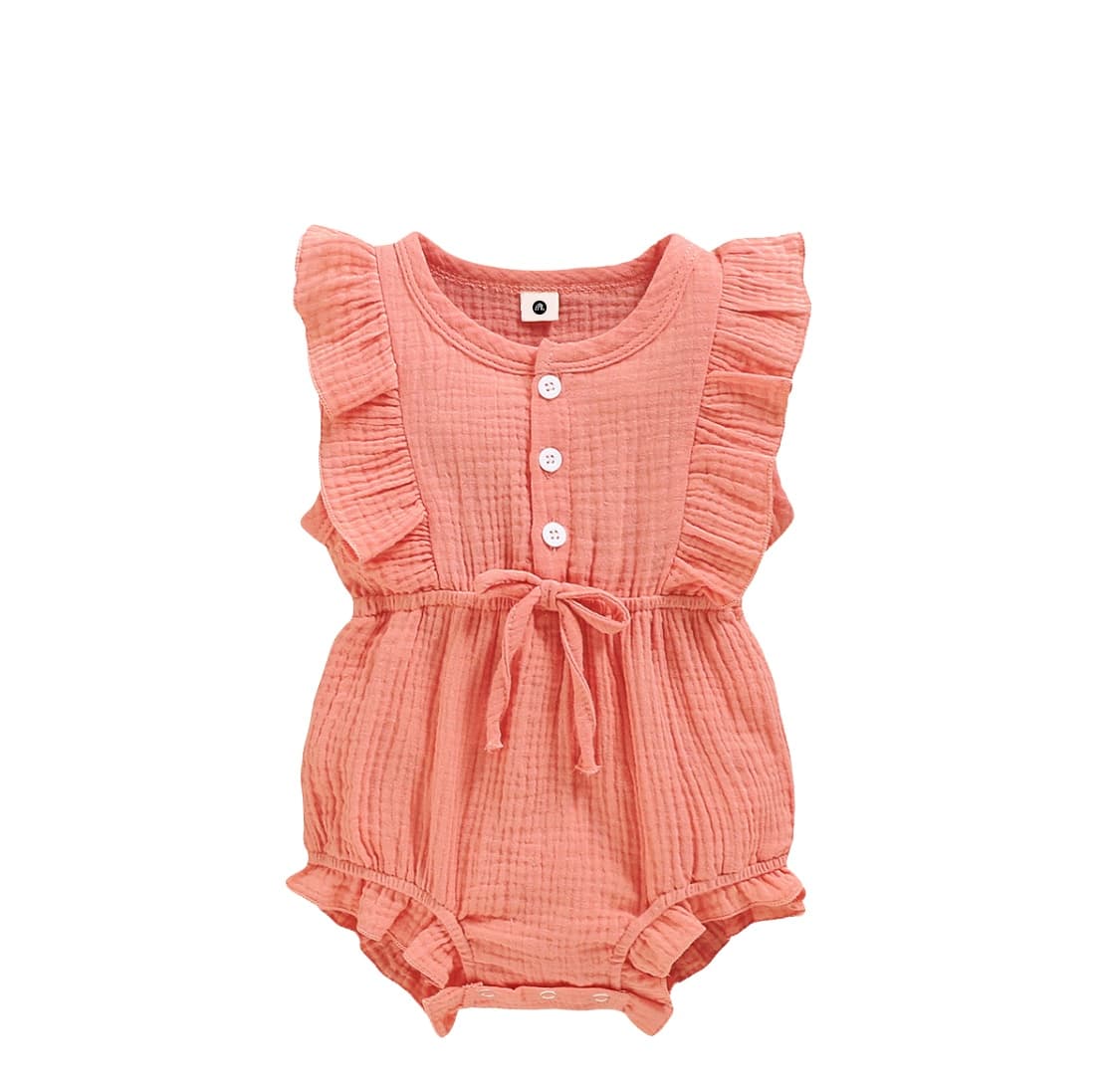
Ten hours in a car seat is a long time in one outfit, and what your baby wears matters more on this trip than on a normal day out. Bulky seams and buttons or snaps along the back of the seat press marks into skin over a long sit. Lightweight pieces that move easily at the hips and shoulders keep the seat straps sitting right and give a baby room to shift position, since they can't get up and walk around like you can at a rest stop. In humid tropical air, sweat sits on the skin instead of evaporating the way it would in dry heat, so a loose weave that lets air move through does more for comfort than the fabric's weight alone. Muslin's open weave is built for exactly that kind of airflow, which is why it stays cool against skin even strapped into a seat for hours.
If you're still working out how much to pack for a trip like this versus a normal week, the one-bag approach we use for climate-swap travel scales down well for a single long drive too.
FAQs
What time should we leave for a long mudik drive with a baby? Line up your departure with the start of a nap or the evening sleep window rather than a fixed clock time. A baby who sleeps through the first stretch of a long mudik drive banks real distance before anyone gets restless, which makes the rest of the trip easier to manage.
How often should we actually stop? A stop every 90 minutes to two hours is a workable default for a long car trip with a baby, more often in the earliest months. Use each stop for a full diaper check and a few minutes out of the car seat, not just for fuel.
Should we drive through the night instead of during the day? Driving through the night works well for some families and poorly for others, since the decision depends more on the driver's alertness than on the baby's schedule. A dark, quiet car can extend a baby's sleep, but that only helps if the driver is rested enough to handle unfamiliar roads after dark.
A note from Bali
We know the outfit under the seatbelt matters more than it sounds like it should, because it's the same idea behind why Epic exists: clothes that keep up with a tropical day, whatever kind of day it is. It's part of why we look for pieces with room to move at the hips and shoulders, soft against skin that's already had a long day. If you're packing for your own drive, our rompers and onesies are worth a look before you go.
From one parent to another
Dressing a little one for the heat?
Join the EPIC family for honest guides on dressing kids in the tropics, first look at new pieces, and 10% off your first order.
No spam, just the good stuff. Unsubscribe anytime.
Shop the pieces
More from Knowmads Bali
Born in Bali · Tested in the tropics
Muslin cotton, made for the heat
Breathable, soft, and built for real tropical days. Our onesies & playsuits are where most families start.