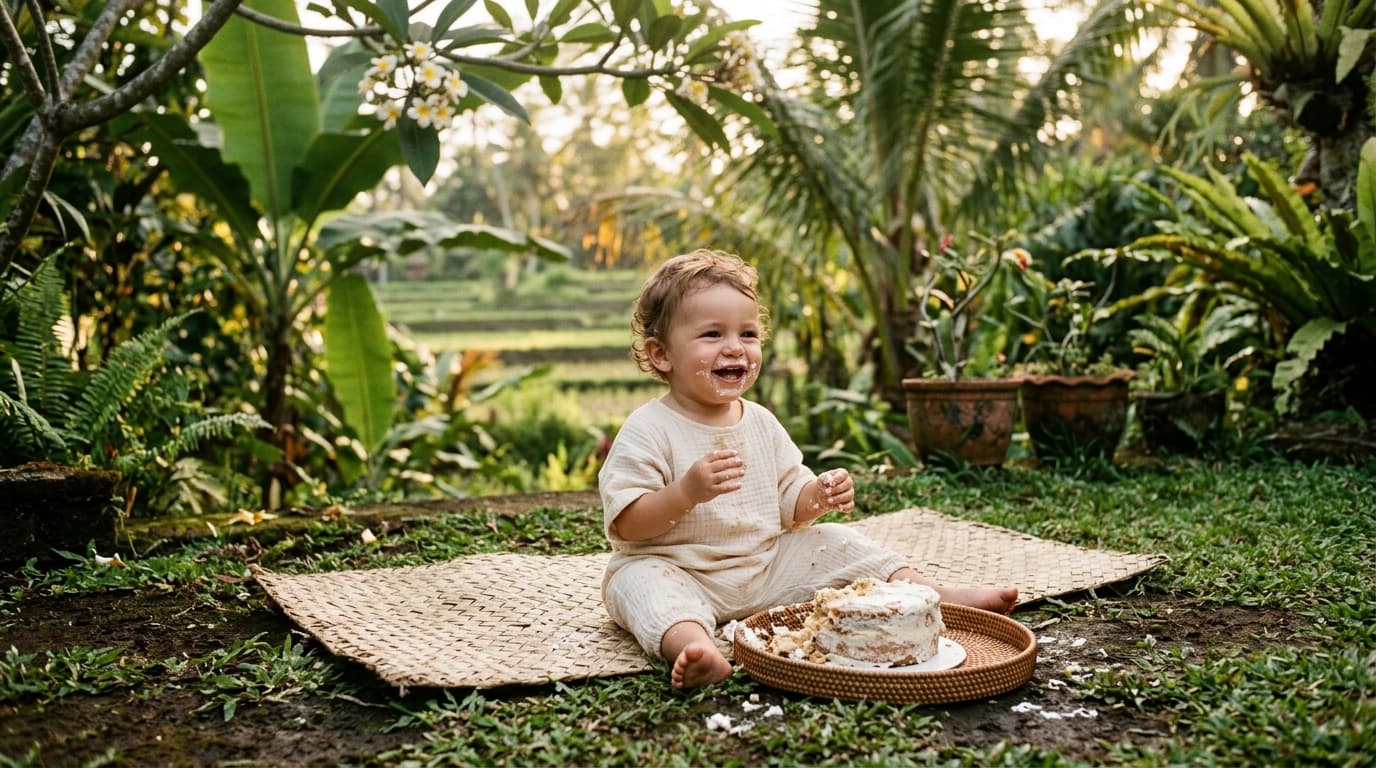
Muslin vs Linen in Bali Heat: Which One Actually Wins?
Muslin breathes, linen wrinkles fast in Bali's humidity, see which fabric actually keeps your kid cool and comfy on hot travel days.

Muslin vs linen in Bali heat: the quick answer
Muslin is better than linen for baby clothes in hot, humid climates like Bali. Its loose, gauzy weave lets air move through and moisture evaporate fast, so it dries quickly against warm skin. Linen breathes too, but starts out stiffer and heavier, and only softens after years of washing. On a young child, that early stiffness means linen runs warmer at first than it will later.
That's the short version. The longer version depends on what you're actually dressing your child for, because "hot weather fabric" isn't one category. A daytime playsuit and a going-out-to-a-warung outfit ask different things of a fabric, and muslin and linen answer those questions differently.
What actually makes a fabric feel cool here
Bali's climate isn't just hot, it's humid, which changes the equation. A fabric can be breathable and still feel clammy if it doesn't also manage moisture. Three things matter more than the fiber name on the label: how open the weave is, how much fabric sits against the skin at once, and how fast it dries once it's damp.
Muslin in the heat
Muslin is a loosely woven cotton fabric, often used in two thin layers rather than one thick one. That open weave is what lets it drape soft, move easily, and let air circulate freely against the skin. Because the fabric itself is light, it dries quickly after a wash, a spit-up, or an afternoon in the pool. It feels cool against the skin from the first wear, with no breaking-in period.
Linen in the heat
Linen is a fabric woven from flax fibers, with a slightly textured weave that holds cloth off the skin rather than clinging to it. Some parents like that structure for older toddlers, since it adds a bit of airflow. But linen yarn is stiffer than cotton, so new linen garments feel structured and heavier until repeated washing relaxes them. A baby can't say if she's too hot, so that early stiffness can matter more than it would for an adult who's happy to wait linen out.
Where each fabric earns its place
This isn't a contest with one winner for every situation. If you've read our guide to what to wear a baby in Bali, you'll know the honest answer is usually "it depends on the moment of the day."
Linen works for structured outings: a temple visit, a wedding, photos, anywhere a bit of crispness reads as "dressed" rather than "loungewear." It also holds up over years of wear, which matters for pieces meant to pass between siblings or seasons.
Muslin tends to win for the hours that make up most of a tropical day: naps, car rides, floor time, anything where the fabric needs to move with a small body and dry out fast between sweaty spells. Its softness from the first wash is also why parents choose it for sensitive newborn skin before anything else. If you want to know what makes muslin behave this way, our explainer on what muslin is breaks down the weave itself.
What to look for, whichever fabric you choose
- A loose or slightly textured weave you can see light through when held up
- Lightweight feel in the hand, since layers add up fast in humidity
- Room to move at the shoulders, hips, and knees, not just a soft fabric on a tight cut
- A style that's easy to change fast, since tropical days mean more outfit changes than cooler ones
- Colors and prints you don't mind seeing fade a little, since muslin softens and takes on character with wash and wear
FAQs
Can I mix muslin and linen in the same wardrobe? Yes, most families do. Muslin covers the bulk of daily wear because it moves and dries fast, while linen works well for the pieces meant for a specific outing or a longer rotation between siblings.
Does linen get more comfortable over time? Yes, linen softens and drapes more easily after repeated washing and wearing, though how quickly that happens varies by weave and garment.
Is one fabric automatically better for very young babies? There's no single rule for every baby. Muslin's softness straight out of the wash is why it's a common first fabric for newborns, and why it shows up in swaddles and wraps before anything structured.
A note from Bali
We started Epic because we couldn't find clothes that were actually right for her tropical life, and how a fabric handles heat was at the center of that search. It's part of why, when we pick pieces to stock, we look for the same things this list does: an open weave, real lightness, and room to move.
If muslin sounds like the fabric your family's missing, our shop is a good place to start.
From one parent to another
Dressing a little one for the heat?
Join the EPIC family for honest guides on dressing kids in the tropics, first look at new pieces, and 10% off your first order.
No spam, just the good stuff. Unsubscribe anytime.
Shop the pieces
More from Knowmads Bali
Born in Bali · Tested in the tropics
Muslin cotton, made for the heat
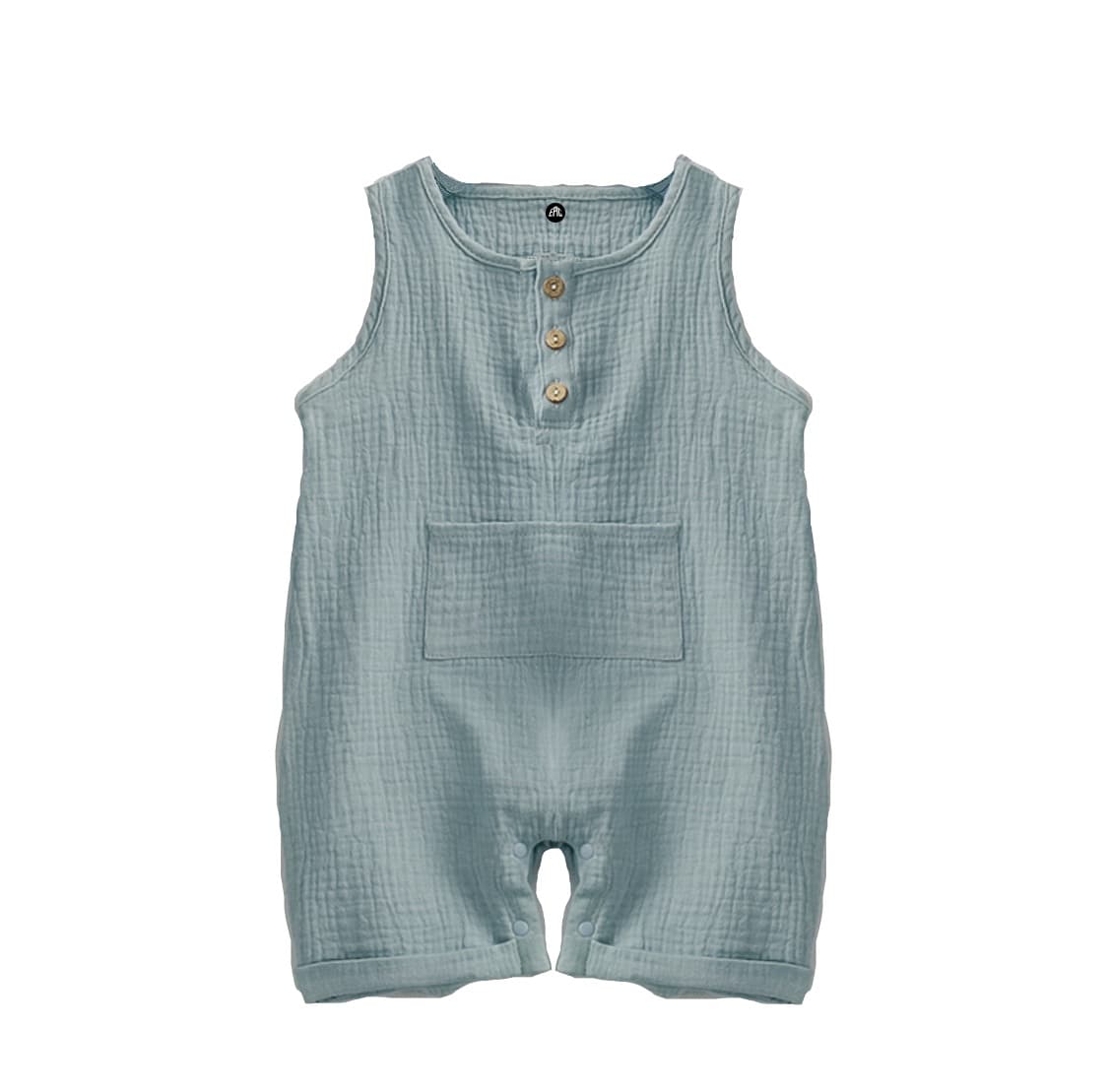
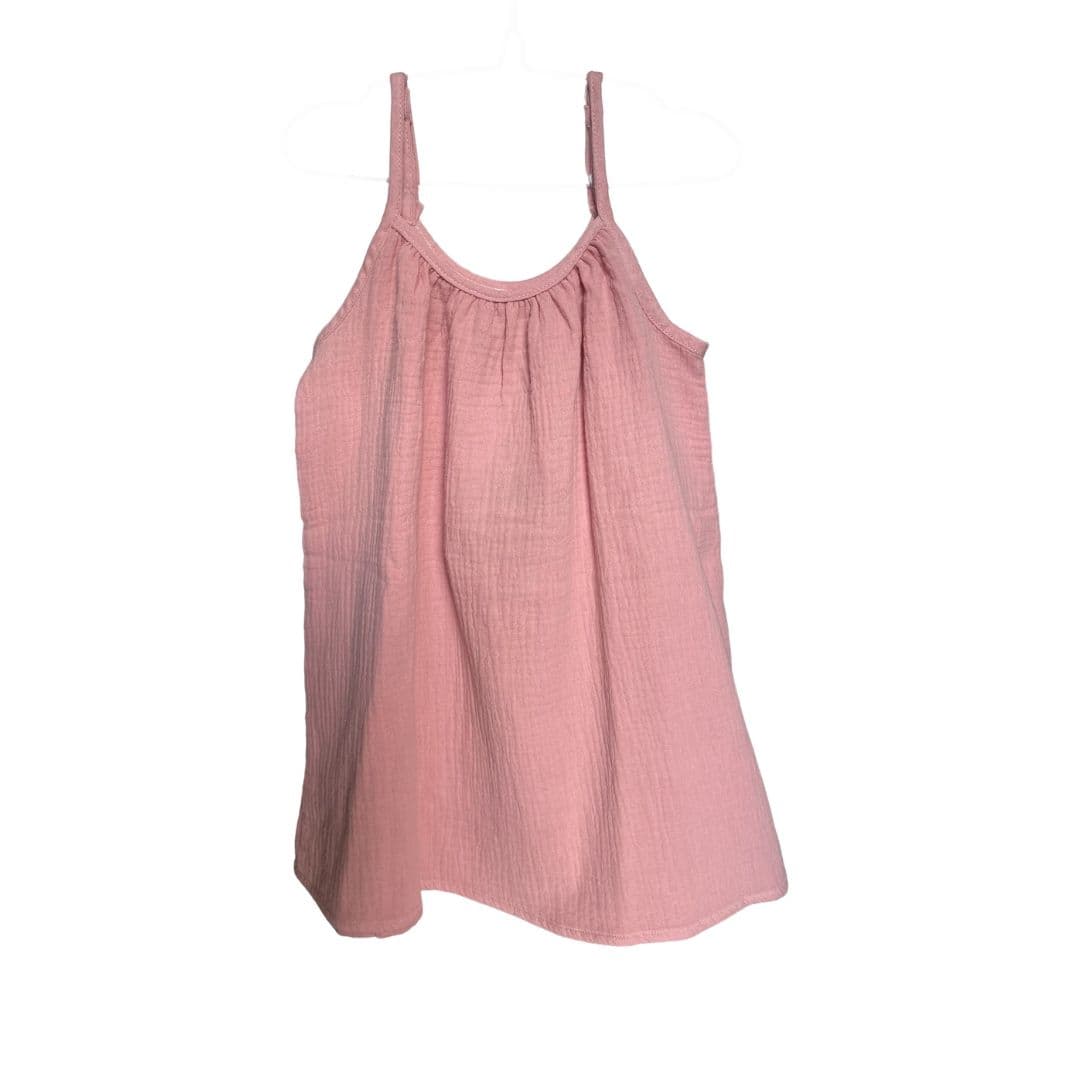
Breathable, soft, and built for real tropical days. Our onesies & playsuits are where most families start.