Why Asking Your Nanny to Cook Feels Wrong (But Isn't)
Letting your nanny cook isn't a confession of failure, it's how traveling parents protect routine, nutrition, and sanity on the road.
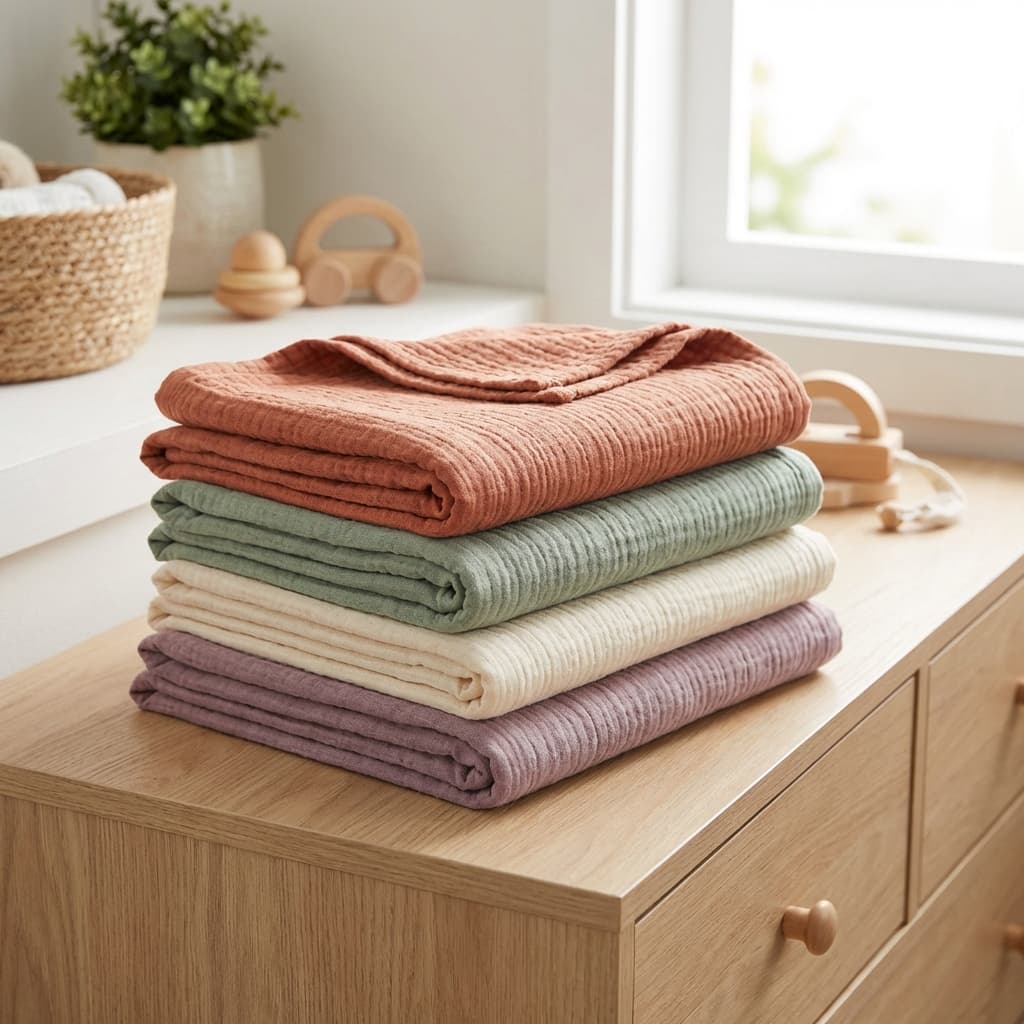
It feels wrong to ask your nanny to cook dinner or do the laundry because "nanny" and "housekeeper" feel like two separate jobs in your head, and combining them can feel like quiet exploitation. In Bali, household help often blends both roles. That discomfort deserves to be taken seriously. Whether it reflects something actually wrong tends to depend on one thing: whether the arrangement is named out loud and paid for fairly.
Where the guilt actually comes from
Most of us didn't grow up around household staff. We grew up watching our own mothers do everything themselves, and some part of that script runs when we hand someone else a task we associate with love: cooking dinner, running a bath. Asking a person we're paying to also do that work can feel like outsourcing the "mom part," not just the labor part.
There's also a power dynamic most of us have never had to handle before. In our home countries, a nanny was a nanny and a cleaner was a cleaner, and the lines were drawn by an agency or a contract we never had to think about. Here, you're often the one drawing the lines, in someone else's country, with someone else's norms. That ambiguity is where the guilt lives. The laundry is just the trigger; underneath it is a harder question: are you being a fair employer or just a convenient one?
Why it usually isn't wrong
A combined household role is one where a single helper covers childcare plus cooking or light housework, instead of splitting those into two separate hires. In Bali, this setup is common. The arrangement only turns unfair when the scope keeps growing without a conversation and without the pay growing to match it. At that point, the right response is a plain conversation about pay, the kind any growing job eventually needs.
The fix isn't to never ask. It's to ask early and clearly, with the raise already attached. Most people who feel strange about this aren't bad employers. They're just improvising a role that nobody handed them a template for. Delegating the work doesn't delegate the worry that comes with it, and that lingering watchfulness is often what people mistake for guilt about the task itself.
What to settle before you ask
A short conversation now saves months of quiet resentment on both sides. Before you add cooking or laundry to someone's role, settle:
- What the core job is: write down what you hired them for, even informally, so additions are visible as additions
- What counts as "extra": child's meals and laundry are usually a natural extension; family meals or deep cleaning usually aren't
- What it's worth: a rough monthly rate for the added hours, not a vague "I'll make it up to you"
- How it can change: a month where it's too much should be easy to say out loud, for both of you
- Who decides when help is unavailable: know your backup plan before you need one, because what to do when that help disappears for ten days is a much worse time to figure it out
One thing that cuts the ask down: less laundry to begin with. Thin, loosely woven cotton holds less water than denser fabric, so it tends to dry faster instead of staying damp for long stretches. That's less to wash, less to hand off.
FAQs
Is it normal in Bali for a nanny to also cook and clean? Yes. Combined household roles, childcare plus cooking or light housework, are common in Bali. The arrangement stays fair as long as the full scope is agreed on upfront and paid for accordingly.
How do I ask for more without it feeling exploitative? Name the new task directly and attach a fair number to it, rather than assuming you already know what's reasonable or promising to "make it up" later. It's the vague, uncompensated growth of a role that causes resentment, not the added task itself.
What if I genuinely can't tell if I'm asking too much? That uncertainty is normal, and most attentive employers feel it at some point. Ask the person doing the work directly instead of guessing what they'll accept. If it ever touches where another adult's boundaries around your child sit, treat that as its own conversation, not an extension of the household one.
A note from Bali
If you're reading this at the end of a long day, still working out what's fair to ask and what isn't, you're not doing it wrong by wondering. That question is what paying attention looks like.
We can't settle the household math for you, but we can take one small thing off the pile. Heavier cotton can stay damp longer in Bali's humidity; the lightweight muslin we use dries fast even then, so there's less to wash and less to hang out to dry.
From one parent to another
Dressing a little one for the heat?
Join the EPIC family for honest guides on dressing kids in the tropics, first look at new pieces, and 10% off your first order.
No spam, just the good stuff. Unsubscribe anytime.
Shop the pieces
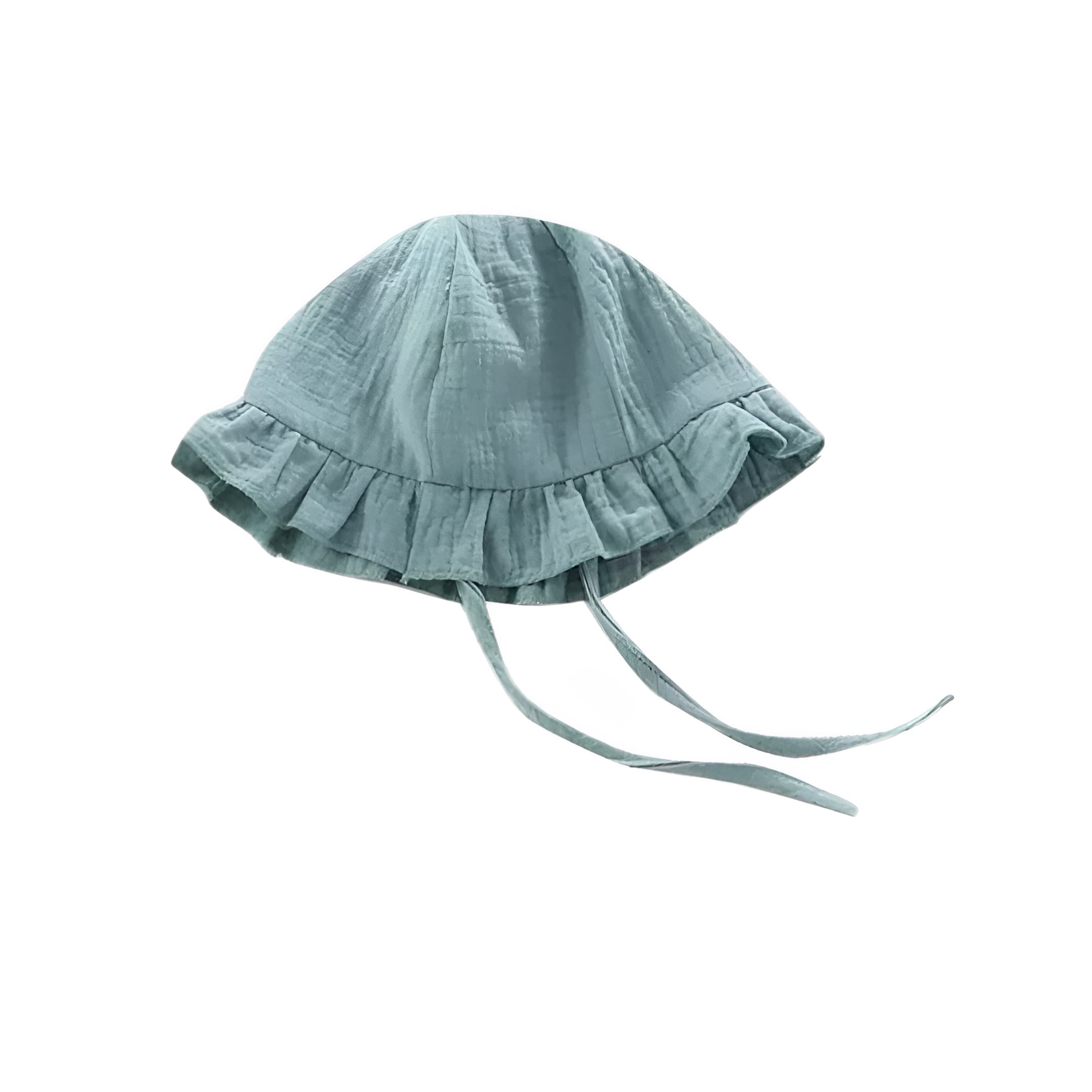
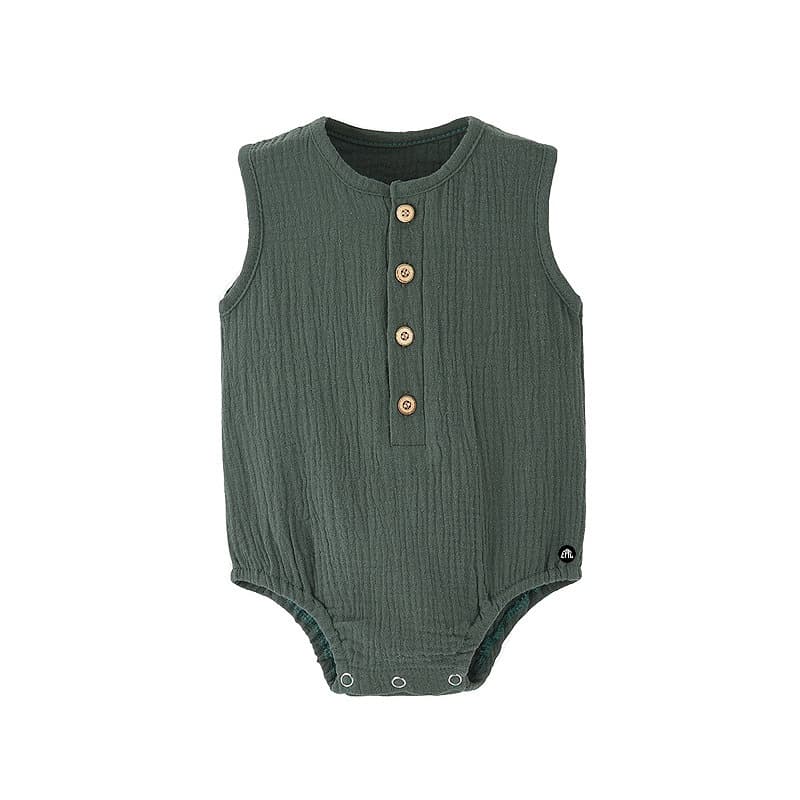
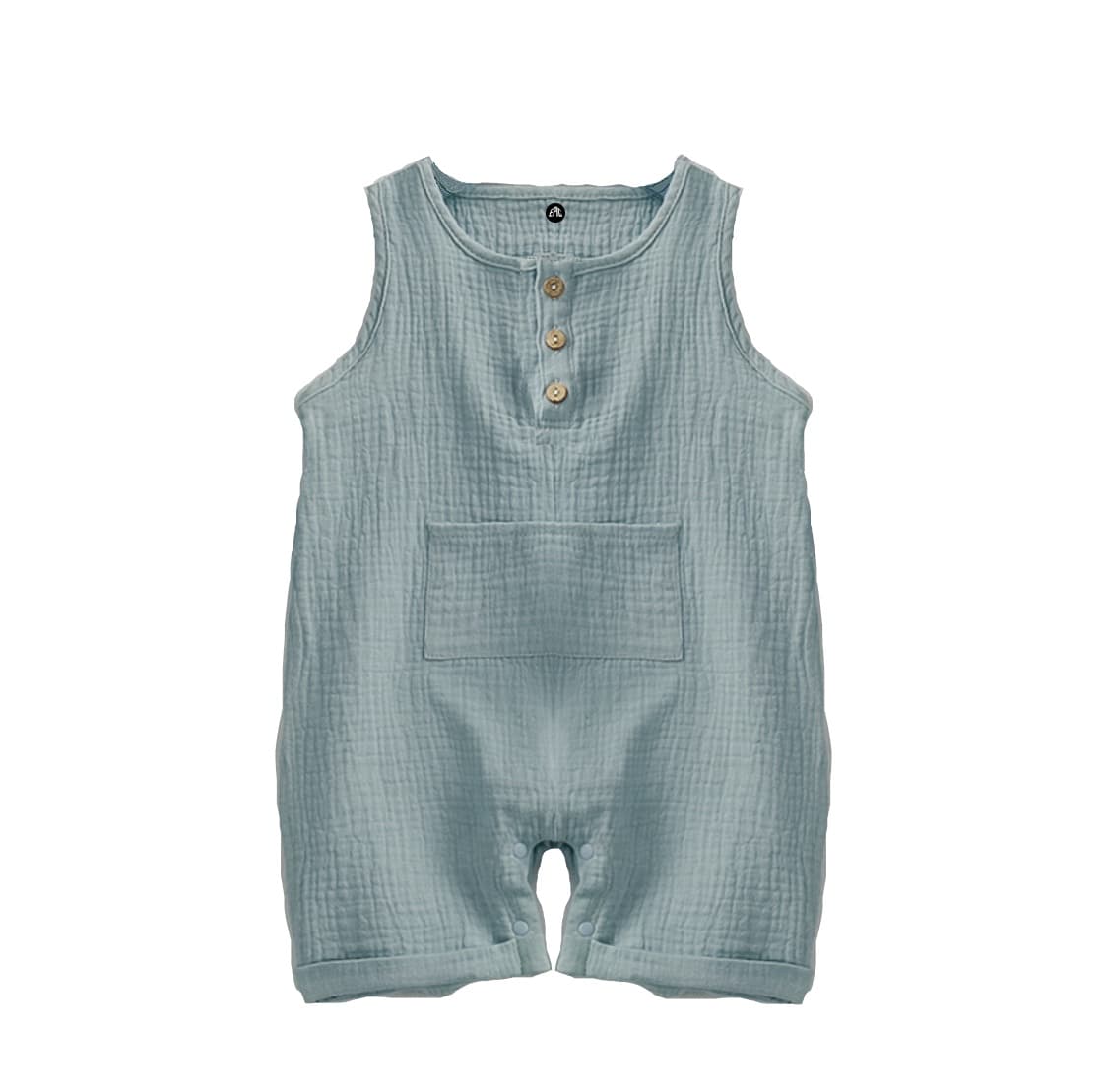
More from Knowmads Bali
Born in Bali · Tested in the tropics
Muslin cotton, made for the heat
Breathable, soft, and built for real tropical days. Our onesies & playsuits are where most families start.