Keeping Baby's Clothes From Going Musty in Bali's Wet Season
Protect your baby's clothes from Bali's humidity, simple storage tricks that stop musty smells before they start, even during the rainiest months.
To keep a baby's clothes from getting musty when they won't dry during Bali's rainy season, shrink how long the fabric stays damp instead of adding more detergent: wash smaller loads more often, wring out as much water as the machine allows, dry with a moving fan rather than still air, and put away only fully dry pieces. Musty smell is what happens when damp fabric sits too long; the wash itself is rarely the problem.
Why wet season laundry turns against you
High humidity is air that's already holding close to as much moisture as it can, which slows evaporation from wet fabric to a crawl. Bali's rainy months hit that ceiling almost every day, and that's the whole problem: clothes that dry quickly in the dry season can stay damp far longer indoors during the rains. Add a newborn's tiny, frequent loads and a line of onesies that never quite catches a breeze, and you've got the exact conditions a musty smell needs.
Treat this as a timing problem first; the laundry process itself is rarely what's wrong. Fabric that goes from wet to dry in a few hours almost never smells. Fabric that lingers in a damp in-between state for too long, day after day, lets a smell set in that no amount of extra detergent fixes after the fact.
Airflow matters more than heat
A lot of us reach for a heater or assume we need a tumble dryer. What actually works better is airflow: moving air keeps replacing the damp layer sitting right at the fabric's surface, and that exchange is what pulls the moisture out. Room temperature barely factors into it. A fan pointed at a drying rack, even a cheap standing one, cuts drying time on this same principle. A covered terrace or a window with a cross breeze beats a closed, still room, rain or no rain.
Wash smaller, wash sooner
The instinct to save water and electricity by waiting for a full load works against you here. A smaller load spins drier and hangs with more space between pieces, so it dries faster. If you can, do a half load of baby clothes rather than letting them sit in a hamper waiting for enough volume to justify a wash. A hamper is exactly the enclosed, airless environment that lets a smell set in before the clothes even reach the machine.
Building a drying system that survives a rainy week
This isn't solved with one trick. It takes a setup, because the rain doesn't follow a schedule. A rack that lives somewhere with airflow and a fan pointed at it do most of the work. Space pieces out on the rack instead of piling them on top of each other, and the rest takes care of itself. If you're figuring out how much clothing a baby actually needs here, our drying-time math for newborn onesies covers it, since the number of outfits you pack is really a drying-time question in disguise.
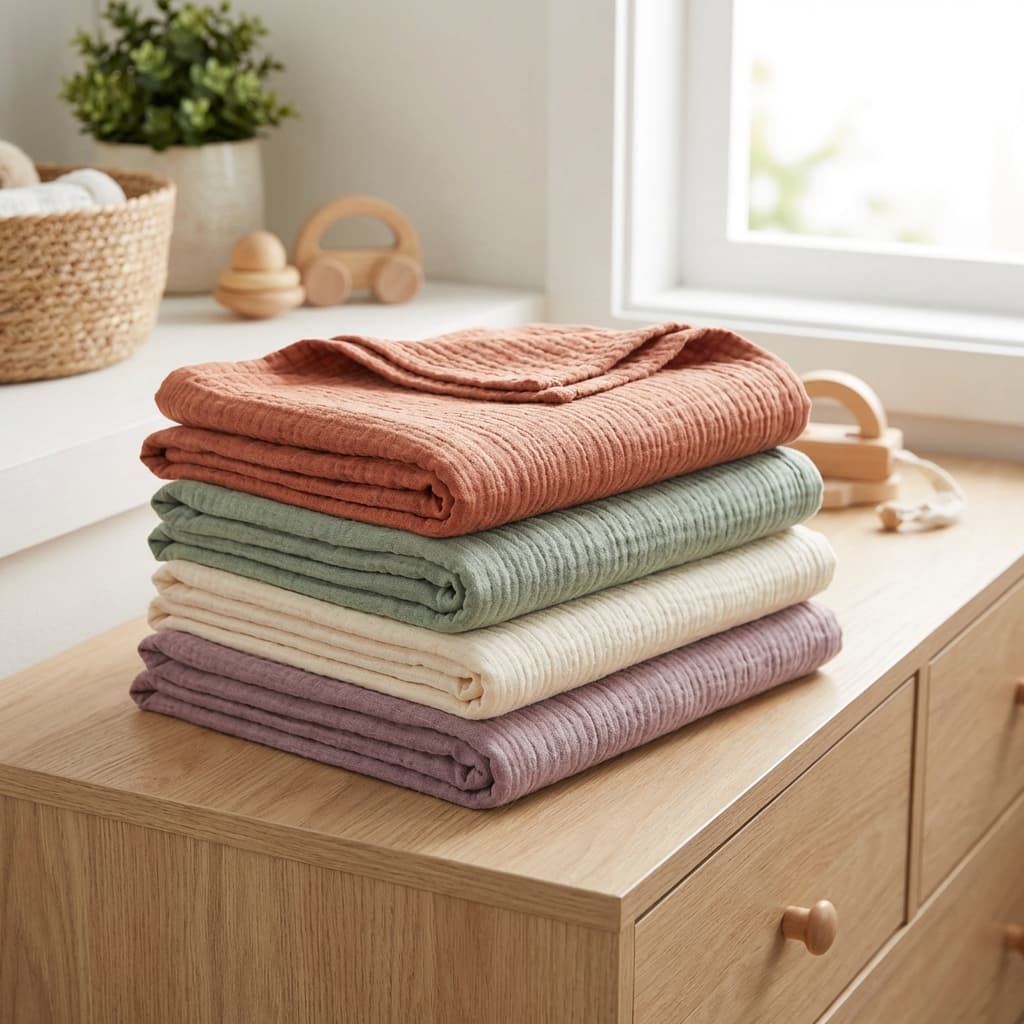
Fabric matters too. Lighter, more breathable weaves hold less water, so they dry sooner and give the smell less time to settle in. We compare which fabrics handle Bali's climate better in muslin versus linen in Bali heat, if you're deciding what to stock up on before the rains set in.
What to do with the "almost dry" pile
There's always a pile of clothes that feel dry but still hold a little moisture in the seams and snaps. That's usually where the smell starts. Give those pieces an extra hour with the fan before folding them away, and resist folding warm, slightly damp laundry straight into a drawer. A closed drawer with no airflow is the second most common place a wet season smell tends to set in.
A practical checklist for rainy season laundry:
- Wash in smaller, more frequent loads rather than waiting for a full hamper
- Spin or wring thoroughly before hanging, even if it feels excessive
- Dry with a fan or other moving air rather than relying on a window left open
- Space garments apart on the rack so air reaches all sides
- Check thick spots like seams and snaps before folding anything away
- Keep a small stash of silica packets or a dehumidifier bag in the drawer where baby clothes live
- Rotate stored clothes during long rainy stretches so nothing sits untouched for weeks
FAQs
Can I speed things up with a clothes dryer instead of air drying? A dryer solves the humidity problem directly because it creates its own dry air instead of relying on the air outside. It's common to run one only through the wet season months, then switch back to air drying once the sun's reliable again.
My clothes already smell musty. Does rewashing fix it? Often, yes, especially if the first wash-to-dry cycle took unusually long. The key is getting the fabric from wet to fully dry faster, with better airflow, so the smell doesn't set in again.
Is it fine to leave a few damp baby clothes in the hamper overnight before washing? It's best to avoid it if you can; overnight dampness bunched together is exactly what starts the smell. Hang even a few damp pieces somewhere with airflow until you're ready to wash, rather than leaving them sitting in the hamper.
A note from Bali
If you're in a rainy stretch right now, the air itself is working against you for a few months each year, which is reason enough on its own. The good news is that none of this takes extra gear or extra time once the routine is running: a few small habits start to feel automatic after a couple of washes. Set the rack somewhere air actually moves, keep loads on the smaller side, and get into the habit of checking seams and snaps before anything goes away folded. Once that routine is in place, the rainy season stops being something you have to think about every day.
From one parent to another
Dressing a little one for the heat?
Join the EPIC family for honest guides on dressing kids in the tropics, first look at new pieces, and 10% off your first order.
No spam, just the good stuff. Unsubscribe anytime.
Shop the pieces
More from Knowmads Bali
Born in Bali · Tested in the tropics
Muslin cotton, made for the heat
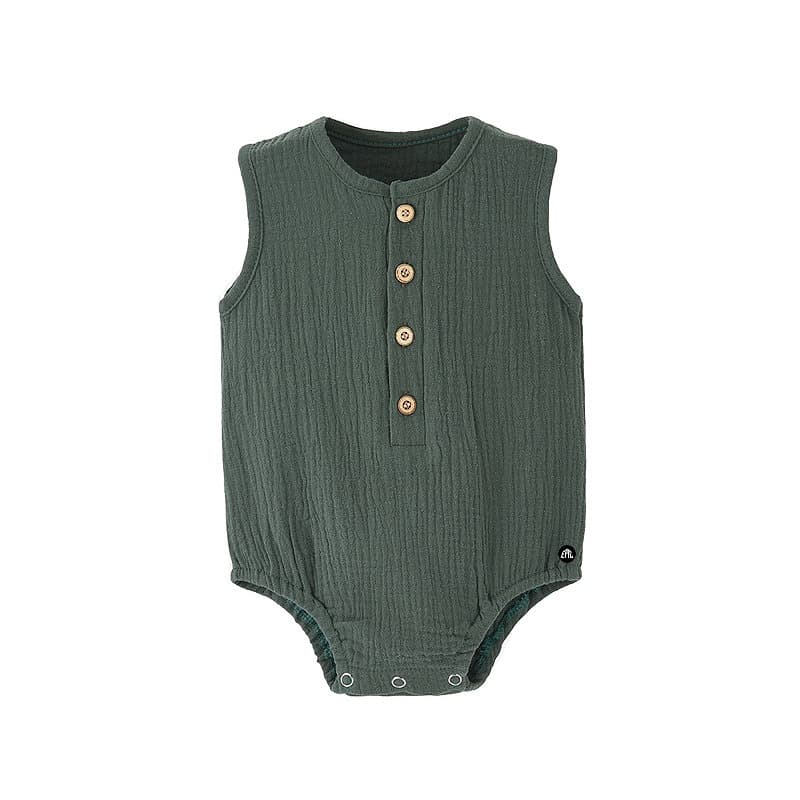
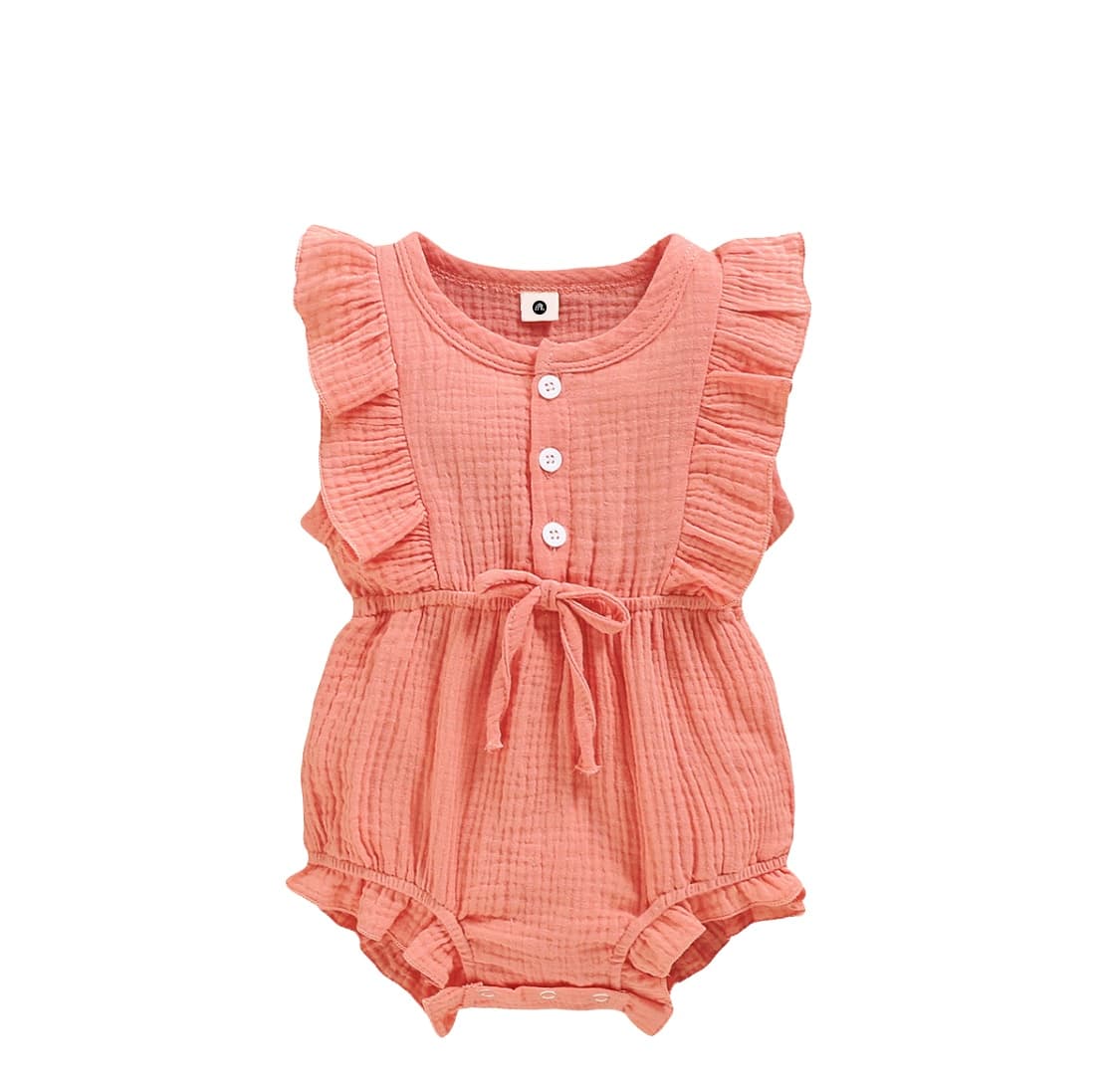
Breathable, soft, and built for real tropical days. Our onesies & playsuits are where most families start.