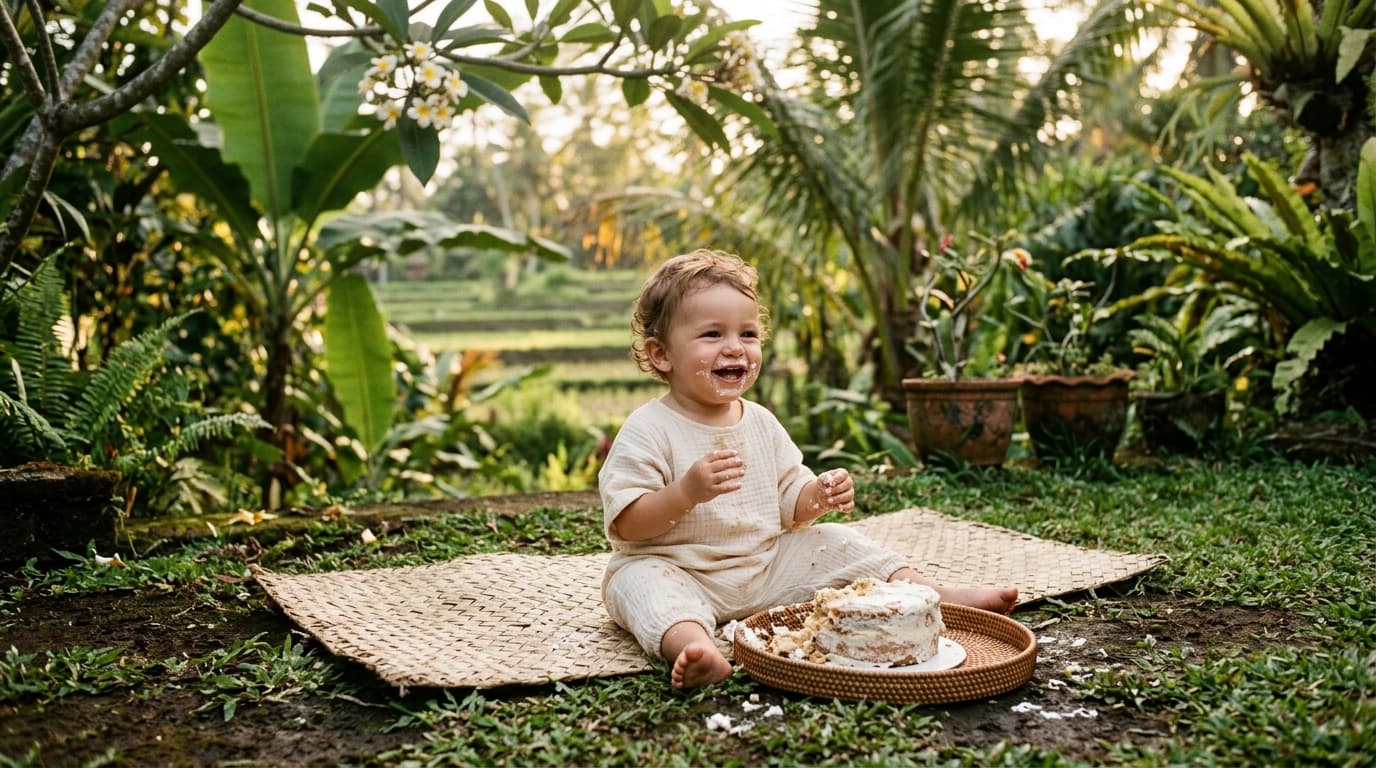
The Overheating Watch: Why Delegating Childcare Doesn't Delegate Worry
One toddler off-schedule at a monitor beep, one parent still doing math from bed: what an overheating watch alarm at a Bali villa actually asks of…
You don't need to be in the room to catch it early. A caregiver can watch for flushed cheeks, a neck warmer than the rest of her, damp hair at the hairline, a quieter or clingier toddler, or a nap she suddenly resists, and send you a quick check-in the moment any of those show up. The real fix isn't one sign to memorize. It's a simple, shared system so nobody has to guess alone.
The worry that doesn't hand off with the task
Most of us know this version of the day: the nanny arrives, the grandparents take over for the afternoon, the daycare door closes behind us, and we walk away lighter and heavier at the same time. The task is delegated. The worry isn't. It rides along in the back of the mind through meetings and errands, checking the time, wondering if anyone else notices what we'd notice.
That gap isn't a sign we've picked the wrong person to trust. It's what happens when the person watching our child doesn't have access to the thousand tiny data points we've gathered without realizing it: how she normally sounds mid-morning, what her cheeks look like after fifteen minutes outside versus forty, the difference between her tired face and her too-warm face. Nobody can inherit that by instinct. It has to be handed over on purpose.
The families who worry less aren't the ones who found a caregiver who reads minds. They're the ones who stopped expecting mind-reading and built a system instead.
Build a shared vocabulary before you need it
A caregiver who's new to Bali heat, whether it's a nanny, a visiting grandparent, or a warung auntie who's minding your toddler for an hour, often hasn't calibrated to what "too warm" looks like here yet. Rather than leaving that judgment call to chance, walk through it together before the first afternoon apart, not during it.
A few things worth agreeing on out loud:
- What specific signs mean "move to shade and offer water now" versus "keep an eye on it"
- That it's always fine to interrupt you, even for something that turns out to be nothing
- Set check-in times that don't rely on someone remembering: after outdoor play, at the nap transition, mid-afternoon
- Where water lives and that it should never be more than a few steps away
- Who to call if you're unreachable, written down, not just saved in your phone
This isn't about writing rules from a distance. It's also a quiet answer to the guilt that comes with hiring a nanny in Bali: that guilt usually eases once there's an actual shared plan instead of an unspoken hope that everything will be fine.
Make the environment do less guessing
The fewer judgment calls a caregiver has to make on instinct, the less room there is for the small signs to get missed. That means shade built into the day's plan rather than found on the fly, water kept visible instead of packed away, and outdoor stretches broken into shorter, tiring bursts rather than one long midday push.
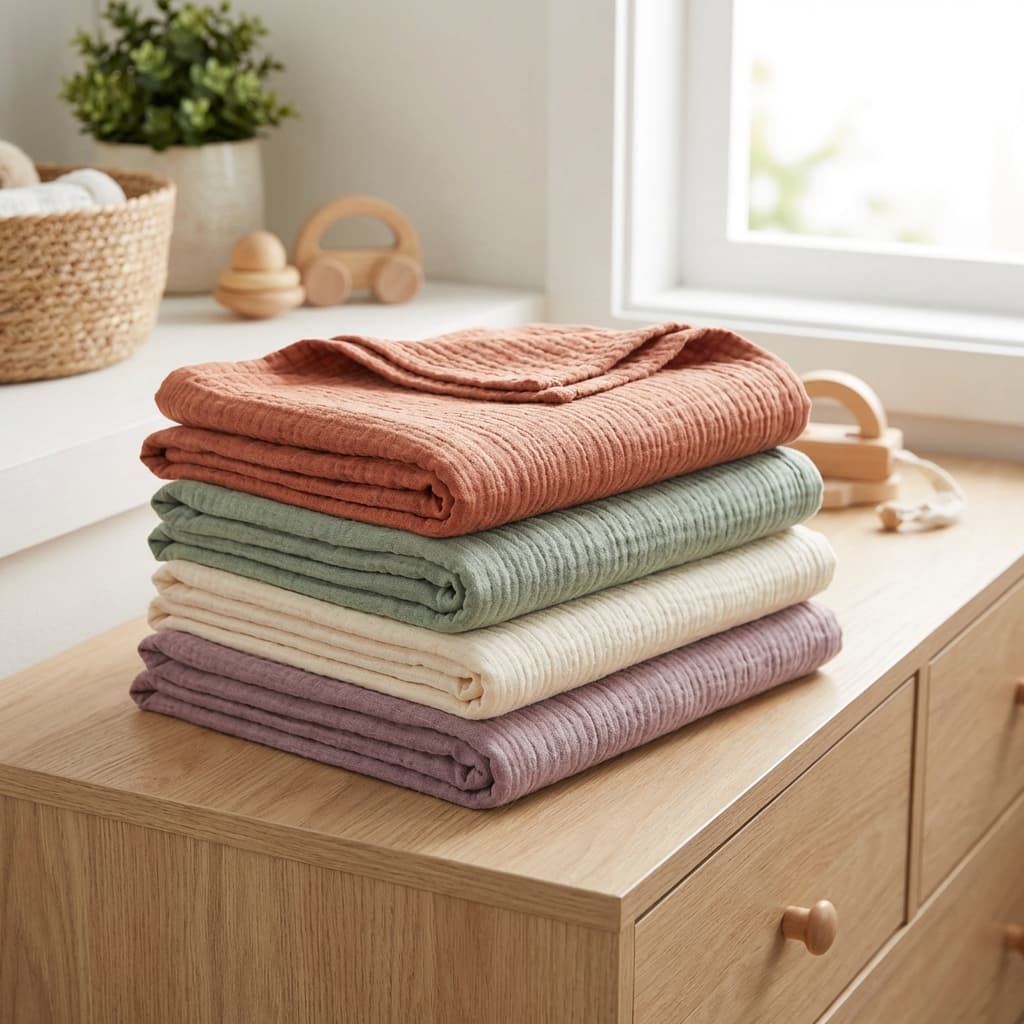
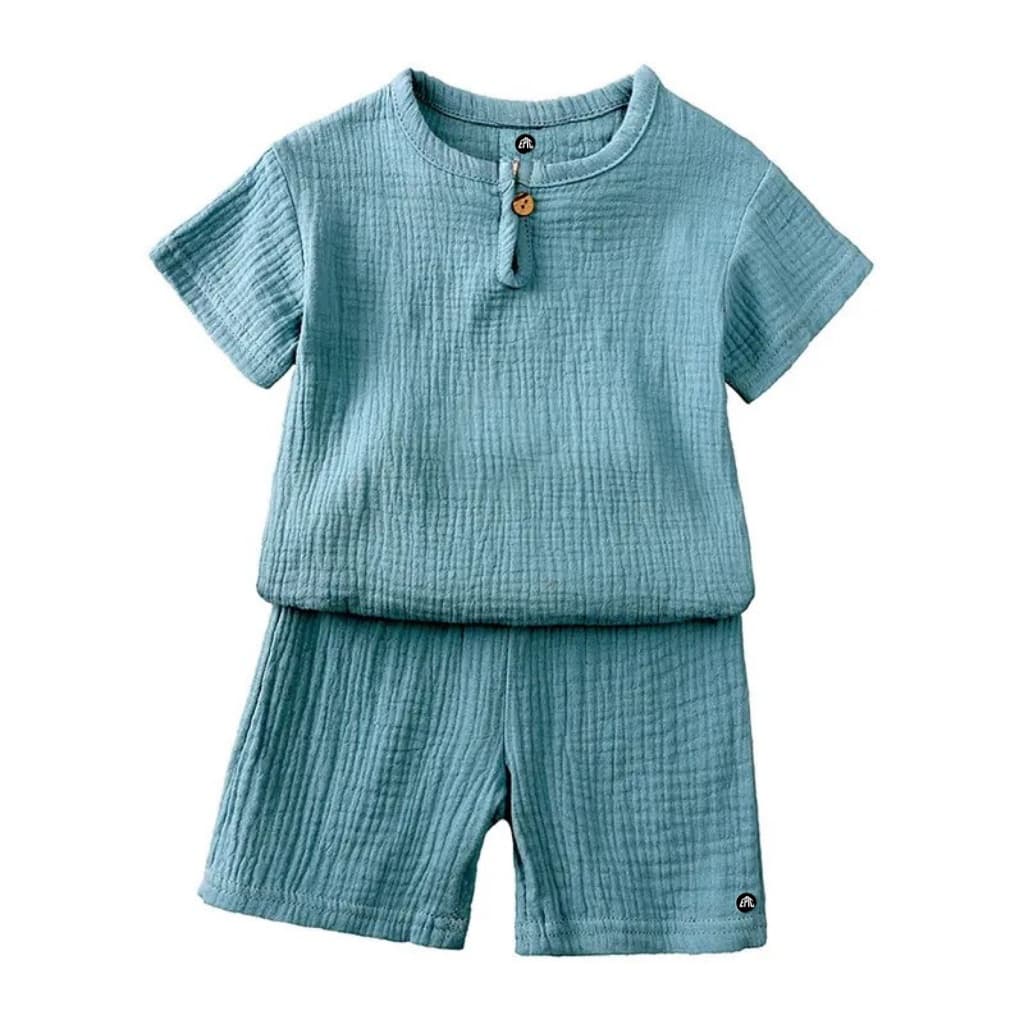
Clothing plays a quiet part here too. Humidity is what makes Bali's heat feel different from a dry climate: sweat doesn't evaporate off the skin as easily, so it sits there instead, which is exactly why damp fabric is such a reliable, visible cue. A single light, breathable layer is something anyone can glance at and read, damp or dry, clinging or loose, while a heavier or bunched-up outfit traps that warmth against the skin and hides the same cues.
What to watch for and share with your caregiver
Overheating signs are the physical and behavioral changes that show up when a toddler's body is working harder than usual to cool down. They're cues to notice and respond to gently, not conditions to diagnose. If anything feels off or doesn't settle with shade, water, and rest, that's a conversation for your pediatrician, not a guessing game at home.
- Flushed cheeks or a neck that feels warmer than the rest of her
- Damp hair at the hairline or nape that wasn't there before
- Quieter, clingier, or more resistant to play than usual
- Skipping or fighting a nap she'd normally take without a fuss
- Slower to drink, or uninterested in a favorite snack
- Fussiness that doesn't ease after a few minutes in shade with water
FAQs
How do I explain "overheating watch" to someone who's never had to think about heat this way? An overheating watch is simply a shared, concrete description of what your toddler looks and acts like on an ordinary day, so a caregiver can recognize a change from it. Keep it concrete rather than clinical: skip the temperature targets and describe her normal cheeks, her normal energy, her normal nap instead. A caregiver who's watched her for an hour can spot a change from that baseline even without medical language for it.
What if my caregiver doesn't want to bother me with every small thing? Say plainly that you'd rather get ten unnecessary texts than miss one that mattered. Most hesitation comes from not wanting to seem overly cautious. Removing that worry upfront usually opens the channel right up.
Is the watch different for a napping toddler than one who's out playing? Yes, in degree if not in kind. A napping toddler is out of sight for longer stretches, so good airflow in the sleep space matters more than constant checking, while an active toddler needs more frequent shade and water breaks built into the play itself.
A note from Bali
If you're handing off an afternoon to someone else this week, you're not doing anything wrong by still thinking about it. That instinct is the whole point of being a parent, not a flaw in the plan. A shared vocabulary, a few agreed check-in points, and an environment that asks less guesswork of everyone goes further than any single sign we could list here.
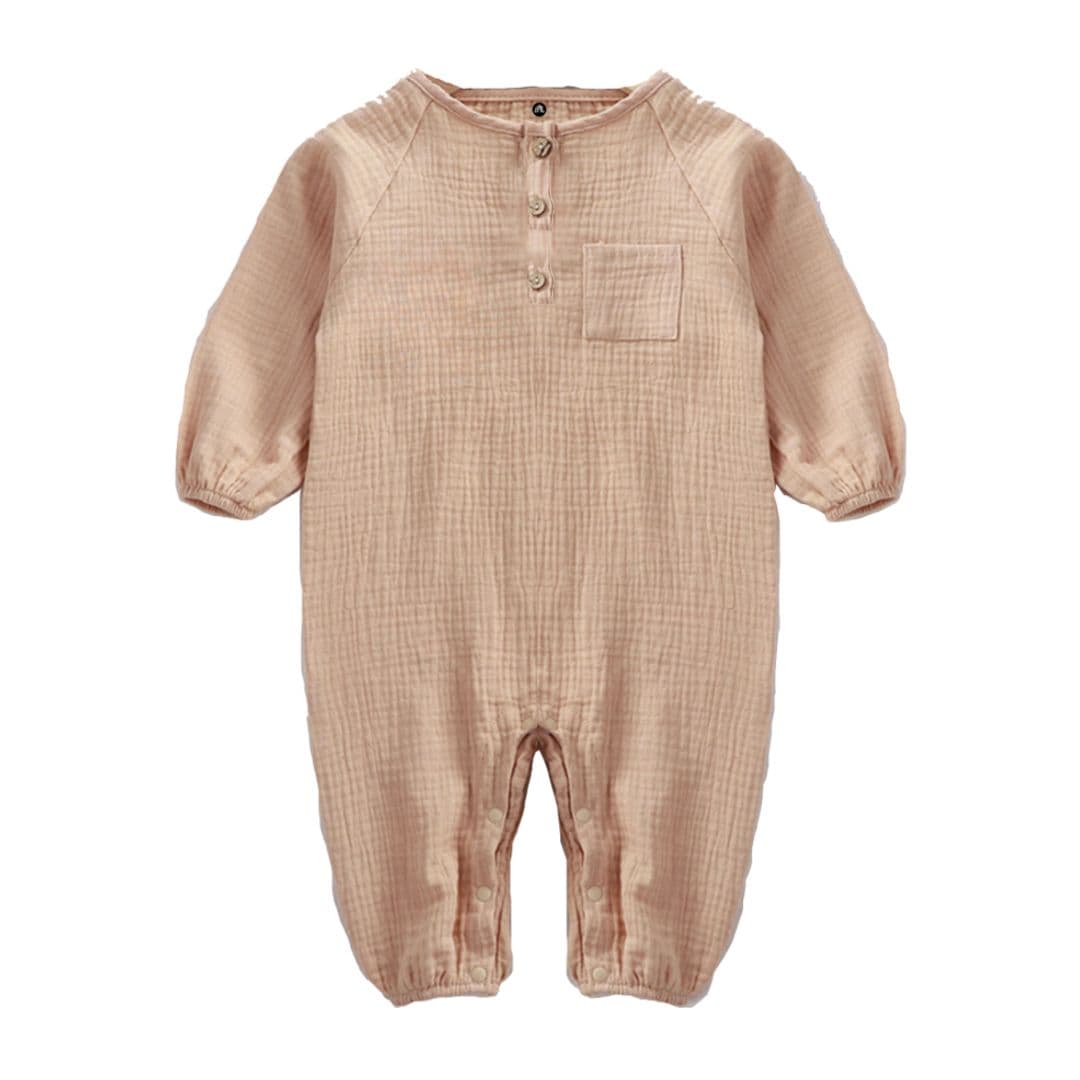
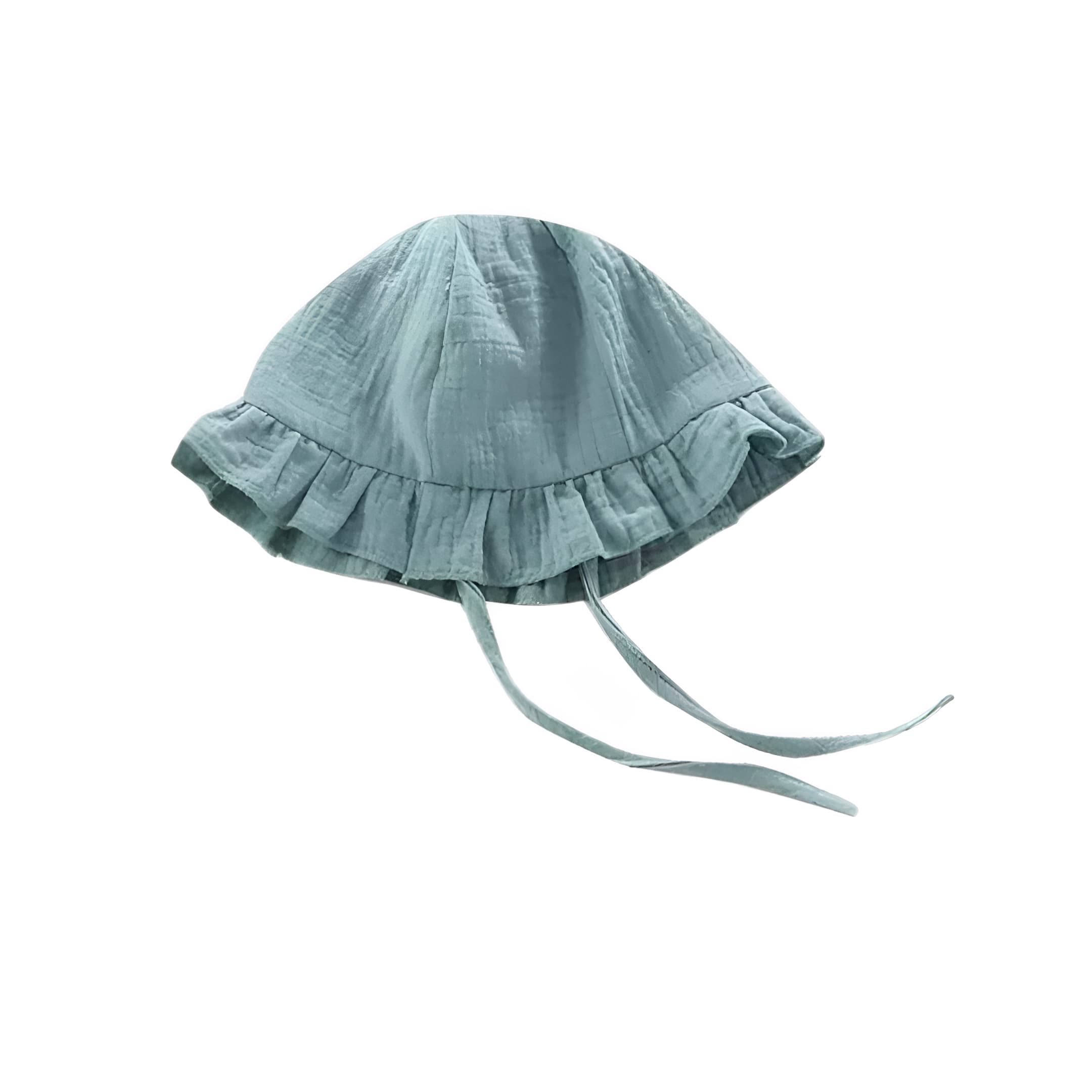
On the clothing side, it's part of why we're particular about what we stock. We look for pieces that are easy for anyone to glance at and read, light enough that no one has to guess. If that's useful for your own afternoons apart, we'd love for you to have a look.
From one parent to another
Dressing a little one for the heat?
Join the EPIC family for honest guides on dressing kids in the tropics, first look at new pieces, and 10% off your first order.
No spam, just the good stuff. Unsubscribe anytime.
Shop the pieces
More from Knowmads Bali
Born in Bali · Tested in the tropics
Muslin cotton, made for the heat
Breathable, soft, and built for real tropical days. Our onesies & playsuits are where most families start.