Cracking the Heat: Short Play Bursts That Still Tire Toddlers Out
Turning up the AC won't tire out a toddler, short, high-energy play bursts beat the heat and still knock them out for nap time.

Keep a toddler active outside in Bali by working in short bursts: ten to fifteen minutes of play, then a shaded or indoor cool-down before heading back out. This on-off rhythm burns as much energy as one long outing, without the overheating that follows extended midday play. In Bali, timing matters more than total time outside.
Why short bursts beat the long outing
It's a pattern most of us learn the hard way. A long morning at the park sounds like the better plan: more time to run and climb, more chance of a solid nap after. What happens instead is a toddler who comes home wired and overheated, not sleepy at all. A short chase around the yard, a few minutes on the swing, then inside for water and something quiet, then back outside once they've cooled off, works better more often than one long outing.
Families living somewhere the heat never breaks land on the same pattern. Humid air slows sweat evaporation, the body's main way of cooling down, so a toddler's body already works harder just staying comfortable in the tropics. Stacking nonstop running on top of that leaves less energy for the kind of deep tiredness that leads to a real nap or an early bedtime. Short bursts let the exertion happen without piling on heat, which we cover in the overheating trap most Bali toddlers fall into.
The windows that make it easier
Early morning and the couple of hours before sunset do most of the work for you. The air is cooler, so the same burst of play tires a toddler out with less effort and less heat to manage. Midday still works, it just needs shorter bursts and shadier ground.
Building a burst routine that actually works
A burst routine is a cycle of short active play followed by a shaded cool-down, repeated two or three times instead of one long outing. It works by matching a toddler's exertion to the heat, instead of letting the heat cancel out the play.
A burst routine includes:
- A clear start and end point: a favorite game, a lap around the yard, a set number of songs on the swing, so you're not negotiating when it's time to stop
- Shade or indoors for the cool-down: a few minutes out of direct sun brings their body temperature back down before the next burst
- Something to drink within reach: not on a schedule, just there, so each break becomes a chance to offer it
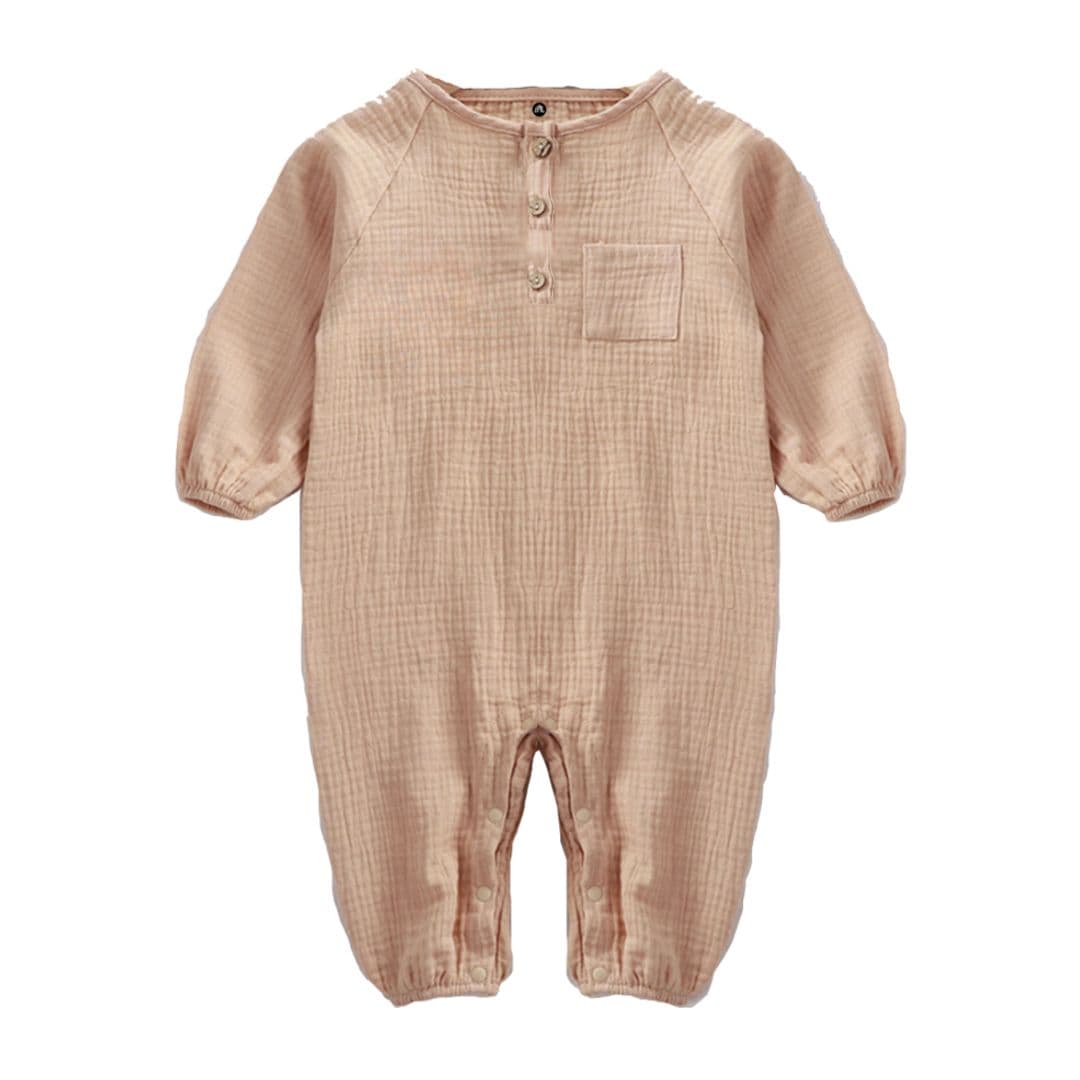
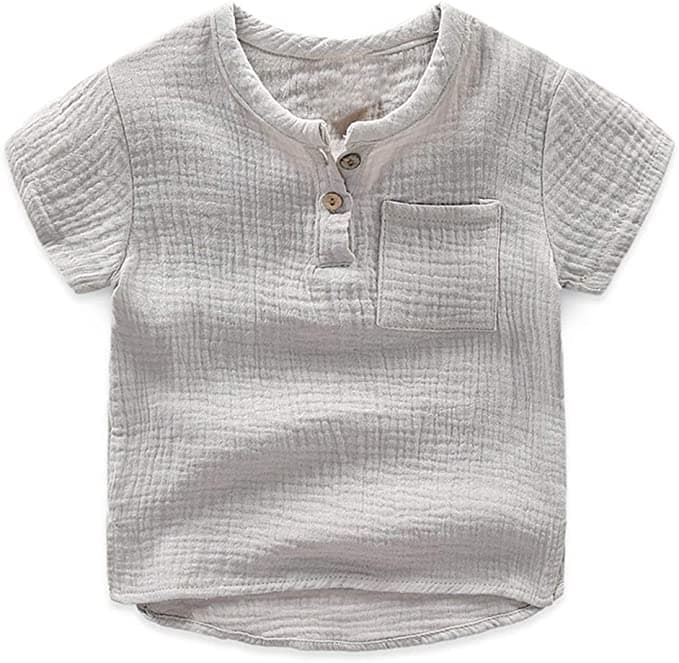
- Loose, breathable layers: clothes that don't cling after a sweaty ten minutes make heading indoors feel like relief, not a costume change. Muslin's open weave dries fast once a toddler is out of the sun, so a damp shirt doesn't stay damp through the next burst
- A low-key activity for the gap: blocks, a book, water play at a sink, something that keeps them busy without more running
Two or three cycles, spaced through the cooler parts of the day, add up to more real activity than one long outing, and a better shot at a real nap afterward.
Reading the signs between bursts
Most toddlers give an obvious signal when a burst has gone on long enough: the pace slows, the mood shifts, or they plant themselves and stop moving. That's the cue to head for shade, not push for one more lap. A meltdown instead of a wind-down usually means hunger or overtiredness got there before the heat did, and the 3pm meltdown decoder helps sort out which one you're looking at.
If a toddler seems unusually flushed or just not themselves after outdoor play, call your pediatrician instead of guessing. This approach is about pacing normal play, nothing more.
Timing the day around this rhythm gets easier once you know your child's heat-tired window, which is different from knowing it's simply nap time.
FAQs
How many play bursts should we aim for in a day?
There's no fixed number that fits every toddler, but two or three short bursts before the midday lull, plus one more in late afternoon, is a pattern many families in Bali settle into. Let your child's mood guide the count, not a target number.
Is it okay to play outside in the middle of the day at all?
Yes, playing outside at midday in Bali is fine as long as the bursts are shorter and closer to shade. Shifting outdoor time earlier or later makes it easier, but a short midday burst followed by a quick retreat indoors works fine too.
What counts as a good cool-down activity?
A good cool-down activity is anything low-movement that still holds a toddler's attention, like books, blocks, water play at a sink or basin, or a puzzle. The goal is a change of pace, not a full stop, so they're ready to go again once they've cooled off.
A note from Bali
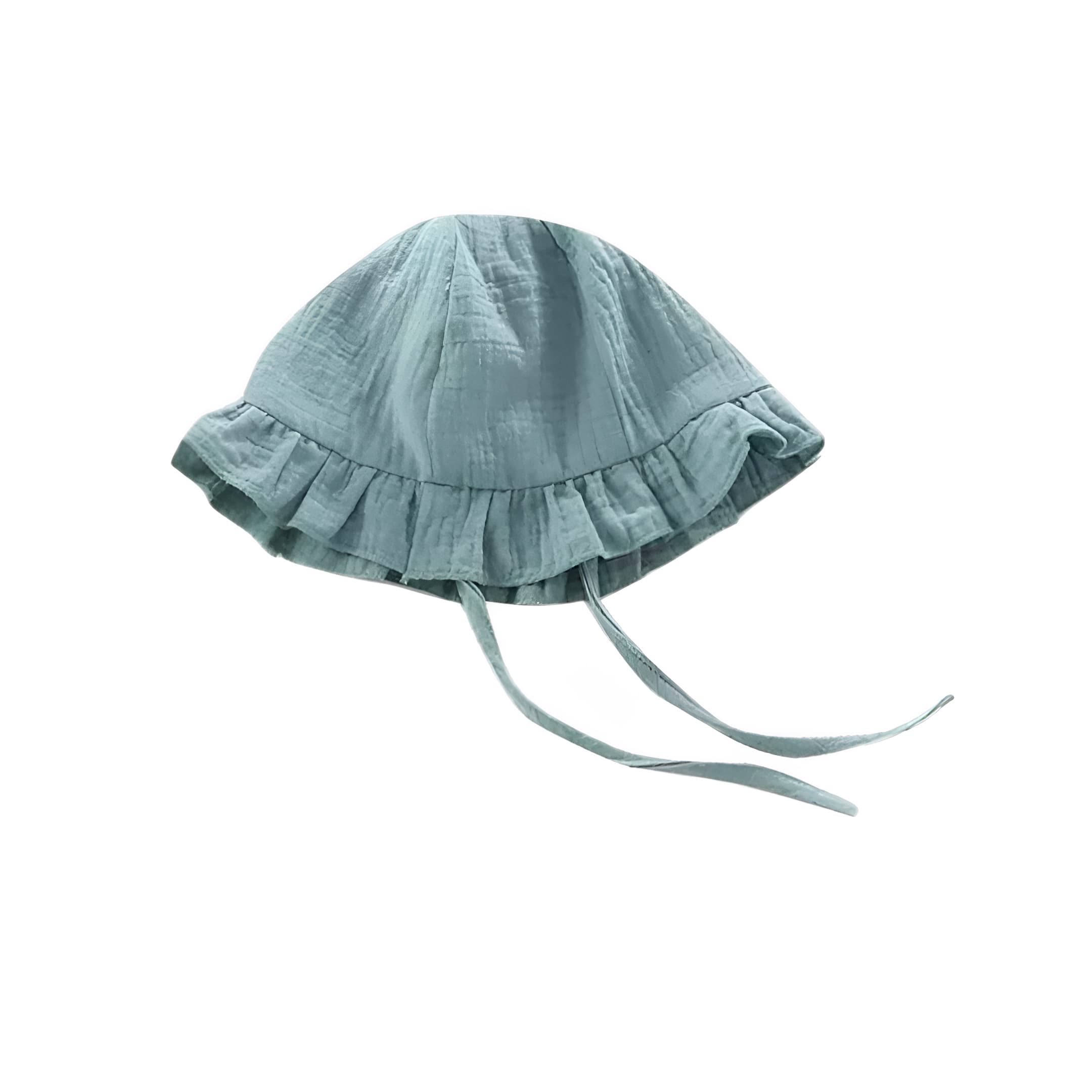
We live the same rhythm as everyone else here: chasing a nap window between bursts of play and rounds of water at the sink. Breathable layers make the in-between moments easier, no peeling off sweaty clothes before heading back outside. That's part of why our clothes are muslin. If you want to see what that looks like, take a look at what we stock.
From one parent to another
Dressing a little one for the heat?
Join the EPIC family for honest guides on dressing kids in the tropics, first look at new pieces, and 10% off your first order.
No spam, just the good stuff. Unsubscribe anytime.
Shop the pieces
More from Knowmads Bali
Born in Bali · Tested in the tropics
Muslin cotton, made for the heat
Breathable, soft, and built for real tropical days. Our onesies & playsuits are where most families start.