How Far Apart Should Contractions Be to Leave for the Hospital in Bali?
Know when to leave for the hospital in Bali: the exact contraction-timing rule for first-time and repeat births, explained for expat and traveling…

The common guideline is to leave for the hospital once contractions are five minutes apart, lasting about a minute each, for a full hour. In Bali, add a travel buffer on top of that number, since traffic and weather can turn a twenty-minute drive into nearly an hour. Ask your own hospital or midwife for their exact number, because it varies by provider. Then add something most birth guides never mention: on this island, the drive can matter as much as the clock.
Why the drive matters as much as the timing
Bali distances are deceptive. A hospital that is twenty minutes away on a quiet Tuesday morning can be close to an hour away at six on a Friday evening, or during a downpour when low roads near the rice fields start to pool. Bali's rainy season is the stretch from roughly November through March when heavy afternoon downpours are common enough to plan around. Families in Canggu, Ubud, Uluwatu, or further out often discover this only once they are already timing contractions and watching the map turn red.
This is the part most birth guides skip. A contraction app can tell you exactly how far apart you are. It cannot tell you whether the road near your villa floods in rainy season, or whether your usual driver picks up at two in the morning. Working that out in week thirty is far easier than working it out mid-labor.
A few things worth sorting out ahead of time
- Time the actual drive, not the map estimate, at the hour you are most likely to need it, since labor can start at night, and keep a second route and driver in mind, not just one app or contact
- If you are more than thirty or forty minutes out, ask your midwife whether staying closer to the hospital for the final weeks makes sense for your situation
Building a timeline that is actually yours
The number your hospital gives you, often some version of five minutes apart for an hour, is a starting point, not a formula for everyone. Some labors move fast, some take their time, and your due date and history change the picture. That conversation belongs with your midwife or OB, not a blog post. Ask for your specific number at one of your last check-ins.
What matters regardless of that number is who drives you and whether the bag is already packed. Packing the bag by the door from week thirty-six on removes one more thing to think about once labor starts.
What is commonly in the hospital bag for this moment
A hospital bag is the set of items packed and ready by the door before labor starts, so there is nothing left to gather once contractions begin. Here is what actually gets used from it:
- Copies of ID, insurance or BPJS details, and any birth plan paperwork, kept together in one folder
- A phone charger and a portable battery, since hospital rooms do not always have a free outlet near the bed
- Something loose and easy to put on for the ride home
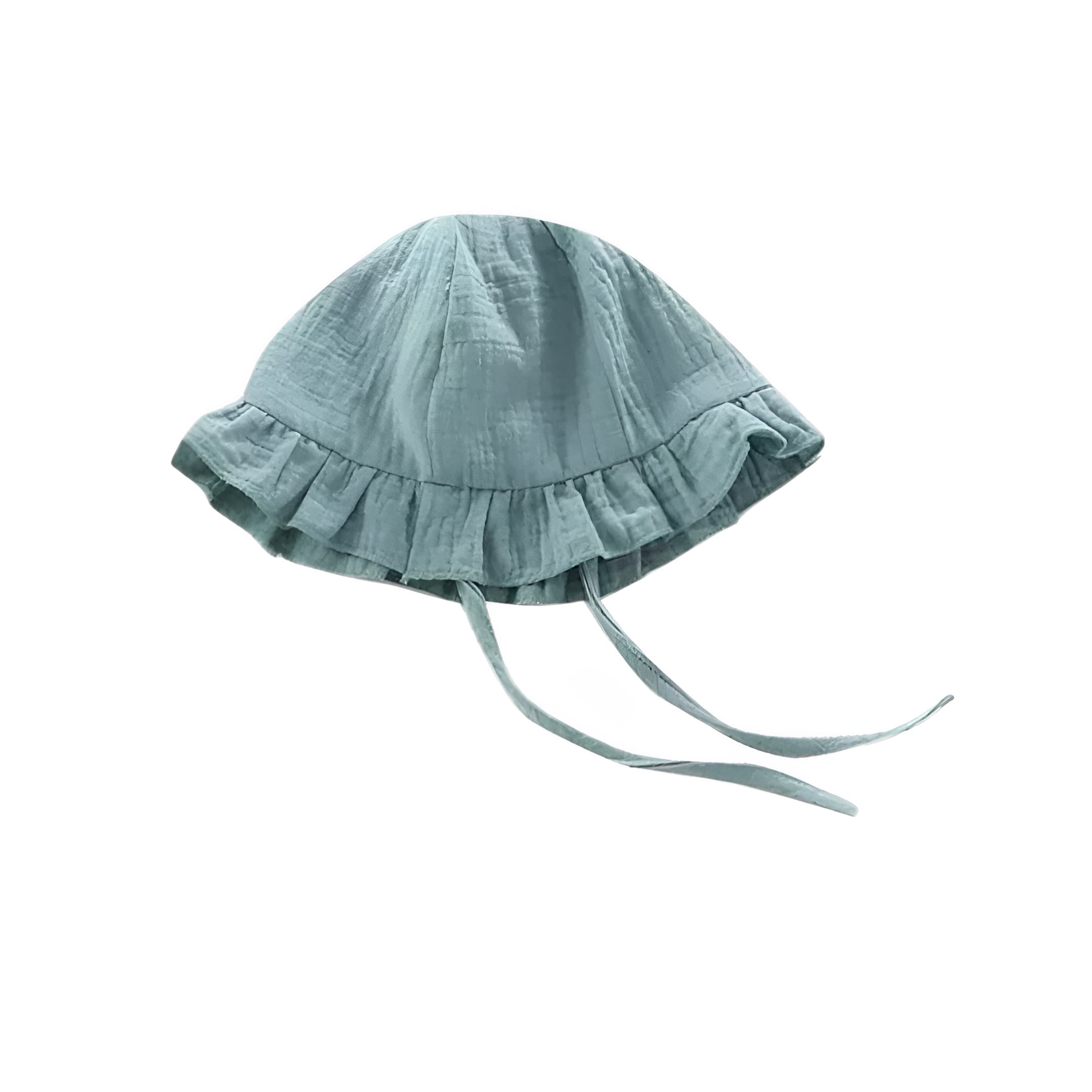
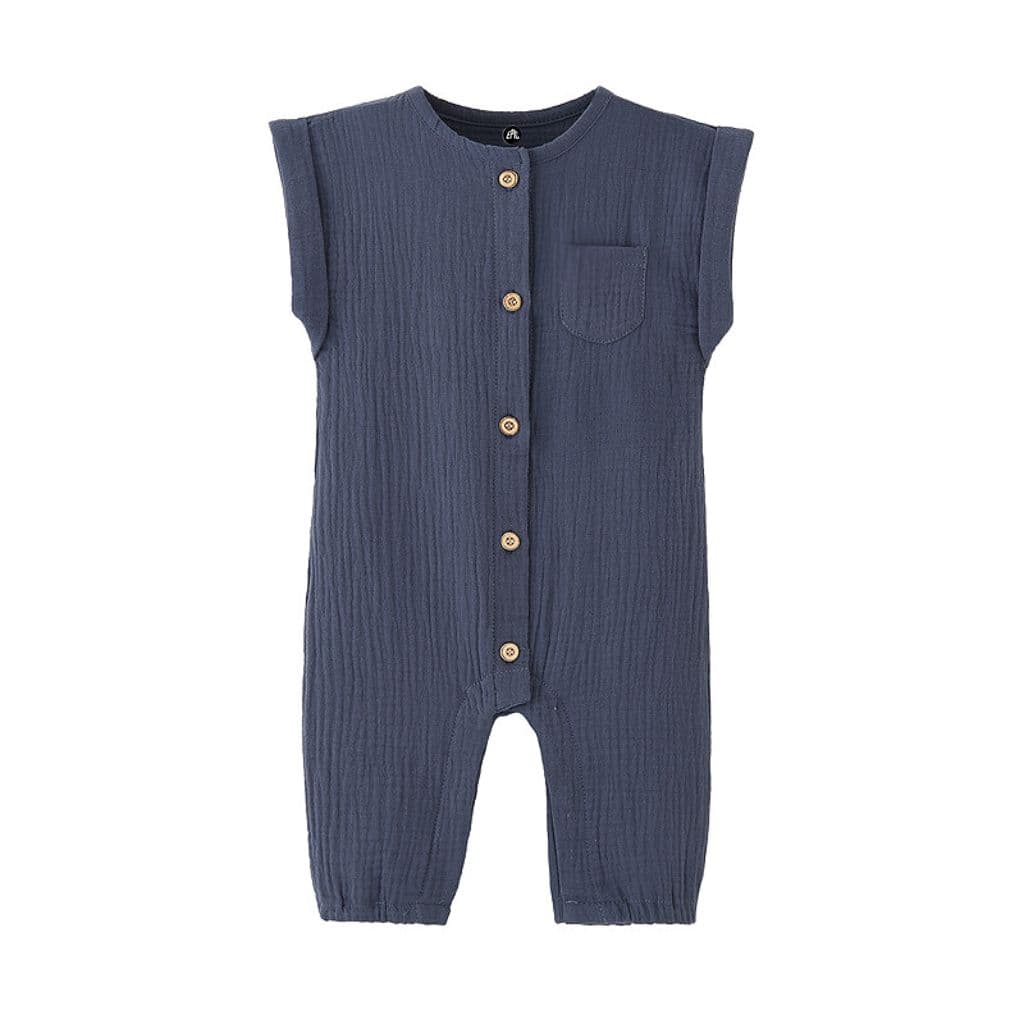
- A soft, breathable outfit for the baby's first hours, muslin cotton's loose, open weave lets air move through more easily than a tighter knit, which matters since the hospital's air conditioning and Bali's heat outside are two different climates in the same day (we go deeper on this in what a newborn actually wears in a tropical hospital)
- Snacks and water for whoever is waiting, since that part of the day often runs long
If the rest of your list is not sorted yet, our week-30 checklist is a good place to start.
FAQs
What if contractions start during a rainy-season flood?
If contractions start during a rainy-season flood in Bali, map a second route to the hospital in advance and leave as soon as standing water appears, rather than waiting to see how bad it gets. If your area floods often, raise it directly with your midwife so your personal timing number already accounts for the extra drive time.
Should we move closer to the hospital for the last few weeks?
Some families in Bali do choose to stay closer to the hospital for the final weeks, especially if they live forty-five minutes or more away or do not have a car reliably available. It is a personal call best made with your doctor, who knows your due date and medical history.
What if our driver or ride app is not available at two in the morning?
Not having a driver or ride app available at two in the morning happens often enough in Bali that it is worth preparing for ahead of time. Line up a second driver or a neighbor who has agreed to be on call before labor starts, which matters even more for families without relatives nearby. We cover that in what to bring when no one's around to help.
A note from Bali
The drive matters as much as the clock, so give yourself that buffer and let your hospital set your own number. When you get to the packing list, we look for soft, breathable pieces for the first tropical hours, soft against new skin and easy to move in for the ride home.
From one parent to another
Dressing a little one for the heat?
Join the EPIC family for honest guides on dressing kids in the tropics, first look at new pieces, and 10% off your first order.
No spam, just the good stuff. Unsubscribe anytime.
Shop the pieces

More from Knowmads Bali
Born in Bali · Tested in the tropics
Muslin cotton, made for the heat
Breathable, soft, and built for real tropical days. Our onesies & playsuits are where most families start.