The Spare Parent Problem: Why Bali Outings Leave You Out
Tired of being the extra pair of hands on every Bali outing? Here's how to plan family trips so one parent isn't always left out of the fun.
You may feel like the extra adult on family outings in Bali because nobody has clearly agreed who will carry, comfort, decide, or watch your child. One parent becomes the default while the other waits for instructions. Heat, traffic, and busy transitions can make that disconnect feel much bigger.
The problem is usually unclear ownership
Unclear ownership is the absence of an agreed person responsible for noticing, deciding, and completing a task. A family outing may be shared time, but the work behind it is not always shared clearly.
One parent remembers the water, spare clothes, snacks, transport, and when to leave. That parent manages the outing. The other parent may want to help but worry about interrupting a routine.
The pattern soon repeats. The default parent acts because it feels quicker. The other parent steps back because every task appears taken.
This does not mean either parent is lazy, controlling, or uncaring. The roles are unclear.
Bali can make this harder. Leaving a beach with a sandy child or finding transport with a tired toddler brings several decisions at once. When one parent makes every decision, the other can feel unnecessary while standing beside them.
Name the feeling without turning it into blame
Describe the problem without judging your partner.
“I feel outside the team when I do not know what I am responsible for” is easier to hear than “You never help.”
The default parent may be carrying a long mental list. The other parent may be waiting for a clear opening. Both can be true.
Guilt often tells us we should have managed the day better. This is not a test of who cares more. It is a coordination problem.
Give each parent a whole part of the outing
Responsibility is noticing what is needed, making decisions, and completing the task without waiting for instructions. “Tell me what you need” still leaves one person directing the work.
Instead, give each parent full responsibility for part of the outing. One parent might handle transport. The other might handle food, clothing changes, and the return home.
Before leaving, agree on the practical details:
- Who packs, carries, and resets the child’s bag
- Who handles transport and the journey home
- Who stays with the child during entrances, exits, and clothing changes
- Who orders food, takes family photos, and decides when to leave
Resetting the bag matters. Damp clothes, empty water bottles, and missing essentials become tomorrow’s problem if nobody deals with them after the outing.
For a longer outdoor trip, agree on when you will stop before anyone gets tired. For rice-field outings with a toddler, a modest plan can help prevent a difficult walk home.
Make the child’s preference less powerful
Children often seek one parent during familiar routines. The other parent can feel rejected, while the preferred parent gets no chance to pause.
Do not force affection or make the child choose. Give the other parent an ordinary responsibility before a difficult transition. They can offer the snack, help with shoes, or lead the walk back to the car.
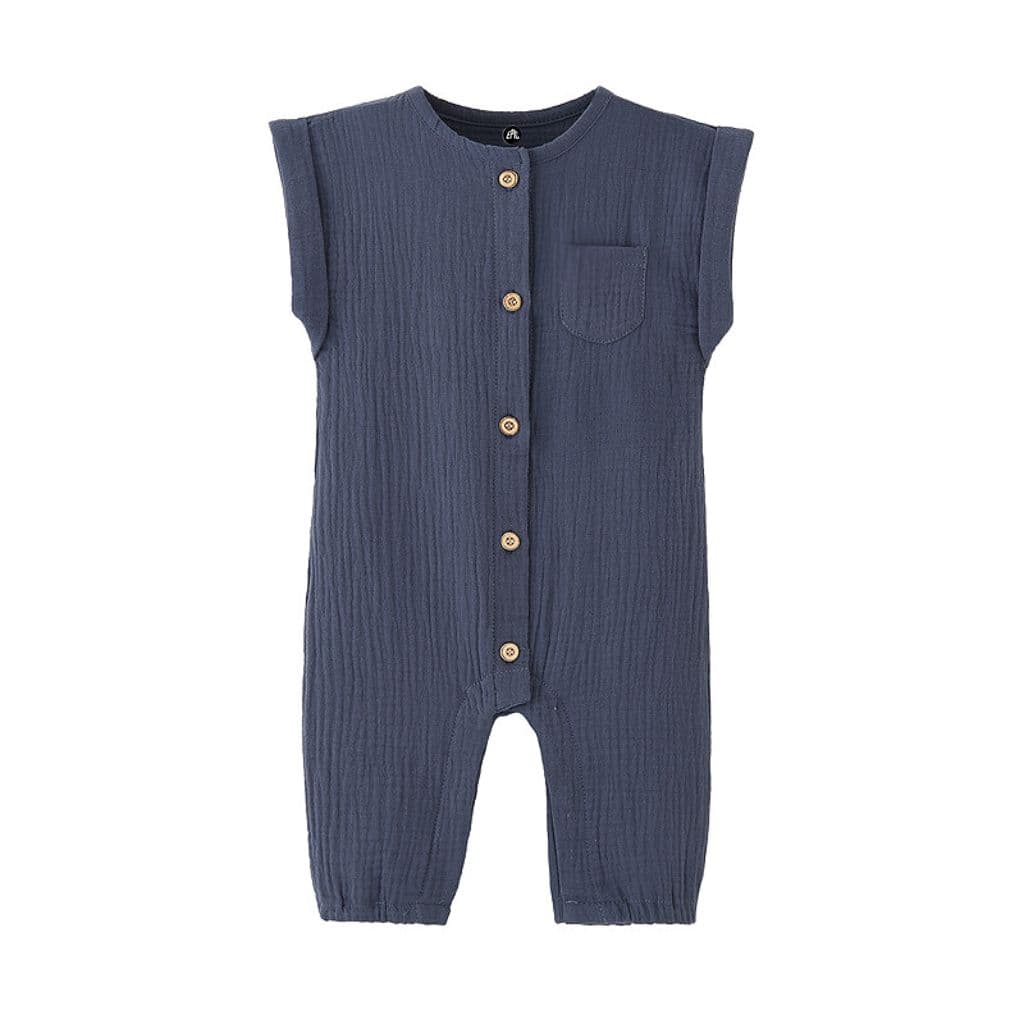
Clothing can remove one source of resistance. A child might wear the Muslin Romper during a sandy walk back from the beach. Muslin is cotton woven with an open, loose structure that lets air pass through and dries quickly. It feels gentle on sensitive skin for everyday comfort. For any diagnosed skin condition, follow your doctor’s or paediatrician’s advice.
Plan for the place you are actually visiting
A relaxed outing does not need more activities. It needs fewer avoidable negotiations.
A market morning needs a different plan from a temple visit. A beach afternoon also has a different exit from lunch in town. Identify the hardest transition, then decide who will handle it.
At a temple, one parent can manage clothing and entry expectations while the other stays with the child. Check the clothing and entry expectations for the temple you plan to visit before you go.
The work will not be equal every minute. Both parents should know their responsibilities and have room to act without being corrected for doing things differently.
FAQs
What if my child only wants the other parent?
If your child only wants the other parent, begin with calm, repeatable tasks rather than the most emotional part of the outing. Carrying the bag, helping with shoes, choosing a seat, or leading the walk back gives the other parent space to build familiarity through ordinary moments.
What if my partner says they do not know how to help?
If your partner does not know how to help, replace “help” with one complete area of responsibility they can manage without instructions. That responsibility should include noticing, preparation, decisions, and clean-up, not only the visible task.
What if assigning roles makes the outing feel too organised?
Assigning roles does not require a long or rigid plan. Before leaving, briefly decide who owns the bag, the child’s transitions, and the journey home. Clear responsibilities reduce repeated negotiations and leave both parents freer to enjoy the outing.
A note from Bali
We started Epic after watching our daughter struggle with Bali’s humidity. We know that small practical choices can make a family day easier. Our clothes use pre-washed, double-layer muslin cotton with flat seams and no harsh finishes. You can browse the pieces we carry.
From one parent to another
Dressing a little one for the heat?
Join the EPIC family for honest guides on dressing kids in the tropics, first look at new pieces, and 10% off your first order.
No spam, just the good stuff. Unsubscribe anytime.
Shop the pieces
More from Knowmads Bali
Born in Bali · Tested in the tropics
Muslin cotton, made for the heat
Breathable, soft, and built for real tropical days. Our onesies & playsuits are where most families start.