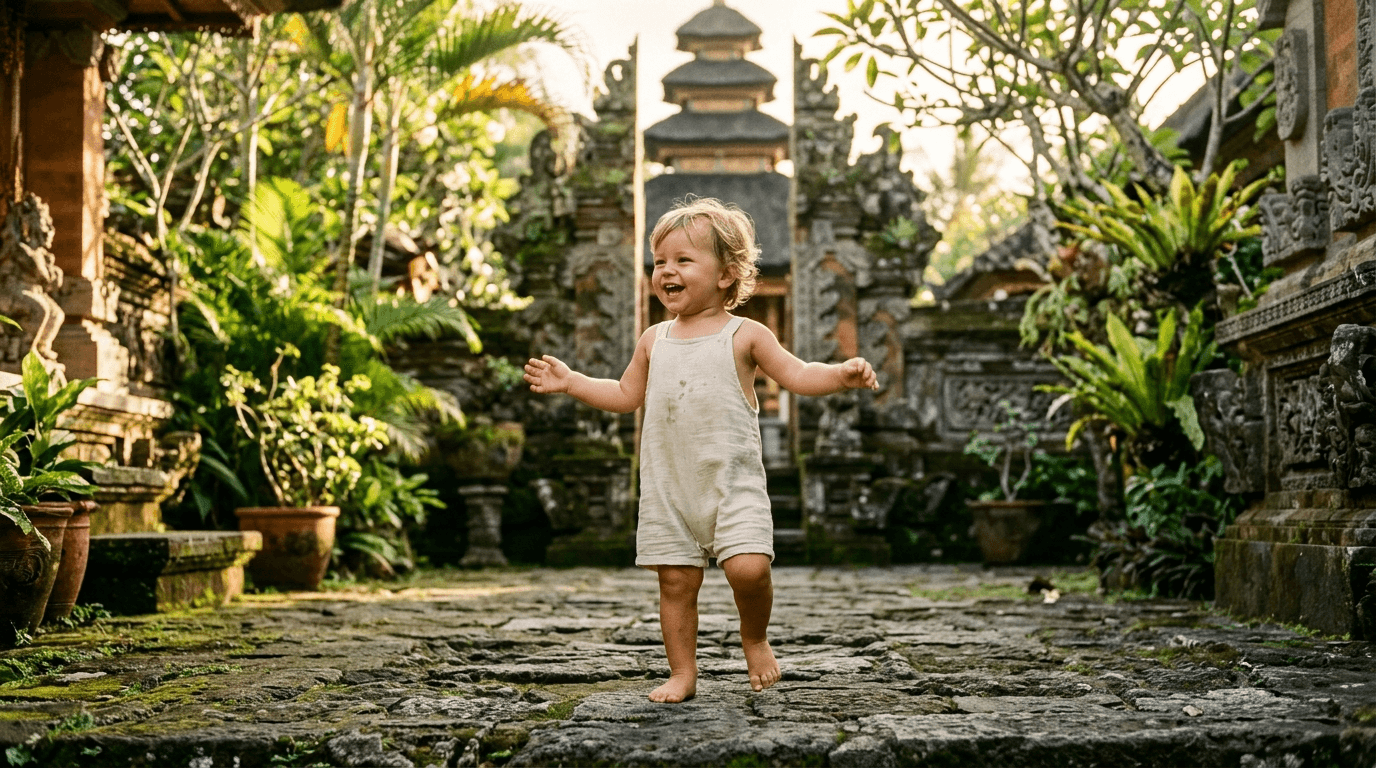
Penjor Season: How Bali's Bamboo Poles Explain Galungan to Kids
Bali's iconic bamboo poles have a real meaning parents can teach kids in minutes, here's how Penjor season turns a family trip into a Galungan lesson.
What time is Kuningan Day, and how do I explain Galungan to a toddler without it being scary
Kuningan Day ceremonies happen in the morning, with most families finishing their prayers and offerings before midday. For a toddler, the simplest explanation is this: Galungan is a ten-day visit from ancestors, and Kuningan is the goodbye, like grandparents packing up and heading home after a stay. Nothing scary, just family coming and going.
What Galungan actually celebrates
Galungan is a Balinese holiday marking the symbolic victory of good over evil, dharma over adharma, on the Pawukon calendar. It comes around every 210 days, so it can land twice in some years and once in others. For ten days, Balinese families believe their ancestors return home to visit, and the whole island responds: streets fill with offerings, and every household puts up its own welcome sign.
For a toddler, you don't need any of that vocabulary. Most of us have found the "good guys win, and the family comes to visit" version lands just fine. Kids don't need the theology. They need a reason the streets look different and why everyone seems a little more festive than usual.
The penjor: what those bamboo poles are actually for
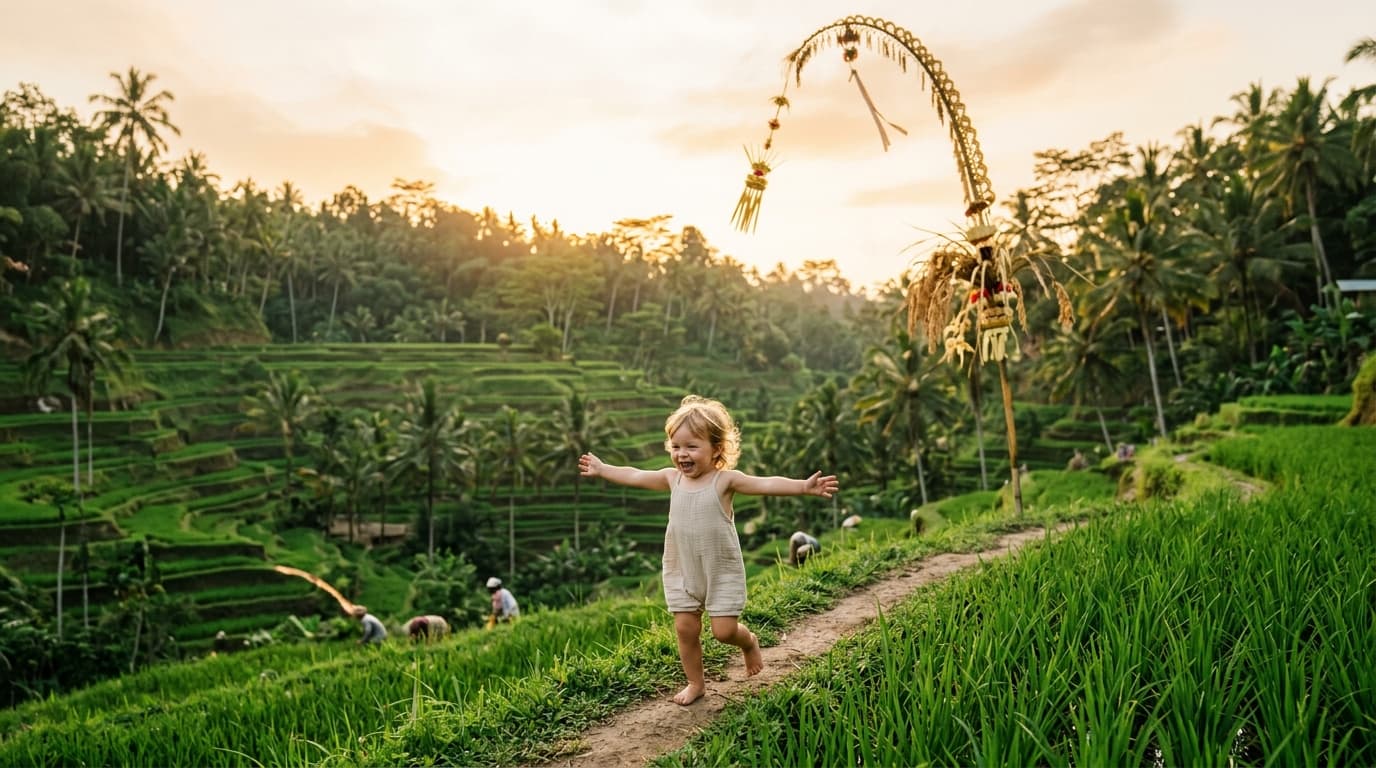
A penjor is a curved bamboo pole decorated with young coconut leaf (janur), fruit, rice cakes, and small offerings near its base. It's planted outside homes and shops a day or two before Galungan and stays up through the full ten-day cycle, Bali's way of decorating the whole island for a festival.
A toddler doesn't need the symbolism explained in full (Balinese families often describe the curve as echoing a mountain, a nod to Gunung Agung), but "it's Bali's way of decorating for a party" is an honest and simple way in. On a walk or a drive, penjor are one of the easiest things to point out together, and pointing at real objects tends to hold a toddler's attention far longer than any explanation does.
A few things worth pointing out as you pass them:
- The curve: nearly every penjor bows toward the road, not straight up
- The janur: the woven, feathery yellow-green decoration running down the pole
- The offerings at the base: small woven trays, refreshed daily during the festival
- The color palette: yellow and white dominate, Bali's colors for purity and gratitude
- The height: some penjor tower well over a house, others are modest, both are normal
Kuningan Day: the goodbye, and what it does to your day
Kuningan is the closing day of the Galungan cycle, arriving ten days later, when the ancestors are believed to return to the spirit world. Ceremonies happen in the morning and are mostly finished before the sun is overhead. That's the part parents actually need to know: temples and family compounds are busiest early, and things quiet down by early afternoon.
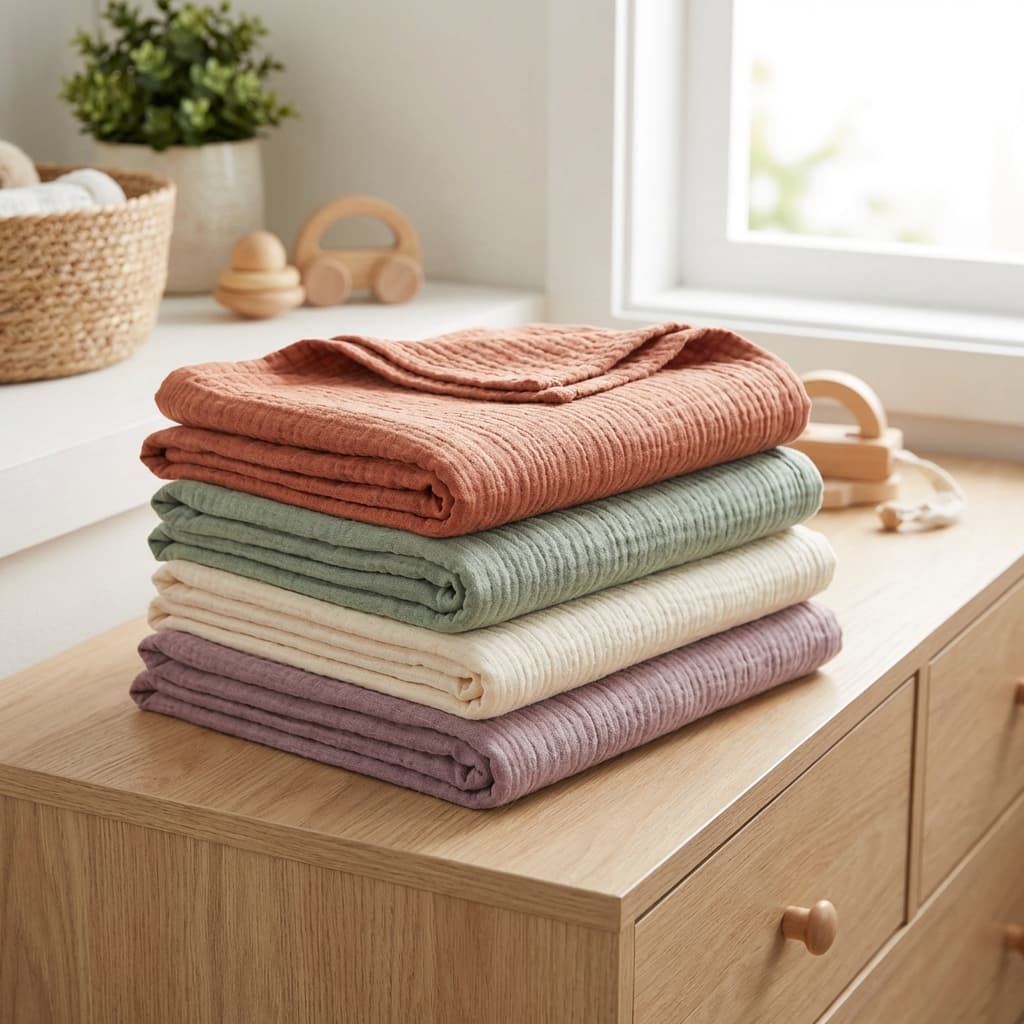
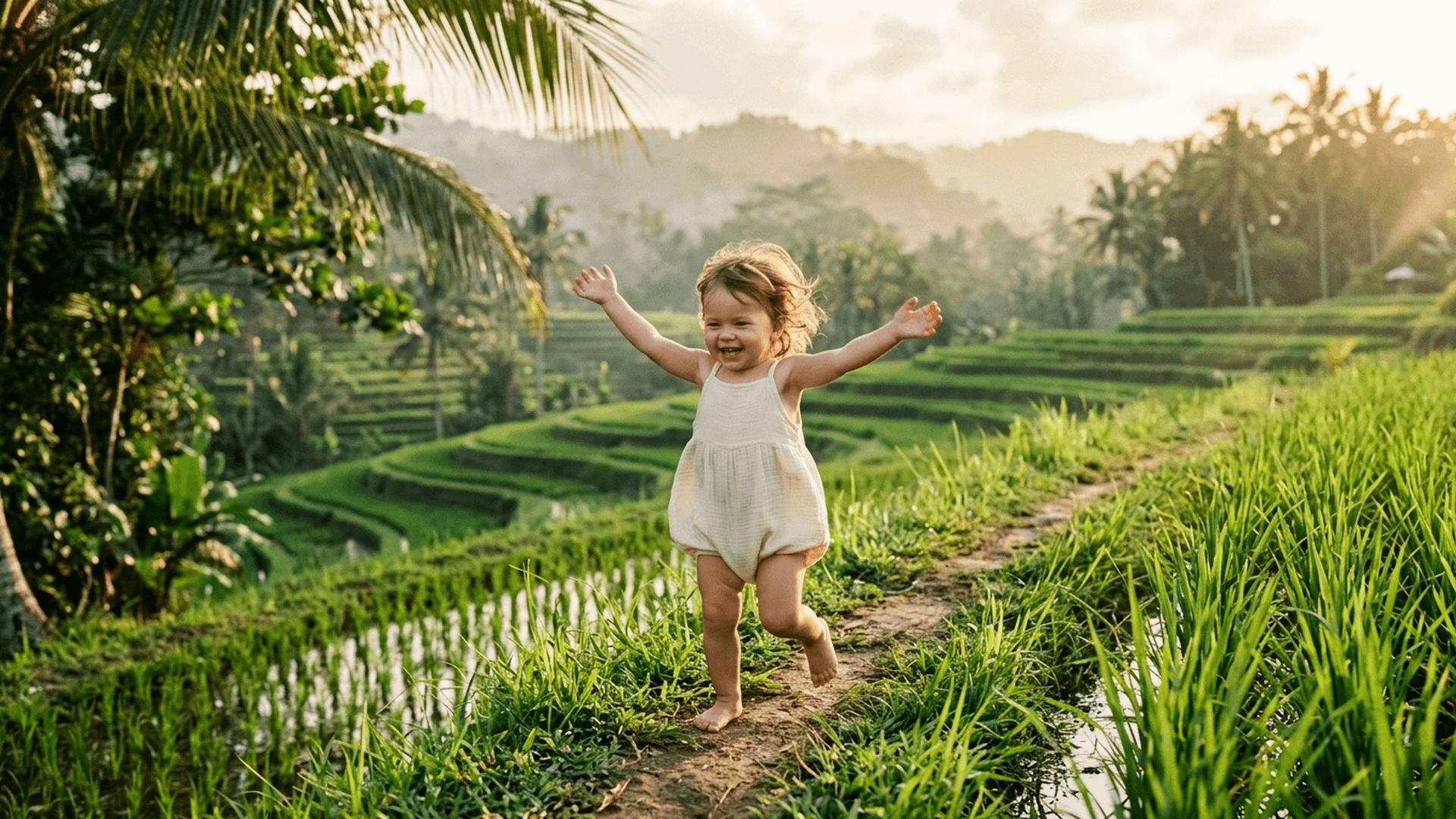
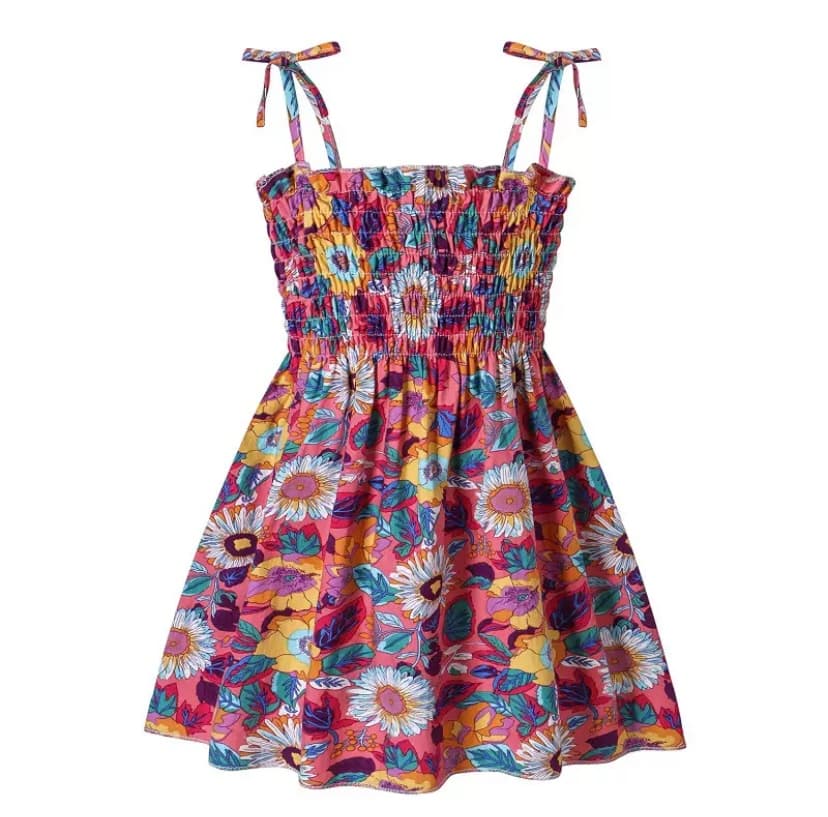
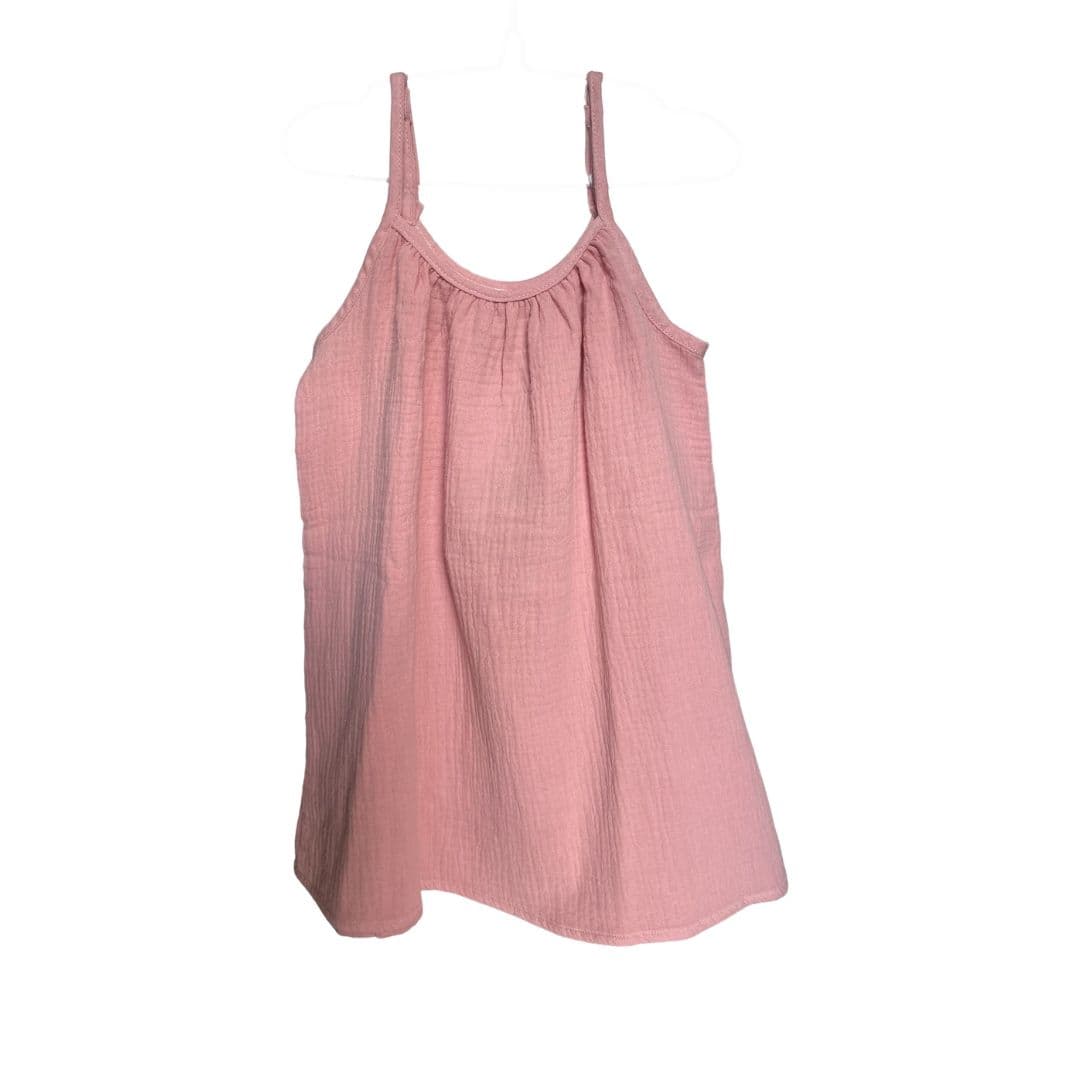
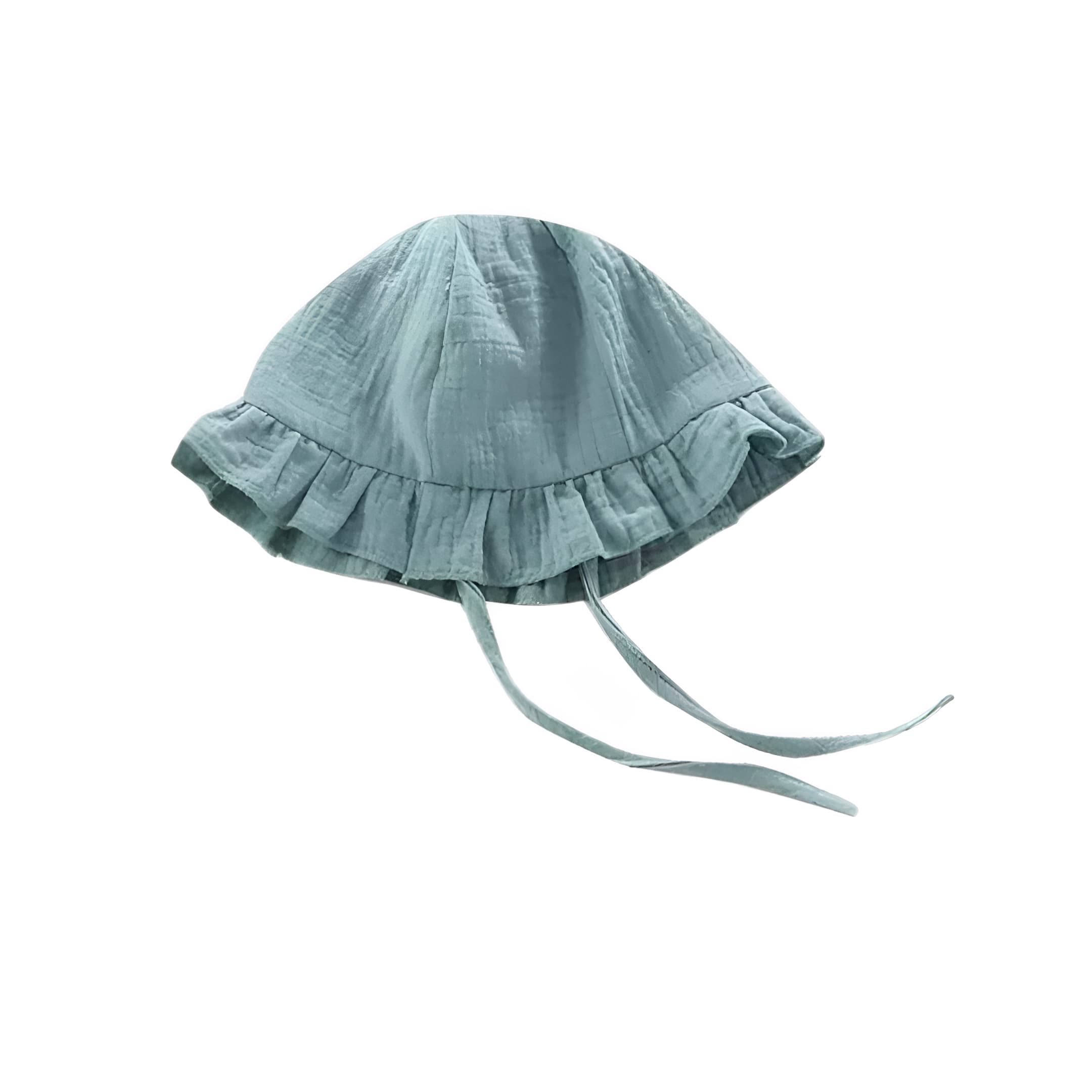
Because so much of Kuningan happens outdoors and in the morning heat, what your toddler wears matters more than usual. Bali sits close to the equator, so mornings warm up fast and humidity builds well before midday. Most of us reach for something loose, made from breathable cotton, a natural fiber that lets air move through the weave, rather than anything stiff or fitted, for a morning of walking between offerings and watching the neighborhood get busy. If you're new to dressing a small kid for Bali's heat generally, our guide to what to wear a baby in Bali covers the basics beyond just ceremony days.
If your family is newer to the island, or you're wondering how much of this to explain versus just experience, the same question comes up around Nyepi, Bali's other major ceremonial day with a totally different, much quieter rhythm. And if you're building your own version of holiday tradition far from where you grew up, our piece on Christmas without snow touches on the same idea from a different angle: kids don't need the tradition to match your childhood version of it to feel like it's theirs.
FAQs
Is it okay to photograph penjor and family offerings? Yes, penjor visible from the street are generally fine to photograph during Galungan season. Offerings and ceremonies on private or temple property are different, so ask before pointing a camera into someone's family compound.
Will Galungan affect our plans, traffic, or things being open? Galungan does affect daily logistics: expect more traffic and busier sidewalks near temples and family compounds, especially in the days leading up to Galungan and on Kuningan morning. Shops and restaurants generally stay open, though some smaller family-run places may close for a day.
How do I explain the "goodbye" part of Kuningan without it turning into a conversation about death? Most families we know keep it at the level of a visit ending, not a loss. Ancestors arrived, stayed for ten days, and now they're heading home, the same shape as any relative who comes to stay and eventually leaves. Toddlers tend to accept that framing without needing more.
A note from Bali
Galungan season is one of our favorite stretches of the year to walk the neighborhood with a small kid and point things out. It's also, reliably, a hot and busy one. For mornings spent following the penjor down the street, we reach for soft, breathable pieces that keep a toddler comfortable without a second thought, which is a big part of what we stock at Epic. If that's useful for your own Galungan season, have a look.
From one parent to another
Dressing a little one for the heat?
Join the EPIC family for honest guides on dressing kids in the tropics, first look at new pieces, and 10% off your first order.
No spam, just the good stuff. Unsubscribe anytime.
Shop the pieces
More from Knowmads Bali
Born in Bali · Tested in the tropics
Muslin cotton, made for the heat
Breathable, soft, and built for real tropical days. Our onesies & playsuits are where most families start.