Wet-Season Wardrobe Math: How Many Rompers You Really Need
Wet-season travel with a baby? Here's exactly how many muslin rompers you need to pack so you never run out mid-trip.
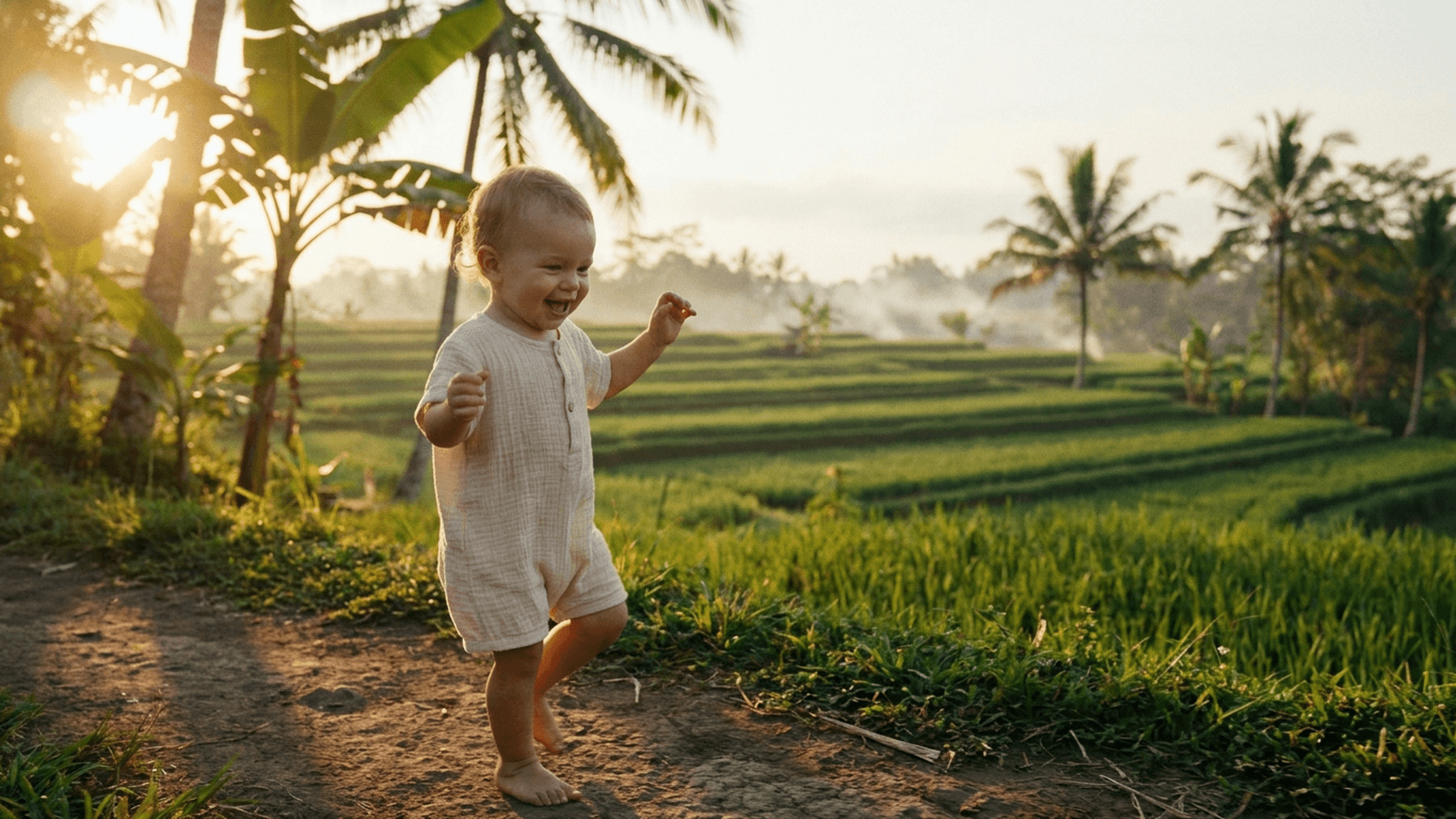
How many rompers you actually need
Plan on seven to ten rompers in daily rotation during Bali's rainy season, when humidity keeps a romper from drying overnight. That covers one worn, one in the wash, one air-drying, and a few spares for the days rain stretches the drying cycle to two or three days. Fewer than that and you're reaching for a damp romper by day three.
That number surprises a lot of parents used to a "one per day" rule from cooler climates. Wet season in Bali doesn't work that way, and most packing lists never explain why.
Why the "one per day" rule breaks down in wet season
Bali's wet season is the island's rainy stretch, roughly November through March, when humidity stays high even between downpours. In a dry climate, a wash-today-wear-tomorrow rhythm works: hang something up in the evening and it's usually ready by morning.
Wet season doesn't work that way. A romper that would normally dry overnight can take two or three days instead, because humid air slows evaporation even after the rain itself has stopped. We've learned to size the wardrobe around how long drying actually takes here, not around a fixed number per day.
Toddlers add their own accident math on top of that: a spill at breakfast, mud from the garden, a diaper blowout, a surprise downpour on the walk home. Each one is an unplanned wash on top of the planned one. Wet season doesn't make a romper get dirty more often. It just slows down how fast a dirty one becomes clean again.
The real math: build in a drying buffer
A simple way to think about it:
- Daily wears: one romper for a typical toddler day
- Wash-cycle buffer: a few rompers to cover the normal time it takes to wash and dry
- Weather buffer: a few more for the days rain stretches drying out further
- Accident spares: a couple set aside for the spills, mud, and blowouts that won't wait for laundry day
Add those up and you land somewhere around seven to ten, which is the range we plan around for a wet-season wardrobe, whether you get there by trial and error or work it out ahead of time.
Rotation systems that make fewer rompers work harder
You don't need more clothes than that math calls for. What matters more is how you cycle through what you have.
A few habits that make a smaller wardrobe stretch further:
- Wash in smaller, more frequent loads rather than waiting for a full hamper. Two half-loads dry faster combined than one full one, since drying speed depends on how much wet fabric is competing for the same humid air.
- Stagger drying spots. A romper hung near airflow, even a fan indoors, dries much faster than one crammed on a rack next to others.
- Keep a "reserve" pile separate from the daily rotation: two or three rompers you only touch when the active rotation runs short. That way a three-day rain stretch never catches you without a clean one.
- Rotate by size, not just by day. Toddlers grow in bursts, and a romper that's getting snug is harder to wrestle on and off fast, which slows the whole rotation down. If you're not sure whether something's genuinely outgrown or just shrunk from washing, the 60-second fit check is worth running before you decide your count is short.
Lightweight, breathable fabric earns its keep here too: anything heavier or lined simply takes longer to dry in humid air, no matter how you rotate it. If you're weighing fabric options for the wardrobe overall, how muslin holds up after repeated washing is a useful comparison point. And if you're still building out the rest of the wet-season packing list beyond rompers, this honest pack-this-skip-that list from parents living here covers the rest of the bag.
FAQs
Does it matter if we're renting a villa with a washer versus using laundry service? It changes how you wash, not how you dry. Villa laundry services in Bali still air-dry in the same humidity everyone else deals with, so the buffer math holds either way. A washer at home mostly saves you a pickup-and-drop trip, not drying time.
Do we need the same number for a newborn as a toddler? Newborns actually go through more outfit changes a day, not fewer, so their daily-wear number is higher even though drying time stays the same. Most families land in a similar total range, just from a different starting point.
We're only in Bali for two or three weeks, not living here full time. Does the math still apply? Short trips make the buffer more important, not less: you have no slack days to catch up on laundry. Pack toward the higher end of the range, not the lower.
A note from Bali
We've lived this drying math ourselves, season after season. It's one of those things nobody tells you until you're hanging the same romper for the third day in a row. When we look for pieces to stock, lightweight and quick-drying is always top of the list, for exactly this reason. If your rotation's running thin this wet season, our rompers are worth a look.
From one parent to another
Dressing a little one for the heat?
Join the EPIC family for honest guides on dressing kids in the tropics, first look at new pieces, and 10% off your first order.
No spam, just the good stuff. Unsubscribe anytime.
Shop the pieces
More from Knowmads Bali
Born in Bali · Tested in the tropics
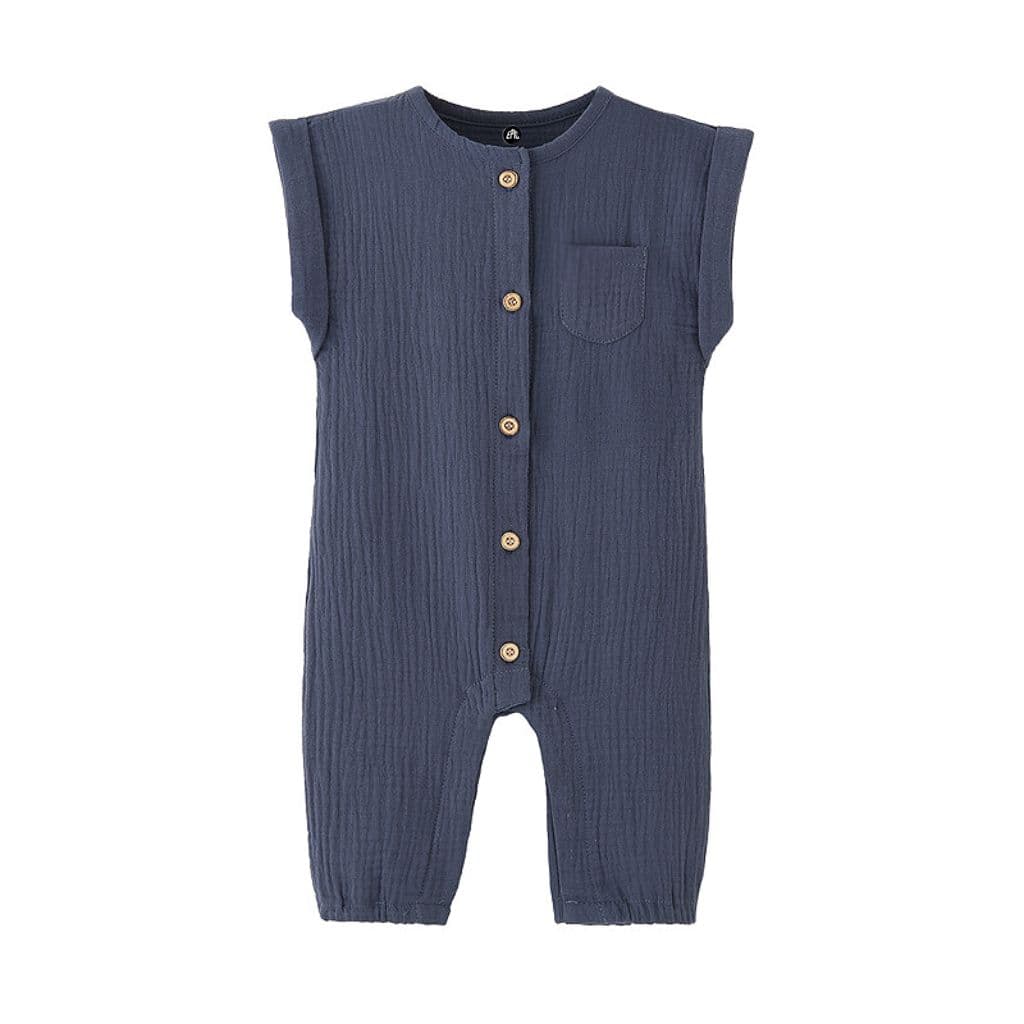
Muslin cotton, made for the heat
Breathable, soft, and built for real tropical days. Our onesies & playsuits are where most families start.