Toddler Meltdowns: Sensory Overload or Just Testing You?
Toddler meltdown mid-trip? Learn to spot sensory overload vs. boundary-testing so you can respond right and save the outing.
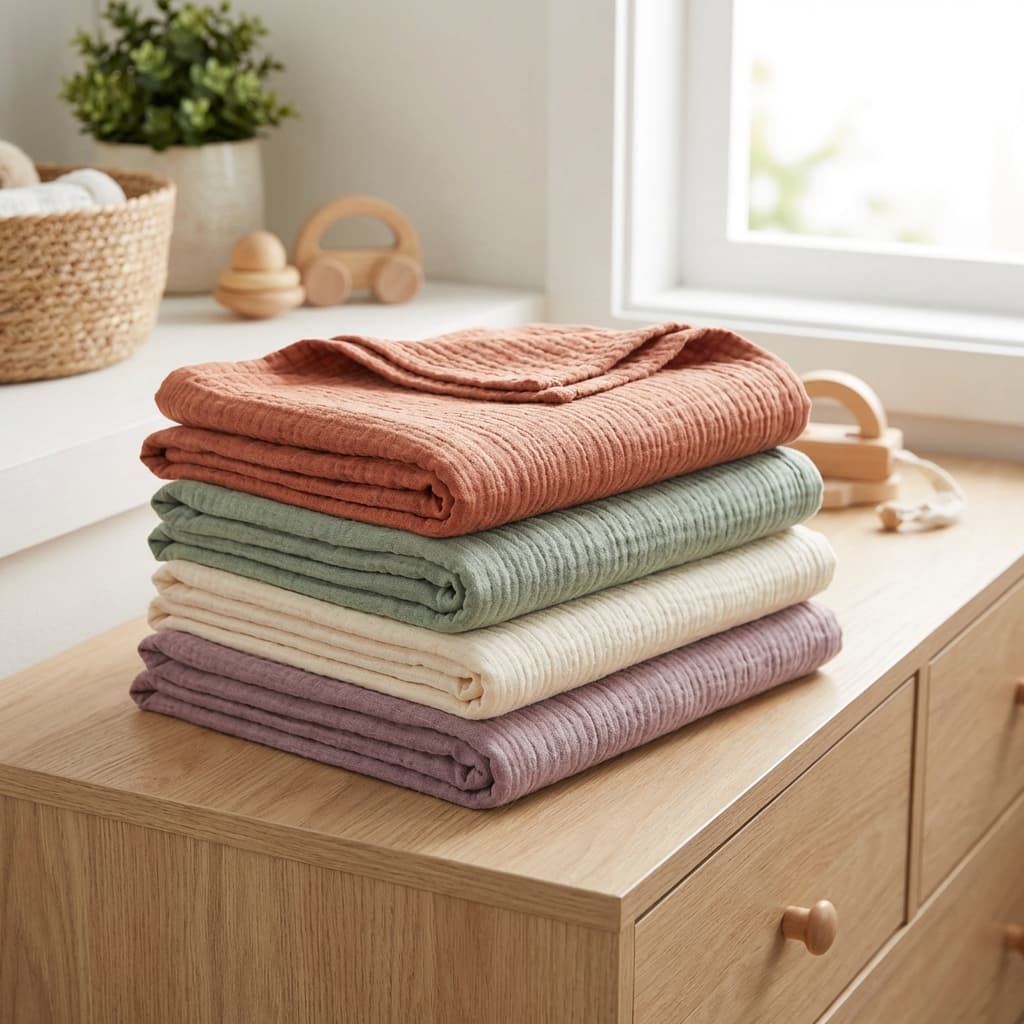
Toddler meltdowns: sensory overload or just testing you?
Watch what happens after you remove the trigger, not during the meltdown itself. If your toddler keeps struggling even once the tag is cut, the shoes are off, or the sleeve is pushed up, that's sensory overload, not defiance. If the crying stops the moment they get their way, or only shows up when someone's watching, that's a power struggle. Sensory reactions repeat with the same trigger no matter who's around; power struggles shift with the stakes.
The clothes test: does it stop when the trigger is gone
Getting dressed is the clearest test, because you can remove the trigger and watch what happens next.
Take the tag off, and a sensory response usually settles within a minute or two, sometimes with your toddler still rubbing at the spot where it used to be. Take it off for the toddler who's testing you, and the protest just moves. Now it's the socks. Now it's the wrong cup. Now it's that you closed the door instead of them.
Neither pattern means anything's wrong with your child. Most toddlers do some of both, often in the same week, sometimes in the same outfit change.
What tends to look like sensory overload with clothes
Sensory overload with clothing is when a specific physical sensation, a seam, a tight cuff, fabric sticking to skin, keeps bothering a toddler even after the trigger should be gone. Parents describe it as sudden and specific: fine in a soft t-shirt yesterday, inconsolable in a stiff one today. Humid air slows sweat evaporation, so here, clothes stay damp against skin for hours instead of drying quickly the way they would somewhere drier.
A few things families notice tend to travel together:
- It happens with the same kind of fabric or fit almost every time, not just when they're tired or hungry
- It doesn't stop the moment they get what they want, it fades gradually instead
- They point at or paw the specific spot (the collar, the waistband, the cuff) rather than protesting the whole idea of getting dressed
- It shows up even when they're otherwise calm and rested, not only at the end of a long day
If this pattern shows up over days, not just one bad afternoon, mention it to your pediatrician instead of guessing on your own. Patterns tell you more than any single outfit change.
What tends to look like testing you
A power struggle is a toddler testing what "no" actually gets them, not reacting to a physical sensation. It almost always has an audience and a goal: it escalates when you say no, and often stops, fast, the moment you cave or offer a trade. It's more likely right before a nap, right after a "no" about something unrelated, or the third time you've asked for shoes in five minutes. This isn't manipulation in the adult sense. It's a toddler discovering that "I don't want to" is a sentence that gets a reaction, and testing how far it stretches. That's a normal, healthy part of the one to three age range, however loud it gets in the moment.
What actually helps, either way
You don't need two different playbooks. A calm, low-friction dressing routine helps on both kinds of mornings.
- Offer two acceptable choices instead of one command ("the blue shirt or the striped one")
- Make the swap before the meltdown peaks, not mid-scream, when nobody can hear you anyway
- Keep two or three go-to pieces in rotation, ones you already know don't cause a fuss, instead of testing something new on a rushed morning
- Notice whether overtiredness is doing some of the work. The 3pm meltdown decoder is worth a read if the timing feels more predictable than the trigger itself
- Check the fit before you blame the child. A waistband that's gotten snug or a cuff that's shrunk tight can look exactly like a sensory meltdown, and the 60-second fit check is a fast way to rule that out
Cotton softens with every wash, while synthetic blends hold their shape and stay stiff, so a well-worn cotton piece with no stiff seams or tight cuffs takes one whole category of triggers off the table before you get to the harder question of what your toddler is actually upset about. It won't solve a power struggle, and it shouldn't be the first thing you reach for if the fuss is clearly about attention or control, but it removes one variable.
Sleep debt makes all of this harder to read accurately. If mornings are rough because nights already were, toddler fighting the one nap switch covers a transition that trips up a lot of families around this age.
Frequently asked questions
Can a toddler have both sensory and power struggle meltdowns in the same day
Most toddlers have both sensory and power-struggle meltdowns in the same day. A toddler who's genuinely bothered by a scratchy seam in the morning can turn a completely unrelated request into a standoff by afternoon, and treating every meltdown as the same type is usually where dressing routines break down.
My toddler was fine with certain clothes before and suddenly isn't, what changed
Growth spurts change fit fast, and a shirt that was loose two months ago can be snug under the arms now. Before assuming it's a new sensory issue, check whether the garment changed before your toddler did.
Is it normal for getting dressed to be a fight every single morning
Daily dressing fights are common, especially between one and three, and they usually ease as language catches up with frustration. If it feels constant rather than occasional, mention it to whoever else cares for your toddler day to day, so you're comparing notes instead of each guessing alone.
A note from Bali
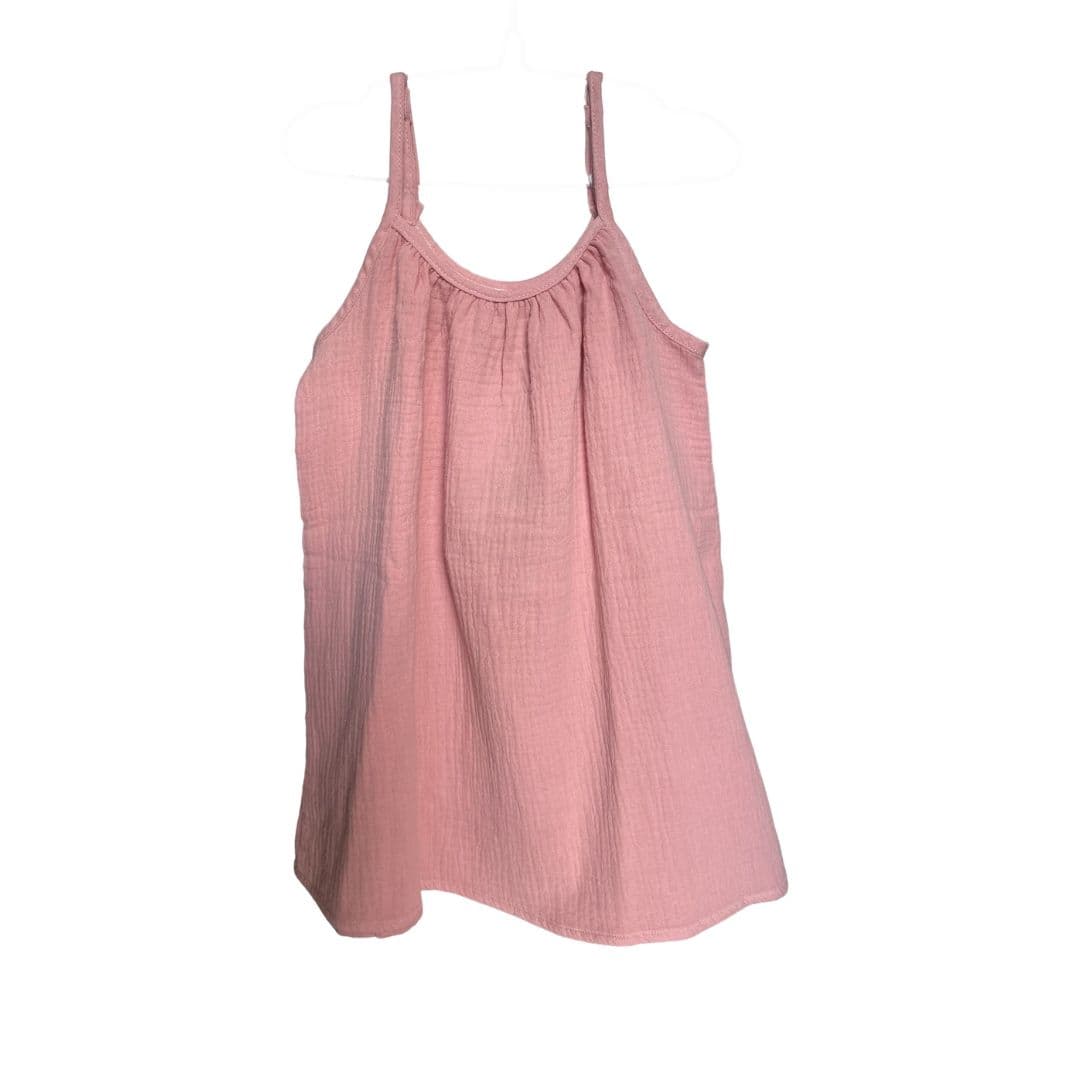
Mornings here are hot before the coffee is finished, and getting a toddler dressed on a deadline is its own small daily negotiation, sensory or not. We look for muslin cotton pieces with soft seams and enough give to survive an argument about socks, because whichever kind of morning you're having, a scratchy collar shouldn't be the reason for it. If you want to see what we stock, browse Epic here.
From one parent to another
Dressing a little one for the heat?
Join the EPIC family for honest guides on dressing kids in the tropics, first look at new pieces, and 10% off your first order.
No spam, just the good stuff. Unsubscribe anytime.
Shop the pieces
More from Knowmads Bali
Born in Bali · Tested in the tropics
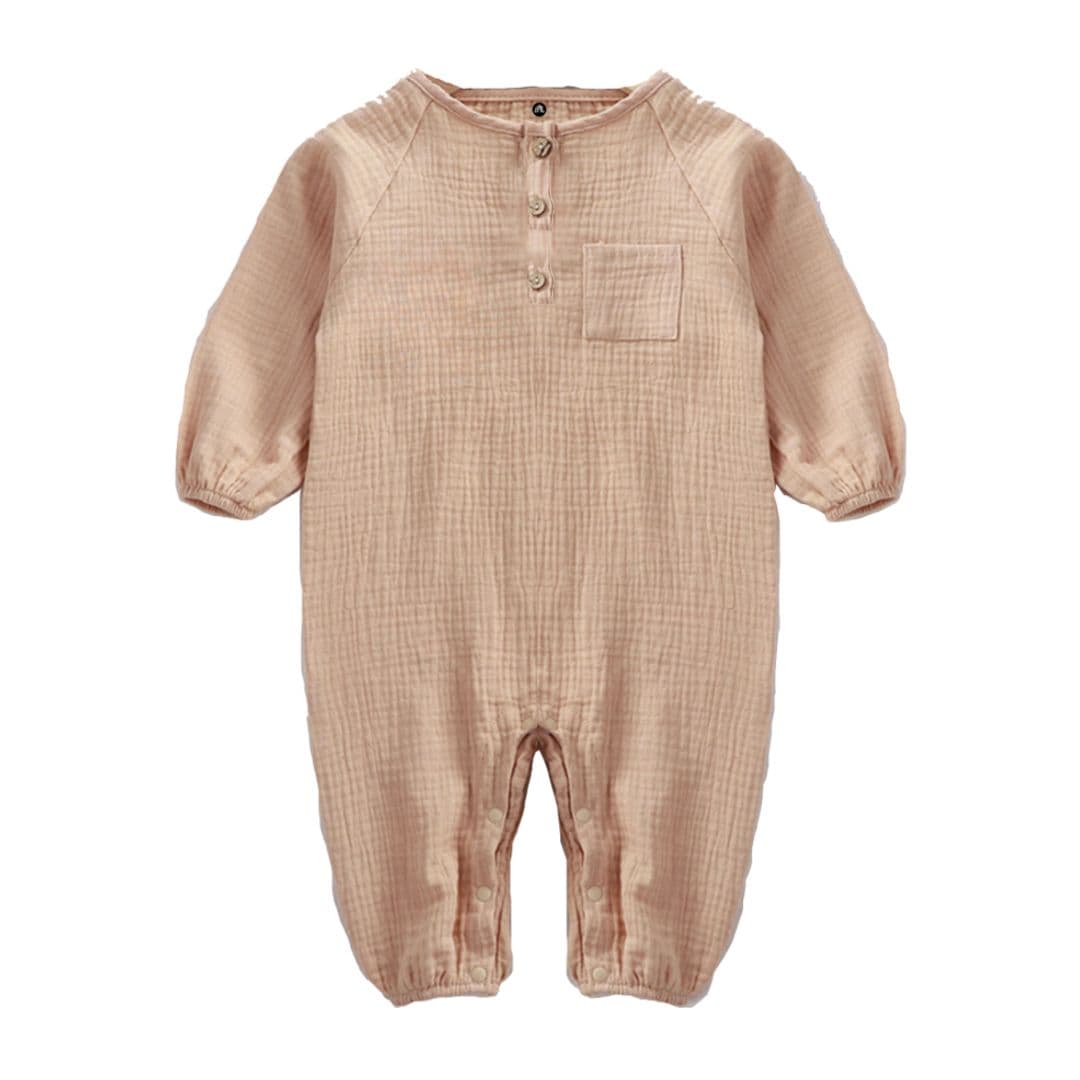
Muslin cotton, made for the heat
Breathable, soft, and built for real tropical days. Our onesies & playsuits are where most families start.