Toddler Fighting the One-Nap Switch? Try Napping Earlier
Toddler dropping to one nap but fighting bedtime? Shifting nap time earlier can fix the resistance, here's how to time the switch right.

If your toddler is suddenly fighting the one-nap transition, it's usually because their wake window has outgrown the old two-nap schedule faster than a hot climate lets it show, and yes, moving naptime earlier is usually the fastest fix. An overtired toddler resists sleep harder than a tired one, and warm afternoons shrink that window faster than calendar-age charts suggest.
Why the one-nap transition looks like a fight
The one-nap transition is the shift from two toddler naps a day down to one, and it typically starts somewhere between the first and second birthday as wake windows stretch too long for the old rhythm to fit. It rarely looks like a clean handoff. The usual sign isn't a toddler who calmly skips a nap and carries on happily. It's a toddler who refuses to lie down, lies down and stares at the ceiling for forty minutes, or naps fine some days and falls apart on others. That inconsistency is normal. It usually means the timing has drifted, not that the nap is over.
Heat adds a layer most nap advice skips. Humidity makes heat feel more draining than dry air at the same temperature, since sweat evaporates more slowly and the body has to work harder to cool itself, part of why a muggy tropical afternoon can wear a toddler out faster than a hot, dry one would. If you live somewhere hot, you've probably noticed your toddler runs out of steam earlier in the day than the standard charts assume. A wake window that felt fine on a mild morning can feel too long by 11am once the heat has been building for hours. If your toddler fights the nap at the exact time your chart says to expect it, the chart may just be timed for a cooler day than the one you're having.
Which nap disappears, and why timing matters more than the drop itself
When the two-nap schedule breaks down, the second, shorter nap almost always goes first. The first nap gradually shifts later, wake windows stretch, and eventually there's one longer nap in the middle of the day instead of two. That part is fairly universal.
What's less talked about: toddlers in hot climates often do better keeping that remaining nap earlier than generic advice suggests, instead of letting it drift toward the classic midday slot. If the hottest, most draining stretch of the day happens before the nap instead of during it, a toddler can arrive already running on empty and fight the very sleep they need. How to know it's nap time when it never cools down covers how we read the signs when the temperature offers no natural cue.
Why moving naptime earlier helps when it's hot
The logic is simple, even if the parenting moment isn't: a toddler already close to overtired resists sleep more, not less. Push the nap back while the day gets hotter and more draining, and you're asking an already-tired toddler to fall asleep at their hardest moment instead of their easiest one. Try it earlier, before the heat and the tiredness stack on top of each other, and the same toddler who refuses naps at 1pm may go down without a fight at 11:30 or noon.
It helps to know what you're looking at first. A toddler who's overheated, one who's overtired, and one who's just hungry can all look like the same meltdown from the outside. The 3pm meltdown decoder is worth reading alongside this one if you're not sure which is driving the resistance in your house.
Signs an earlier nap might be worth trying:
- Nap refusal shows up at the same clock time, day after day, not randomly
- Your toddler seems wound up or extra silly right before the nap, rather than sleepy
- Naps that do happen are short and end in tears, not a slow wake-up
- The fight is worse on hot days than cool ones
- Bedtime has started creeping earlier too, a sign fatigue is stacking up earlier in the day
Making the earlier nap actually work
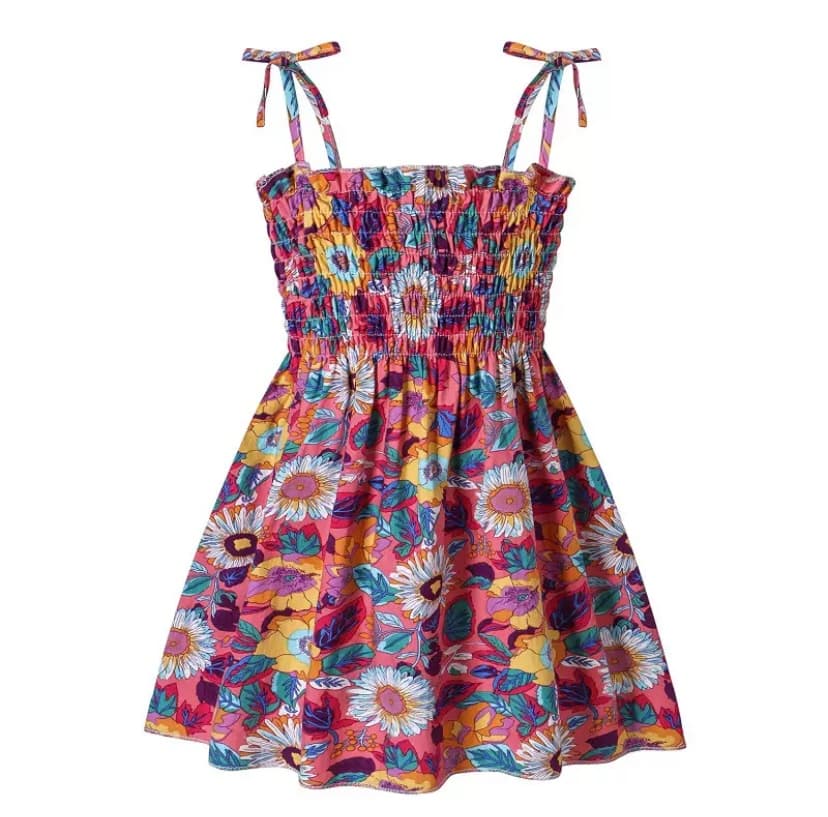
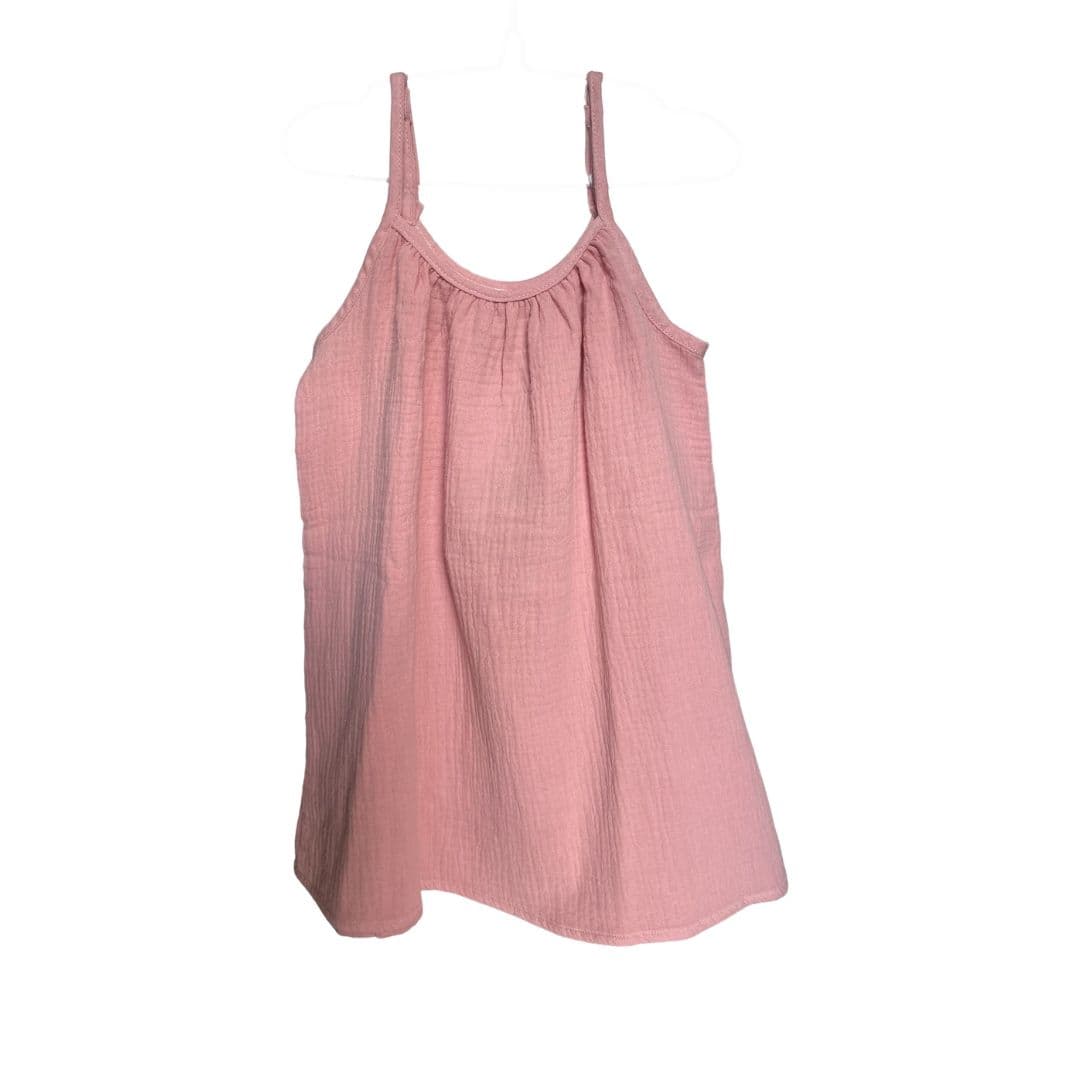
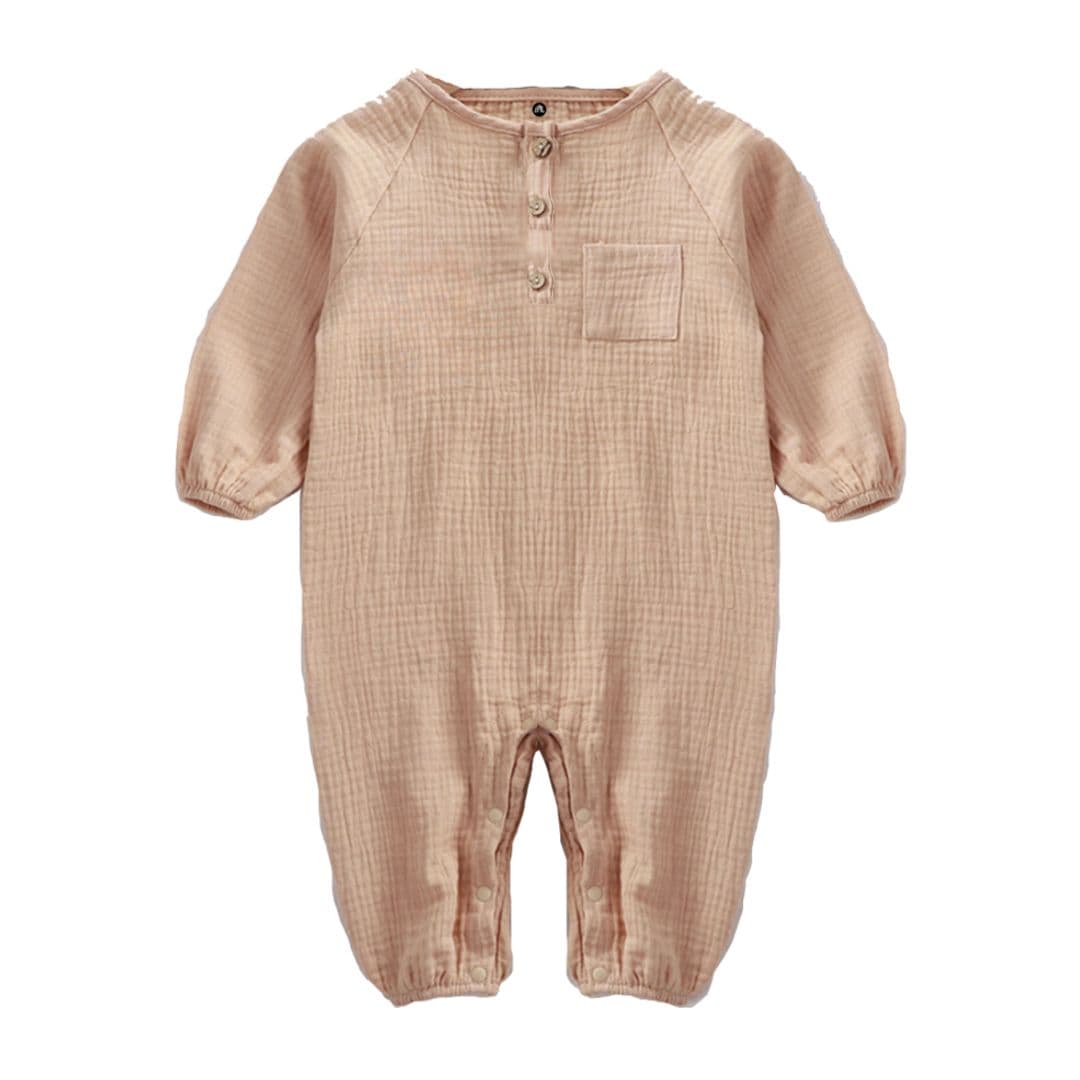
Shifting the clock is only half of it. A short, calm wind-down, even five or ten minutes of the same small routine, tells a toddler's body sleep is coming next, and that matters more once naps get less predictable. Keep the room as cool and dim as your setup allows, and dress your toddler in something light rather than whatever they've been wearing since morning play. Heavier or synthetic fabrics can make an already reluctant napper more restless once they're lying still in a warm room, since synthetic weaves trap body heat instead of letting it escape the way natural fibers do. A soft, breathable layer works in your favor instead of against it: muslin's open weave lets air move across the skin, so your toddler isn't trapping heat while they try to fall asleep.
Give the earlier time a few days before deciding it isn't working. Most toddlers alternate between needing one nap and needing two for weeks before settling into a consistent rhythm.
FAQs
What if my toddler still resists the nap even after I move it earlier? If your toddler still resists the nap after you've moved it earlier, give the new time three or four days before judging whether it's working. Some toddlers need the earlier window paired with a longer wind-down routine before the resistance eases.
How much earlier should I try shifting the nap? Shifting naptime fifteen to thirty minutes earlier is usually enough to test whether it helps. Big jumps make it hard to tell what actually worked, and your toddler's own morning wake time will nudge the right slot into place anyway.
Won't an earlier nap push bedtime too early? An earlier nap can shift bedtime a little earlier too, and that's fine for a few weeks during the transition. A toddler who naps well tends to settle into a steadier bedtime once the nap stops being a daily battle.
A note from Bali
We live through this same guessing game with the heat here, where the right nap time seems to move depending on how the day behaves. If you're in the thick of it, we hope this saved you some trial and error. Breathable and lightweight always wins over anything heavier when the heat won't let up, and it's the same standard we look for in the muslin pieces we carry at Epic. If that's useful to you too, our shop is there when you need it, no pressure either way.
From one parent to another
Dressing a little one for the heat?
Join the EPIC family for honest guides on dressing kids in the tropics, first look at new pieces, and 10% off your first order.
No spam, just the good stuff. Unsubscribe anytime.
Shop the pieces
More from Knowmads Bali
Born in Bali · Tested in the tropics
Muslin cotton, made for the heat
Breathable, soft, and built for real tropical days. Our onesies & playsuits are where most families start.