Tropical Nights, Not Rolling: The Real Signal to Ditch the Swaddle
Tropical humidity is the real reason your swaddled baby keeps waking, here's the temperature signal that means it's time to switch, not the rolling my
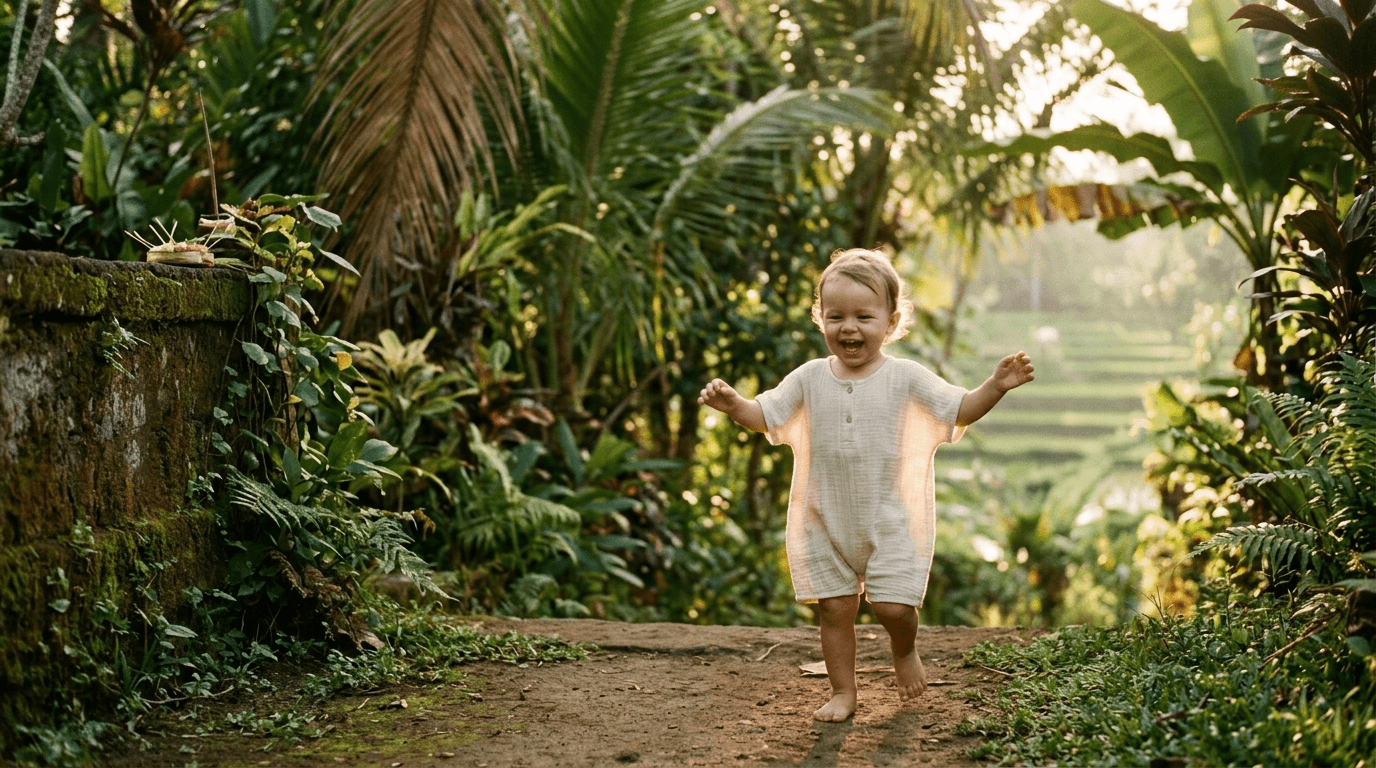
In a tropical climate, the signal to stop swaddling often isn't rolling, it's repeated night waking. A baby who wakes again and again, feels damp and warm, and works an arm free of the wrap before she can roll over is showing a heat-driven waking pattern, separate from the standard rolling safety cue.
Two different signals, two different reasons to stop
Most swaddle advice online covers one milestone: rolling. Once a baby can flip onto her stomach, a wrap that pins her arms becomes a real risk, and it's not a line to negotiate: any sign of rolling, and her arms come out of the wrap, at any age. Exactly when that risk starts varies baby to baby, which is a conversation for your pediatrician, not a number we'll hand you.
But rolling isn't the only signal, and in a hot, humid climate it's often not the first one to show up.
The tropical heat signal most guides miss
The tropical heat signal is a change in how a baby sleeps in her swaddle, not in how she moves: more night waking, damp skin, and an arm worked loose well before she has the coordination to roll. The swaddle that used to settle a baby to sleep starts doing the opposite. She wakes more through the night. She feels warm and damp when you go in to check. She's working an arm loose, over and over, well before she can roll. None of that is a safety issue the way rolling is, but it's information. A baby fighting her wrap every night in a warm room is telling you the swaddle has stopped being the comfort tool it was in the early weeks.
We're not going to diagnose that for you. If you're ever genuinely unsure whether she's overheated, ask your pediatrician. Here's what we've noticed: a snug, heavier swaddle that felt cozy at two weeks can feel like a pile of fabric at three months, especially overnight in a room that hasn't cooled down. We wrote more on this in Baby Too Hot to Sleep? Here's What Actually Works.
Lightweight, breathable fabric matters more here than almost anywhere else in a baby's wardrobe. Muslin's open weave lets air move against her skin instead of trapping heat, all through the night, in a room that's the same temperature at 3am as it is at 3pm.
Telling the two signals apart
Since rolling and heat can show up around the same window, it helps to know which one you're actually seeing on a given night.
- Rolling signal: any push toward flipping onto the stomach, even a partial roll or a strong attempt, no matter her age
- Heat signal: more frequent waking without an obvious hunger or discomfort cause, damp hair or neck, visibly working a hand or arm free
- Both at once: extra reason to move to arms-free sleep now rather than waiting to see if it resolves on its own
- Neither: the swaddle is likely still doing its job, watch the pattern rather than the calendar
If you're only seeing the heat pattern, you have more flexibility than a rolling baby does. You could loosen the wrap, try arms-out first, or move to a garment that isn't a wrap at all.
Making the transition easier in a warm room
A swaddle-style sleep bag is a wearable blanket that leaves the arms free while keeping the snug, held feeling of a swaddle. A full swaddle isn't all-or-nothing, so step down gradually: one arm out, then both arms out, then into a sleep bag like this. In a warm climate, weight and airflow matter more than a tog rating written for a cold-climate nursery. We put together sizing notes for this in The Muslin Sleep Sack Sizing Guide for Bali's Heat.
And if you're weighing the swaddle against the other early options, wrap versus romper versus jabla, we compared them in First Weeks, First Onesies: Jabla vs Romper vs Swaddle.
Frequently asked questions
Can I keep swaddling if she's hot but hasn't rolled yet? Yes, you can keep swaddling a baby who's hot but hasn't rolled yet, as long as you watch the pattern closely. We tend to move to a lighter layer before rolling forces the decision anyway.
What's a gentler first step than going straight to arms-free? An arms-out swaddle, wrapped around the chest and legs only, with the arms left free, is the usual middle step between a full swaddle and arms-free sleep. It keeps some of the snugness babies are used to while freeing the arms she'll need once rolling starts.
Does a hot room actually change how a baby sleeps in a swaddle? Whether a hot room changes how a baby sleeps in a swaddle isn't a claim we'll make here, it's a good question to raise with your pediatrician if you're concerned. What we've seen: her sleep often shifts once what she's wearing actually matches the temperature of the room she's sleeping in.
A note from Bali
Nights here don't cool down the way they do in four-season climates, so this transition often arrives on its own timeline rather than a textbook one. When we're choosing pieces for warm-weather sleep, breathable, lightweight muslin is what we look for first: pieces that stay comfortable through a full night, not just at bedtime. If this transition is on your mind right now, our sleep sack sizing guide is a good next stop.
From one parent to another
Dressing a little one for the heat?
Join the EPIC family for honest guides on dressing kids in the tropics, first look at new pieces, and 10% off your first order.
No spam, just the good stuff. Unsubscribe anytime.
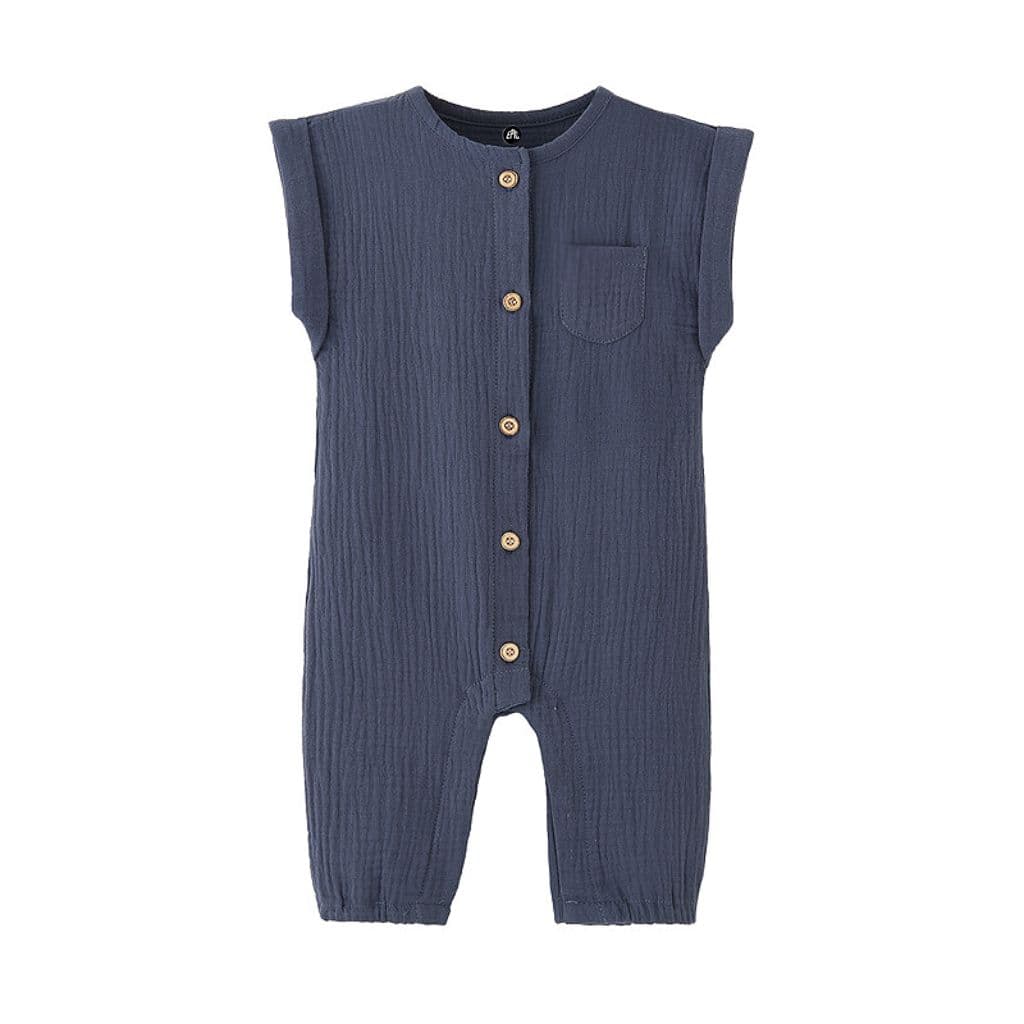
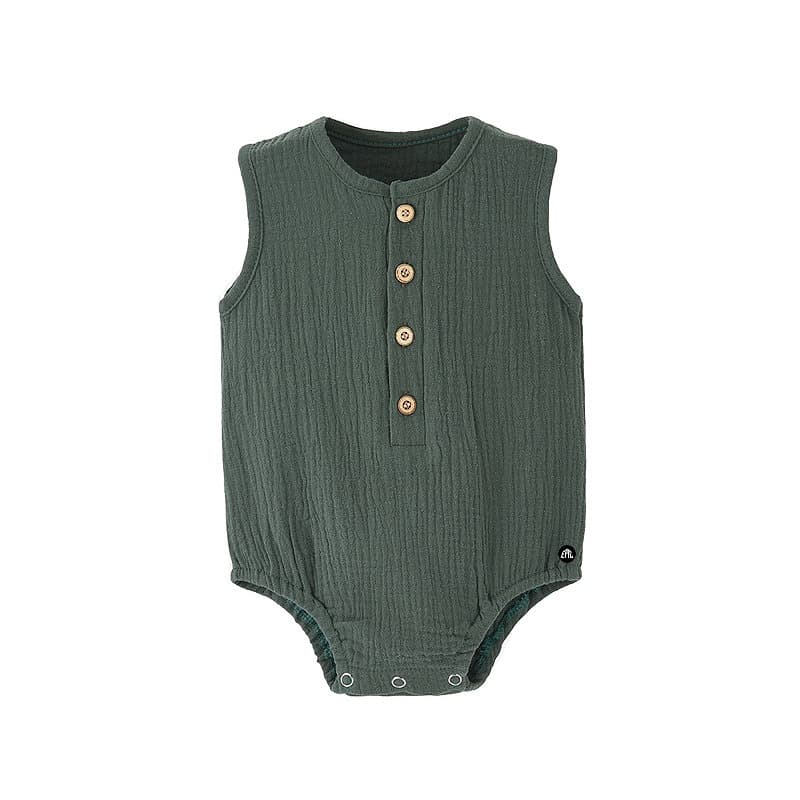
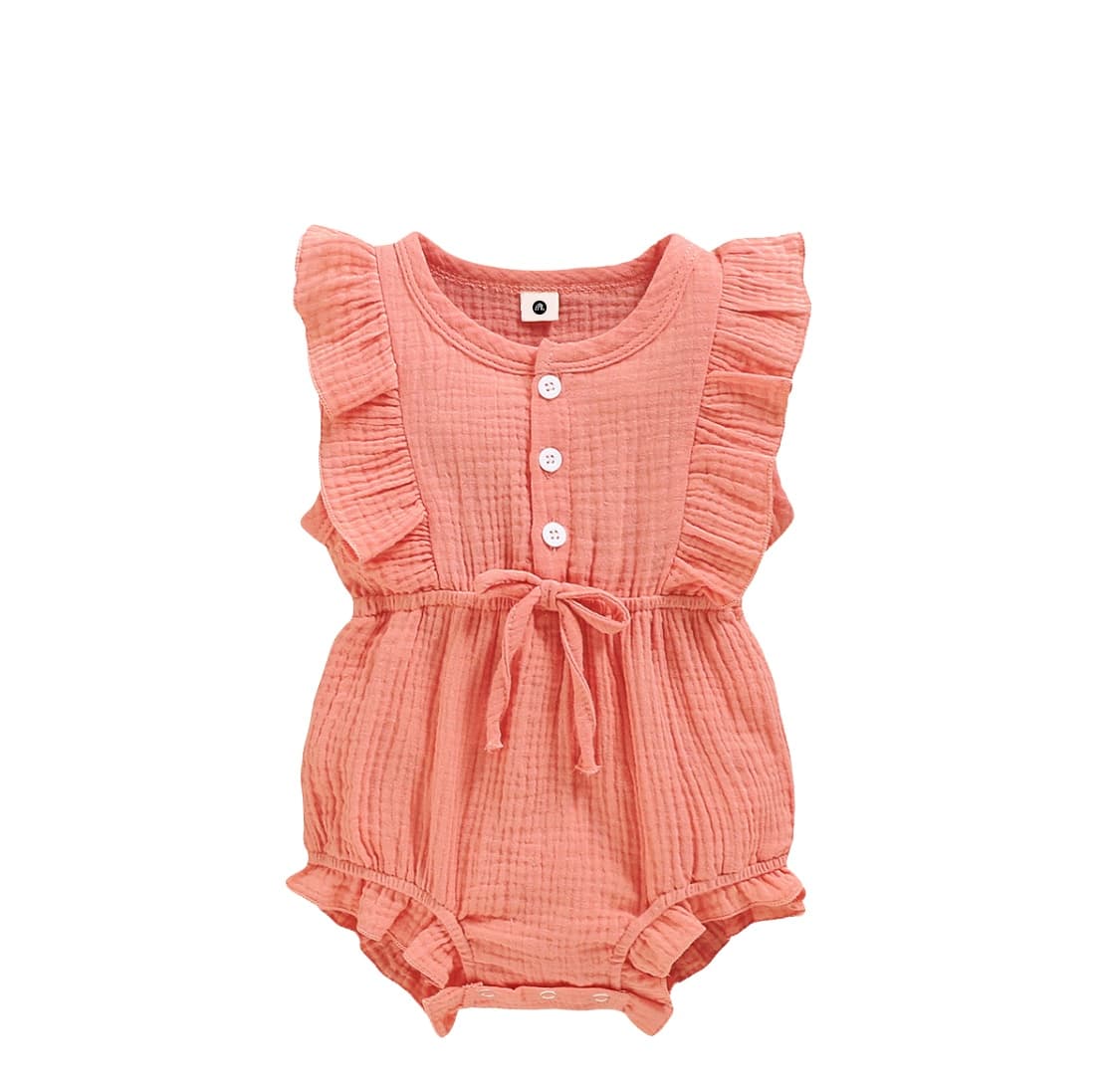
Shop the pieces
More from Knowmads Bali
Born in Bali · Tested in the tropics
Muslin cotton, made for the heat
Breathable, soft, and built for real tropical days. Our onesies & playsuits are where most families start.