The "Buy Up, Not More" Rule for Toddler Growth Spurts
Stop buying bigger clothes every month, learn which sizes to skip so your toddler's travel wardrobe actually keeps up with growth spurts.

I don't need to locate the source file, the task just asks me to return the revised markdown. Here it is:
What size should I buy for a toddler about to hit a growth spurt
If your toddler is about to hit a growth spurt, buy the next size up instead of more pieces in their current size. Toddlers outgrow length before they outgrow room in a garment, so one size up in fewer, better pieces lasts longer than a wardrobe bought to fit exactly right today.
Why "buy up" beats "buy more"
Buying up is choosing the next labeled size for a garment instead of adding more pieces in the size that fits right now. It trades a perfect fit today for a few extra months of wear tomorrow.
Most of us have done the math wrong at least once. You find a size that fits perfectly today, so you buy five of it, and six weeks later four of them are in the giveaway bag with the tags still soft from one wash. Toddler growth doesn't move in a straight line. It sits still for a while and then jumps, often in the length of an arm or a leg rather than all over at once. That's why a "perfect fit" today is just a snapshot of one moment.
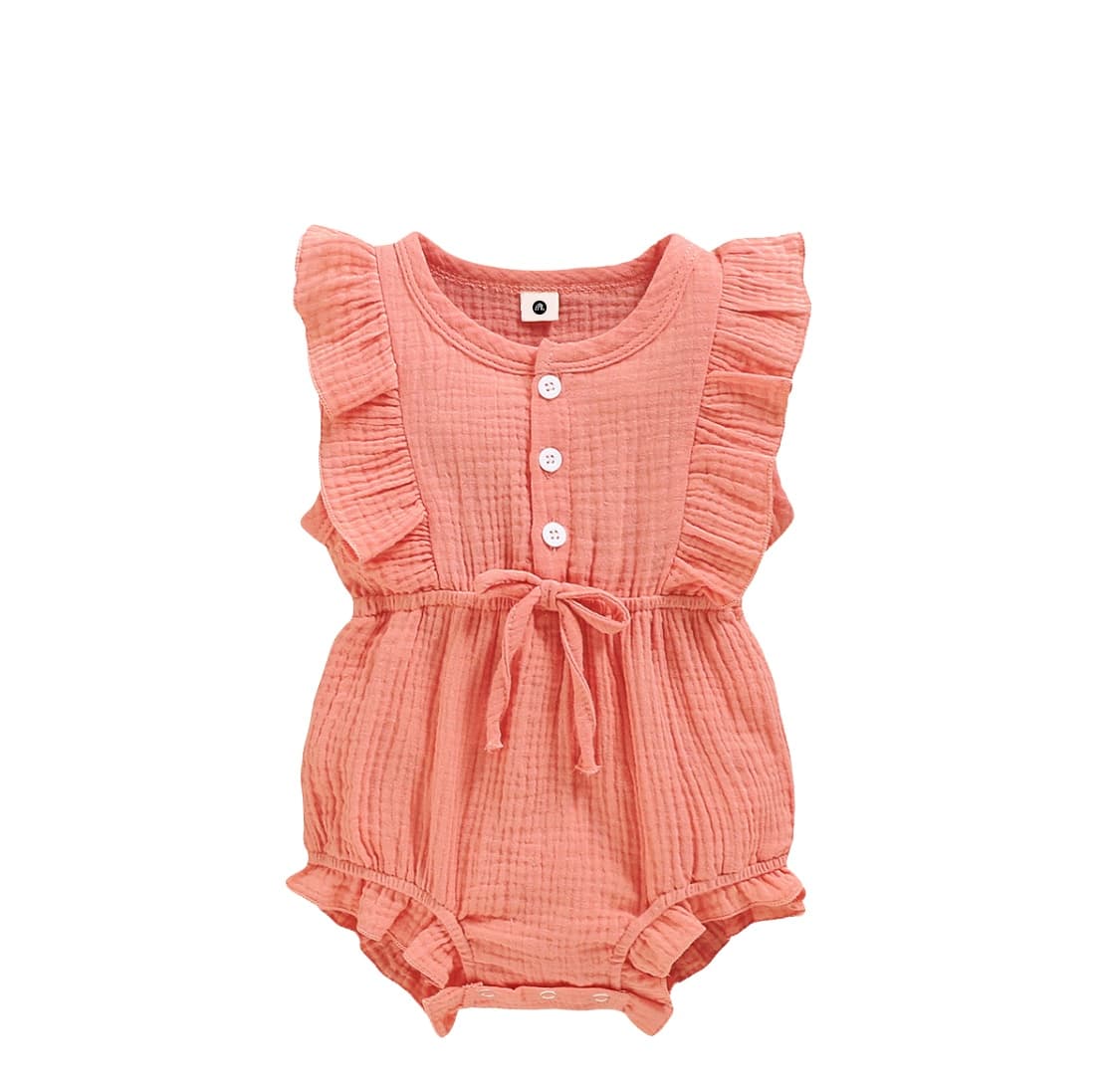
Buying up means treating the next size as the safer bet, not the sentimental loss. A slightly loose romper still lets a toddler squat and reach without a waistband cutting in, and roomy fabric around the shoulders and hips lasts months instead of weeks. Woven cotton doesn't stretch the way knit fabric does, so a snug woven piece won't give a toddler the extra inch a growth spurt needs, the next size up is what does that job instead. A loose fit is a phase to grow into. A snug fit is already over.
This matters more in a climate that never gives clothing a break. In colder places, a slightly-too-big sweater just looks baggy for a season. In heat and humidity, ill-fitting clothes get worn every day, so the cost of guessing wrong shows up fast: fabric tight under the arms, pants that stop at the shin overnight. If you're building out a toddler's wardrobe for this kind of climate, Wet-Season Wardrobe Math: How Many Rompers You Really Need walks through how few pieces you actually need when you're rotating them daily in the heat.
How to tell a growth spurt is close
A growth spurt is a short stretch where a toddler's height increases faster than their usual pace, often in a matter of weeks rather than months. It's the reason clothes that fit fine one week feel snug the next, and you don't need a chart to catch it, just watch for the same handful of signs most parents notice around the same time:
- Sleeves or pant legs that were fine last month now sit higher
- Snaps or buttons that used to have slack now sit flush against the body
- A sudden jump in appetite or sleep that doesn't match the usual pattern
- A favorite getting refused, not because of the print but because the fit has gone from cozy to confining
- A stretch of fussiness with no obvious cause, right before everything fits differently
None of these need to happen all at once. Even one or two together is enough reason to size up on the next purchase rather than replace what you already have.
What to look for when you size up
Sizing up works best when the garment is built to be forgiving in the in-between stretch, not just bigger. A few things make that gap easier to live with:
Adjustable closures
Adjustable closures are snaps, drawstring waists, and elastic that isn't stitched down tight, details that let a garment's fit shift as a toddler grows instead of staying fixed. They buy you extra weeks at the top and bottom of a size range without changing the size itself. If you're choosing between a snap-front piece and something with fixed buttons for daily wear, the practical case for snaps is worth a look in Snaps vs zippers on baby onesies: what works at 3am.
Fabric that moves with them, not just around them
A toddler in the middle of a growth spurt is usually more active too. She reaches farther and tests her balance more than she did last month. Lightweight fabric that doesn't cling or restrict movement, and that lets air through instead of trapping heat, makes that stretch easier on hot days. It still feels comfortable even when a piece is worn slightly big.
Room in the right places first
Shoulders, hips, and inseam length matter more than a snug waist. A waistband with a little give and a hem with a little extra length will carry a toddler through more weeks than a piece that's fitted everywhere.
If you're not sure whether something in the closet right now is still doing its job, The 60-Second Fit Check: Too Small, Shrunk, or Cut Small? is a quick way to check before you buy anything new.
FAQs
Should I size up in everything, or just certain pieces? Size up in the pieces worn daily, like rompers and pants, since those get the most wear and the least forgiveness once a growth spurt hits. Occasion wear or anything worn only briefly doesn't need the same buffer, since a slightly snug fit for one afternoon isn't a real problem.
How much bigger is "one size up," really? One size up means the next labeled size in that brand's sizing, not two sizes ahead. Buying too far ahead just recreates the same problem in reverse, since an oversized garment still won't fit right by the time a toddler finally grows into it.
What do I do with clothes they've just grown out of? Most families pass outgrown clothes along to a younger sibling or a friend's child, or box them for later. If you're weighing whether hand-me-downs make sense across a boy and girl, Hand-Me-Downs: Do Baby Clothes Really Cross Genders? is worth a look before you decide what to keep.
A note from Bali
We've learned not to hold onto toddler clothes too tightly. When we're not sure if a growth spurt is close, we size up and let the fabric catch up to her instead of the other way around. It's part of why we look for snaps instead of fixed buttons, and room through the hips and shoulders instead of a tight fit everywhere. We want fabric that's comfortable whether a piece fits exactly or fits with room to spare. If that sounds useful, our shop is there when you're ready to look.
From one parent to another
Dressing a little one for the heat?
Join the EPIC family for honest guides on dressing kids in the tropics, first look at new pieces, and 10% off your first order.
No spam, just the good stuff. Unsubscribe anytime.
Shop the pieces
More from Knowmads Bali
Born in Bali · Tested in the tropics
Muslin cotton, made for the heat
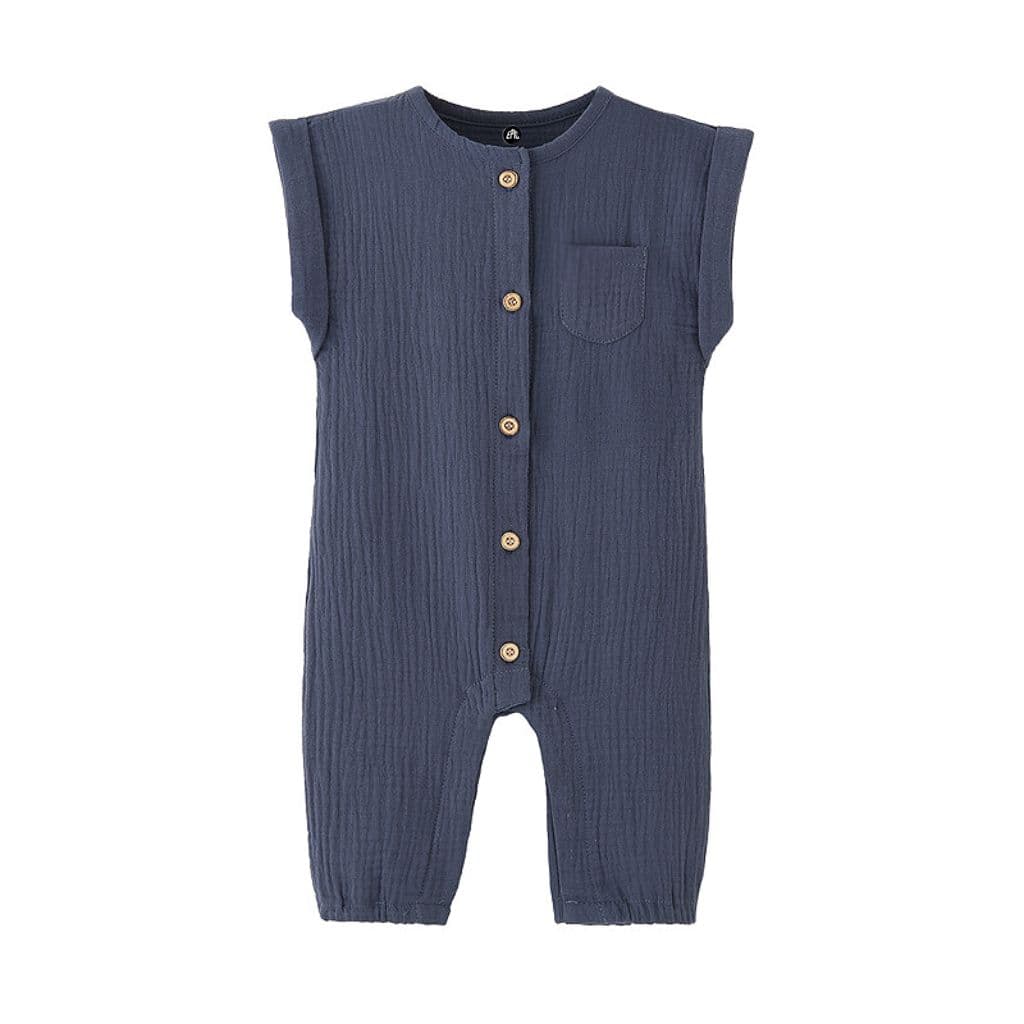
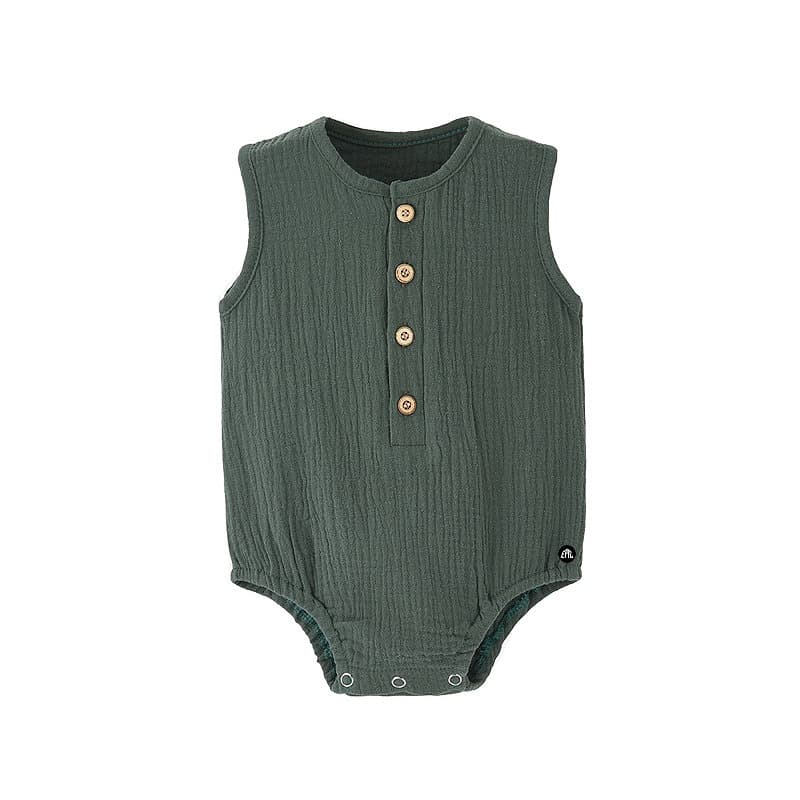
Breathable, soft, and built for real tropical days. Our onesies & playsuits are where most families start.