How Long Will That Romper Actually Fit? The Real Timeline
Still fits at 6 months? Stretches to 12? Here's the actual age-and-wash timeline for muslin cotton rompers, so you stop guessing before every trip.

Most toddlers outgrow a romper size sooner than the tag suggests, and the limit is almost always movement, not age: once squatting, climbing stairs or sitting cross-legged pulls the fabric taut, that romper is done, whatever the tag says. The crotch and inseam often give out before the chest does.
Why the size on the tag tells you less than you think
Uneven growth is when a toddler's legs and torso lengthen at different rates from one stretch to the next, rather than growing in matching proportion. That is why baby and toddler bodies do not track a size chart the way the label implies. A romper that still buttons easily at the shoulders can be stopping a toddler mid squat two weeks later, simply because legs outpaced the torso during that stretch. That is why a "12 to 18 months" label is a rough guess, not a promise. The honest answer to "how long will this fit" is "until one part of it stops working," and that part is rarely the part you expect.
Most of us have had the moment of pulling out a romper that looked fine in the drawer and finding the snaps straining the second it goes on. That is not a sign you bought the wrong size last time. It is just how growth works, in bursts and unevenly, rather than in the smooth monthly increments the size chart implies.
The real signs a romper is finished
A romper that's finished is one that fails at a specific point, the snaps, the hem, the sleeve cuff, rather than all over. Rather than tracking age or a size number, it helps to watch for a handful of physical tells, and these apply whether the romper is six months old or six weeks old.
- The snaps or zip at the base pull tight, or pop open on their own during a change
- The hemline has crept from the knee up toward mid thigh
- Squatting, crawling or climbing stairs pulls the fabric taut across the back or shoulders
- Sleeve cuffs sit above the wrist instead of at it
- Getting an arm or leg through takes real effort rather than a little wriggle
Any one of these on its own might just mean a single wash shrunk things slightly. Two or three together, and it is time to let that one go.
How Bali's heat changes the math
Humidity here sits around 80 percent for most of the year, with daily highs rarely dropping below 28C, and that changes how a romper gets worn, beyond how it fits on paper.
A looser fit is not a flaw in this climate: it is closer to correct. That is why plenty of families here keep a slightly snug romper in rotation longer than a size chart would suggest. The romper they already have is light enough to still feel good against the skin, while the next size up can run baggier than it needs to be. The trade-off shows up at the crotch and underarms first, the same uneven growth pattern covered in why 6-12 month co-ord pants ride up when the top still fits. An open weave lets air move across the skin, and that buys a little more time at the edges of a size, which matters more here than it would somewhere a toddler stays layered up most of the day anyway.
Sizing up without overbuying
The honest move is to buy the next size before you think you need it, rather than after. The overlap window is the stretch of weeks when a new-size romper goes from looking roomy to fitting properly. That is when a toddler is comfortable enough to live in the thing, not just wear it.
If you are weighing whether a hand-me-down romper is worth keeping in the rotation, it usually comes down to how close in age the two kids are. The age-gap math that decides if hand-me-downs survive walks through that math in more detail. A romper with a lot of life left can still be worth skipping if the gap between kids means it will sit in a drawer for a year first.
When you buy the next size, closure style is worth weighing alongside fit. Snaps and zips wear differently over a few months of daily changes, and snaps vs zippers on baby onesies covers which one holds up better at which stage.
Common questions about romper timing
Should I buy rompers a size up on purpose?
Buying a romper a size up on purpose is a smart move once you notice how short the true-fit window actually is. Buying slightly ahead means more weeks of comfortable wear and fewer weeks of a romper that is already tight.
Why does the crotch feel tight before anything else does?
The crotch takes the most stretch as a toddler sits, crawls and walks through the day, which is why it is usually the first part of a romper to show strain. The sleeves and chest typically still have room long after the crotch has given out.
Is it better to switch to separates once a baby starts walking?
Switching to separates once a baby starts walking works well for plenty of parents, mostly because separates are easier to size for a leg and a torso growing at different rates. Others keep rompers going well past walking because the single piece stays simple for nappy changes. Both approaches are common, and neither is wrong.
A note from Bali
No romper is built to last a whole season here, and that is fine. What we look for in everything we stock is softness and room to move: a toddler who has to think about their clothes at all is wearing the wrong size. If you are hunting for what comes next in the rotation, the pieces we carry are chosen with that stretch of comfortable overlap in mind, so you get a few more good weeks out of each size before the next one.
From one parent to another
Dressing a little one for the heat?
Join the EPIC family for honest guides on dressing kids in the tropics, first look at new pieces, and 10% off your first order.
No spam, just the good stuff. Unsubscribe anytime.
Shop the pieces
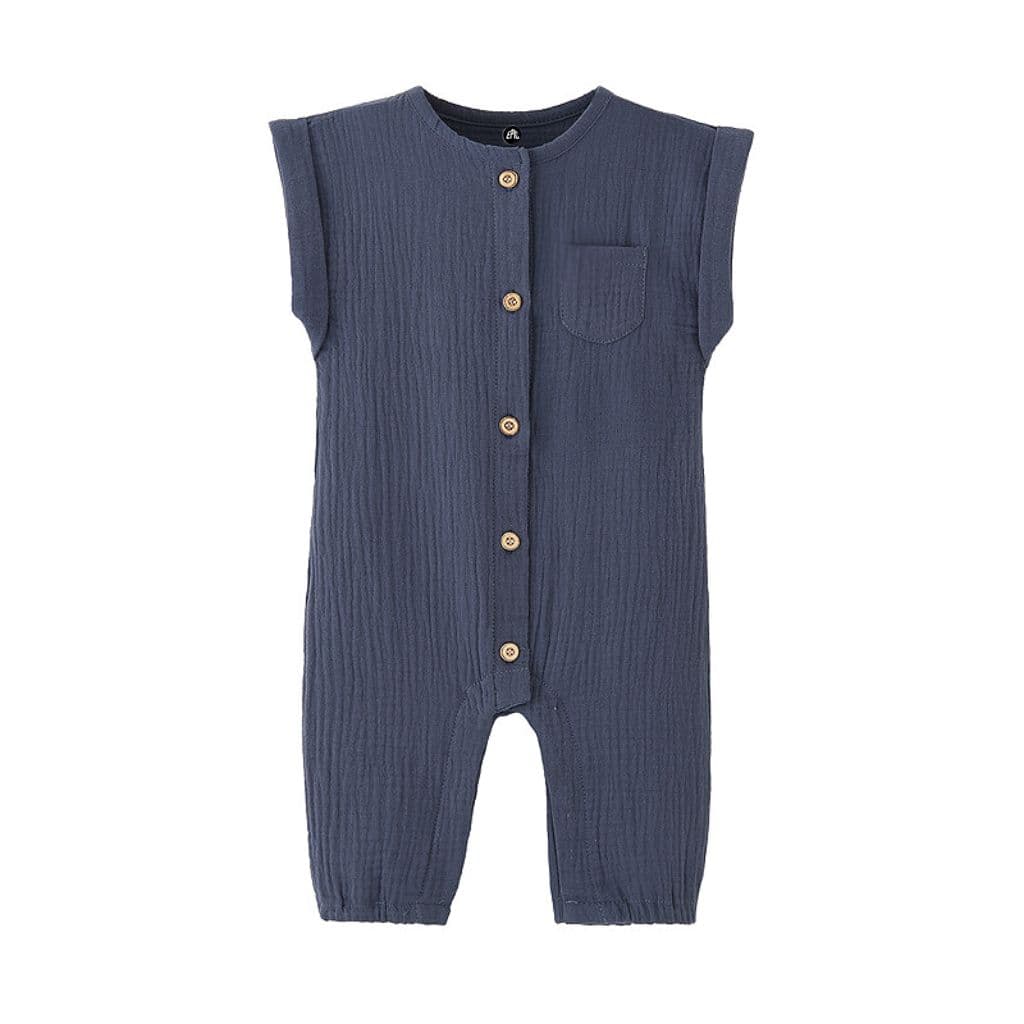
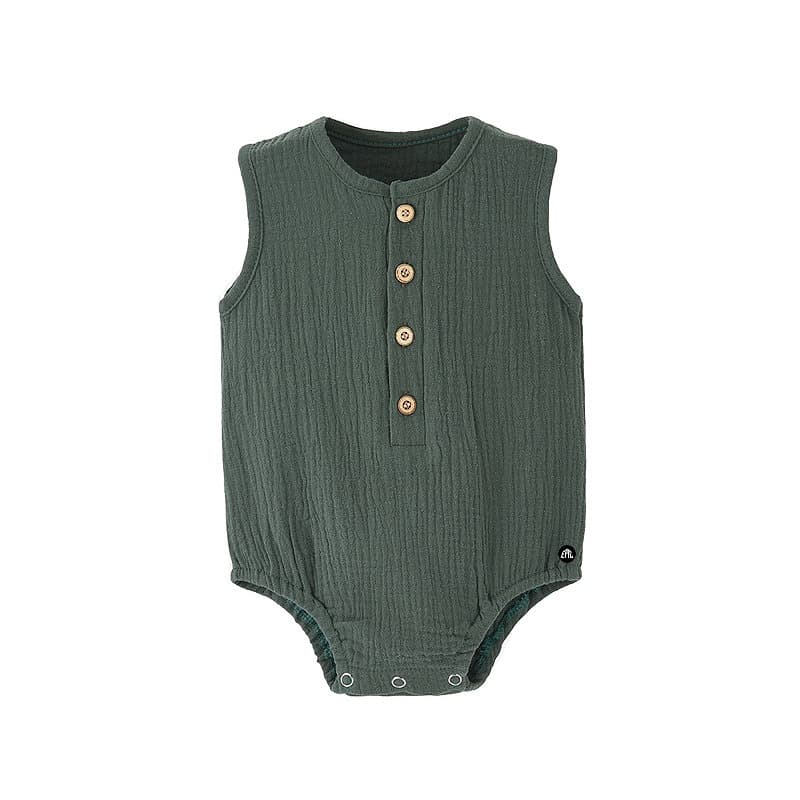
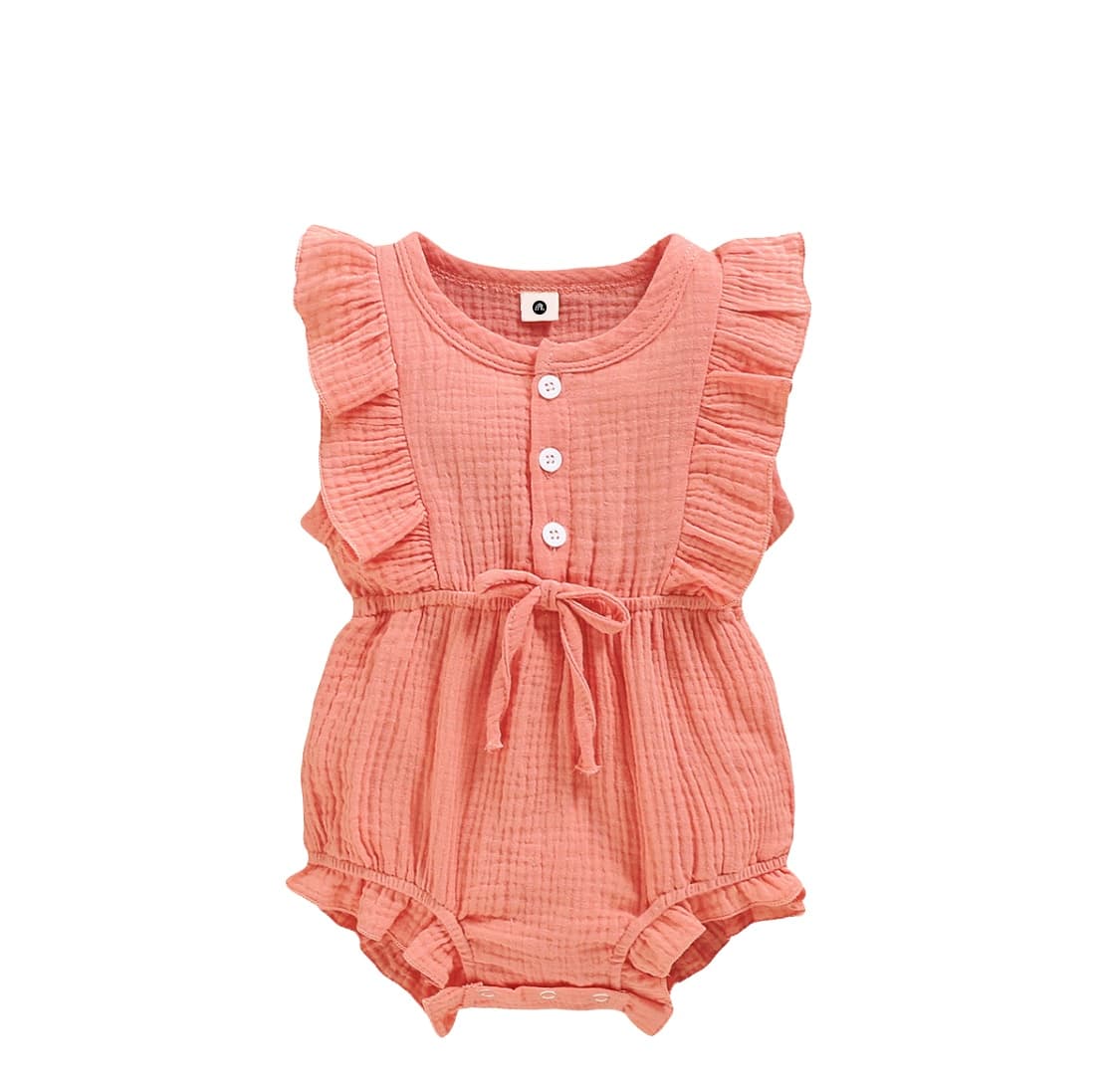
More from Knowmads Bali
Born in Bali · Tested in the tropics
Muslin cotton, made for the heat
Breathable, soft, and built for real tropical days. Our onesies & playsuits are where most families start.