Why 6-12 month co-ord pants ride up when the top still fits
When 6 to 12 month co-ord pants ride up but the top still fits, it is usually a rise and inseam mismatch, not a size that suddenly stopped working.
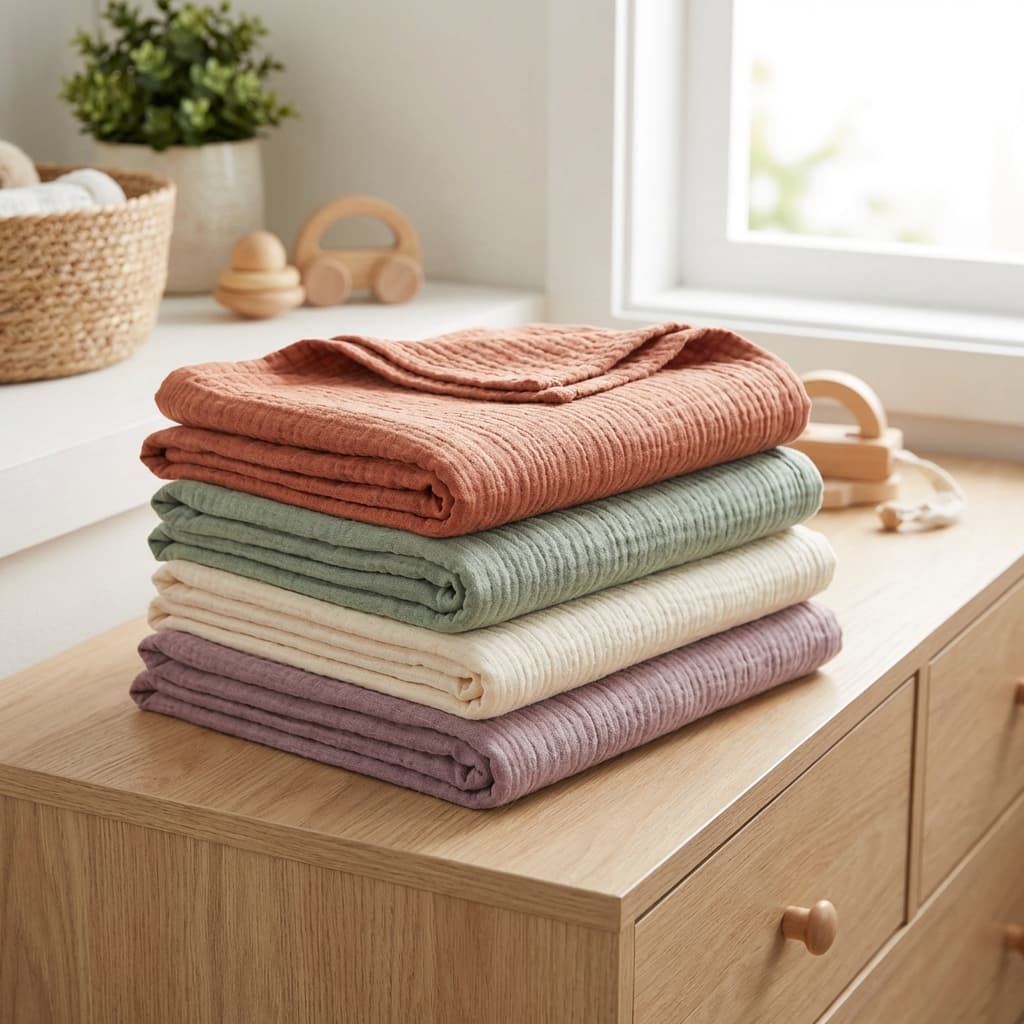
Co-ord pants in the 6-12 month range ride up when the top still fits because babies lengthen through the torso and fill out at the nappy line faster than they fill a matching top. Age-matched sets share one size label, not one body. The waistband sits too high, the crotch rides, and the top still looks fine.
Why a matching set splits in two directions
A co-ord is a two-piece set cut from the same fabric and tagged as one size, usually "6-12 months." Real babies do not grow as a pair. Most of us notice the mismatch on a change table, not on a size chart. The top still drops over the shoulders. The pants crawl up the thigh the moment they sit, crawl, or get lifted onto a hip.
Three things stack at once in this window.
The nappy takes the waist. Disposable bulk and cloth bulk both sit at the same place the waistband does. A set that fitted at three months now fights that volume. The waistband cannot drop to the hip the way toddler trousers do, so it climbs. The top never had to clear that bulk, so it keeps looking like it fits.
Length and girth do not share a calendar. Some babies stay slim through the waist and shoot long in the leg. Others fill the seat first. A co-ord cannot do both. Parents of tall, slim babies talk about 12-month length with a 6-month waist, and the reverse. Mixed brands and hand-me-downs make it louder, because each maker's "9 months" is a different drawing.
The 6-12 month block is a wide guess. Tags describe an average range, not your child. The same logic that shows up when you compare newborn against 0-3 months still applies here: fit beats the number on the label. If the pants restrict a crawl or leave a line at the thigh after you take them off, the set has already split, even if the top still goes on easily.
This is not a shopping failure. It is how two-piece sets behave when one piece has to clear a nappy and the other does not.
What to check before you retire the whole set
Keep the top. Size the bottom on its own. That is the quiet version of buying up, not more: one piece moves, the rest of the drawer stays useful.
A fit check you can do in under a minute
- After a change, look at the thigh and waist. A faint line that fades is common. A deep mark that stays is the waistband asking for more room.
- Sit them on your lap. If the crotch seam pulls toward the navel, the rise is too short for this nappy, not "almost the next size."
- Crawl or scoot on a mat. Pants that stay put through that movement still fit. Pants that bunch into the crease do not.
- Check the top separately. If the neck still slips on without a fight and the hem still covers the belly when arms go up, keep wearing it with a different bottom.
- Try the same pants with a slimmer nappy once, if you use more than one style. If they suddenly sit, the set was never "too small." It was fighting bulk.
- Skip fabric that clings when damp. In heat, cling makes ride-up look worse even when the cut is fine. Lightweight muslin cotton, with an open weave that lets air through and is gentle on sensitive skin, moves with them instead of gripping the thigh.
If the top is still kind and the pants are not, split the outfit. Matching is for photos. Comfort is for the rest of the day.
How to dress the gap without buying a new co-ord every month
Parents in mixed-brand drawers already do this, often without naming it.
Pair by rise, not by print. A longer-rise pant in the next size, same soft fabric family, under the current top, looks like a set to everyone except you. Elastic that sits below the nappy line stays put better than a high, skinny band.
Let the hem be honest. Slightly short in the ankle is easier to live with than a crotch that climbs. Capri-length on a long baby is still a working pair of trousers. Folding a too-long hem once is kinder than yanking a too-short rise down all morning.
Keep one "up" bottom in the bag. Not a full extra wardrobe. One pair with more room at the seat, for the days the usual nappy is bulkier or they are in and out of the carrier. Room to crawl and pull to stand matters more than a matched motif.
Treat age labels as a starting shelf, not a verdict. A 12-month bottom with a 6-9 month top is a normal mixed drawer. The clothes did not fail you. The set was never built around one real waist.
If something on the skin worries you beyond a passing mark from a tight band, that is a question for your doctor or paediatrician, not a fabric forum.
FAQs
Can I keep using the co-ord top as a everyday shirt?
Yes. Once the pants have retired, the co-ord top is just a breathable everyday shirt. Wear it with any bottom that clears the nappy and sits at the hip; matching is optional and comfort is the test.
Do cloth nappies make ride-up worse than disposables?
Cloth nappies often take more room at the hip than disposables, so the same waistband feels tighter and climbs sooner. Try the next size bottom before you bin the top; fit at the seat is the test, not the brand of nappy.
Should I size the next co-ord by the pants or the top?
Size the next co-ord by the pants, then see if the new top swamps them. A slightly roomy top in a hot climate is easier than pants that will not stay down, and soft, lightweight fabric with room to move beats a perfect print match.
A Note from Bali
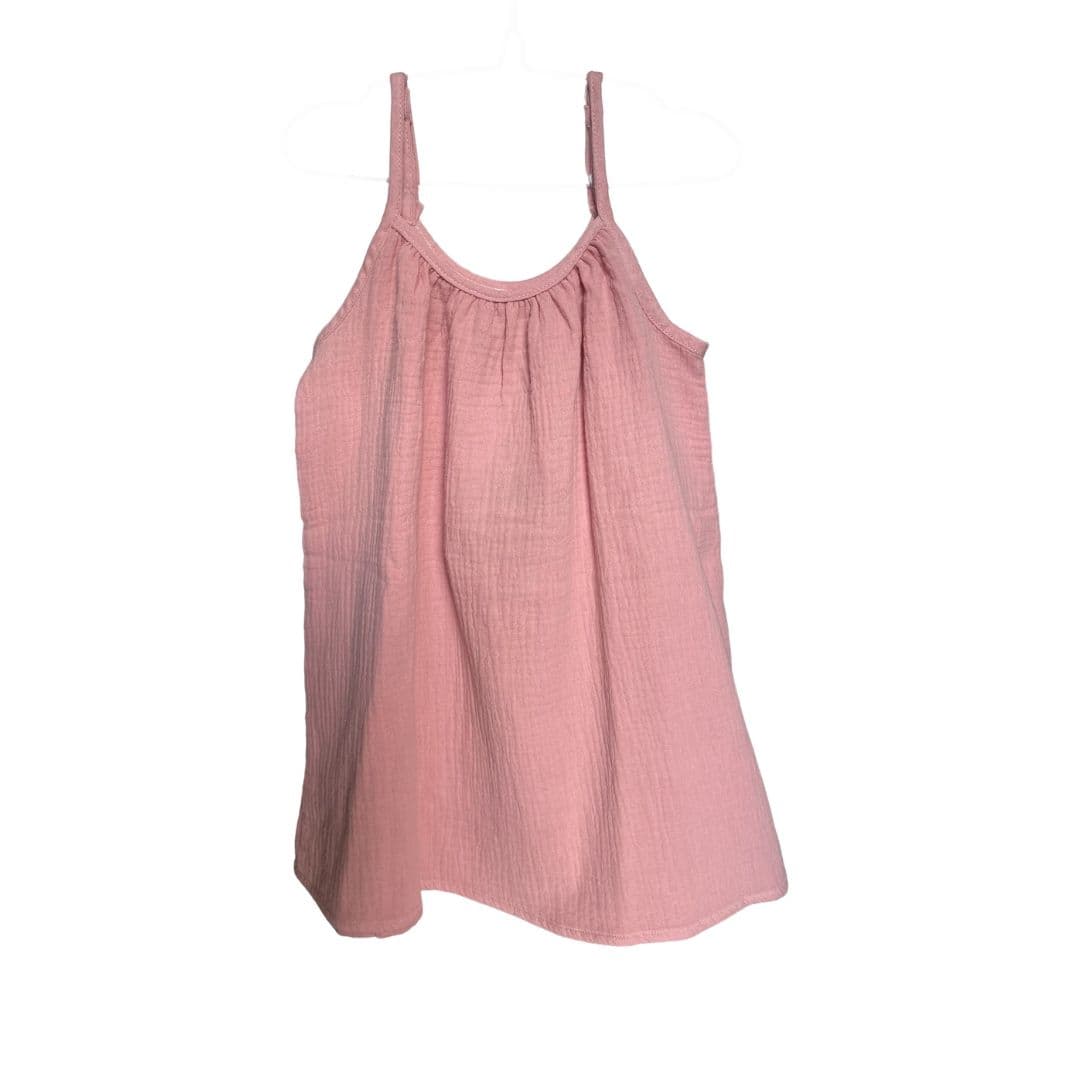
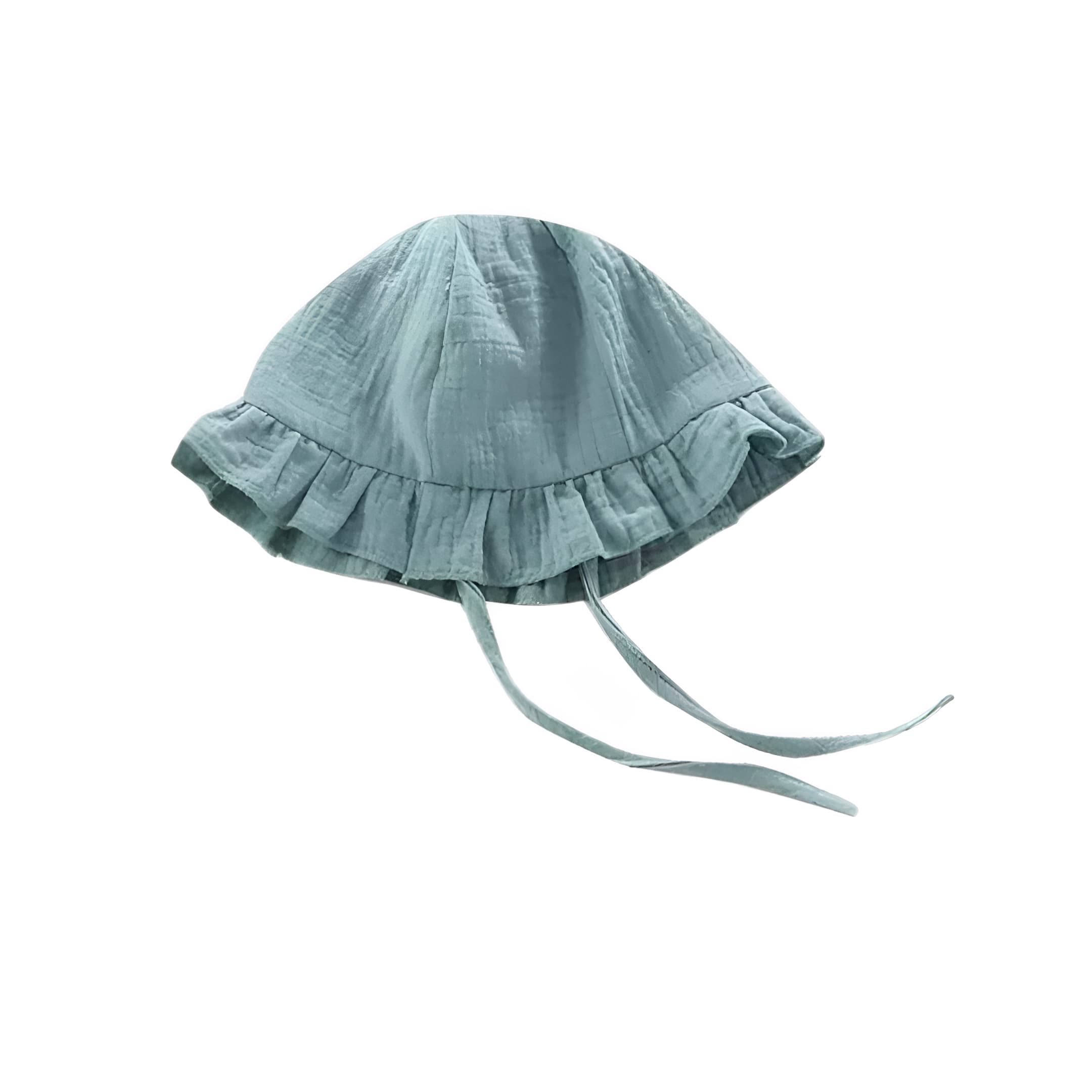
If you are in that in-between drawer, we look for two-piece muslin that you can split without ceremony: the same softness and breathability on top and bottom, so a kept shirt still feels like the rest of the day. Browse what we stock at epic.supply and take the pieces that actually sit on your child, even if they no longer sit as a pair.
From one parent to another
Dressing a little one for the heat?
Join the EPIC family for honest guides on dressing kids in the tropics, first look at new pieces, and 10% off your first order.
No spam, just the good stuff. Unsubscribe anytime.
Shop the pieces
More from Knowmads Bali
Born in Bali · Tested in the tropics
Muslin cotton, made for the heat
Breathable, soft, and built for real tropical days. Our onesies & playsuits are where most families start.