Why You Can't Remember Your Newborn's Cry (And Why That's Normal)
Newborn cry amnesia is real, learn why sleep-deprived parents forget those early sounds, and it's no reflection of your bond or memory.
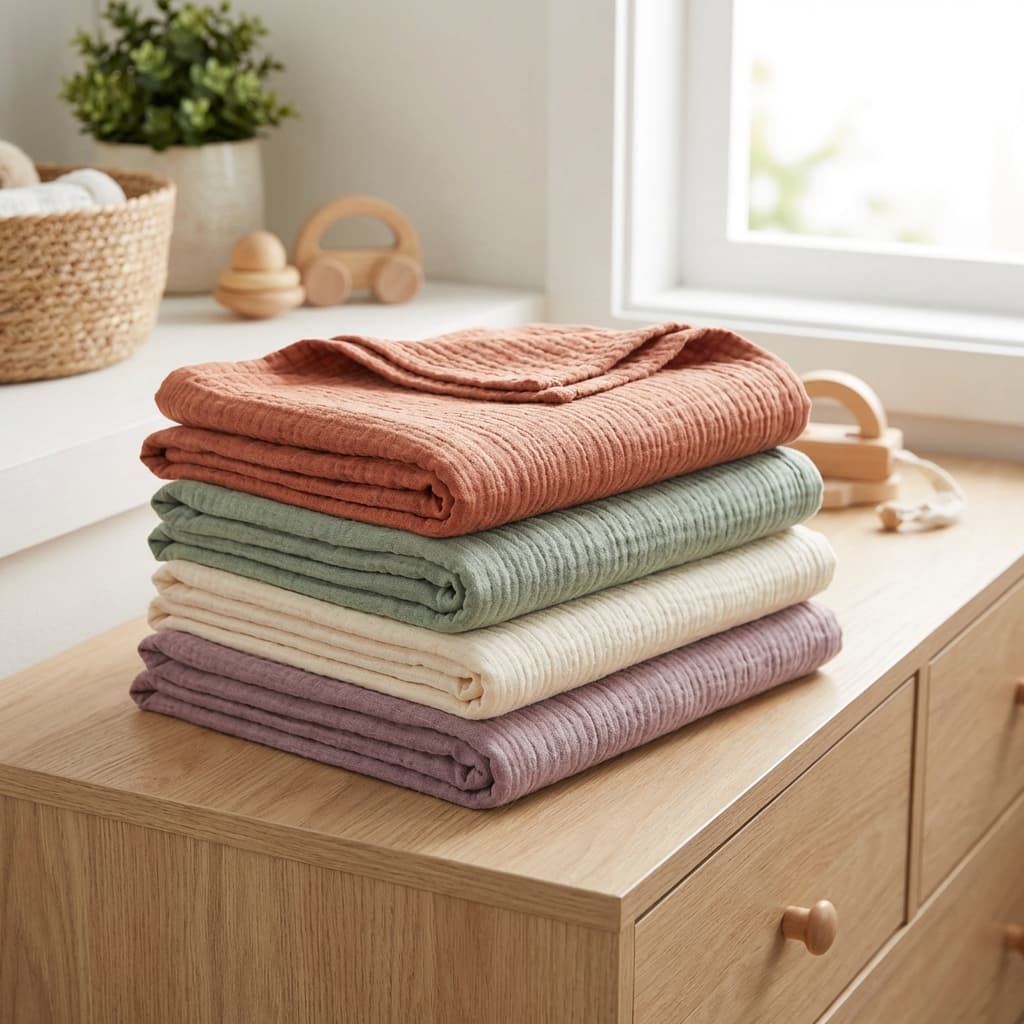
Why you can't remember your newborn's cry, and why that's normal
You can't remember what your newborn's cry sounded like because your brain wasn't built to archive fine sensory detail while you're running on broken sleep and constant vigilance. Under those conditions, it prioritizes function over memory, keeping you fed, upright, and responding, while specific sounds like a 3am cry fade fast. That's normal, not a failure.
Why the newest memories fade the fastest
The first weeks with a newborn aren't calm enough to file away clearly. You're running on broken sleep, your body is recovering, and you're absorbing more new information in a day than most people handle in a month. Memory consolidation, the process that moves short-term experience into long-term storage, happens largely during sleep, so a body running on fragmented sleep has less of it to work with. Under those conditions, the brain prioritizes function over detail. It keeps you upright, feeding, and responding. The exact pitch of a 3am cry isn't worth saving.
The pattern repeats: the big-picture feelings from those weeks (love and panic) stay vivid, but the specific sensory details (the sound and the weight) blur faster than anyone expects. If you can't recall a sound you were sure you'd never forget, that's not a personal failing. It's the pattern almost every parent describes.
What actually happens to a "lost" memory
Memory recall is the brain's ability to consciously retrieve something it has stored; storage is simply whether the information exists at all. The two are separate processes, so a memory you can't call up on demand isn't necessarily gone, it can resurface unexpectedly, triggered by another baby's cry in a cafe or an old video. That's one reason the early sound feels so hard to pin down when you go looking for it directly. It was never filed as a standalone clip. It was tangled up with a hundred other sensations happening at once.
This is why trying to remember it on command rarely works, while a small cue does the job months later.
The night-wake blur. Sleep loss compounds all of this. If you're still working out a fair way to split overnight wake-ups before the baby arrives, that groundwork pays off in more than rest. It protects your memory too: a well-rested brain holds onto detail better than one running on empty. Our fair turns at 2am plan is worth reading before the baby arrives, not after.
Ways to hold on to more, without needing to remember it perfectly
You don't need a perfect memory of the newborn stage to keep something real from it. A few small habits, done in the moment rather than reconstructed later, work better than relying on memory alone.
- Record a short voice memo of a cry or a middle-of-the-night murmur in the first weeks. Ten seconds is enough, and you won't think to do it later.
- Keep the outfit she came home in, or another small piece from those early days. Smell is one of the fastest triggers for memory because scent signals travel a more direct path to the brain's emotional centers than most other senses, which is why a piece of fabric can bring a moment back faster than a photo does.
- Jot one line a day, even just a phrase, in a notes app. You're not writing a journal entry. You're leaving yourself a hook to hang the memory on later.
- Ask your partner what they remember. Two people rarely forget the same details, so comparing notes fills in gaps neither of you noticed were missing.
- Let rituals do some of the remembering for you. A small nightly habit repeated enough times becomes a memory on its own, even when the individual nights blur together. We wrote about one ritual worth protecting for exactly this reason.
None of this requires getting it right every day. Even one or two, done inconsistently, leave you with more than memory alone would have kept.
Frequently asked questions
Will the memory ever come back? Yes, sometimes, unexpectedly, a lost memory resurfaces on its own, triggered by a sound or a smell rather than by trying to recall it directly. It's not something you can force. Don't put pressure on yourself to get it back.
Is forgetting normal, or is it a sign something else is going on? Forgetting details from a sleep-deprived, overwhelming stretch of life is common and isn't something to read into. If it comes bundled with numbness or persistent low mood, that combination is worth raising with a midwife or doctor rather than sitting with it alone. It's their call to make, not something to self-diagnose. Feeling stretched thin in those early weeks is its own kind of normal too, and why that's normal is worth reading if guilt is part of what you're carrying.
Will it be different with the next baby? With a second baby, most parents get more deliberate about capturing small moments, because they've already learned how fast the first newborn memories slip away. Knowing the pattern in advance is what makes the difference the second time around.
A note from Bali
We hear this from parents often: what finally brings back a piece of the newborn stage is a small piece of fabric pulled out of a drawer years later, not a photo. It's part of why we pay attention to what a going-home or early-days piece feels like to hold onto, not just to wear. When we choose what to stock, softness and whether a piece is worth keeping matter as much as how it looks.
Wherever you are in these blurry weeks, be gentle with yourself about what you can't recall. You were there for the 3am feeds even if the sound of them is gone. That's what the fabric in the drawer will remind you of, years from now.
From one parent to another
Dressing a little one for the heat?
Join the EPIC family for honest guides on dressing kids in the tropics, first look at new pieces, and 10% off your first order.
No spam, just the good stuff. Unsubscribe anytime.
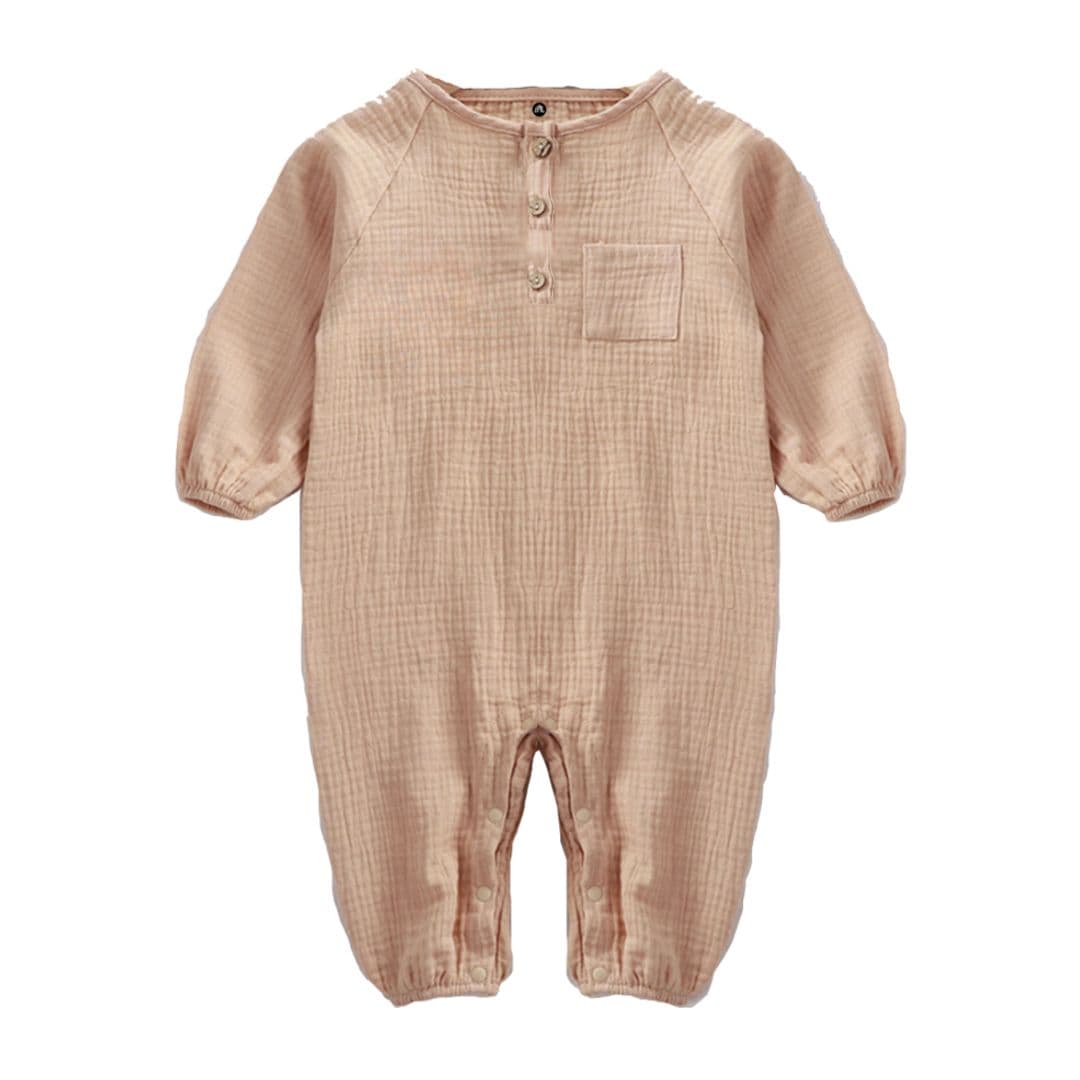
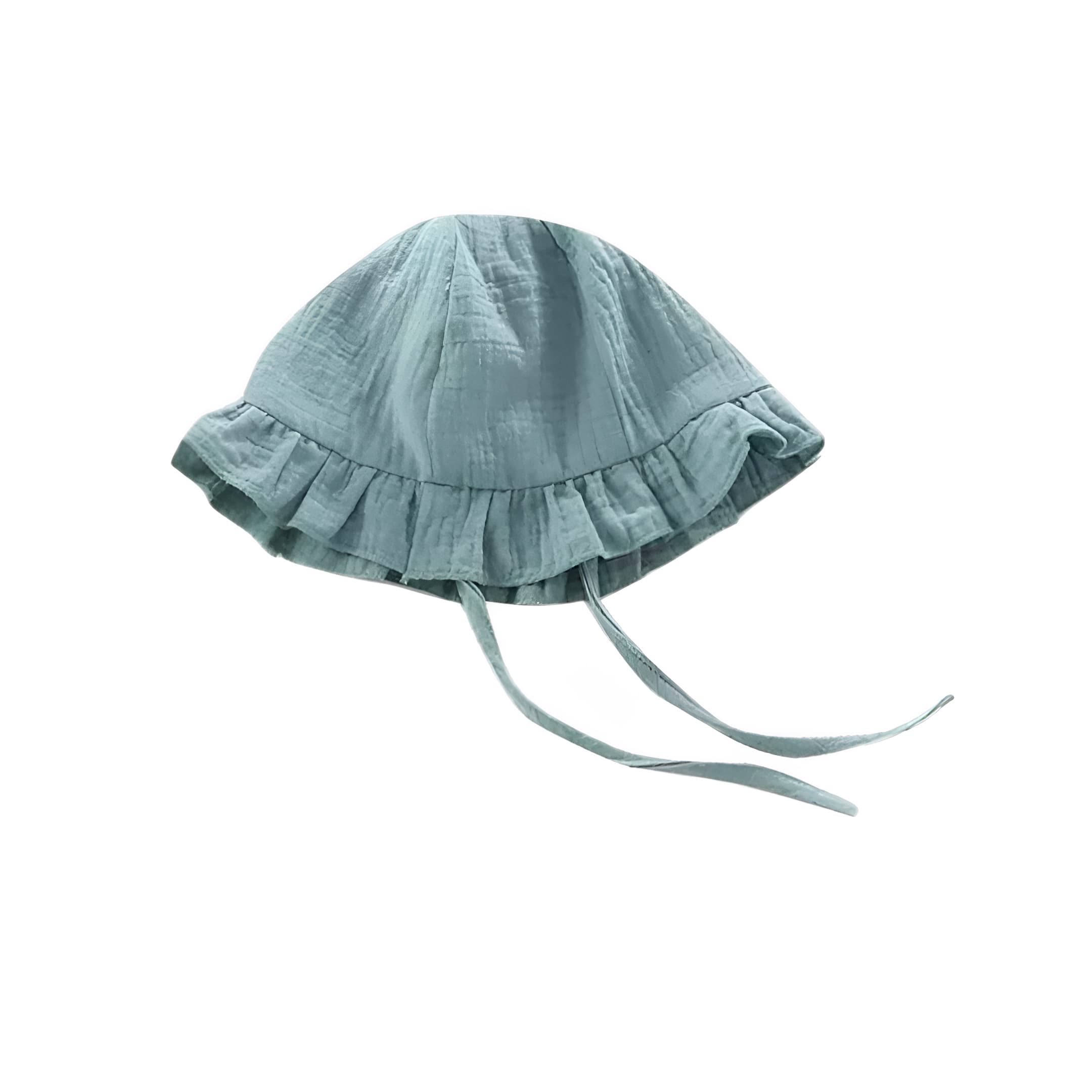
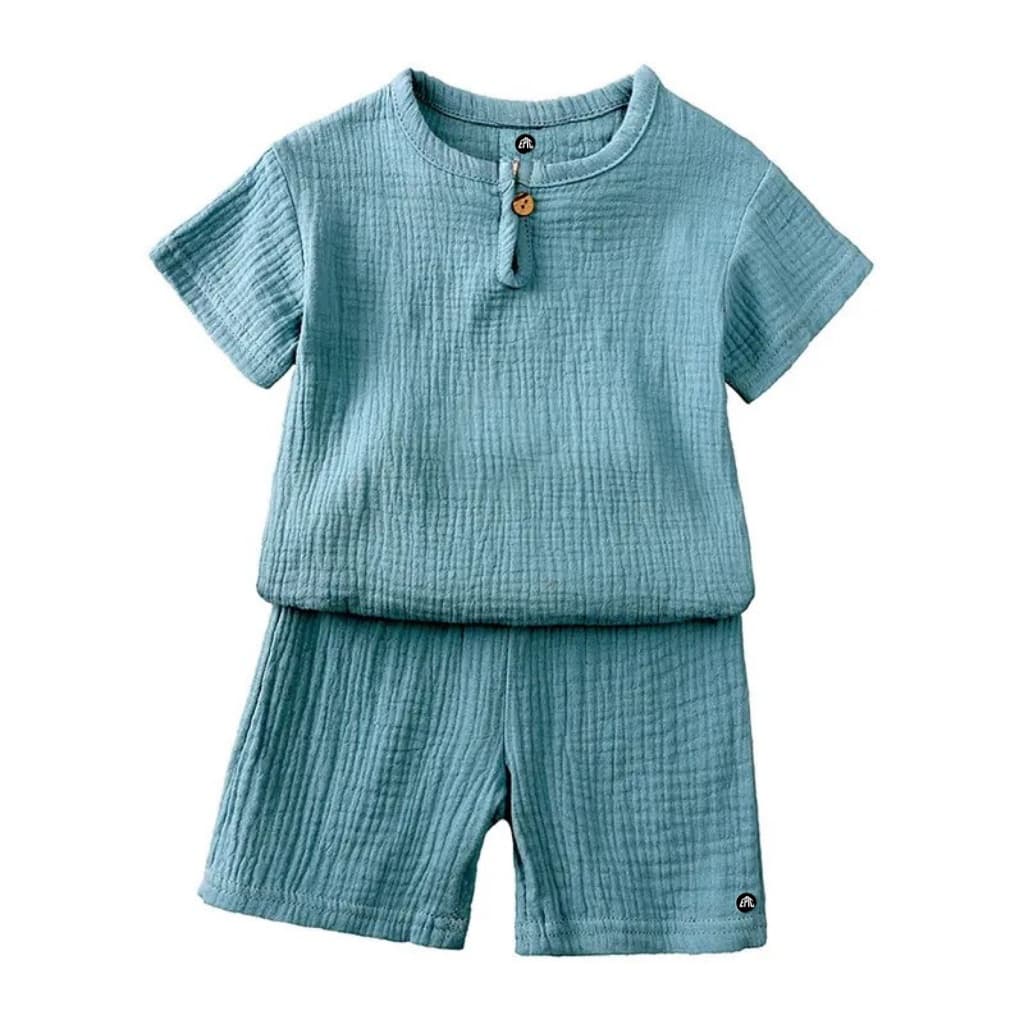
Shop the pieces
More from Knowmads Bali
Born in Bali · Tested in the tropics
Muslin cotton, made for the heat
Breathable, soft, and built for real tropical days. Our onesies & playsuits are where most families start.