The First School Quote: Can Freelance Income Cover It for 10 Years?
Can freelance income really fund a 10-year school commitment? Here's how to stress-test your "first school" quote before you sign.

International school in Bali can run from a modest annual figure for early years at a smaller, national-plus school, up to a steep multiple of that for senior exam years at established international campuses. Over ten years, freelance income can cover it, but only with a cash buffer and invoicing timed to the semester due-date, not the sticker price. Multiply either figure by ten and the sticker price stops being the real question. The real question is whether income that moves every month can carry a bill that doesn't.
What the ten-year number actually looks like
Most budget conversations around Bali schools fixate on one figure, usually the tuition quoted on the homepage. That number is the floor, not the bill. Registration, a one-time capital or building levy, uniforms, a bus or driver, and exam entry fees in the IGCSE and IB years sit on top of it, and the first year typically runs well past the quoted tuition alone, before you've bought a single textbook.
The bigger trap is assuming year one is representative of year ten. Fees step up by year group, and the step between early years and the senior exam years is steep, not incremental. The school that's comfortable for a four-year-old is not automatically the school that's comfortable for the same child at fourteen. Budget for the child they'll be in three years, not the child standing in front of you now.
Why the semester invoice matters more than the annual number
Semester billing is tuition invoiced in two lump sums a year, due in full before each term starts, rather than spread across monthly payments. Bali schools usually bill this way, and that rhythm matters more than the yearly total, because it's the thing that collides with freelance work. A number you can afford across twelve months can still be a number you can't produce on the one Tuesday it's due.
Freelance income and a fixed bill don't move the same way
Cash flow is the timing gap between when money lands in the account and when a bill is due, not a measure of how much money exists overall. This is the part generic cost guides skip: the problem is cash flow, not the sticker price. Freelance income doesn't arrive on a date anyone picks. A slow quarter and a tuition due-date can land in the same week, and that collision, repeated over ten years, is what breaks a family's plan, not the sticker price.
Most of us who freelance already know the fix in theory and skip it in practice: treat the semester fee as a recurring line in the business, not a surprise in the household account. Invoice clients with the due-date in mind, and keep a buffer equal to one semester sitting untouched. Don't commit to the priciest school on the strength of one good year: strong years don't repeat on a schedule either.
It also means being honest about the other variable hiding in the same sentence: whether this is a ten-year plan or a three-year one. Families who've been through the packing test that actually predicts moving abroad will recognize the pattern. The income question and the "how long are we really staying" question are rarely separate. Answer the second one honestly before you try to solve the first.
What to check before you sign on for a decade
- Ask for the full fee schedule across all year groups, not just this year's tuition, so you see the whole decade in steps, not one snapshot
- Treat the first year's all-in cost, tuition plus registration, levy, uniforms, and transport, as the real baseline, not the number on the homepage
- Build the semester payment into your invoicing cadence and a cash buffer, not into whatever happens to be in the account that week
- Keep a researched second option, like national-plus schooling or a homeschool co-op, in case one year goes sideways
- Look for smaller, steady savings elsewhere in the budget. Buying ahead on everyday clothing instead of rebuying every growth spurt, in breathable fabrics like cotton that hold up better than synthetics in Bali's heat and humidity (the logic behind the buy up, not more rule), and shopping a Bali moving sale for things you'd otherwise buy new won't dent a tuition bill on their own, but they stop daily spending from working against the bigger plan
FAQs
Is homeschooling actually cheaper than international school over ten years?
On paper, yes, by a wide margin. What the comparison leaves out is your own time, since homeschooling trades tuition cost for hours you'd otherwise spend earning. For many freelance families, the honest comparison is tuition against the income they'd give up to teach, not tuition against zero.
Do Bali international schools offer payment plans or sibling discounts?
Some do. Ask directly, rather than assuming the published fee is fixed. Sibling discounts and staged payment plans exist at several schools but rarely appear on the website. Ask in writing before you sign anything.
Should we start at a cheaper school now and move up later?
It's a reasonable strategy, but check what a mid-stream transfer costs: both the new school's registration and levy, and what your child loses in continuity. Moving once, deliberately, tends to go better than moving twice because the budget changed again.
A note from Bali
We can't make a tuition invoice smaller. That's its own spreadsheet, and only you and your accountant can solve it. What we can do is keep one small corner of the family budget, the everyday wardrobe, simple enough that it's not another thing fighting for your attention while you sort out the bigger number. If that's useful, we're at epic.supply.
From one parent to another
Dressing a little one for the heat?
Join the EPIC family for honest guides on dressing kids in the tropics, first look at new pieces, and 10% off your first order.
No spam, just the good stuff. Unsubscribe anytime.
Shop the pieces
More from Knowmads Bali
Born in Bali · Tested in the tropics
Muslin cotton, made for the heat
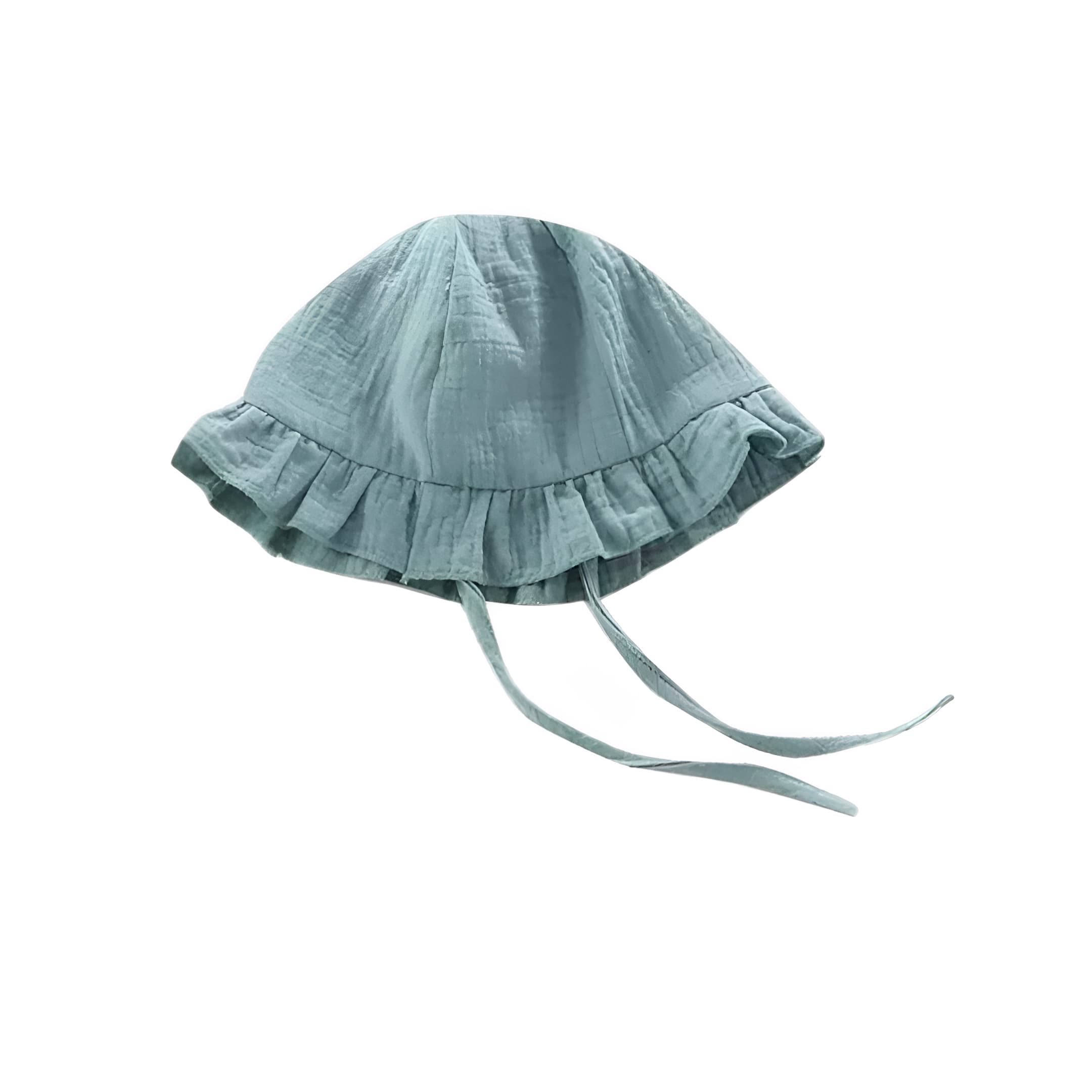
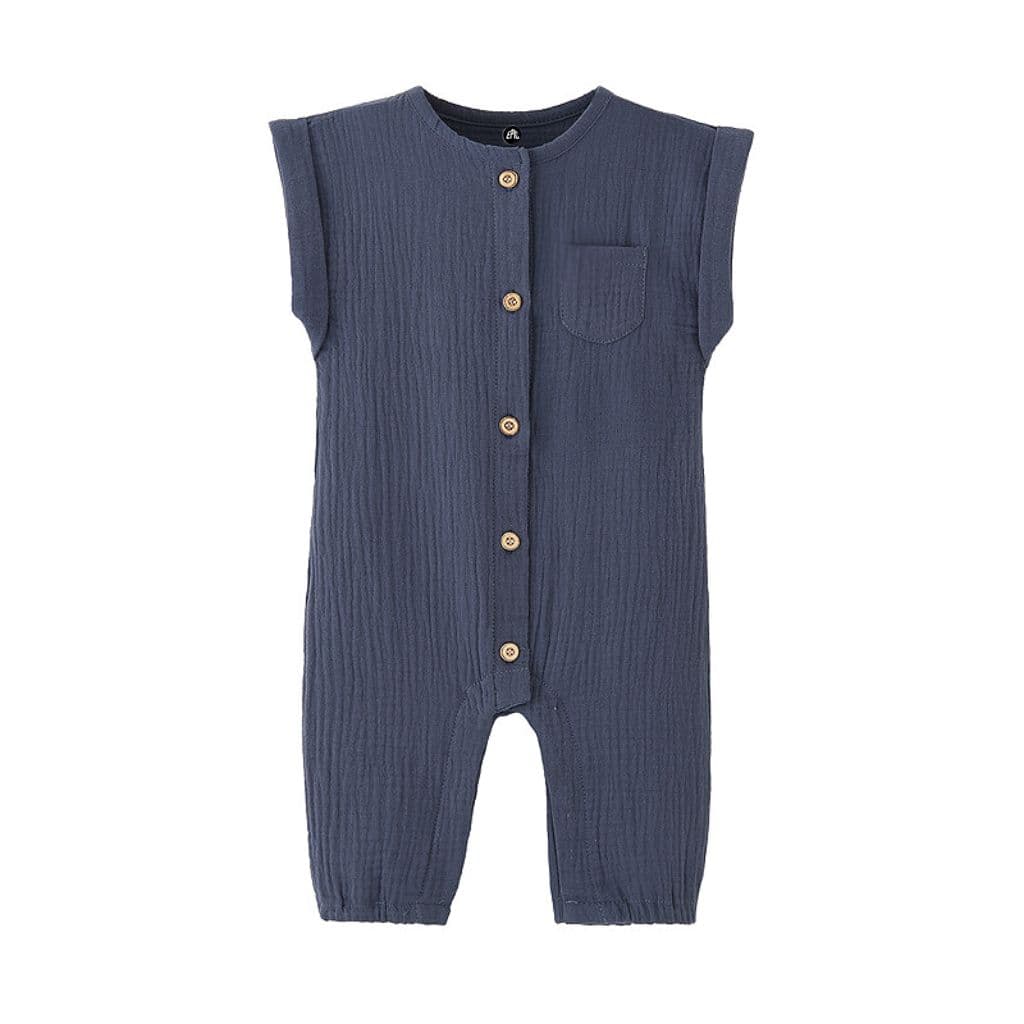
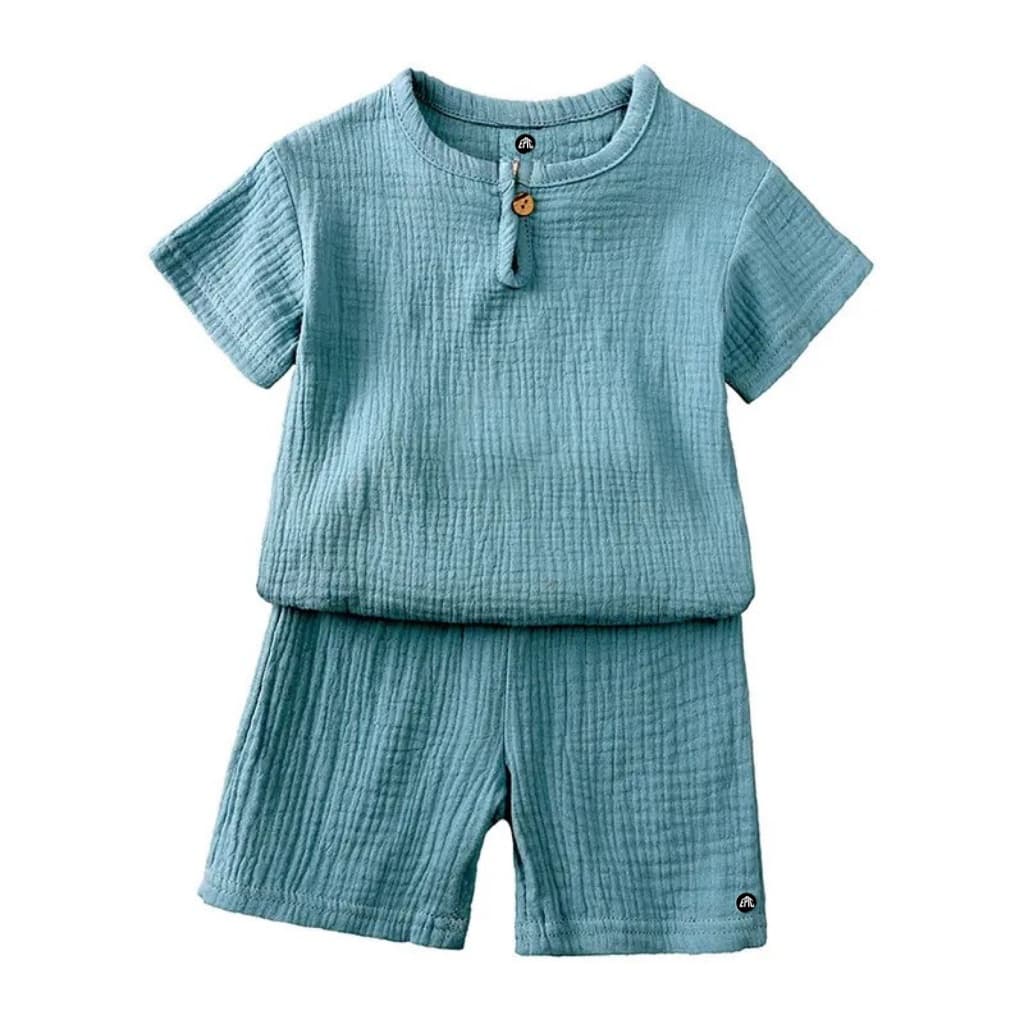
Breathable, soft, and built for real tropical days. Our onesies & playsuits are where most families start.