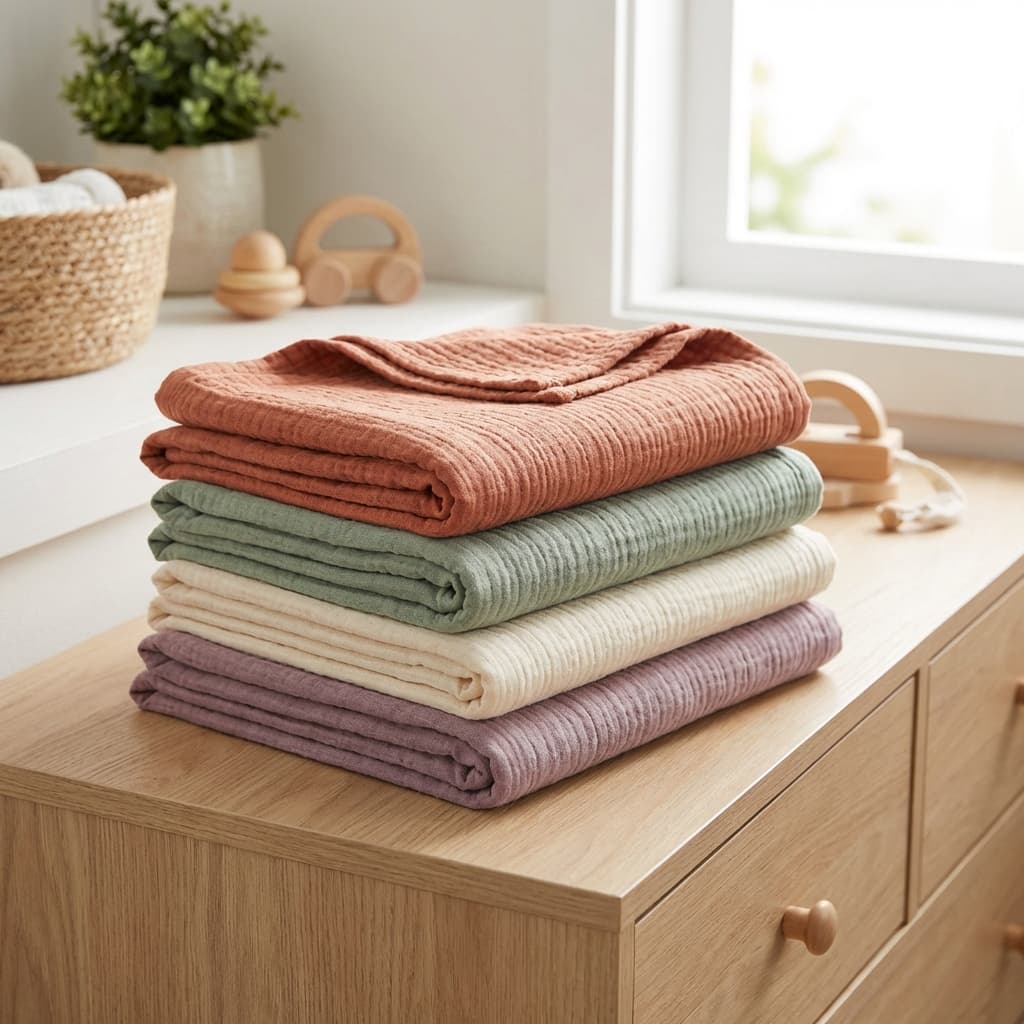
The Playground Exit That Doesn't End In Tears
The playground exit meltdown doesn't have to repeat every trip, a few timing tricks turn it into the easiest part of your family's day.

You cannot guarantee a tantrum-free playground exit, but you can make leaving easier: give a clear warning, offer one final choice, and hold the boundary calmly. Say, “One more turn, then we go. Slide or swing?” When time is up, acknowledge the disappointment and leave without bargaining.
Make the ending predictable
A predictable exit is a familiar sequence that shows your toddler how play will end. Playground exits are harder when fun stops suddenly while your child is climbing, digging, or following another child.
Use a simple exit rhythm:
- Give a familiar warning and explain what happens next: shoes, water, then the walk home.
- Offer two final activities, mark the last turn, and follow through.
Keep the choice inside the boundary. “Slide or swing before we leave?” offers some control. “Are you ready to go?” makes leaving sound optional.
A timer helps some families because everyone can hear when play ends. Let your toddler press the button, then repeat the same short phrase when it sounds. If timers cause arguments, use a familiar action instead: one last push, then shoes.
Avoid giving warning after warning. Repeating “one more minute” teaches your child that the first warning does not count.
Hold the boundary without making feelings the enemy
A calm boundary is a limit delivered with steady words and warm support. It does not require your toddler to feel cheerful about leaving.
Long explanations are hard to hear during a protest. Keep your response short:
“I know you want to stay. It is hard to stop. We are leaving now.”
You do not need to make leaving sound fun. You can stay warm while holding the boundary.
If the crying becomes intense, use fewer words. Stay close, keep your voice steady, and move away from swings, climbing equipment, or traffic. If your child will not walk, explain what you are doing before helping them leave. Skip threats you cannot carry out and rewards invented during the protest.
A hard exit means the transition was hard, not that you failed.
Talk about it later, when everyone is calmer: “You wanted to stay. Leaving was hard. We will come back another day.” Your toddler does not need to apologise for feeling upset.
Prepare for the walk after the gate
Leaving continues after the playground gate. You may still face a hot walk, a scooter buckle, sandy feet, or a suddenly heavy bag.
Pack for the points that usually cause trouble:
- Keep water, a familiar snack, and a small cloth within easy reach.
- Bring simple shoes, a spare lightweight outfit, and a bag that keeps essentials near the top.
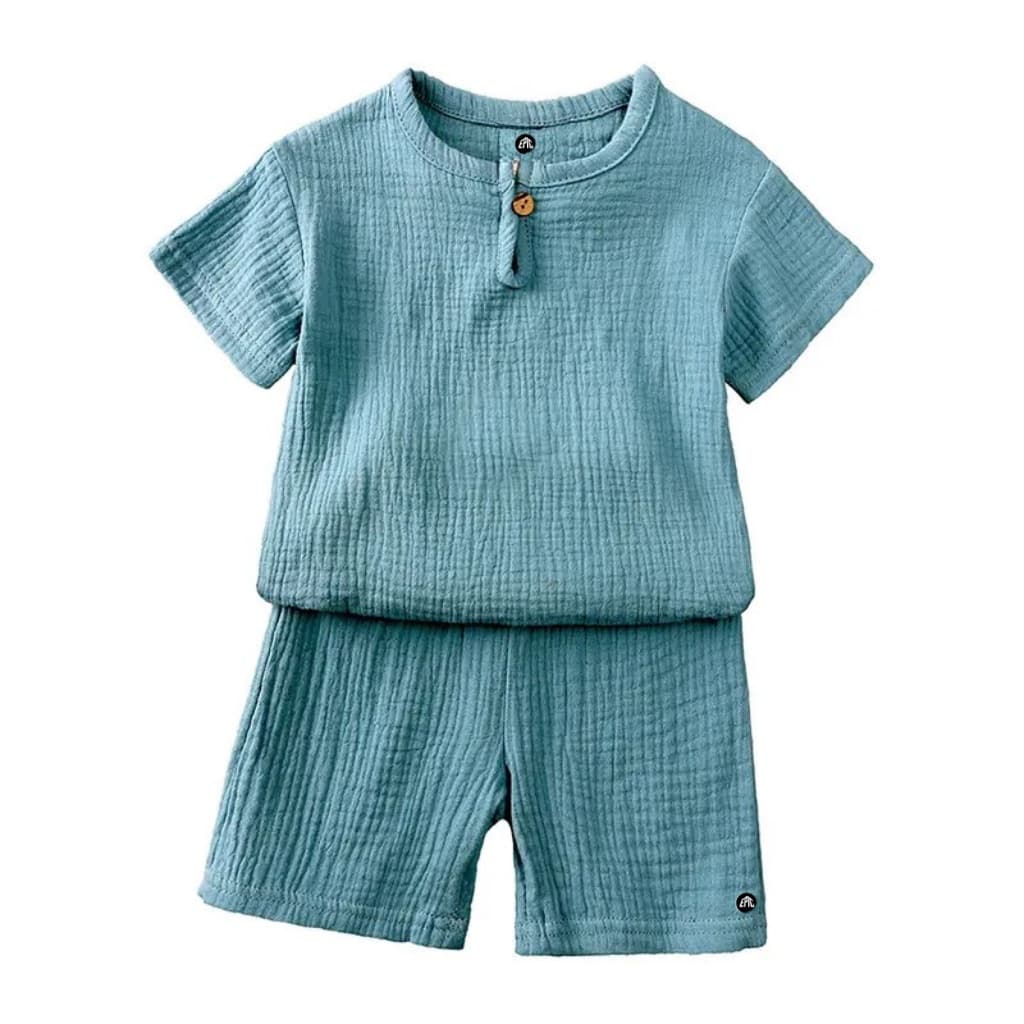
For a humid playground morning, keep the lightweight change of clothes easy to reach. If the playground is part of playgroup or daycare, pack for the wider routine as well.
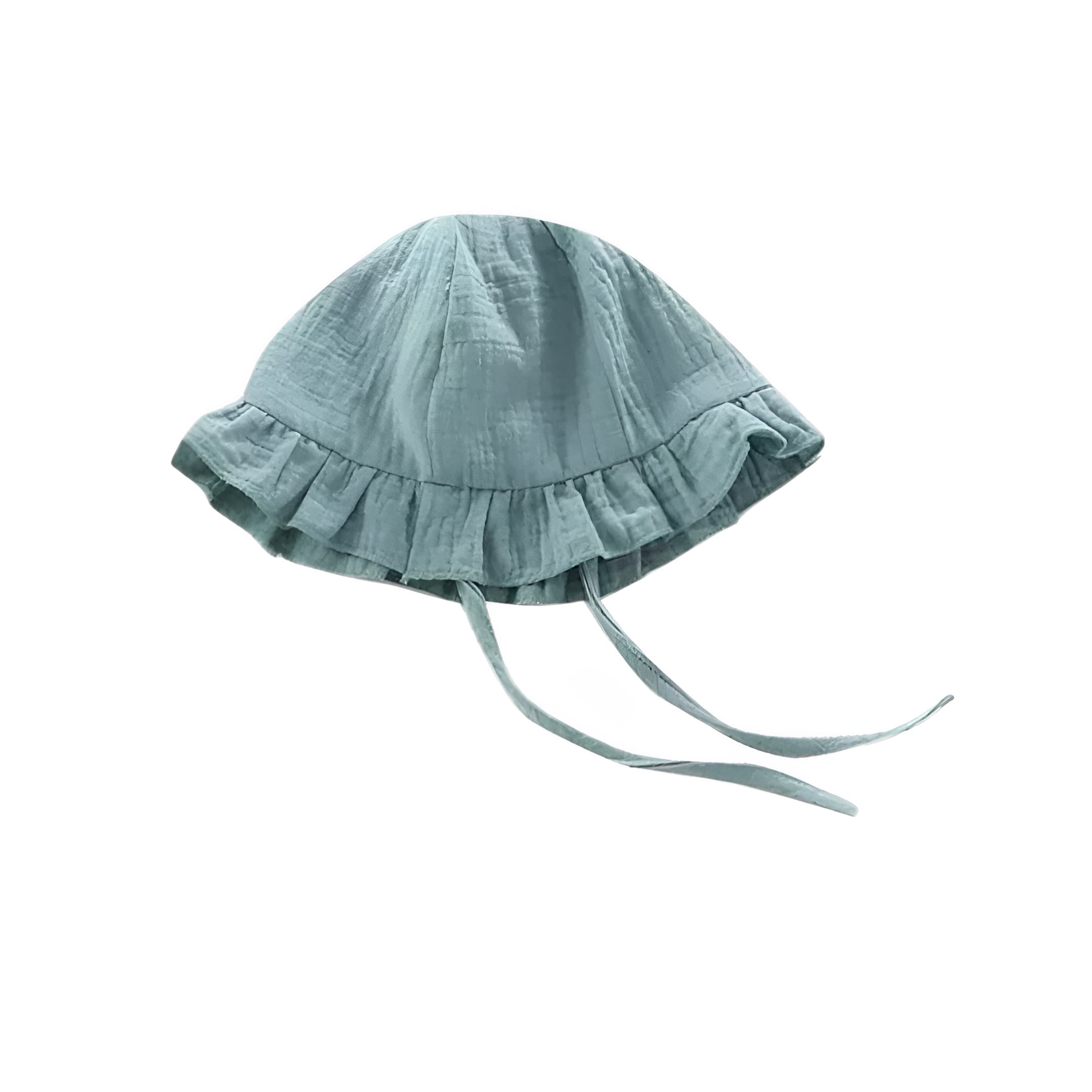
Muslin is cotton woven in an open, loose structure that allows air to move through the fabric. It is lightweight, dries quickly, and softens with washing, although it also creases easily.
Clothing cannot prevent a difficult exit, but heat and damp fabric can add discomfort.
A familiar routine matters more than a perfect script. Use the same warning, choice, and closing phrase each time. Your toddler may still object, but they will know what happens next.
FAQs
What if my toddler runs away when I say it is time to leave?
Move close before giving the final instruction so leaving does not become a chase. Stand between your toddler and any nearby hazard, use one short sentence, and offer the final choice. If running happens often, practise leaving at playgrounds with gates or clear boundaries.
Should I promise a treat to get my toddler into the car?
A planned snack is different from a bargain introduced during a protest. If a treat appears after every refusal, asking for it can become part of the exit routine. Describe the existing plan instead: water, shoes, car, then home.
What if the tantrum happens every single time?
Look for the point where leaving usually becomes difficult, such as the warning, the final activity, putting on shoes, or getting into the car seat. Change one part of the routine at a time and observe what helps. Discuss persistent or unusually intense behaviour with your child’s paediatrician.
A note from Bali
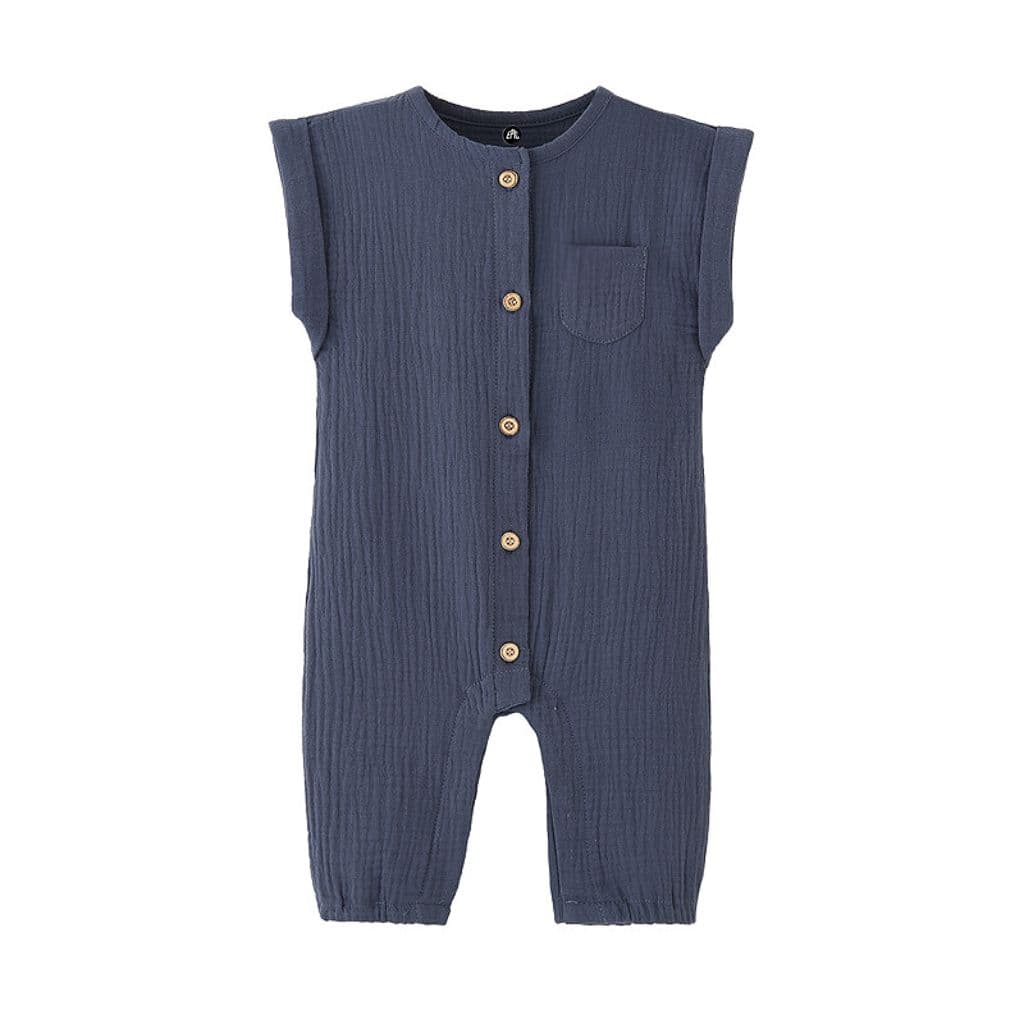
Playground endings do not need to look graceful. For playground endings in Bali, focus on calm words, a familiar sequence, and lightweight clothing for the hot walk home. We source Epic’s double-layer muslin cotton clothes for moments like these.
For any diagnosed skin condition or concern about your child’s comfort, follow your doctor’s or paediatrician’s guidance.
From one parent to another
Dressing a little one for the heat?
Join the EPIC family for honest guides on dressing kids in the tropics, first look at new pieces, and 10% off your first order.
No spam, just the good stuff. Unsubscribe anytime.
Shop the pieces
More from Knowmads Bali
Born in Bali · Tested in the tropics
Muslin cotton, made for the heat
Breathable, soft, and built for real tropical days. Our onesies & playsuits are where most families start.