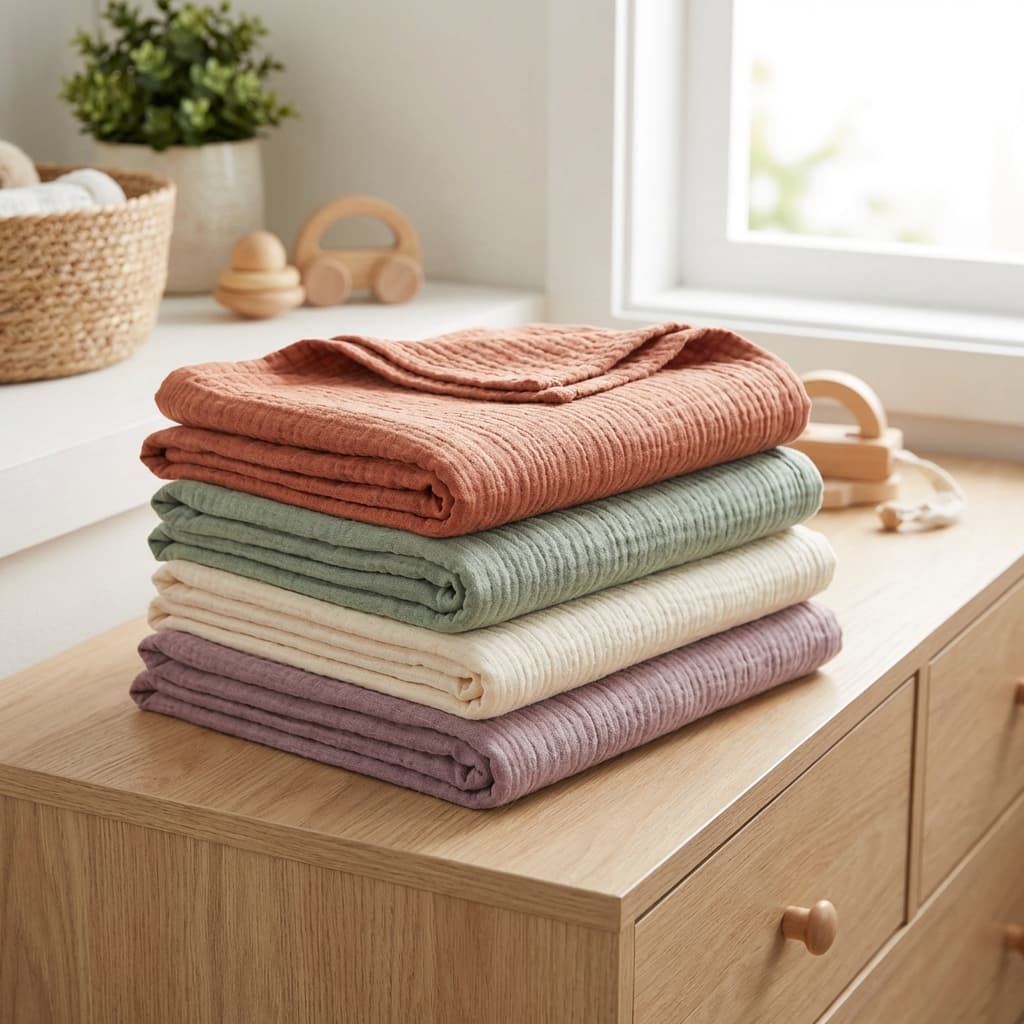
The Toddler Water Trick No One Tells You Before Bali
A hidden Bali toddler-water hazard parents miss until it's too late, and the simple pre-trip trick that prevents it.

The clearest signs, in order
There's no single moment that spells it out. What matters in Bali's heat is noticing when she's not herself: lower energy than usual, wanting to be carried more than she'd normally ask, a mood that tips from fine to fussy fast with no obvious trigger.
None of these on their own means much on a hot day here. It's the combination, and how fast it comes on, that matters. The same heat that brings on these signs quickly is why sun exposure at the beach needs watching too, so the afternoon doesn't fall apart. If you're unsure what you're looking at, call your pediatrician instead of a search engine.
The trick no one mentions before you land
Toddlers often don't notice they're thirsty until they're already behind on water, especially when something more interesting is happening around them. In Bali's heat, a toddler absorbed in play can go a long stretch without registering it at all. Humidity here also slows evaporation, part of why heat wears her down faster than dry heat would. Waiting for her to ask is often waiting too long.
The trick most parents figure out the hard way: tie water to the transitions in the day instead of to whether she's said anything. Stepping out the door. Getting off the scooter. Coming in from the pool. Before and after a nap. Make it automatic, the same way shoes go on before you leave, instead of a question she can say no to.
This works especially well at the transitions Bali throws at you constantly: leaving an air-conditioned car for the heat outside, coming back in from a hot playground, the swing between AC and outdoor heat that trips up a lot of toddlers here. Attach the cup to the moment, not the mood.
Why "do you want water" doesn't work as well here
Toddlers this age say no to a direct question out of habit, not real preference. Handing her the cup as part of the routine skips the negotiation. It's not a request she can refuse anymore, it's just what happens when you walk in the door.
Make it visible, not just available
A small bottle she can see and reach gets used far more than one zipped into a bag. Some parents keep a cup out during play so it's part of the furniture. A toddler is more likely to grab a few sips passing by than to remember she's thirsty and ask for one.
A toddler who isn't fighting a hot, clingy outfit has one less reason to squirm away from the cup. Loose, breathable layers mean fewer stops to peel off something sweaty before she'll actually drink.
Building the rhythm into your day
Once water is attached to transitions instead of memory, the rest is repetition. A few places to anchor it:
- Offer water at every transition in and out of a space: leaving the villa, after the scooter ride, before and after nap
- Keep the bottle or cup in her sightline during play, not stored in a bag
- Offer water on the walk back in after outside time, not just once you're home
Watch for the early signs alongside general overheating or overtiredness, since the two overlap and get confused for each other. If she refuses at one transition, try again at the next one instead of pushing in the moment.
FAQs
How much water does my toddler actually need in Bali's heat?
How much water a toddler needs in Bali's heat varies by her age, size, and how active she's been, so there's no single number that fits every child. Offering water at every transition in the day, rather than waiting for her to ask, covers more ground than chasing a target. For a figure specific to her, ask your pediatrician based on her age and weight.
My toddler refuses plain water when we're out, what actually works?
Offering the cup without asking, at a fixed point in the routine, gets around most refusals that come from a straight "do you want water." A favorite cup helps in the first week or two of building the habit. Once it's routine, plain water in the same cup is enough.
Can I tell dehydration apart from her just being overheated or overtired?
Telling dehydration apart from overheating or overtiredness is hard in Bali's heat because the early signs overlap: low energy, fussiness, and clinginess can mean any of the three. We wrote a longer breakdown here: the 3pm meltdown decoder. If more than one sign shows up at once, or she doesn't bounce back after fluids and shade, call your pediatrician instead of guessing.
A note from Bali
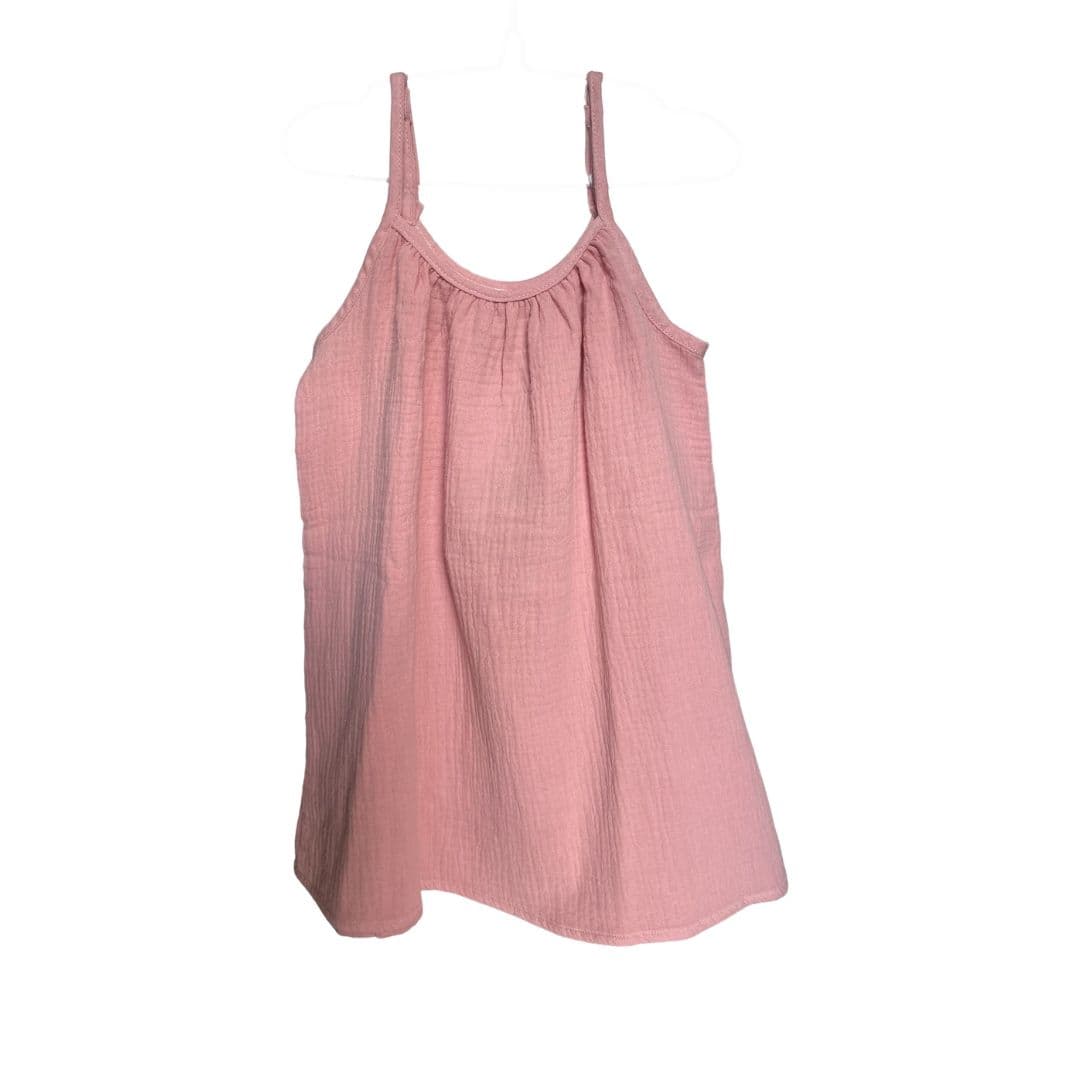
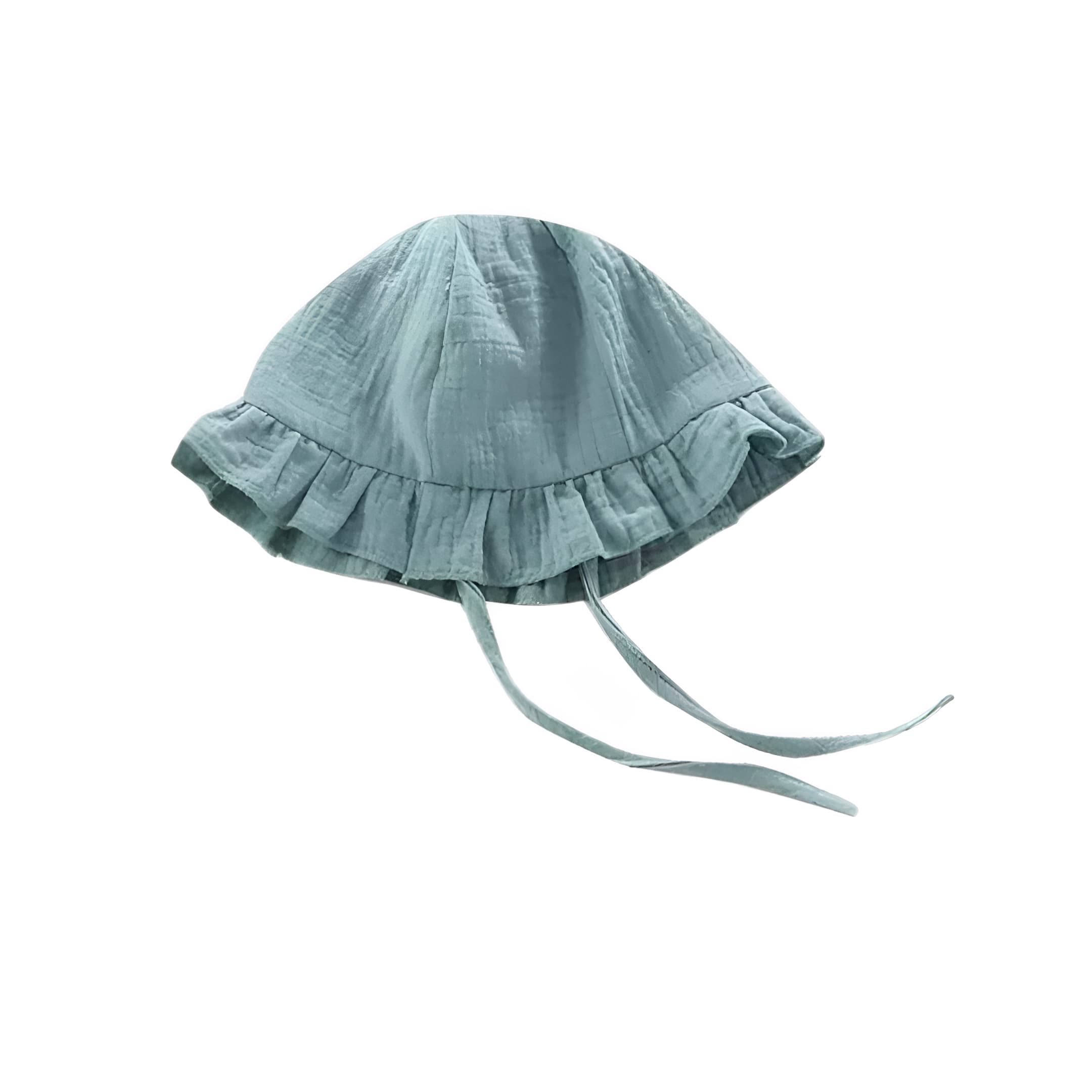
We've spent enough hot afternoons here to know a toddler in a hot, scratchy outfit will fight you over a cup of water before she even registers being thirsty. Comfort clears the way for everything else in the day, water included. Muslin's loose weave moves more air than a tighter weave does, so sweat evaporates instead of sitting on her skin. That's why breathable and loose is the whole test when we pick pieces for the shop. That's what buys her the extra ten minutes of easy play before the next transition and the next cup.
Whatever she's wearing today, the rhythm above works with what's already in her closet. We just want it to be one less thing standing between her and the water bottle.
From one parent to another
Dressing a little one for the heat?
Join the EPIC family for honest guides on dressing kids in the tropics, first look at new pieces, and 10% off your first order.
No spam, just the good stuff. Unsubscribe anytime.
Shop the pieces
More from Knowmads Bali
Born in Bali · Tested in the tropics
Muslin cotton, made for the heat
Breathable, soft, and built for real tropical days. Our onesies & playsuits are where most families start.