Why Baby Heat Rash Keeps Coming Back in the Same Folds
Baby's heat rash won't quit? Learn why the same skin folds keep flaring in Bali's humidity, and the simple fixes that actually stop the cycle.

Why does the rash always come back in the same spot
A baby's heat rash keeps coming back to the same neck and thigh folds because those are the exact spots where skin presses against skin or fabric all day, trapping heat and moisture longest. Nothing you try changes the geography. The fold stays covered, damp, and warm through every change of laundry routine or outfit.
Families notice the pattern before they find a fix, because the geography of a baby's body is one of the few constants in an otherwise unpredictable tropical routine.
A baby's proportions have more folds than an older child's
Newborns and young babies have more folds, closer together, than the rest of us. In a climate that rarely cools down, those folds stay part of the daily routine for months, not because of anything a parent did or didn't do, but because that's where a baby's body is built to fold. If a spot keeps flaring, it's usually one of the same handful of spots, not a sign that something was handled wrong.
What parents commonly try
Some families rotate which fabrics touch which folds. Others build in more time uncovered between changes, and the rash settles on its own within a hot stretch. There's no single approach that works the same way for every baby: what helps one baby's neck does nothing for another's thighs. If a rash lingers or spreads, check with your pediatrician. They know your child's skin and history better than any article can.
Why the same fold flares, over and over
Heat rash is a cluster of small, irritated bumps that forms when sweat and heat get trapped against skin longer than they can evaporate. It shows up fastest in the parts of a baby that stay covered and pressed against something else for most of the day: diaper waistbands, sleeve cuffs, the collar line, the crease under the chin. Those are also the parts of skin checked least often, because they stay tucked under clothing or a diaper for hours at a time. A rash doesn't "pick" a spot. Parents just end up watching a handful of spots most closely, the ones that stay covered day after day.
Humidity plays into the routine too. In a tropical wet season, the air is often already close to saturated with moisture, so sweat and damp fabric evaporate far slower than they would in a dry climate, anyone who's lived through a Bali wet season knows laundry and clothing don't dry the way they would somewhere with real seasons. Families in hot, humid climates pay closer attention to how quickly a piece dries between wears. A fast-drying piece means a fold gets a break; a slow one doesn't.
What to look for when dressing for hot, humid folds
- Loose at the fold points: waistbands, cuffs, and neck openings that don't press a tight line into skin
- Fabric that dries fast between changes, sweat sessions, and baths, not just fast to put on
- Fewer layers over the trickiest spots: a single loose layer over a neck or thigh fold usually beats two snug ones
- Room to move, so a fold isn't held in one closed position for hours at a stretch
- A fresh layer after anything that left a fold damp: a swim, a sweaty nap, a spilled drink
Fabric and fit, in practice
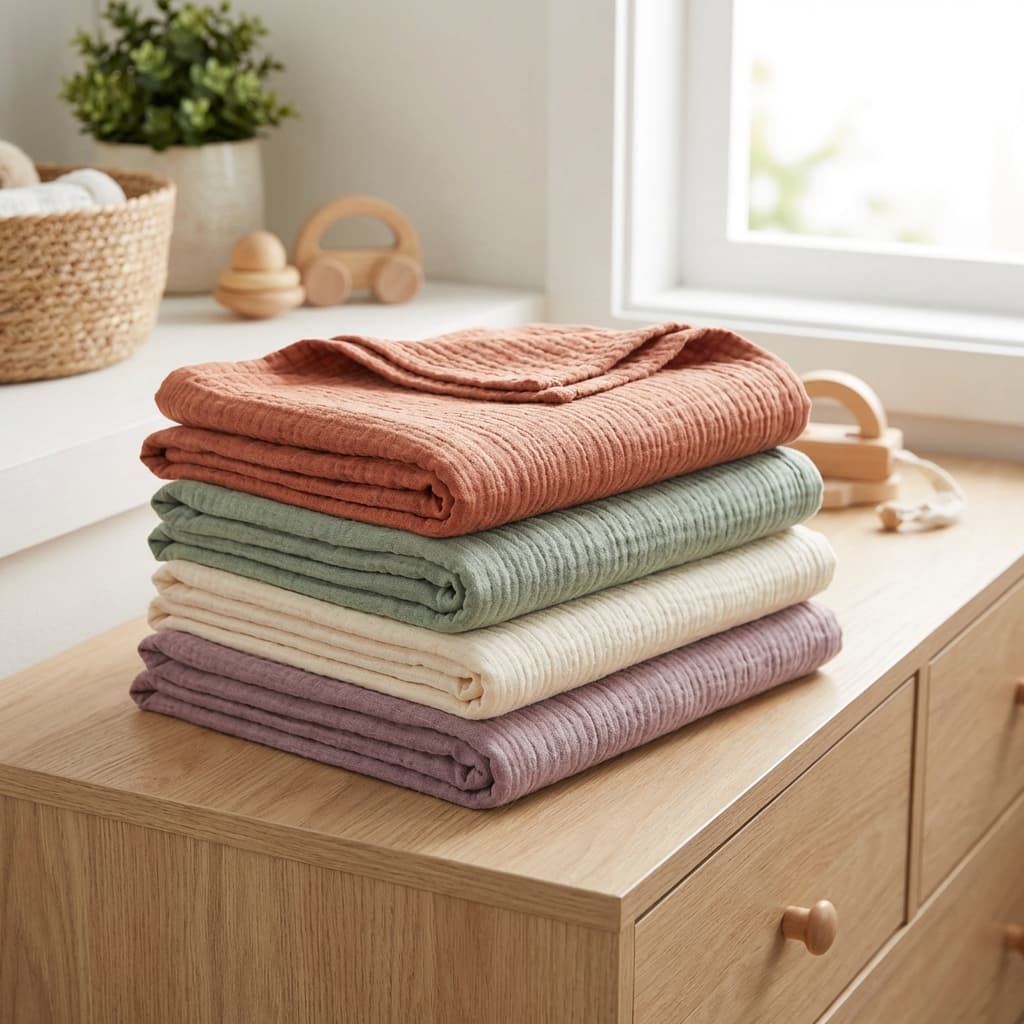
This is where most of the trial and error in those early tropical months happens, quietly, one outfit at a time. A tightly woven, heavier fabric sits close against skin and blocks the air that would otherwise carry heat and moisture away. A looser, more open weave lets air move through, which is why families in hot climates often choose it for the fold-heavy months. If you're trying to work out what separates a good muslin from a marketing label, we wrote up how to tell if that "100% cotton" muslin swaddle is actually good, and the same logic behind cooler nights is in why muslin wins over cotton.
Fit matters as much as fabric, especially around the thighs, where a diaper's waistband and leg elastic add another layer on top of whatever's being worn. If thigh folds are the trouble spot, our cloth-diaper fit guide walks through the gap-versus-squeeze balance. And if drool is what's keeping a neck fold damp between changes, the real fix for Bali drool rash covers that pattern in more depth.
FAQs
Is it normal for a rash to keep returning to the exact same fold? Yes, it's normal, and it doesn't mean something was done wrong. The same folds stay covered and pressed against skin or fabric the longest, so they're the ones that flare again and again, even when a parent does everything right.
Should I change laundry detergent if a fold keeps reacting? Changing detergent is worth trying, but check fit and airflow too. Those affect every fold whatever soap is used. If you're not sure what to test first, ask your pediatrician, since they can rule out a detergent reaction versus a heat-and-moisture pattern.
How long does it usually take a fold to settle down? The time it takes varies by baby and by fold. Some settle within days once fit and airflow change; others linger through a whole hot stretch before easing up. If a spot isn't improving or gets worse, loop in your doctor instead of adjusting on your own.
A note from Bali
We've spent enough hot, sticky months here to know which folds get watched most closely in those early weeks: the neck and the thighs. What we look for in everything we stock comes back to what this article covers: pieces loose enough at the fold points to let air through, in fabric that doesn't stay damp against skin longer than it has to. If that helps as you sort out your own baby's folds, have a look at what we source.
From one parent to another
Dressing a little one for the heat?
Join the EPIC family for honest guides on dressing kids in the tropics, first look at new pieces, and 10% off your first order.
No spam, just the good stuff. Unsubscribe anytime.
Shop the pieces
More from Knowmads Bali
Born in Bali · Tested in the tropics
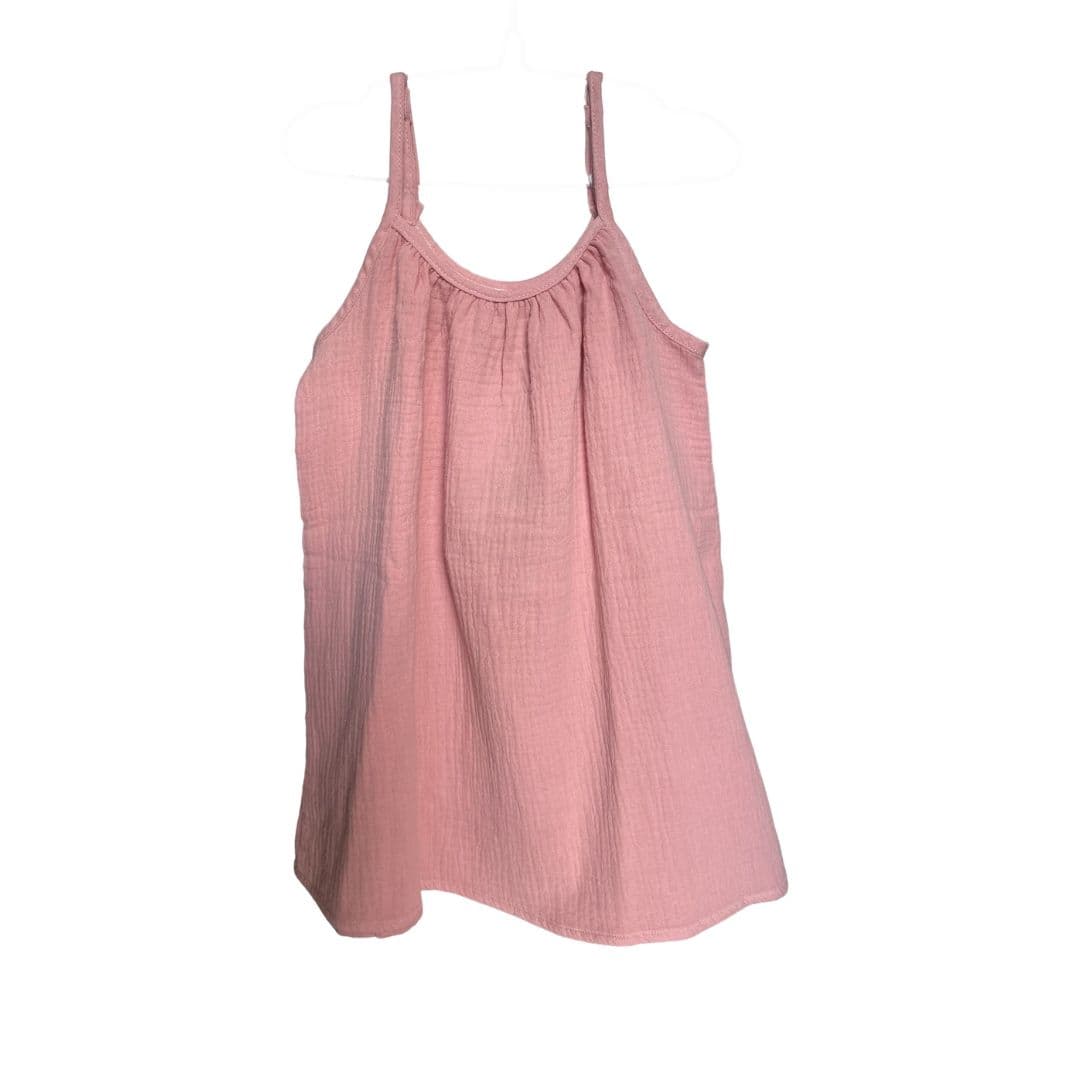
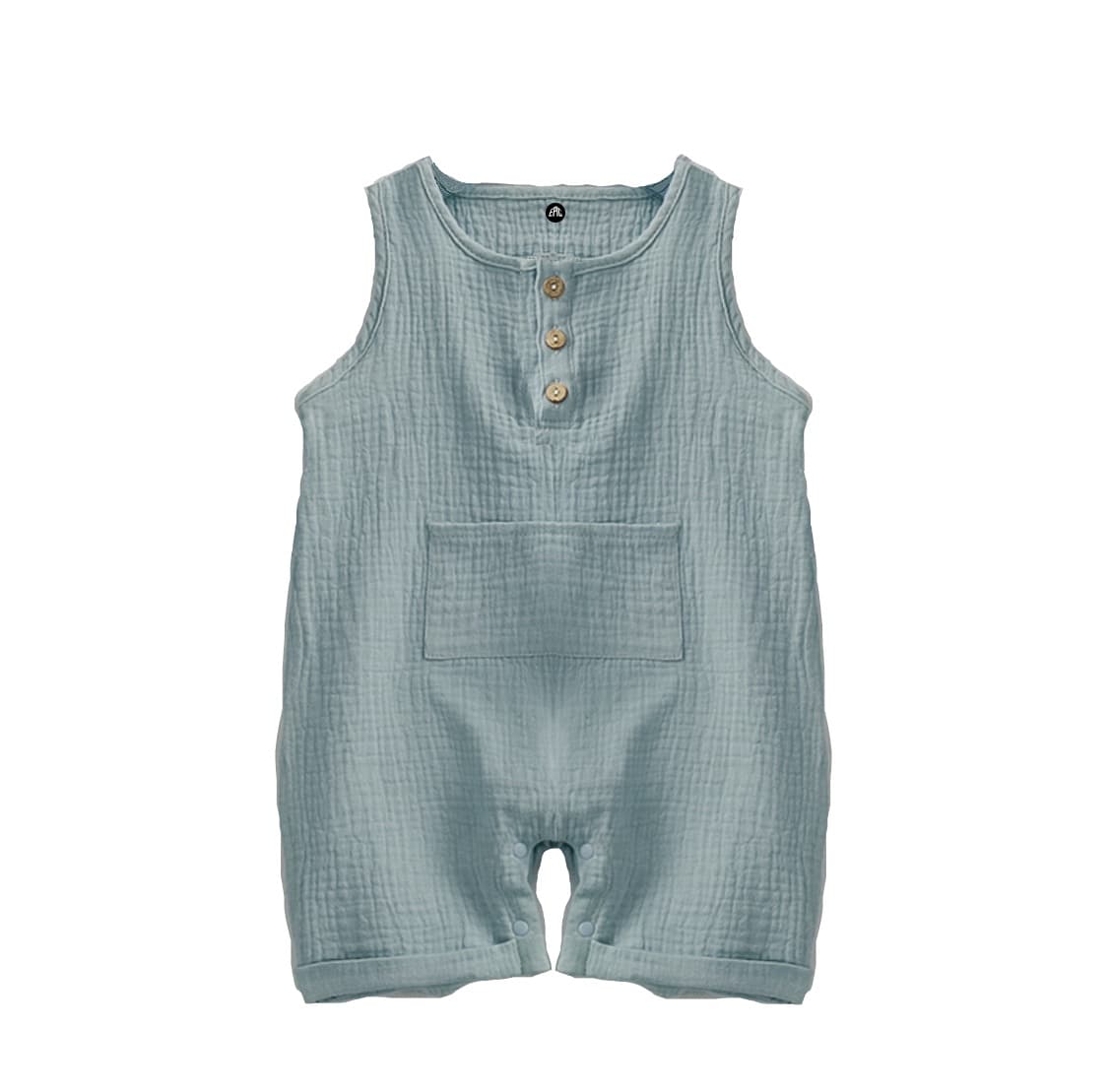
Muslin cotton, made for the heat
Breathable, soft, and built for real tropical days. Our onesies & playsuits are where most families start.