Why Is My Husband So Angry and Distant? It Might Not Be "Adjusting"
He seems distant and irritable while traveling, here's what's really going on with your husband's mood, and how to reconnect before it ruins the trip.

A husband who turns angry or distant after a baby arrives is almost never just "adjusting." It usually traces to something specific: feeling shut out of the baby's routine, grieving the marriage and freedom he used to have, or sleep debt he's not admitting to. Naming the real cause works better than waiting for him to come around on his own.
It's rarely just "adjusting"
"He's adjusting" is the phrase we reach for because it's kind and because it asks nothing of anyone. But most of us know a version of this where the quiet lasted months, not weeks, and nothing about it felt like adjustment. It felt like absence.
A few things tend to sit underneath that absence.
He feels like a spectator in his own house. Somewhere in the first weeks, mom becomes the expert on everything: the feeding, the one bounce that actually settles the baby. A father watching from the outside, unsure where he fits, goes quiet instead of asking.
He is grieving something he can't say out loud. He's grieving the marriage he knew and the freedom to spend an evening however he wanted. None of that is anyone's fault. It's still a loss, and a loss with nowhere to go often comes out as a short fuse.
He is tired in a way he isn't admitting. Sleep debt is the cumulative toll of broken, interrupted nights, and it makes everyone shorter-tempered than they mean to be. Fathers often carry it quietly because the mother's exhaustion gets named first.
What the distance actually looks like
It rarely announces itself as "I feel shut out." It shows up smaller than that: snapping over a dish left in the sink, or taking a work call that could have waited. If you've noticed him reaching for the baby less, or handing the baby back faster than he used to, that's often the same story from a different angle, explored in when baby only wants mom.
What doesn't help
Pointing out that he's "never around" confirms the story he's already telling himself: that he's failing at this. It rarely opens a conversation. It closes one.
What actually helps, instead of waiting it out
Waiting it out assumes the distance will resolve on its own. Sometimes it does. More often it needs a small, deliberate opening.
- Give him one job that is entirely his, not a task you hand over and then redo yourself. Read the one habit that splits baby duties together, before resentment sets in on either side.
- Name the pattern without blame. "I've noticed you've gone quiet since the baby. Is something on your mind?" lands differently from "you never help."
- Protect one stretch of undivided time with the baby, even twenty minutes, where nobody is coaching him through it.
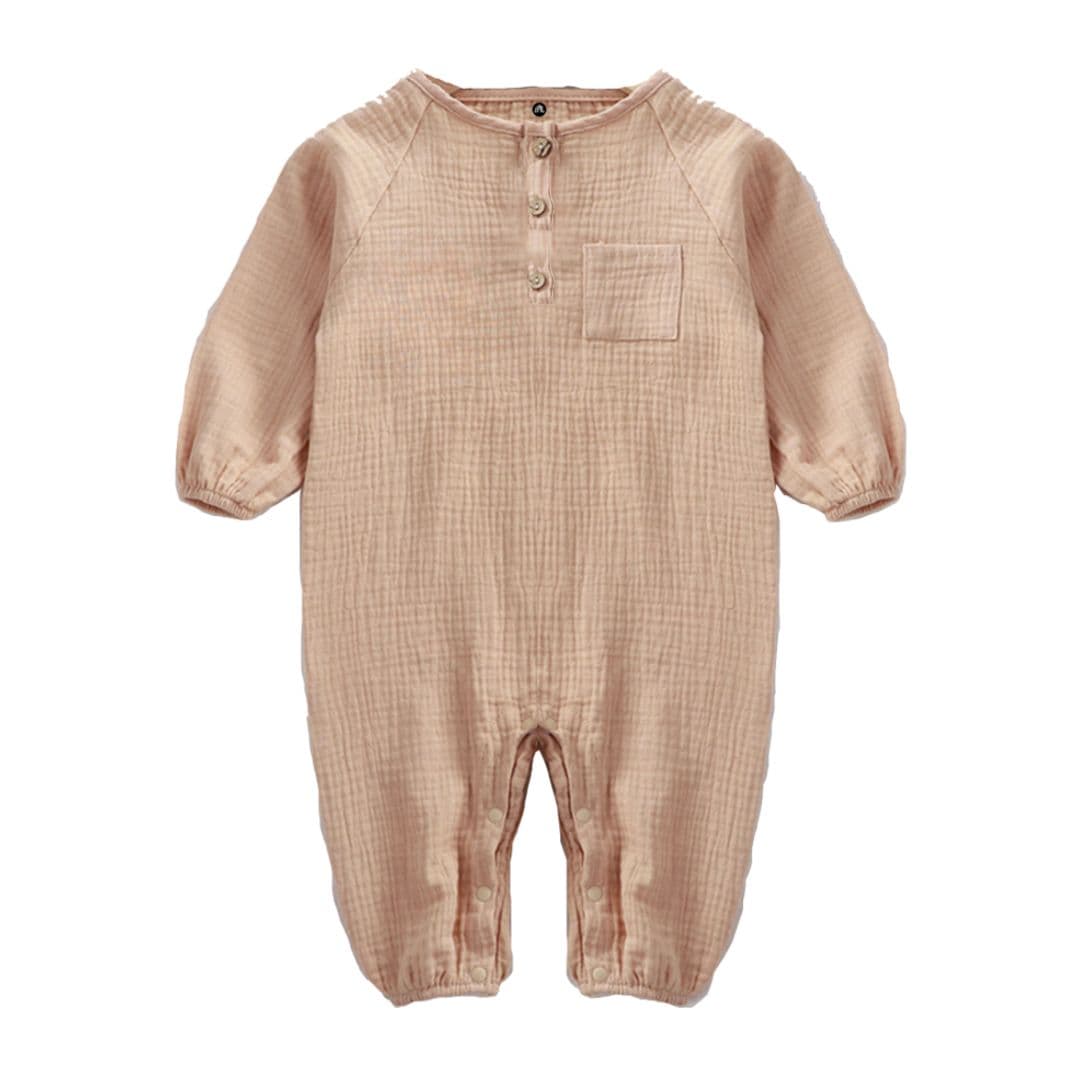
- Lower the friction on the tasks he does take. A 3am change goes faster, and tempers stay shorter, when the clothes are simple to get on and off. The last feed of the night is often the easiest place for a tired dad to find his footing, explored in why you're still awake after dad takes the night feed.
- Watch the shape of it, not just the mood. A short temper that eases within a conversation is different from a flatness that doesn't lift for weeks. The second one is worth a conversation with a doctor or counselor, not something to manage alone.
FAQs
Is this something fathers actually go through, or is he just being difficult? This is a real pattern, not a character flaw. New fathers go through their own version of upheaval after a baby arrives; it just tends to look like withdrawal and short temper instead of tears.
How long does this kind of distance usually last? It varies by family and by what's underneath it, so there's no fixed timeline to measure against. What matters more is whether it's easing, even slightly, or staying flat week after week. Flat and unmoving week after week is the signal to bring in outside support rather than more patience.
Should I bring it up directly, or wait for him to come to me? Most fathers won't raise this distance themselves, often because they don't have the words for it yet either. A calm, specific, non-accusing opening from you, naming the pattern without blame, is usually what starts the conversation.
A note from Bali
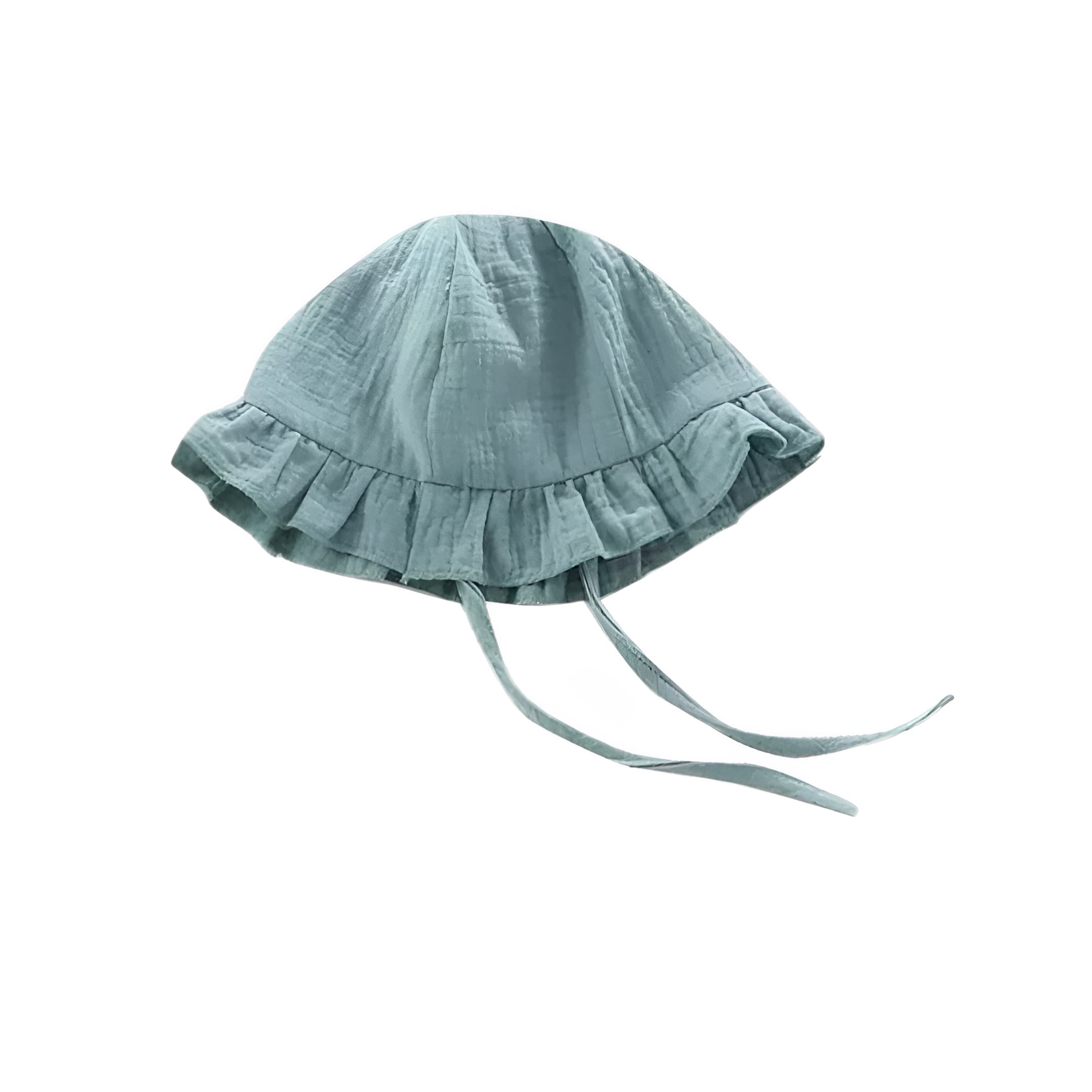
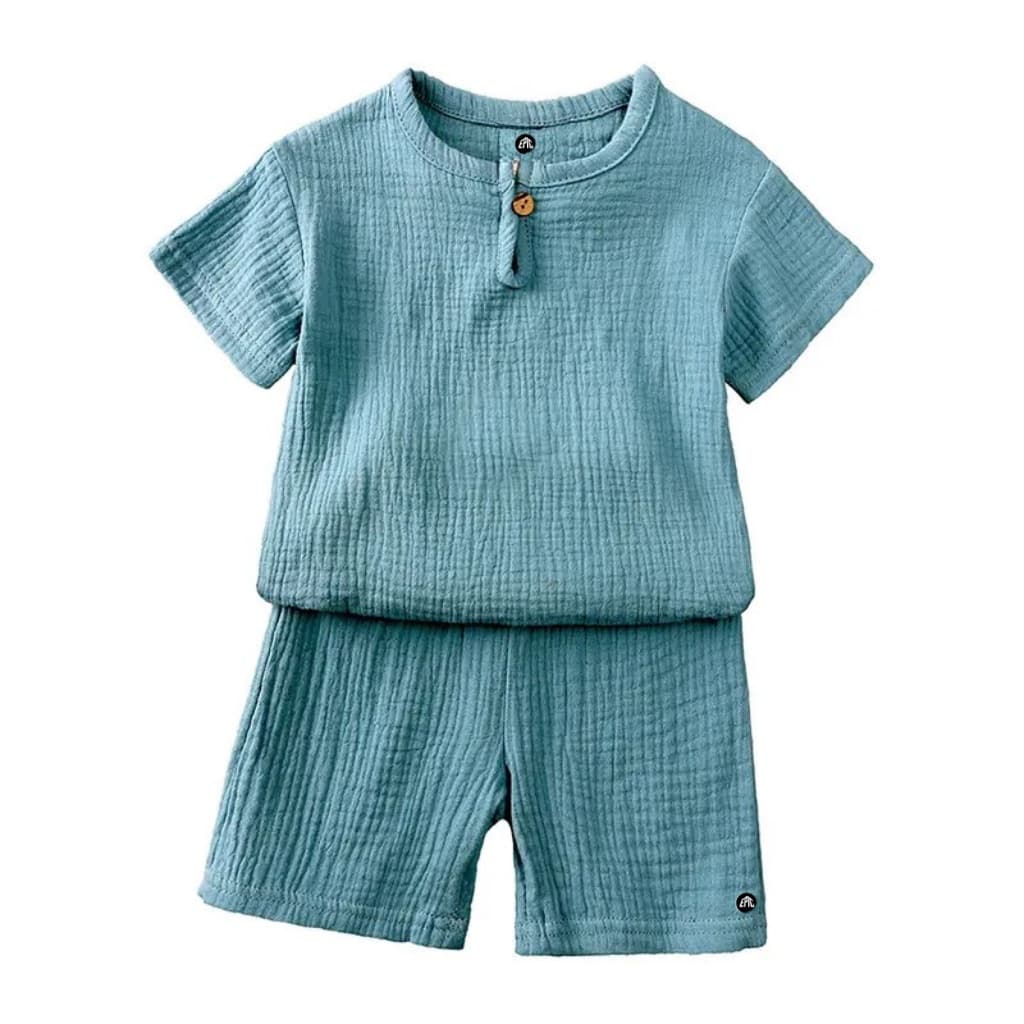
We know the exhaustion of a house where everyone is doing their best and still missing each other at 3am. If there's one small thing worth trying tonight, it's giving him a task that's fully his, with nothing standing between him and the baby, not even the clothes. Muslin is a loosely woven, lightweight cotton fabric, and that open weave is why we reach for it on the hardest nights: the looser weave lets air move through instead of trapping heat against the skin, which matters in Bali's humidity. See what we stock for easy nights.
From one parent to another
Dressing a little one for the heat?
Join the EPIC family for honest guides on dressing kids in the tropics, first look at new pieces, and 10% off your first order.
No spam, just the good stuff. Unsubscribe anytime.
Shop the pieces
More from Knowmads Bali
Born in Bali · Tested in the tropics
Muslin cotton, made for the heat
Breathable, soft, and built for real tropical days. Our onesies & playsuits are where most families start.