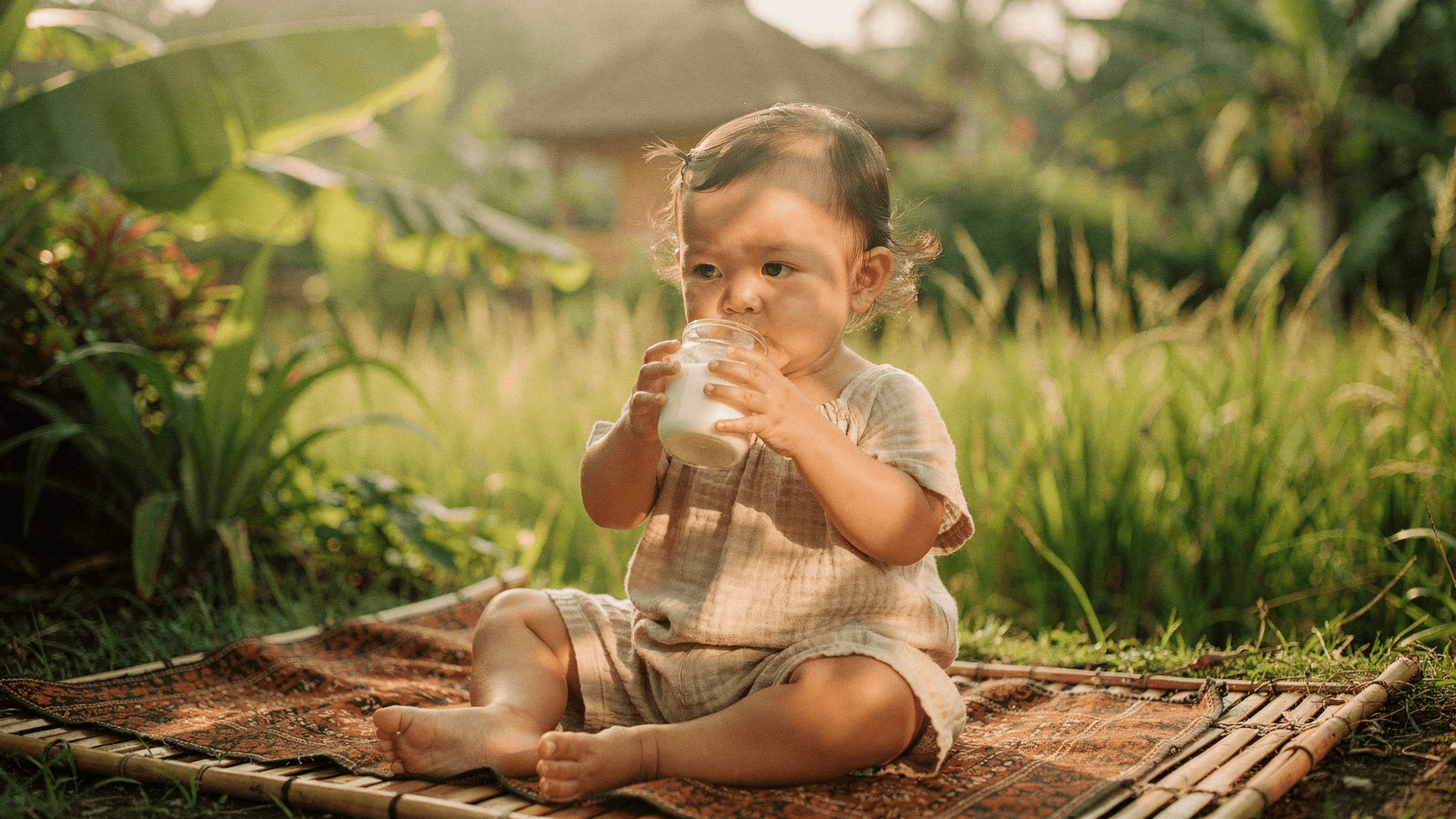
Bali to Seoul: Surviving Your Toddler's First Jet-Lagged Bedtime
Jet lag won't wait for bedtime. Here's how to get your toddler sleeping in Seoul fast after the Bali flight, without the 2am meltdown.
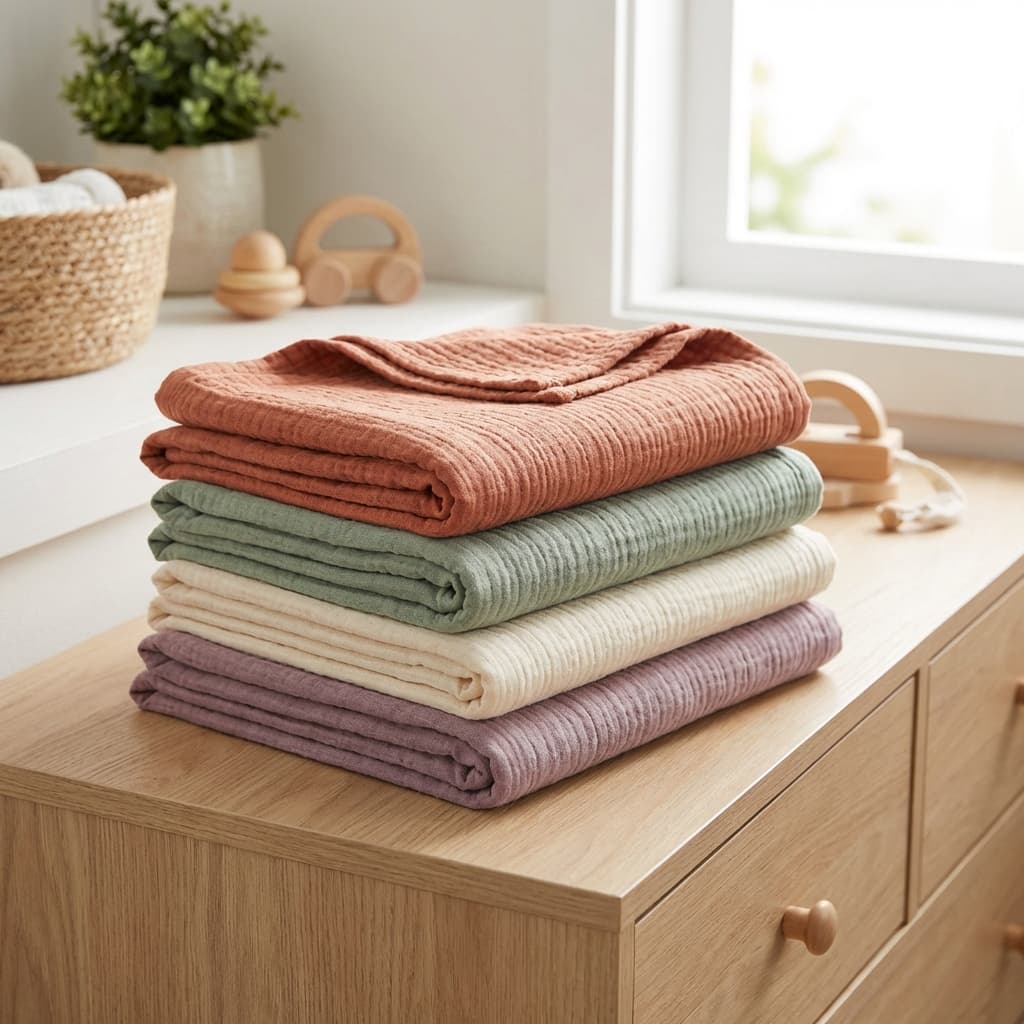
After flying from Bali to Seoul, use Seoul time immediately. Keep your toddler’s familiar bedtime routine in the same order, but allow an earlier or later first night. Follow local daylight and meal cues, then guide bedtime back toward the usual local time over the next few evenings.
Why the first bedtime feels harder than the time difference suggests
Seoul and Bali are close in clock time, but the journey can still disrupt an ordinary day. Airport queues replace playtime. Naps happen at odd moments, meals arrive out of order, and your toddler may fall asleep just before landing.
Travel-related sleep disruption is a temporary change caused by an unfamiliar day, not necessarily a broken sleep schedule. Your toddler may simply be tired and alert after the journey.
The pressure can build when bedtime approaches and your child is still wide awake. You start counting naps and wondering if one late night will undo the routine. Make the goal smaller: offer a calm first night, then rebuild the usual rhythm.
If the journey includes a connection, our guide to the Changi and Incheon layover chill can help you prepare for changes in temperature and pace.
What to do after landing in Seoul
Start using local cues
Local cues are signals such as daylight, meals, and familiar evening activities that help mark the time of day. Once you arrive, use Seoul time, open the curtains during daylight, offer meals at local times, and begin the usual routine when evening comes.
Do not force sleep at an exact minute. A toddler who slept late on the plane may need extra quiet time. A toddler who barely slept may not manage the full routine. Either way, you can start again the next day.
Use the bedtime steps your child already knows. Follow the same order, such as bath, pyjamas, a familiar book, and the usual phrase before lights out. Keep that order even when the timing changes.
If your child is wide awake, lower the energy instead of fighting over sleep. Read quiet books, cuddle, or play gently in the room. Avoid bright entertainment or another outing, which can make the evening feel as if it has started again.
Treat the first night as a bridge
A bridge night is a flexible first bedtime that connects a disrupted travel day with your toddler’s familiar routine. It does not need to look exactly like bedtime at home. It only needs to point back toward the usual rhythm.
If your toddler falls asleep early and wakes later, keep the room dim and respond as you would at home. If bedtime runs late, return to the normal local routine the next evening. One disrupted night does not need its own holiday schedule.
Parent guilt can feel bigger than the sleep problem. Many parents feel it while holding a tired child and wondering if they handled the day badly. A shorter routine or a simple dinner is not failed consistency. It is a practical response to travel.
For help separating travel disruption from a lasting sleep change, read our guide, “Is It the 4-Month Regression or Just Bali Jet Lag?”
Pack for familiarity, not perfection
A bedtime kit is a small collection of familiar items that helps your toddler recognise the evening routine in a new room. It is more useful than trying to recreate the whole bedroom. Keep these items in your carry-on, not buried in checked luggage.
Consider packing:
- Usual sleepwear, plus a spare
- The bedtime book your toddler requests most
- A familiar comfort item
- Toothbrush and regular toiletries
- A night light or sound device already used at home
- A simple snack and an easy change of clothes
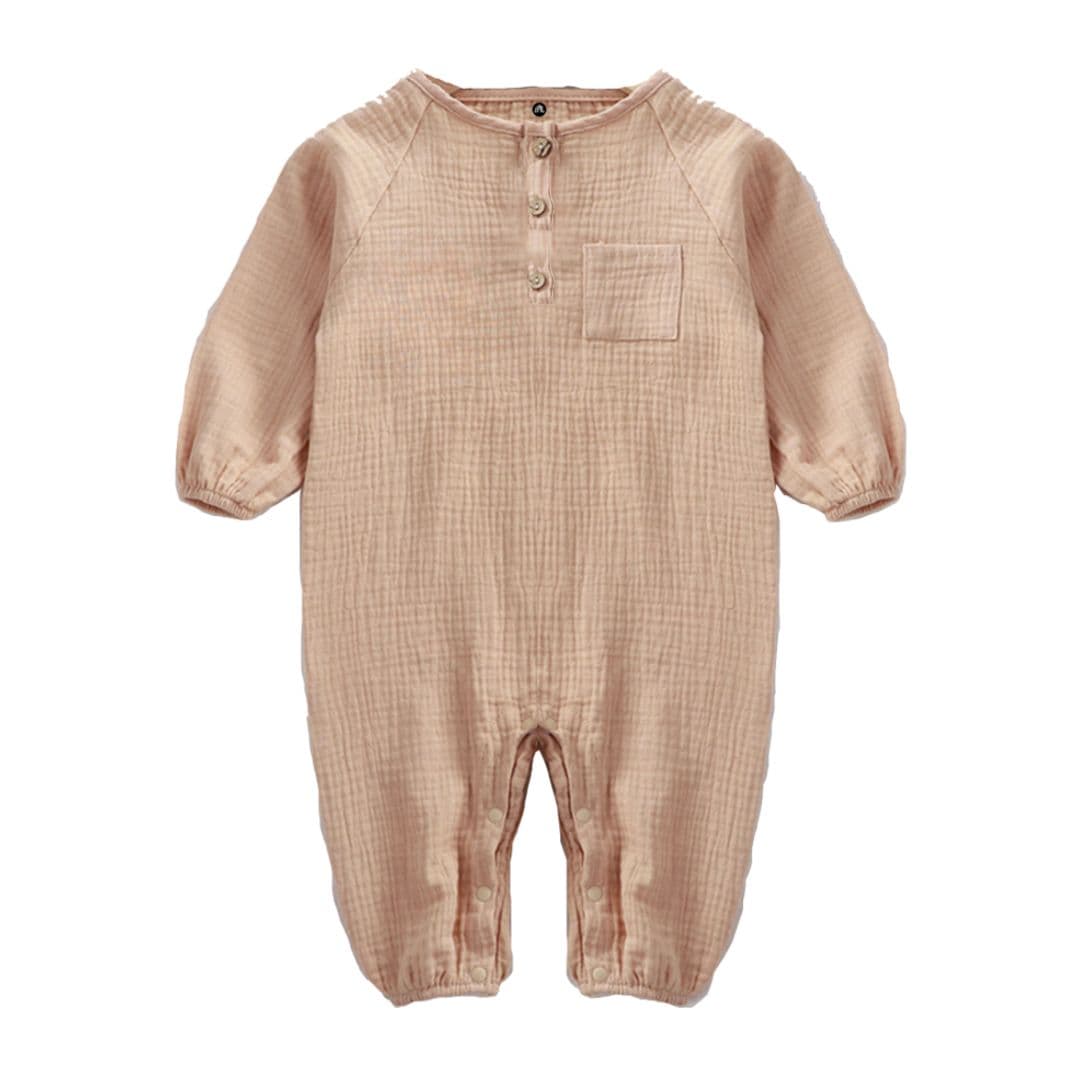
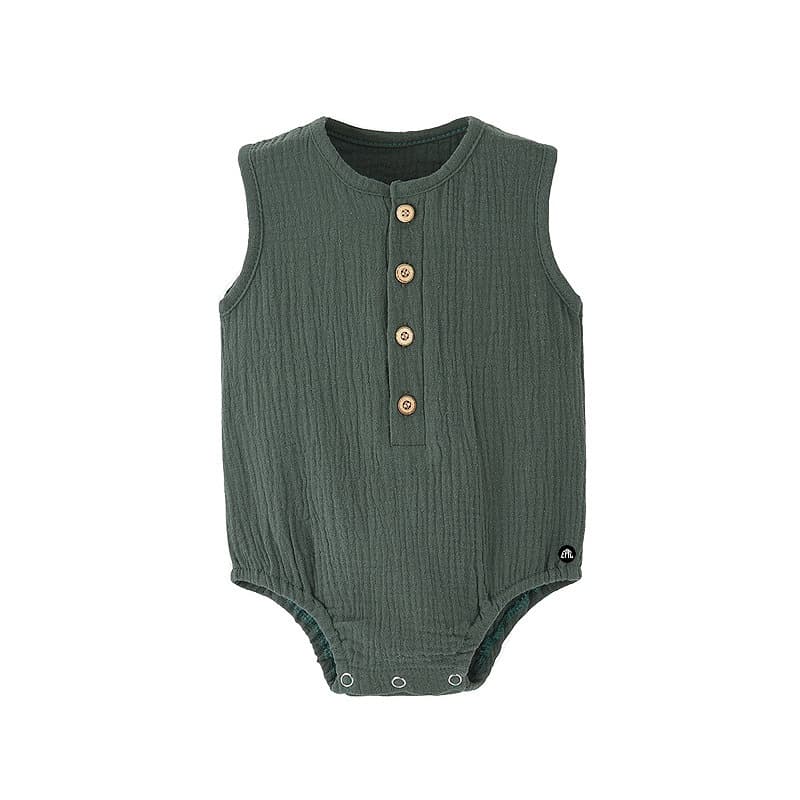
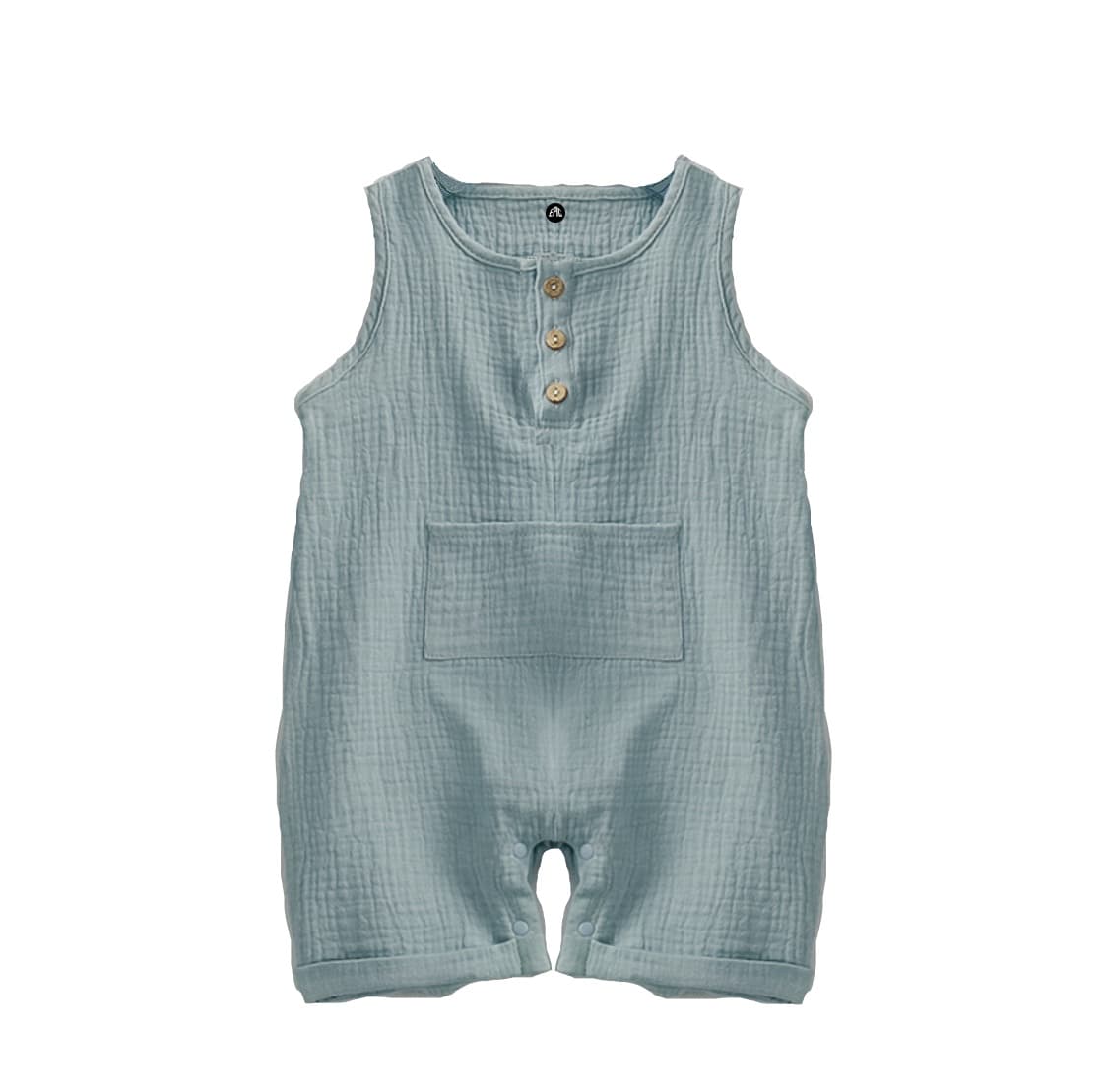
Choose sleepwear for the room, not the weather outside. Heating and air conditioning can make a Seoul hotel feel very different from Bali. Muslin is cotton woven with small, open spaces that allow air to move through the fabric. It is lightweight, quick-drying, and can feel gentle on sensitive skin during a long evening.
For the rest of the bag, a carry-on toddler packing guide can help you decide what to keep close and what can wait.
Frequently asked questions
Should I keep my toddler awake until their normal Seoul bedtime?
You do not need to keep your toddler awake at any cost. If they are comfortable, a quiet stretch until the usual local bedtime can help. If they are falling asleep during dinner or becoming distressed, choose an earlier bedtime and return to local daylight, meal, and bedtime cues the next day.
What if my toddler wakes ready to play during the night?
If your toddler wakes ready to play, keep the room dim and your response quiet and predictable. Offer the same reassurance you use at home, with little conversation or activity. One wakeful stretch after a flight does not require a new bedtime routine.
When should I ask for professional help?
Speak with your child’s paediatrician if the sleep disruption continues, worries you, or appears alongside unusual symptoms. A paediatrician can consider your child’s individual needs, health, and recent travel when advising you.
A note from Bali
The first bedtime after a flight can feel like a test, but it is one unsettled night. Keep the familiar steps, adjust the timing, and respond to the child in front of you.
When the suitcase is unpacked, you can visit the Epic shop for soft, lightweight muslin clothing made for movement. For any diagnosed skin condition, follow your doctor’s or paediatrician’s advice.
From one parent to another
Dressing a little one for the heat?
Join the EPIC family for honest guides on dressing kids in the tropics, first look at new pieces, and 10% off your first order.
No spam, just the good stuff. Unsubscribe anytime.
Shop the pieces
More from Knowmads Bali
Born in Bali · Tested in the tropics
Muslin cotton, made for the heat
Breathable, soft, and built for real tropical days. Our onesies & playsuits are where most families start.