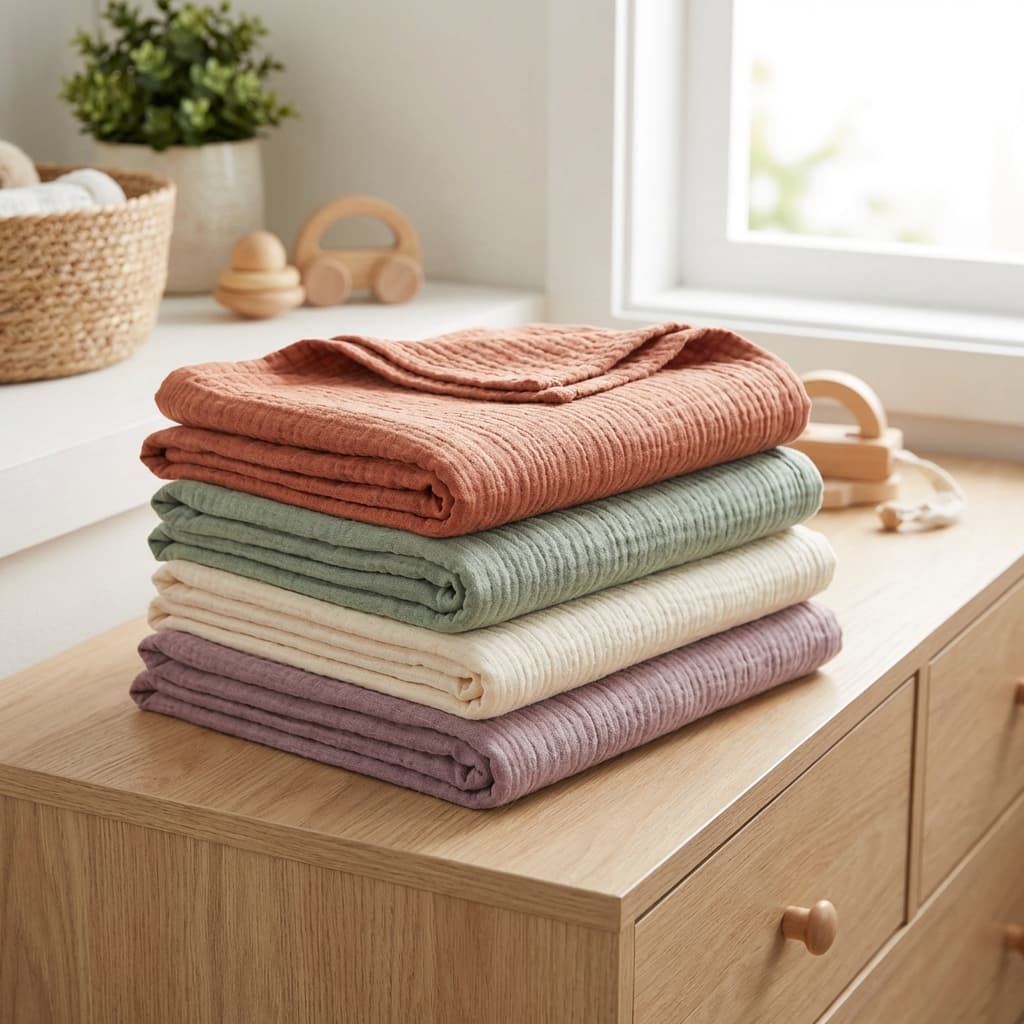
Gurita Bayi: The Newborn Wrap Bali's Grandmothers Won't Skip
Newborn belly binding parents fly across Bali to find, the gurita wrap tradition (and why grandmothers won't leave the hospital without one).

A gurita bayi is a long strip of soft cotton cloth wrapped snugly around a newborn baby's belly and tied or pinned in place, worn over or under a onesie in the first weeks after birth. It's a Balinese and Indonesian tradition many grandmothers still pass down, predating modern baby clothing by generations.
A tradition older than most of us realize
If you live in Bali long enough, you'll meet a gurita bayi before your baby is even born. A grandmother, an ibu at the pasar, or a midwife in the days after birth will offer one, confident this is simply what you do with a newborn. It's a long strip of cotton, wound snugly around the belly and tied or pinned in place.
Families who use it usually see it as one part of newborn care, alongside swaddling and keeping baby close in the first weeks. The reasoning varies by household, but it comes down to two things: it keeps the belly covered and snug, and it's what was done for every baby in the family before, including the grandmother now doing the wrapping.
We're not here to tell you the tradition is right or wrong. What we've noticed, living in Bali and raising a daughter here ourselves, is that it's one of the most common things a new parent gets asked about, usually before they've had time to research it themselves. That's worth knowing going in, so a well-meaning suggestion from a relative doesn't catch you off guard at 2am on day three.
What families actually do with it today
In practice, it's a mix. Some families use the gurita for the first few weeks exactly as their own parents did. Others skip it entirely and dress their newborn in a loose onesie or wrap style instead, something like the jabla and swaddle options many parents compare in the first weeks. Many land somewhere in between: they keep one on hand because a grandparent is visiting, and quietly set it aside once things settle.
If a gurita is part of your family's plan, a few practical, non-medical things are worth thinking through:
- Snug versus tight. Most parents we talk to aim for something that stays in place without pressing. If you're ever unsure whether it's too tight, that's a good question for your midwife or pediatrician, not a guess.
- How long you keep it on. Newborns grow out of everything fast, so expect to adjust or retire it within weeks, not months. If you're stocking up on newborn basics generally, how much you actually need at this size is worth reading before you buy in bulk.
- What's underneath it. A gurita is usually layered over or under a onesie, not worn against bare skin alone, so the fabric touching your baby the most is often what's underneath, not the wrap itself.
- Bali's heat. Cotton is a breathable, moisture-wicking fiber, and in a tropical climate that stays warm and humid year-round, lightweight cotton that lets air move against the skin does more for comfort than the wrap ever will.
- Checking in with a professional. If anyone in the family has questions about the belly button, tummy shape, or anything that sounds like a health question rather than a comfort one, that's a conversation for your midwife or pediatrician, not a blog post.
The bigger picture: warmth in a place that's never cold
One thing that surprises a lot of new parents here is how differently "keeping baby warm" plays out in the tropics compared to wherever they grew up. A lot of newborn tradition, gurita included, was shaped in cooler climates. In Bali, the more common challenge families describe isn't cold, it's the opposite: figuring out when a baby has actually had enough layers for the night. If that's the puzzle you're working through, the signal Bali parents actually watch for before dropping a layer is a good next read.
Questions Bali parents ask
Do I have to use a gurita bayi if my family expects it?
No. It's a tradition, not a requirement, and plenty of families in Bali raise healthy newborns without one. If it matters to a grandparent and you're comfortable with it, many parents use it lightly during visits and skip it otherwise. If you have any doubts about fit or comfort, your midwife or pediatrician is the right person to ask.
How is a gurita different from a swaddle?
A swaddle is a wrap that covers a newborn's whole body, usually worn as a sleep garment. A gurita is different: it's a strip of cloth wound specifically around the belly, not the whole body. Some families use both at different times, others use one or the other, since a swaddle is mostly about the sleep environment while a gurita is a belly-focused custom.
What should I look for in the fabric if I do use one?
Softness against the skin and fabric that lets air move in the heat are what parents mention most. A newborn's skin is sensitive, and Bali's climate doesn't leave room for anything heavy or stiff.
A note from Bali
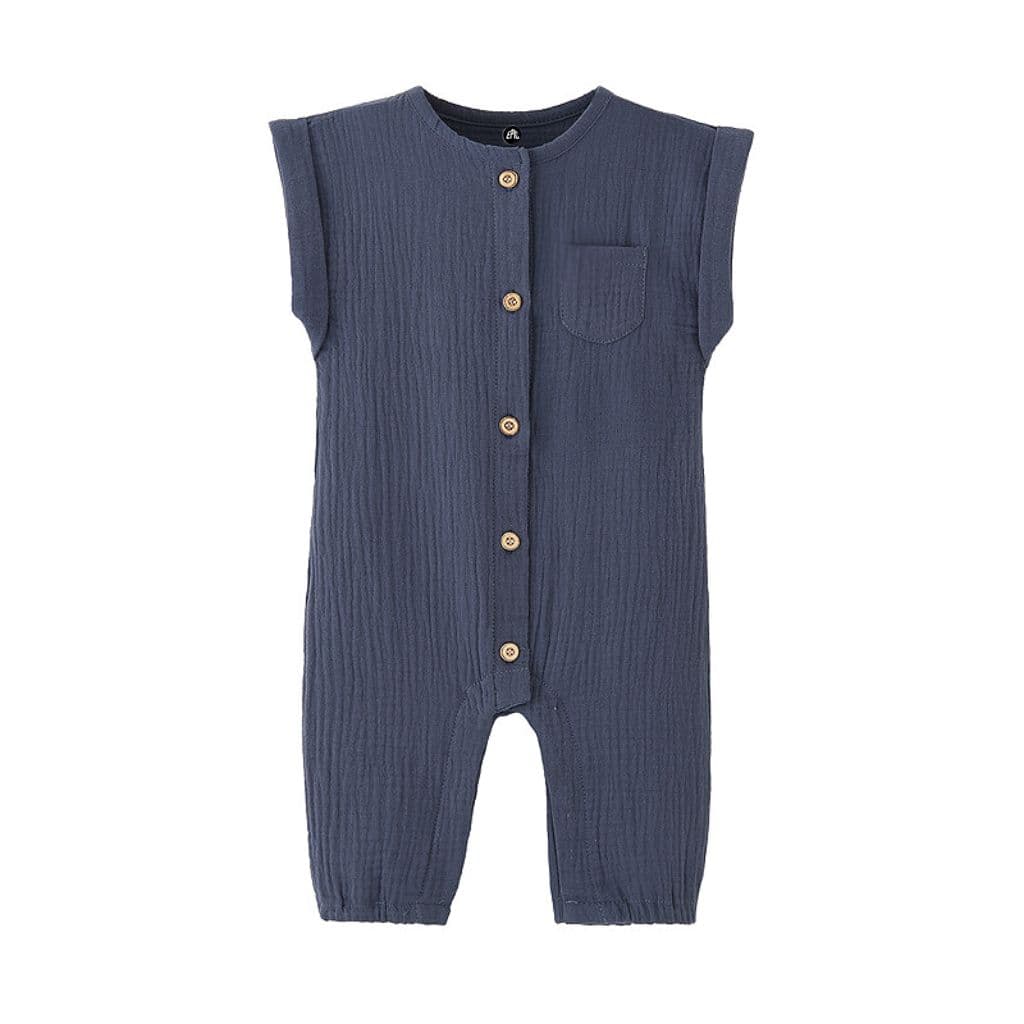
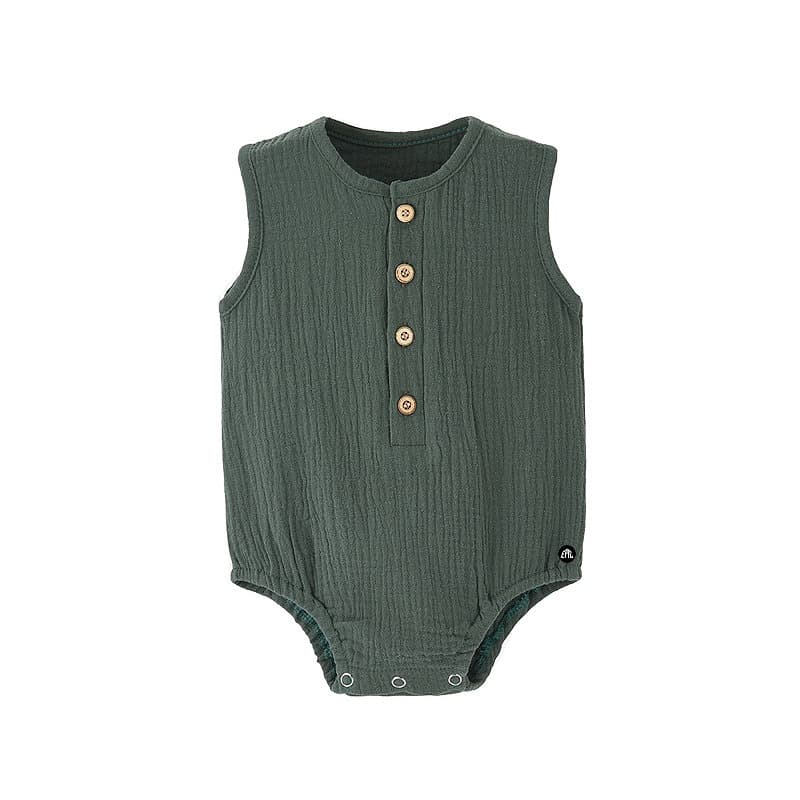
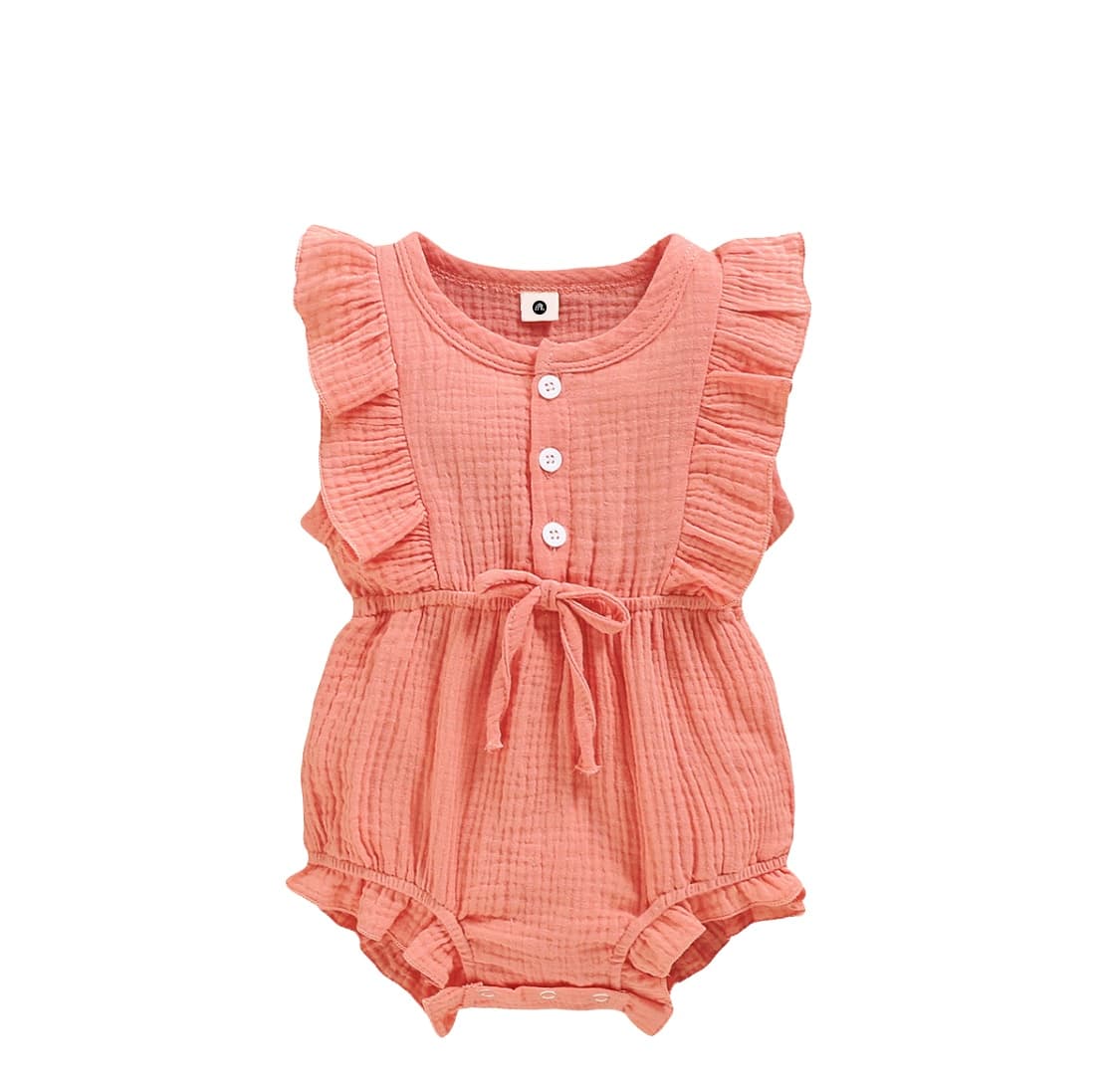
We get asked about the gurita bayi more than almost anything else in those first newborn weeks, usually by a parent trying to figure out what's tradition and what's necessary. We don't have a strong opinion on which way you go. What we do care about is what's actually touching your baby's skin once the wrap comes off, which is most of the time. That's why the onesies and rompers we stock are muslin cotton: the open weave lets air move so skin stays cool, and it softens more with every wash instead of going stiff. If you're building out those first newborn basics, our shop is there when you're ready, no pressure either way.
From one parent to another
Dressing a little one for the heat?
Join the EPIC family for honest guides on dressing kids in the tropics, first look at new pieces, and 10% off your first order.
No spam, just the good stuff. Unsubscribe anytime.
Shop the pieces
More from Knowmads Bali
Born in Bali · Tested in the tropics
Muslin cotton, made for the heat
Breathable, soft, and built for real tropical days. Our onesies & playsuits are where most families start.