How Often to Bathe a Baby in Tropical Heat
Checking brand context so the meta description matches the post's audience and voice.
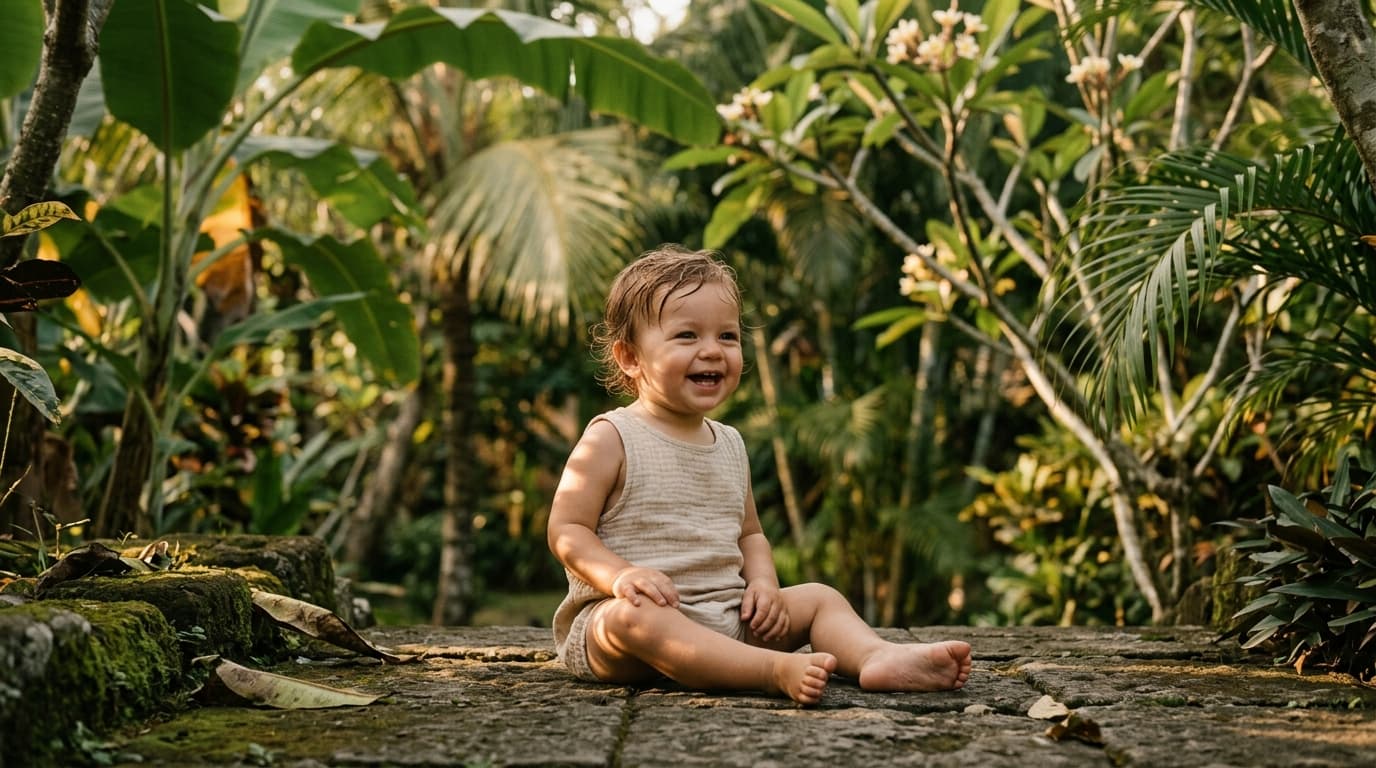
In tropical heat, most families land on once a day, plus a quick rinse after a sweaty nap, a sandy afternoon, or a day that just ran hot. Newborns usually need less. Older, mobile babies often want more. There's no fixed rule, only what keeps your baby comfortable that day.
We noticed early on that the question isn't really "how often" so much as "how do I tell." A cooler climate gives you a tidy schedule. A tropical one gives you a moving target, because heat, humidity, naps, and how much your baby moved that day all shift what "clean and comfortable" means from one afternoon to the next.
What actually decides the rhythm
A few things tend to matter more than the calendar.
Age and stage. In the newborn weeks, a gentle wipe-down often replaces a full bath, especially while the umbilical area is still settling. That's a conversation worth having with your midwife or pediatrician, not a rule to borrow from a blog. Once babies start rolling, crawling, and getting dusty or sweaty, the tub comes out more often, sometimes daily.
Activity, not just temperature. A quiet, air-conditioned day at home is a different bathing day than one spent at the beach, in a paddling pool, or crawling around a dusty warung floor. We bathe based on what the day actually involved, not just what the thermometer said.
Your baby's own signals. Some babies relax and settle after a bath, heat or no heat. Others get more unsettled by too much handling in a day. That read usually comes within the first few months, worth trusting over any generic number.
Signs it's probably bath time again
A few cues families here watch for, more useful than a strict count:
- Damp hair at the neckline after a nap, even indoors
- Sand, dirt, or sunscreen residue after outdoor play
- A day that included a pool, the sea, or a sprinkler
- Dampness in the folds at the neck, elbows, or thighs
- A baby who's fussier than usual by early evening, when a warm bath often settles them fastest
None of these mean something's wrong. They're the ordinary texture of a tropical day, a reason to add a bath or a rinse instead of waiting for a fixed time on the clock.
Keeping baby comfortable between baths
What happens between baths matters as much as the baths themselves. In humid heat, sweat sits on the skin instead of evaporating quickly the way it does in dry heat, which is part of why the same damp patches keep reappearing in the same spots. Moisture that lingers in the same creases, the neck, underarms, backs of the knees, is worth watching between washes: it's a big part of why baby heat rash keeps coming back in the same folds. The same goes for a damp chin or collar that never dries out, covered in the real fix for Bali drool rash.
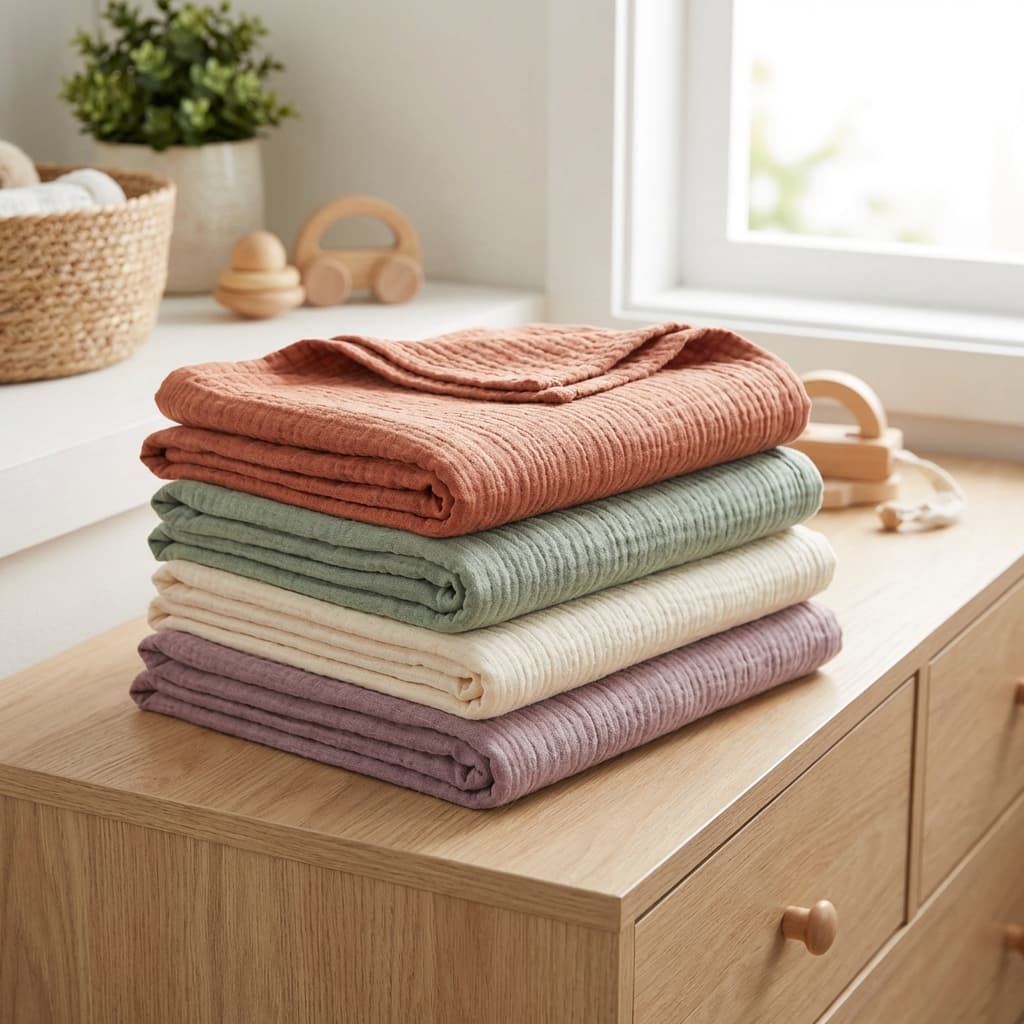
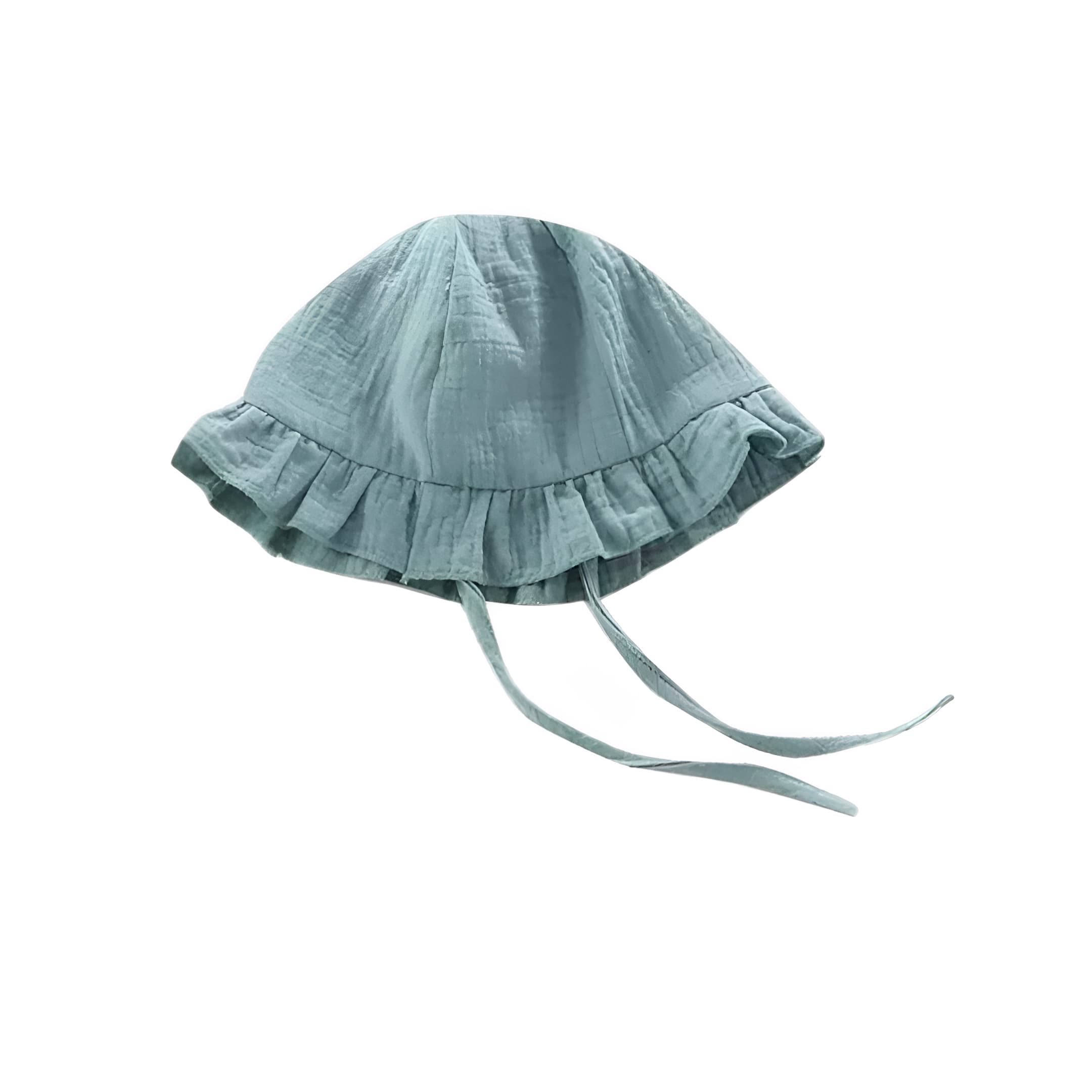
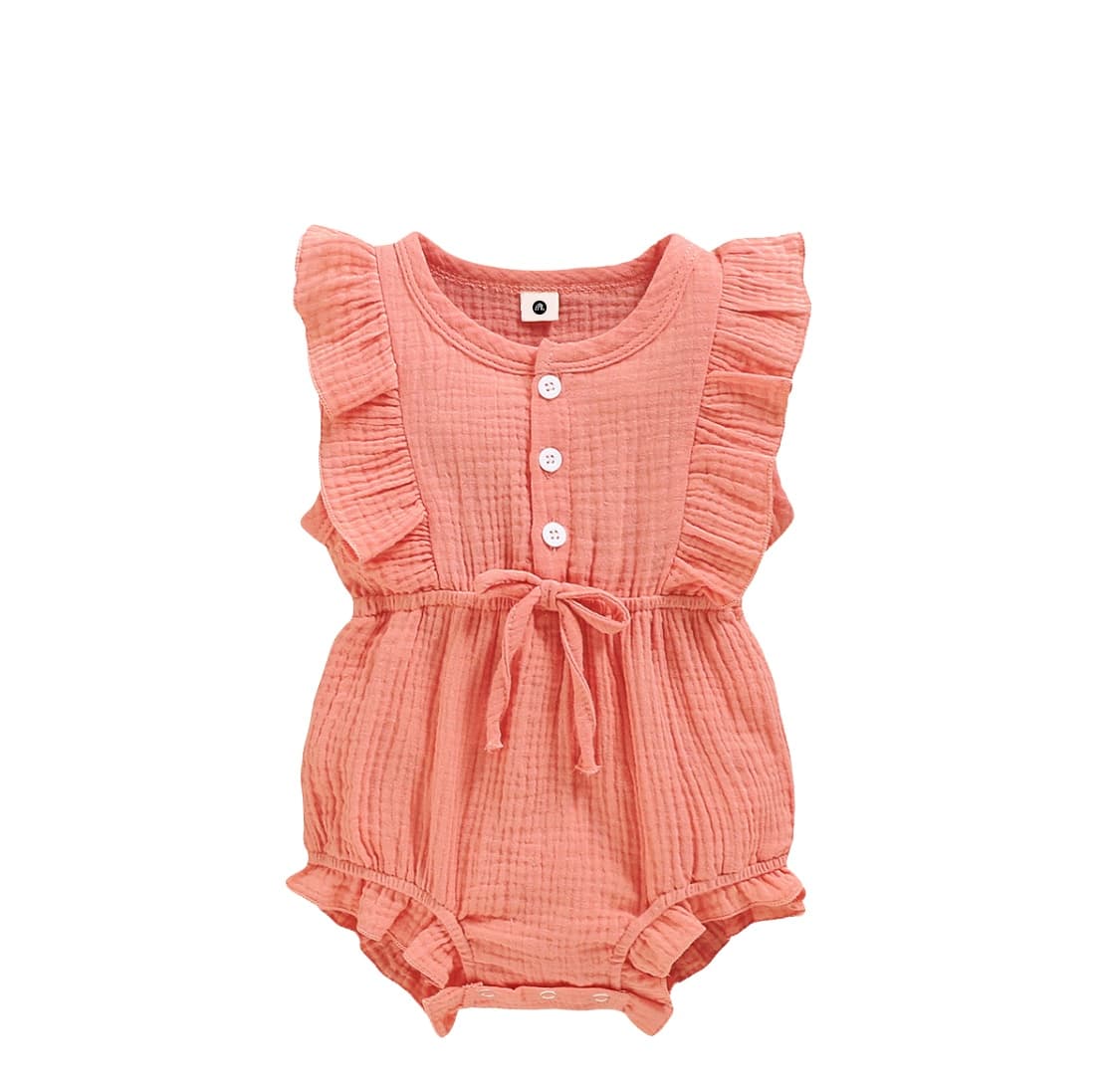
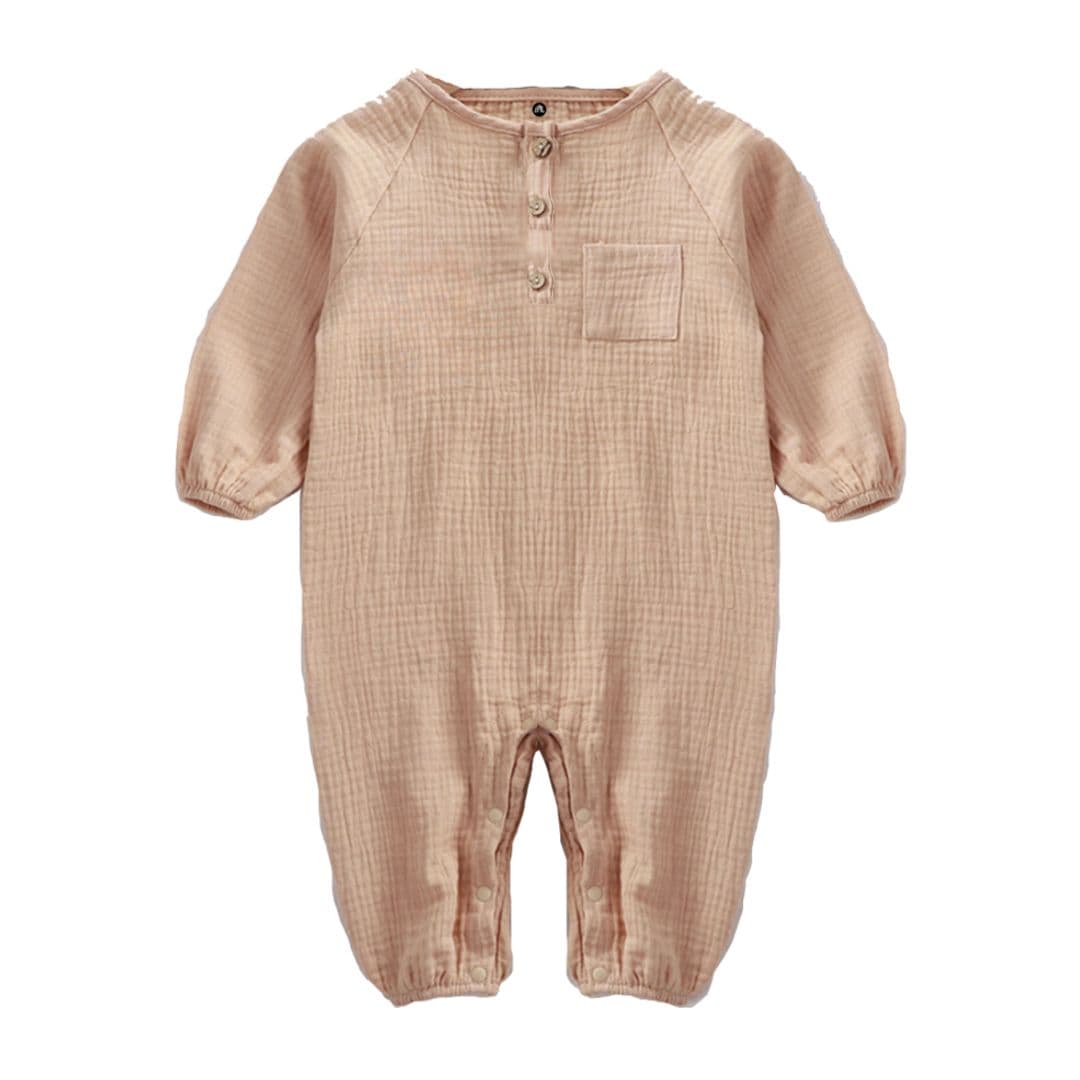
Muslin cotton is a lightweight, loosely woven fabric with small gaps built into the weave itself. That structure is what lets air move through instead of trapping warmth and moisture against skin, which is why it's worth choosing for the hours between baths. A soft layer that doesn't cling once your baby has sweated a little can stretch the comfortable time between baths, especially through the hottest part of the afternoon. For a fuller rundown of what tends to work across a Bali day, our heat and humidity guide covers it in more depth.
FAQs
Do newborns and toddlers need a different bathing rhythm? Generally yes. Newborns tend to need fewer full baths, with gentle wipe-downs covering most of what's needed in between. As babies get mobile and start sweating and getting dirty, a daily bath becomes common in most tropical households.
Is a quick rinse the same as a full bath? Not exactly, and it doesn't need to be. A short rinse to cool off or clear away sand, sweat, or sunscreen is its own useful tool, separate from a proper wash. Plenty of families use both in the same day.
Should bath time move to the evening once the heat picks up? Some families shift to an evening bath as part of winding down for the night. Others keep a morning bath and add an evening rinse if the day ran hot. Both are common in tropical heat. Whatever settles into a rhythm you can actually keep is the one worth keeping.
A note from Bali
There's no medal for getting the bathing schedule "right." Most of us are just responding to the day in front of us, the sweat, the sand, the nap that ran long, and trying to keep our babies comfortable through it. That instinct is worth trusting more than any fixed number.
What we can help with is the in-between. Our pieces are lightweight muslin cotton, gentle against sensitive skin once your baby's out of the bath and back in real clothes. The open weave keeps air moving through the fabric instead of trapping heat against skin. Have a look at what we stock.
From one parent to another
Dressing a little one for the heat?
Join the EPIC family for honest guides on dressing kids in the tropics, first look at new pieces, and 10% off your first order.
No spam, just the good stuff. Unsubscribe anytime.
Shop the pieces
More from Knowmads Bali
Born in Bali · Tested in the tropics
Muslin cotton, made for the heat
Breathable, soft, and built for real tropical days. Our onesies & playsuits are where most families start.