The Bali Dinner Rotation That Saves You From Cooking Twice
Skip the nightly cook, this Bali dinner rotation lets you prep once and eat well for days without repeating a kitchen session.
What to feed your kids for dinner in Bali when you're too tired to cook
When you're too tired to cook dinner for your kids in Bali, use a fixed weekly rotation instead of deciding fresh each night: one big batch-cooked meal stretched over two nights, one warung or delivery night, and one assemble-only night of rice, egg, and fruit. Repeat it every week. The goal is fewer decisions at 6pm.
Why deciding fresh every night wears you out here
Bali sits near the equator, so daytime heat and humidity stay high year-round with little seasonal relief. That heat drains end-of-day energy in a way a cooler climate doesn't. By the time dinner rolls around, we've usually spent the good hours of the day on work, on a toddler who napped badly, on just being outside in Bali's humidity. Standing in the kitchen at 6pm trying to invent a meal from scratch is often the last straw on an otherwise fine day.
A rotation removes the inventing. You just check which slot tonight falls into.
The four-slot rotation that actually holds up
We settled into a rhythm of four slots, repeated weekly with the specific dishes swapped out for variety.
Slot 1: the one big cook. Pick one evening with slightly more energy and cook a large pot of something that keeps well, a curry or a tray of roasted vegetables and protein. You're really cooking for tomorrow night as much as tonight.
Slot 2: the stretch night. The next night, that same pot comes back out, maybe over new rice or noodles, maybe with something quick added. No stove time beyond reheating.
Slot 3: the warung or delivery night. One night a week, nobody cooks. A warung dinner run covers the whole evening. Going out (or ordering in) on a fixed night instead of a whim night means it's already budgeted into the week.
Slot 4: the assemble-only night. Eggs, rice, whatever fruit and vegetables are in the fridge, laid out rather than cooked into a dish. This is the night that saves the rotation when everyone's more tired than planned.
Two big-cook nights, one stretch, one warung, one assemble, and the last two days of the week repeat whichever slot went smoothest. That's the whole system.
Making it work for a toddler's plate
The same batch that feeds the adults works for a toddler too, just smaller portions and less seasoning set aside before you add the extras. Here's what actually gets it eaten instead of pushed around:
- Portion small and often rather than one big plate. In the heat, a toddler's appetite comes in bursts, and a full dinner plate can sit untouched while three small offerings across the evening disappear.
- Keep one "safe" component on every plate. Rice or a plain noodle alongside the main dish means there's always something familiar even on an off night.
- Cook once, season twice. Pull the toddler's portion before adding chili or anything sharp, so the same pot serves everyone.
- Let one meal a week be genuinely no-effort. Fruit, cheese, or a boiled egg. It counts as dinner.
- Write the rotation down somewhere visible. A fridge magnet list beats trying to remember which night is which by 6pm.
When the day's already gone sideways with heat and short naps, read about how being too hot to eat changes what a toddler will actually accept at the table. Some evenings, smaller and more frequent works better than a bigger effort at one sitting.
Common questions
How many nights should the rotation actually cover? Five planned slots and two flexible ones, leftovers or whatever's left in the fridge, cover a full week without feeling rigid.
What if my toddler rejects the rotation food some nights? That's normal, and rarely about the food itself. Keep one familiar "safe" item on the plate every night instead of cooking a whole new meal to please them, and it smooths out over a week rather than in one evening.
Can the same big-cook meal repeat across different weeks? Yes, and it should. Repeating meals is what saves you from deciding fresh every night. Two or three big-cook meals on repeat, swapped every few weeks once everyone's bored of them, is plenty.
A note from Bali
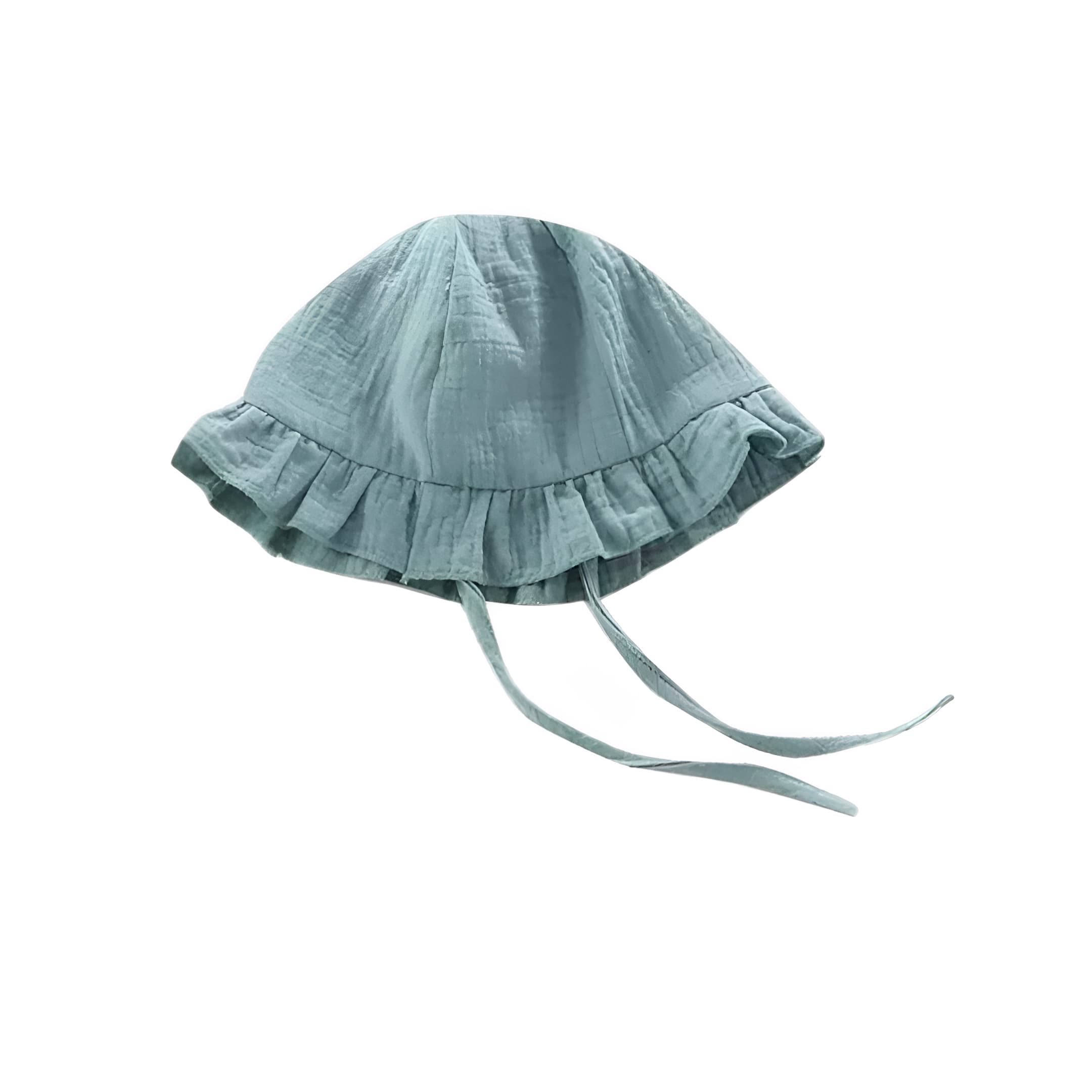
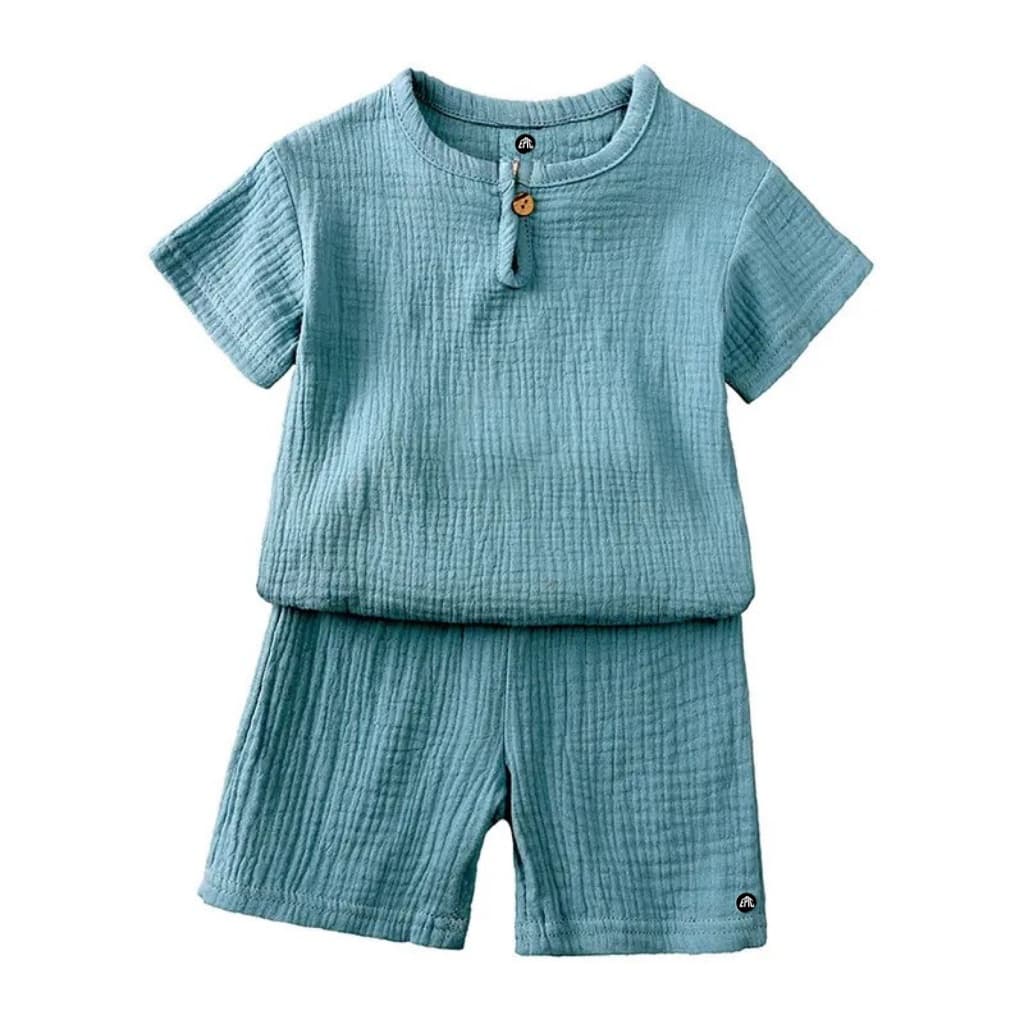
Dinner is one more thing that's harder here than it looks from outside. If a fixed rotation gives you back even one evening a week where you're not standing in the kitchen deciding from nothing, it's worth setting up. We noticed the same easy, loose pieces that work for baby-led weaning in the heat make sense at dinner too: something simple to wipe down or change out of fast when a meal gets messy. Muslin is a loosely woven, lightweight cotton fabric. Its open weave lets air move through rather than trap heat against skin, which is part of why we choose muslin for ours, it keeps a hot toddler cooler at the table. We design for a kitchen in Bali, not a showroom. See what we stock at epic.supply.
From one parent to another
Dressing a little one for the heat?
Join the EPIC family for honest guides on dressing kids in the tropics, first look at new pieces, and 10% off your first order.
No spam, just the good stuff. Unsubscribe anytime.
Shop the pieces

More from Knowmads Bali
Born in Bali · Tested in the tropics
Muslin cotton, made for the heat
Breathable, soft, and built for real tropical days. Our onesies & playsuits are where most families start.